Coping Skills Social Story for Kids (+ Free Coping Skills Infographic)
Does your child struggle with big feelings? This Coping Skills Social Story teaches calm-down strategies and includes a FREE printable infographic.
Big feelings can be overwhelming for children. One moment they are happily playing, and the next they may feel angry, frustrated, worried, or upset. The good news is that coping skills can be taught just like reading, writing, or tying shoelaces. Children aren’t born knowing how to calm themselves—they learn through practice, repetition, and positive guidance.
If you’re looking for more ready-made resources, my collection of social story templates makes it easy to create personalized stories for different situations. You can adapt the templates to teach coping skills, emotional regulation, routines, and other important social-emotional concepts.
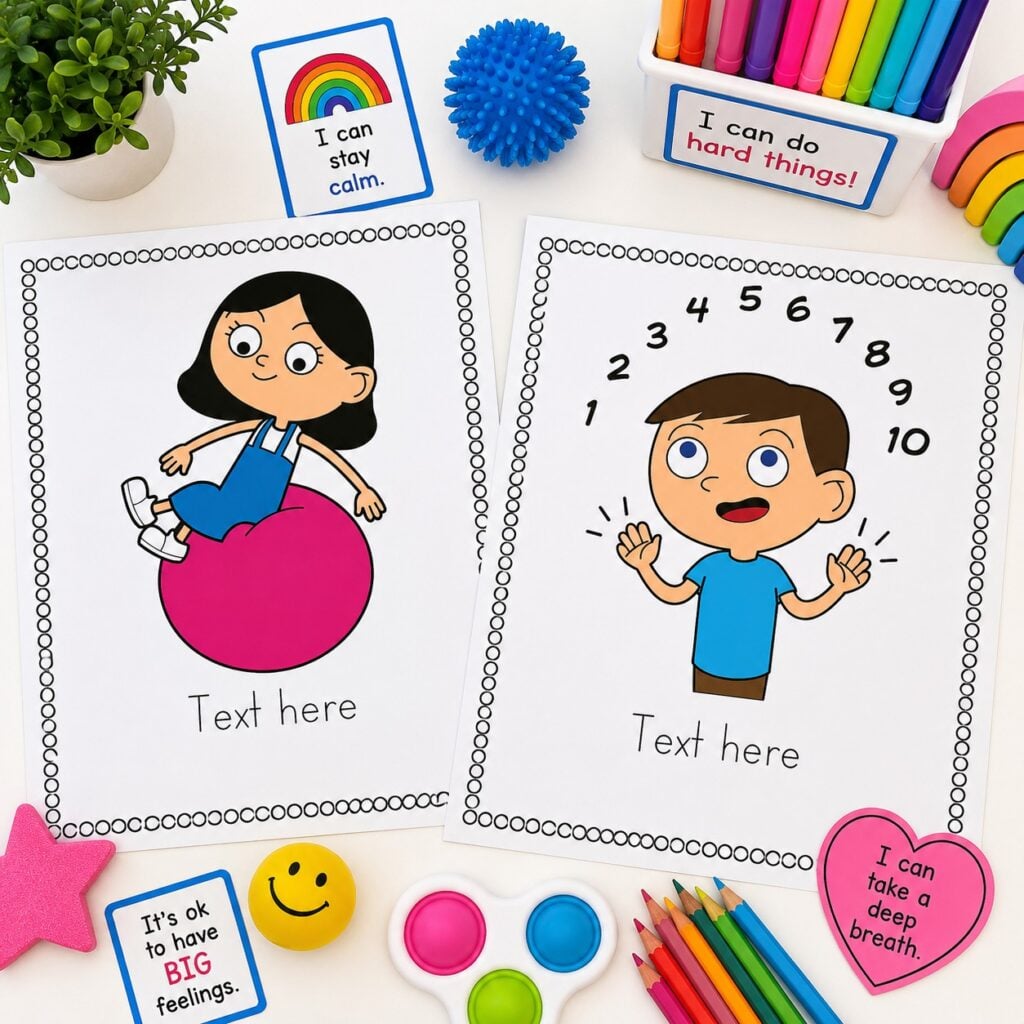
A coping skills social story is a wonderful way to introduce healthy strategies in a simple, reassuring way. By reading relatable situations and seeing positive responses, children begin to understand that they have choices when emotions become big.


- PSYCHOLOGIST-DESIGNED COPING DICE SYSTEM – Unique…
- COMPLETE 9-PIECE EMOTIONAL INTELLIGENCE KIT…
- PROVEN ANXIETY RELIEF FOR KIDS – Features over…
Support Big Feelings Here
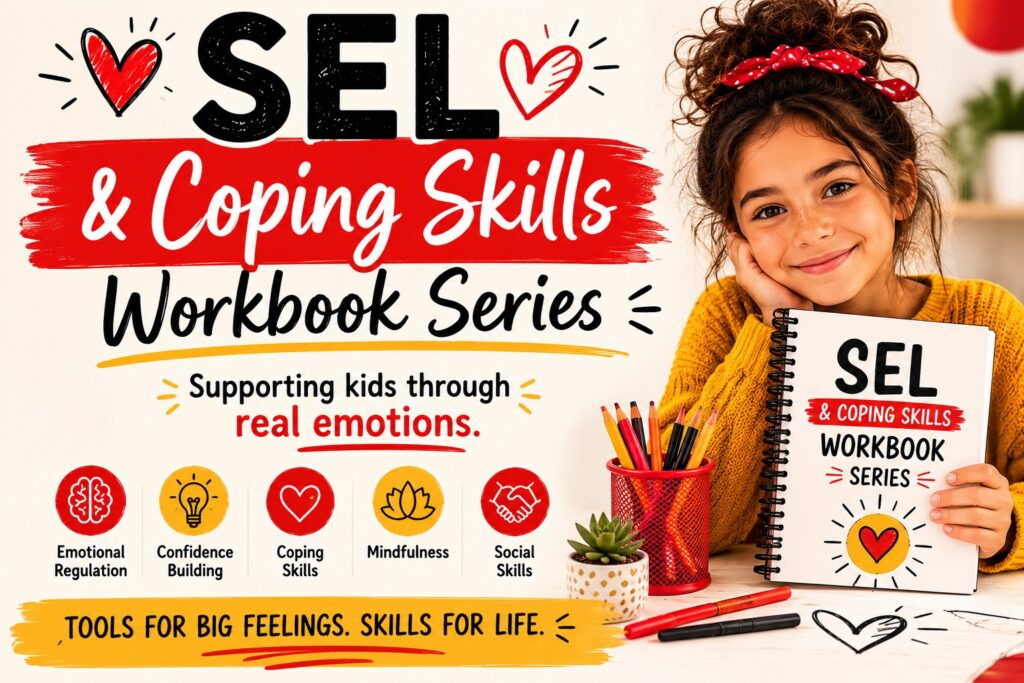
Big feelings can feel overwhelming for kids and tweens, especially during friendships, school stress, anxiety, confidence struggles, and everyday growing up moments. That’s why I created this growing SEL & Coping Skills Workbook Series filled with calming activities, reflection prompts, movement breaks, coping tools, confidence building exercises, and creative emotional support activities designed to help kids feel safe, supported, and understood.
In this article, you’ll learn why social stories are so effective, discover simple coping skills for kids, and download a free coping skills infographic to use at home or in the classroom.
Helping children understand difficult behaviors goes hand in hand with teaching coping skills. My types of bullying infographic explains the different forms of bullying in a child-friendly way, making it easier for students to recognize unsafe situations and respond appropriately.
What Is a Coping Skills Social Story?
A coping skills social story is a short, child-friendly story that teaches children what they can do when they experience difficult emotions. Rather than simply telling a child to “calm down,” a social story explains what feelings are, reassures children that those feelings are normal, and introduces healthy ways to respond.
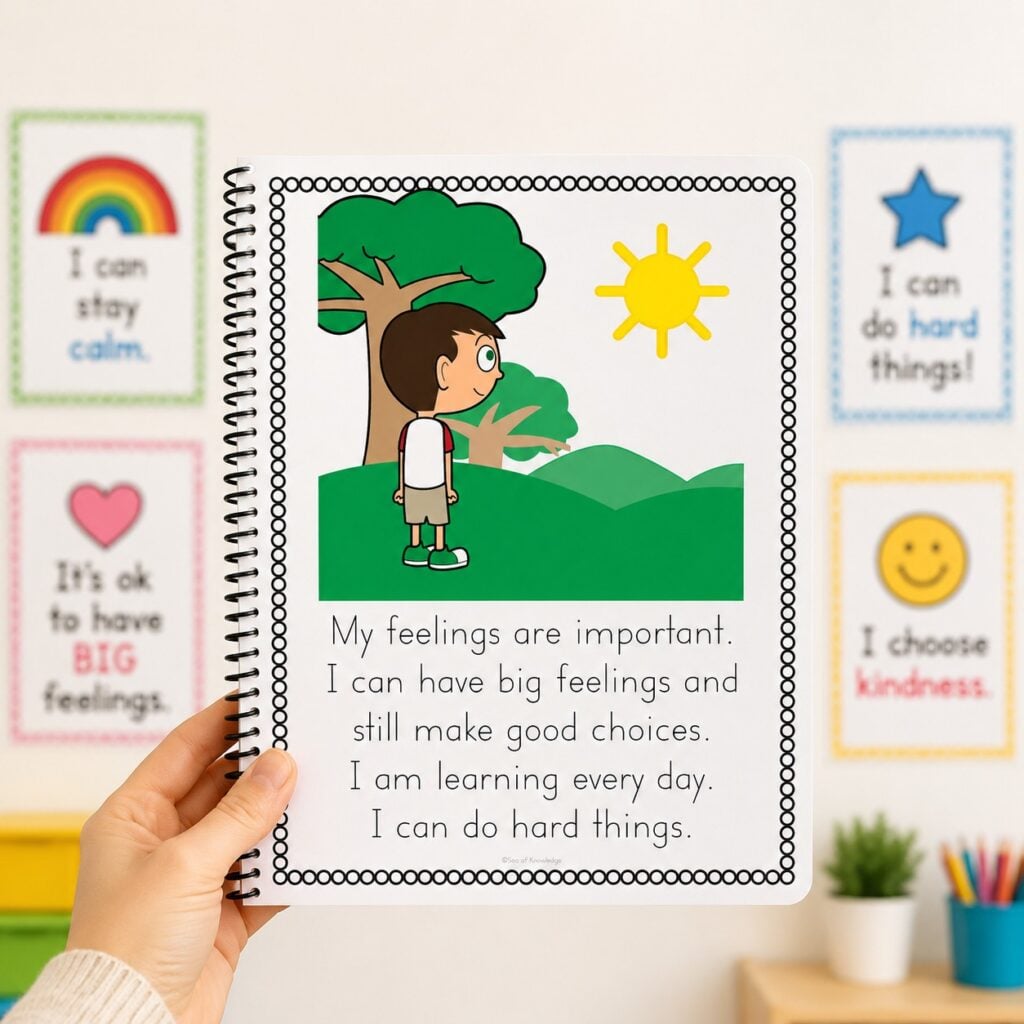
These stories are especially helpful for children with autism social stories, ADHD coping skills, anxiety, or other special education needs because they use predictable language, clear expectations, and concrete examples. However, they are just as valuable for any child learning emotional regulation and self regulation.
Many children become overwhelmed during social interactions because they aren’t sure what to do next. These tips on how to teach an autistic child to play with others provide practical strategies for building confidence, social communication, and cooperative play.
The goal isn’t to stop children from having emotions. Instead, it’s to teach them safe and healthy ways to manage those emotions.
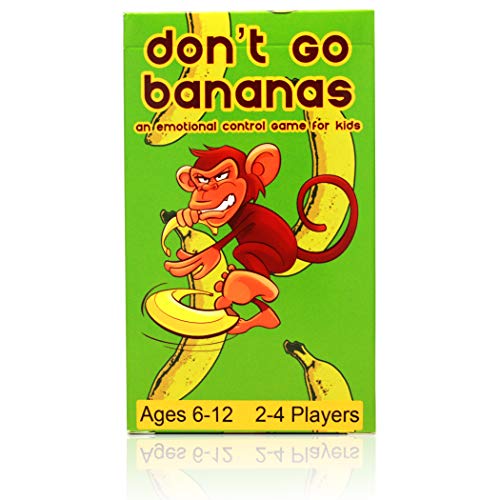
- Based on the ABCD Model of Cognitive Behavioral…
- Tackling 5 Emotions: The game works through…
- Simple to play: 2-4 Players take turns building…
- PSYCHOLOGIST-DESIGNED COPING DICE SYSTEM – Unique…
- COMPLETE 9-PIECE EMOTIONAL INTELLIGENCE KIT…
- PROVEN ANXIETY RELIEF FOR KIDS – Features over…

- INTERACTIVE THERAPIST-DESIGNED BALL: A…
- REVEAL READ REGULATE LEARNING SYSTEM: Uses a…
- 20 COPING STRATEGIES INCLUDED: Includes…
Why Teaching Coping Skills Matters
Children often react before they know how to think through a situation. They may yell, cry, throw objects, or walk away simply because they haven’t yet learned another response.
Teaching positive coping skills helps children build confidence and independence. As they practice different calming strategies, they begin to recognize their feelings, pause, and make better choices.
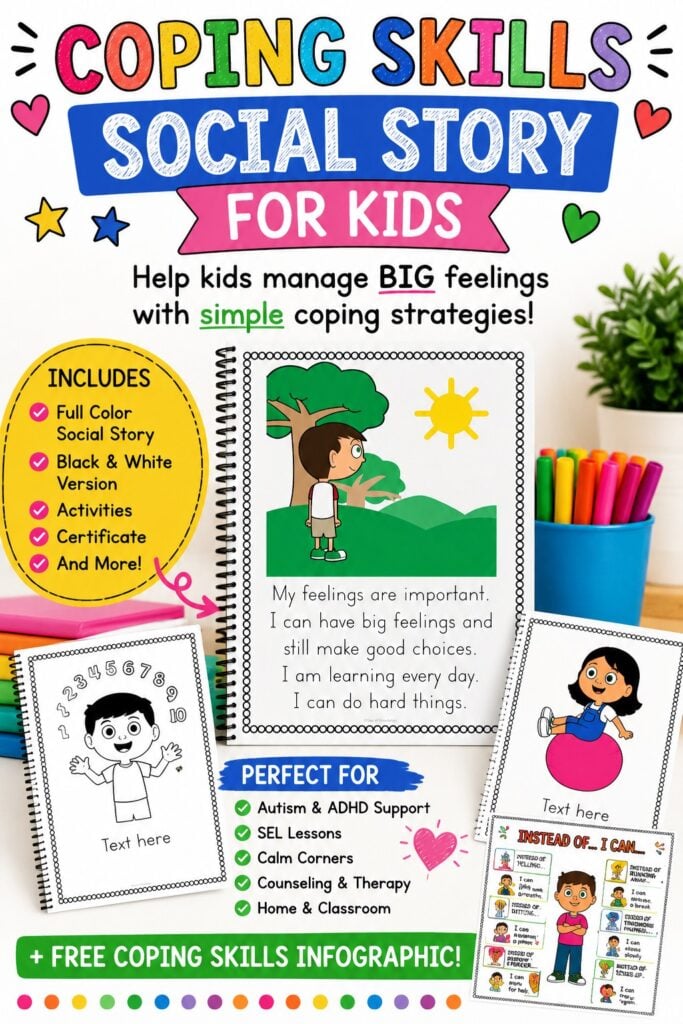
Some children may benefit from extra support if they struggle with:
- Feelings and emotions
- Managing emotions
- Self-control
- Behavior support
- Problem solving skills
- Emotional awareness
- School transitions
- Social conflicts
- Sensory overload
Just like learning to ride a bike, these skills become easier with practice.
Positive friendships also play an important role in emotional regulation. My free good friend poster helps children understand the qualities of kindness, respect, and empathy while encouraging positive choices in the classroom and on the playground.
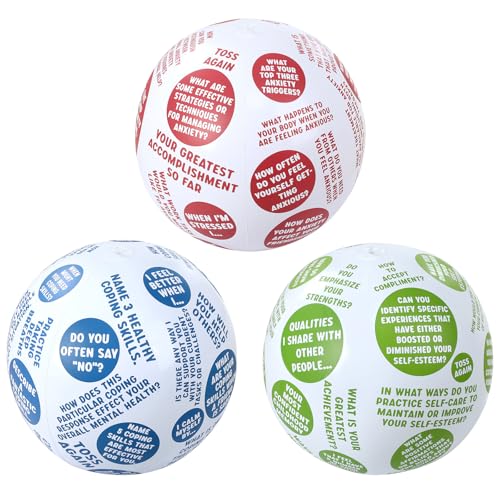
- Package Include: our therapy beach ball set is…
- Three Themed Beach Balls for Diverse Therapy…
- Reliable Material: our therapy tools beach balls…

- Engaging Learning Experience: Participants enjoy…
- Essential Life Skills Development: Children will…
- Multiplayer Format: Designed for 2-4 players to…
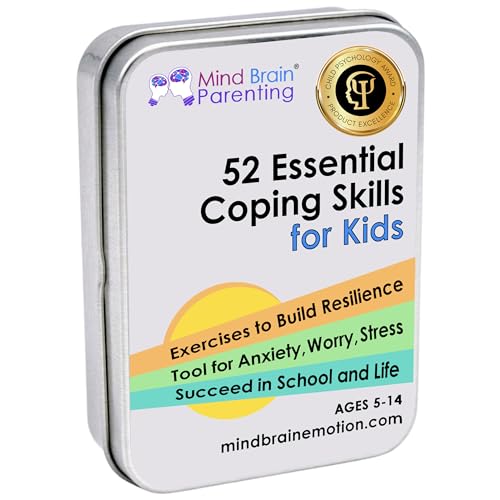
- 52 SKILLS, NOT 52 PIECES OF PAPER: Every card…
- BUILT FOR COPING IN A DIGITAL WORLD: Schoolwork…
- A SYSTEM, NOT JUST A DECK: CBT & ACT strategies…
6 Healthy Coping Skills Every Child Should Know
One of the easiest ways to teach coping strategies for children is by introducing a few simple ideas and practicing them before children become upset.
Take Deep Breaths
Slow deep breathing helps the brain and body relax. Encourage children to pretend they are slowly blowing bubbles or smelling a flower before gently blowing out a candle.
Ask for Help
Children don’t have to solve every problem on their own. Asking a trusted adult for help is a brave choice, not a weakness.
Take a Break
Sometimes stepping away for a few minutes helps children reset. A quiet calm corner filled with books, sensory tools, or calming visuals can provide the perfect space to regroup.
One of the hardest coping skills for many children is accepting disappointment. My Accepting No Social Story teaches children how to respond appropriately when they don’t get what they want, helping build patience, flexibility, and self-regulation.
Count Slowly
Counting to ten gives children a chance to pause before reacting. Those few extra seconds can make a big difference when emotions are running high.
Try Again
Mistakes happen to everyone. Teaching perseverance helps children understand that challenges are opportunities to learn rather than reasons to give up.
Teaching coping skills is especially valuable when discussing difficult topics like bullying. If you’re introducing this subject to younger students, these ideas on how to talk to kindergarteners about bullying provide simple, age-appropriate language and activities that help children feel safe and supported.
Use Positive Self-Talk
Simple phrases such as “I can do hard things,” “I am safe,” or “I can try again” encourage resilience and build confidence over time.
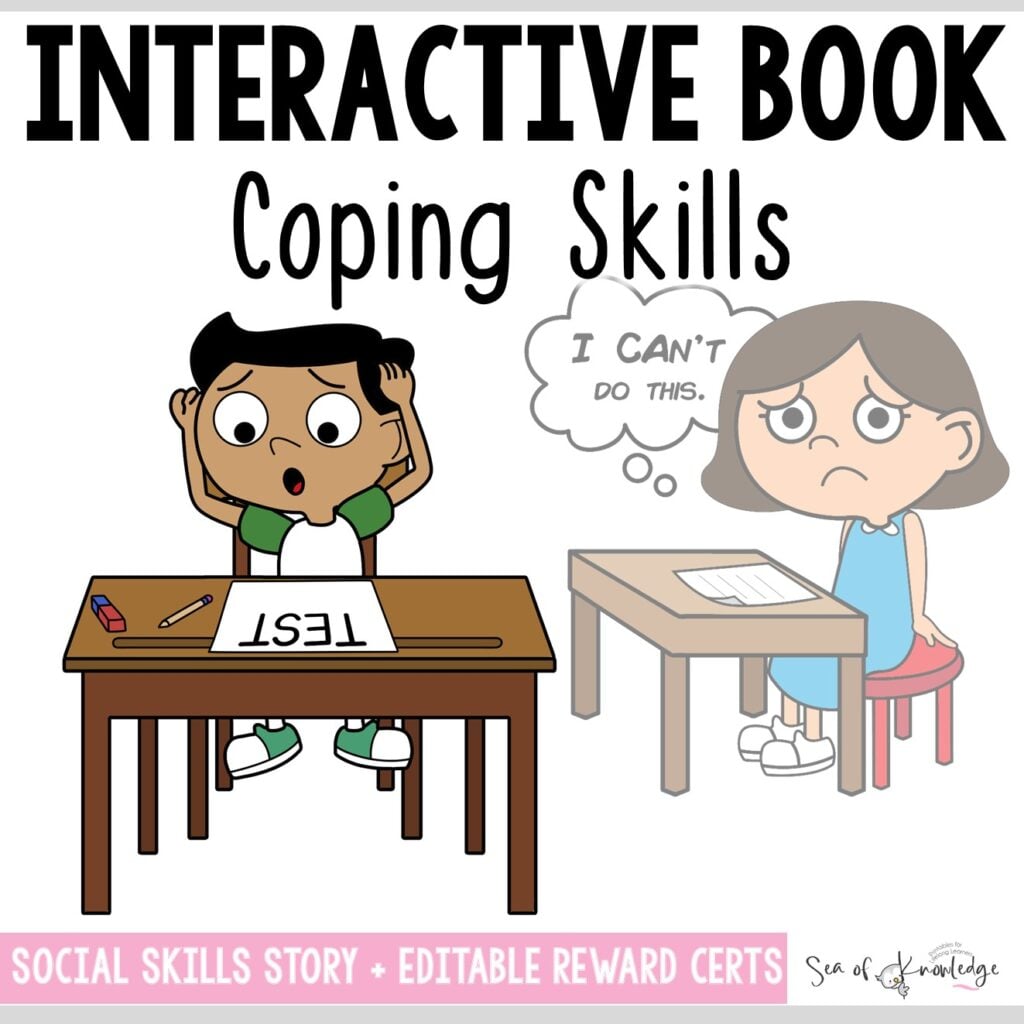
See the Coping Skills Editable Social Story here.
Free Coping Skills Infographic
To make practicing these strategies even easier, I’ve created a free coping skills infographic that you can display in your classroom, homeschool space, counseling office, or calm corner.
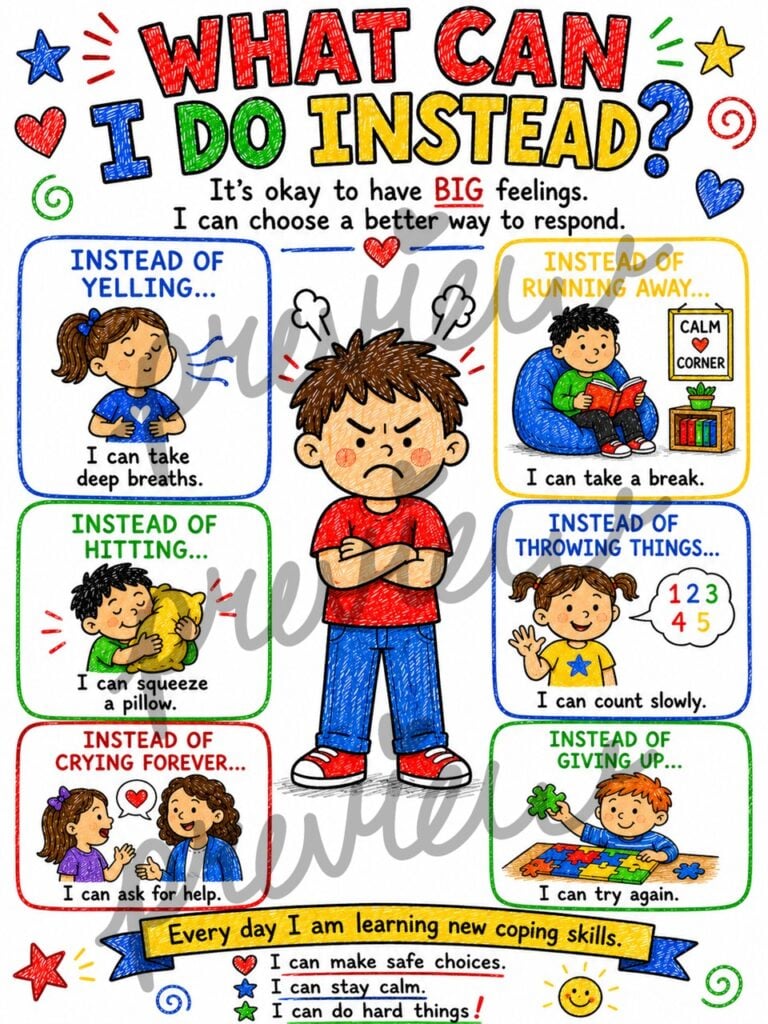
The poster uses simple “Instead of… I can…” examples to help children replace impulsive reactions with healthier choices. Rather than focusing on what children shouldn’t do, it teaches them what they can do instead.
Being teased can quickly lead to frustration or hurt feelings if children don’t know how to respond. My guide on when someone teases you offers practical strategies that pair perfectly with the coping skills taught in this social story.
Because the language is clear and the illustrations are easy to understand, it’s a helpful visual reminder that children can refer to throughout the day.
Grab your free printable coping skills infographic below!
Coping Skills Social Story Printable
If you’re looking for a more structured teaching tool, my printable coping skills social story walks children through common emotional situations using simple language and engaging illustrations.
The story helps children understand:
- What coping skills are
- Why everyone has big feelings
- Healthy choices they can make
- How to practice calming down
- Why it’s okay if one strategy doesn’t work the first time
This printable social story is ideal for parents, teachers, therapists, counselors, and intervention groups. It also works well alongside SEL activities, morning meetings, and emotional regulation activities.
If you’re after something a little different to read, you might enjoy my article about Michael Jackson Millennials, where I explore why his music continues to connect with younger generations and the lasting impact of his career.
Fun Ways to Practice Coping Skills
Reading a story is only the beginning. Children learn best when they have regular opportunities to practice.
Here are a few simple coping skills activities to try:
Act out different emotions and let children choose a coping skill that might help.
Practice taking deep breaths before class starts rather than waiting until children become upset.
Changes and transitions can bring up lots of big emotions for children. The Saying Goodbye to a Teacher Social Story supports children through classroom changes while reinforcing healthy coping strategies and emotional resilience.
Create a classroom calm corner filled with sensory tools, books, coloring pages, and calming visuals.
Play “What Can I Do Instead?” by describing situations and asking children to think of healthy responses.
Praise children whenever they successfully use a coping skill, even if they still needed a little help.
The more children practice while they’re calm, the easier it becomes to remember these strategies during challenging moments.

- Boost Independence & Basic Life Skills: Foster…
- Personalized designs protect children’s interests…
- Engaging Sensory Toys For Curious Minds: Toddlers…
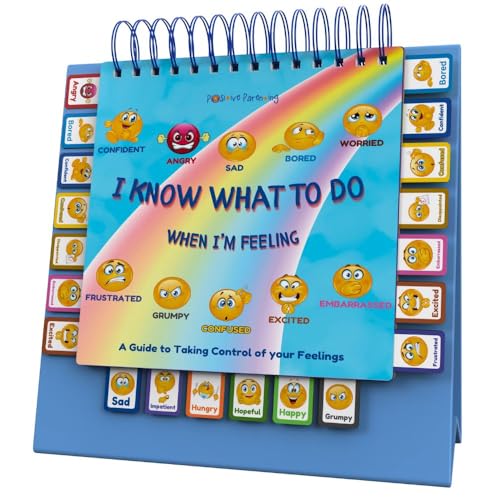
- Understand & Express Everyday Feelings: Visually…
- Enhance Coping with Emotions and Behavioral…
- Easy-to-Use Emotion Tabs for Guidance: Large…
- Engaging Learning Experience: Participants enjoy…
- Essential Life Skills Development: Children will…
- Multiplayer Format: Designed for 2-4 players to…
Coping skills aren’t just for school situations—they also help children learn kindness and self-control in everyday life. My Being Gentle with Pets Social Story teaches children how to interact safely and respectfully with animals using simple language and engaging illustrations.
Learning coping mechanisms takes time, patience, and lots of encouragement. Every child experiences frustration, disappointment, worry, or anger from time to time, but those feelings don’t have to control their actions.
Using a coping skills social story, along with visual reminders like a coping skills infographic, helps children understand that they always have choices. Whether they take a deep breath, ask for help, count slowly, or simply take a break, each healthy decision strengthens their social emotional learning skills and builds resilience for the future.
Feeling frustrated is one of the biggest triggers for emotional outbursts, making it the perfect companion resource to this article. My Frustrated Social Skills Story helps children recognize frustration and practice positive ways to calm down before reacting.
Support Big Feelings Here
Big feelings can feel overwhelming for kids and tweens, especially during friendships, school stress, anxiety, confidence struggles, and everyday growing up moments. That’s why I created this growing SEL & Coping Skills Workbook Series filled with calming activities, reflection prompts, movement breaks, coping tools, confidence building exercises, and creative emotional support activities designed to help kids feel safe, supported, and understood.
With regular practice, children discover something powerful: big feelings are normal, and they already have the tools they need to handle them.

![Beginner Sentence Worksheets for Building Simple Sentences [Core Vocabulary Reading and Comprehension]](https://www.seaofknowledge.org/wp-content/uploads/2026/08/Core-Word-Sentence-Starters-2.jpg)
![Sensory Activities for Dental Health [Cute Tooth Floss Game]](https://www.seaofknowledge.org/wp-content/uploads/2023/02/dental-health-circle-time-activities.jpg)