When Someone Teases You: 7 Simple Ways to Help Kids Build Confidence and Social Skills
Worried about teasing, bullying, or your child feeling left out? These free SEL posters and anti-bullying activities teach kids exactly what to do when someone teases you, build confidence, and strengthen friendship skills before problems get worse.
If you’ve ever watched a child come home upset because someone made fun of them, you know how heartbreaking it can be. Learning what to do when someone teases you is an important social skill that helps children build confidence, resilience, and healthy friendships.
The good news is that teasing situations can become powerful learning opportunities. With visual supports, role-playing, classroom discussions, and anti-bullying activities, children can learn practical ways to respond calmly and confidently.
Support Big Feelings Here
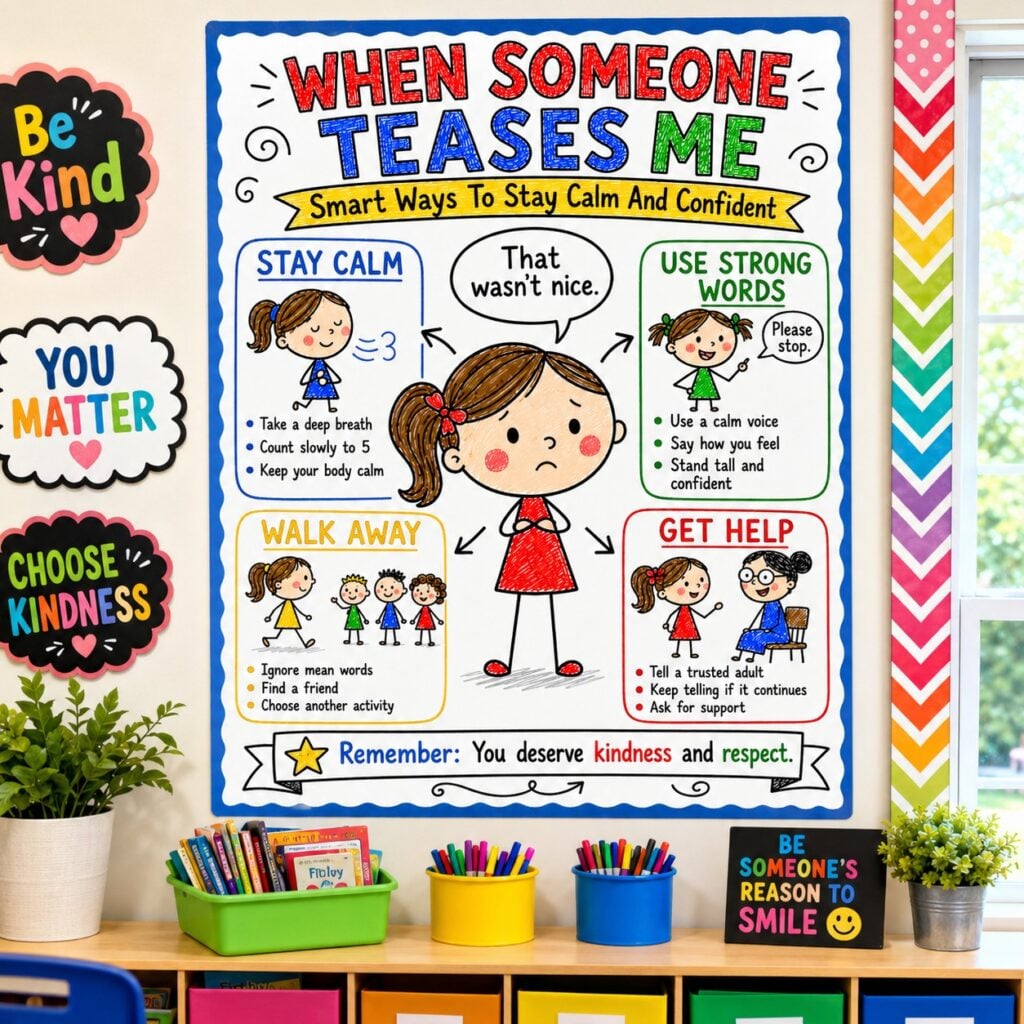
Big feelings can feel overwhelming for kids and tweens, especially during friendships, school stress, anxiety, confidence struggles, and everyday growing up moments. That’s why I created this growing SEL & Coping Skills Workbook Series filled with calming activities, reflection prompts, movement breaks, coping tools, confidence building exercises, and creative emotional support activities designed to help kids feel safe, supported, and understood.
The two SEL posters below help children understand how to handle teasing and feelings of exclusion while developing positive social skills.
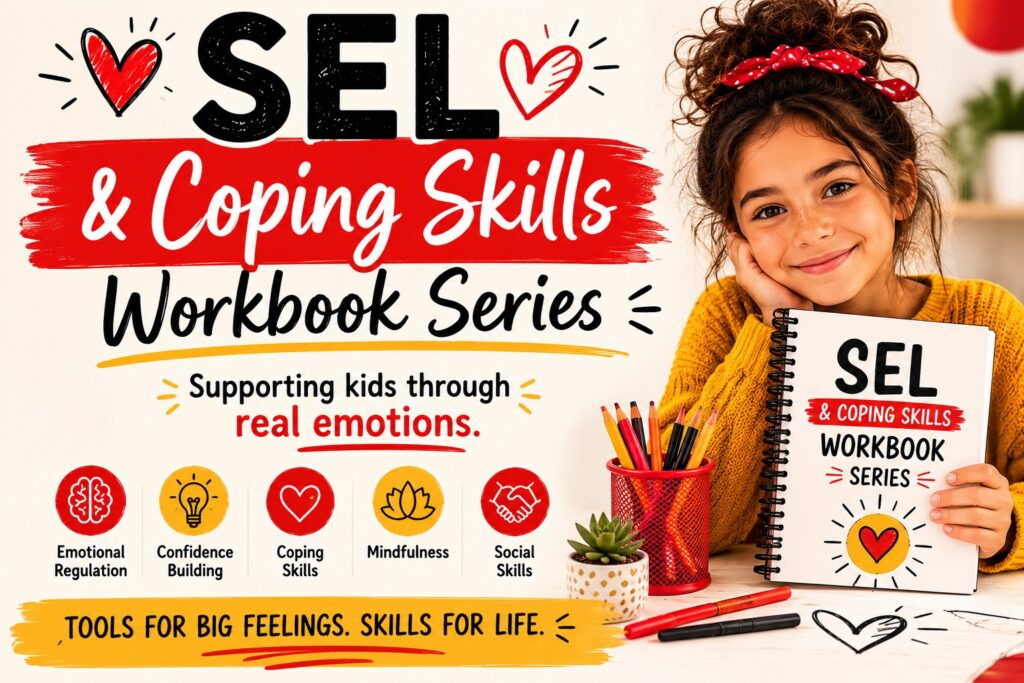
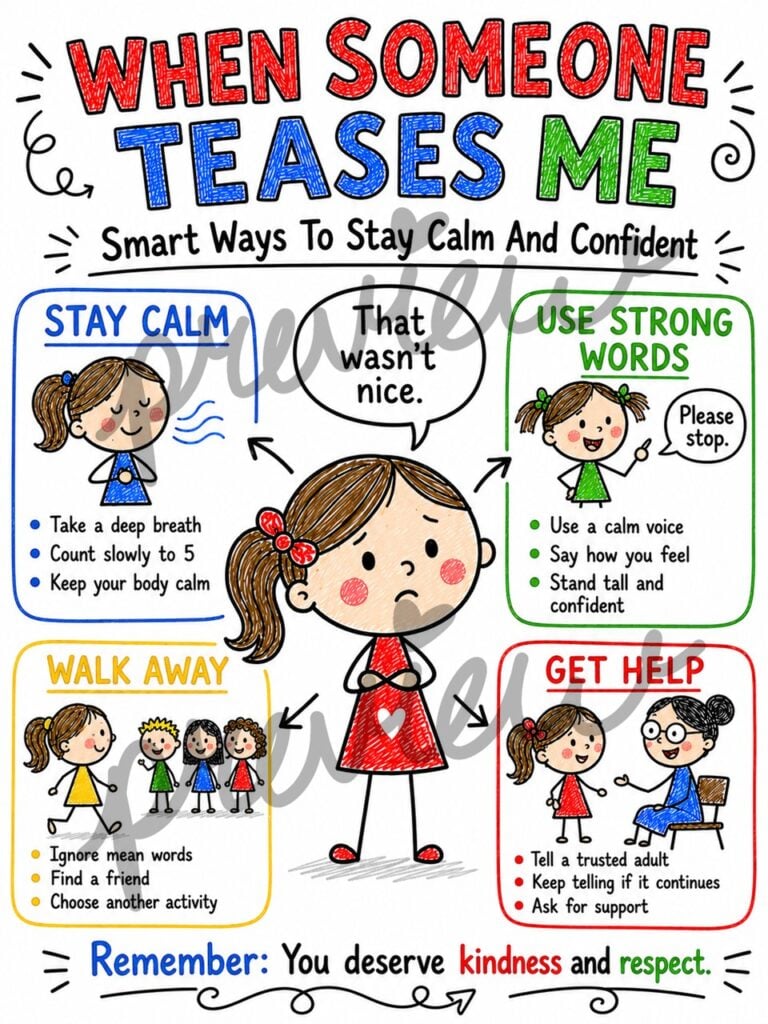
When Someone Teases Me Poster
Our “When Someone Teases Me” poster provides children with simple and realistic strategies they can use when someone says something hurtful.
The poster teaches children to:
- Stay calm
- Use strong words
- Walk away
- Get help from a trusted adult
Many children immediately want to react emotionally when they are teased. By reviewing this poster regularly, students learn that they have choices. During class discussions, ask students to role-play different teasing situations and practice the responses shown on the poster.
You can also create simple scenarios such as:
- Someone laughs at your drawing.
- Someone makes fun of your clothes.
- Someone calls you a name.
Invite students to point to the strategy they would use in each situation. This helps children transfer the skills from the poster into real-life interactions.
What To Do When I Feel Left Out Poster
Feeling left out is something every child experiences at some point. Whether it happens during recess, group work, or classroom games, children often need support learning how to navigate these situations.
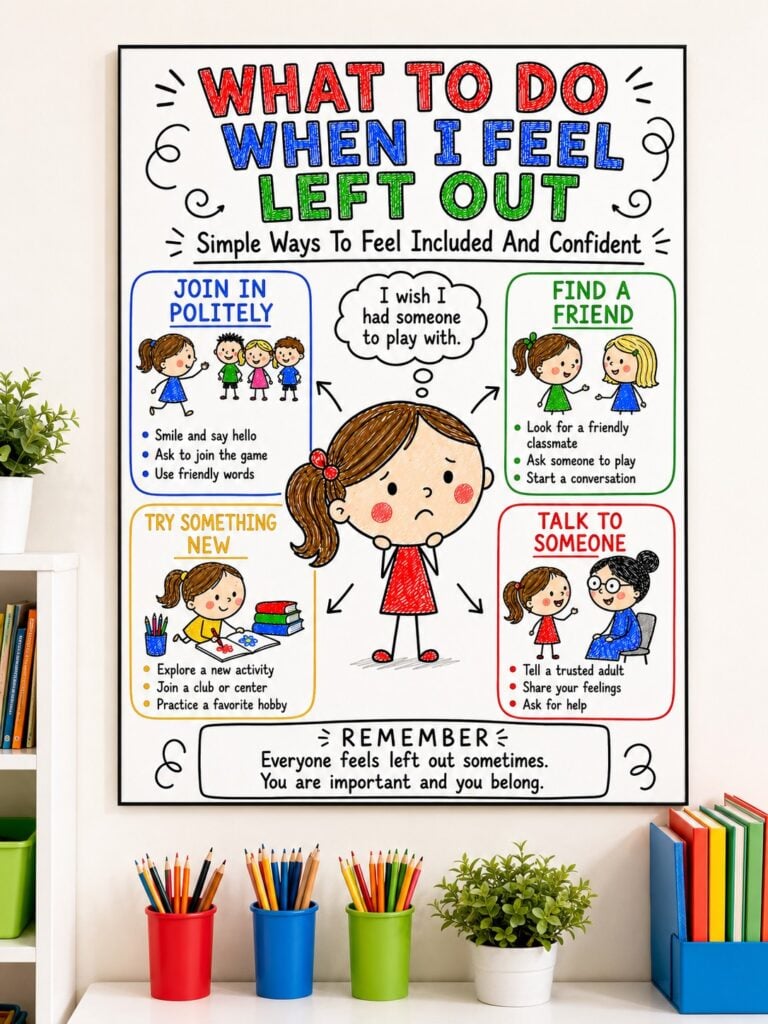
The “What To Do When I Feel Left Out” poster teaches children to:
- Join in politely
- Find a friend
- Try something new
- Talk to someone
One effective activity is to discuss times students have felt left out and brainstorm solutions together. Encourage children to identify which strategy from the poster might help in different situations.
For example:
- What if your friends are already playing a game?
- What if nobody chooses you for a group?
- What if you’re nervous about asking someone to play?
These discussions help normalize feelings of exclusion while giving children practical tools to build friendships and confidence.
#1 Types of Bullying Infographic
Before children can respond appropriately, they need to understand the difference between teasing, conflict, and bullying. This free Types of Bullying Infographic helps students recognize physical, verbal, social, and cyberbullying in age-appropriate language.
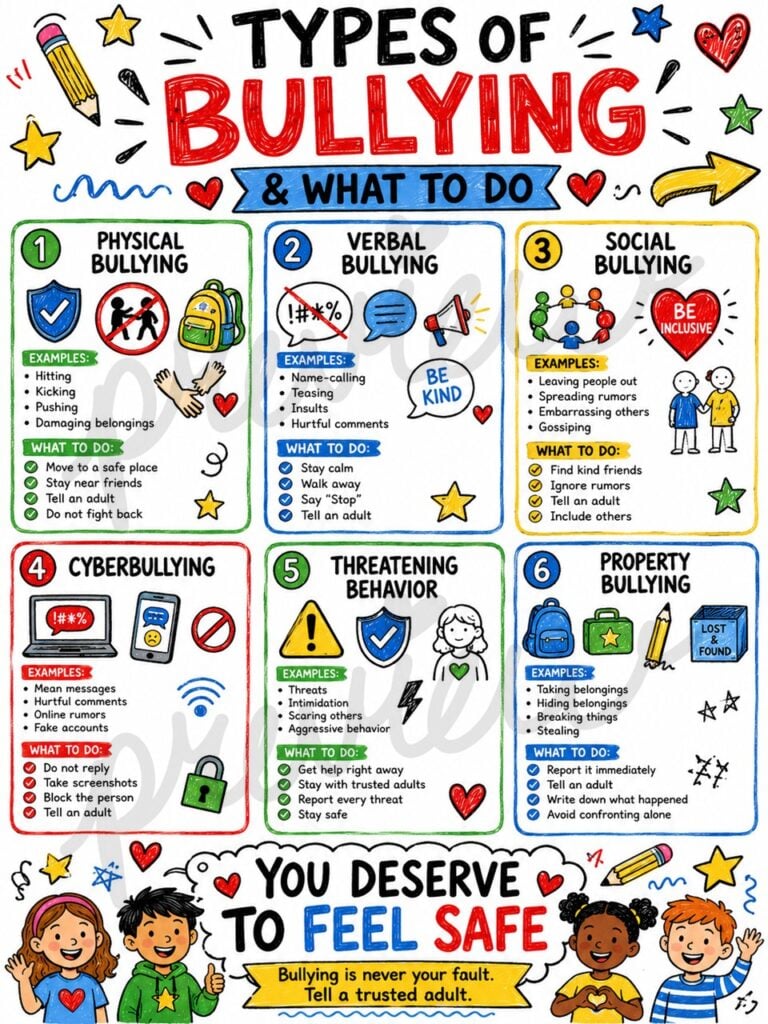
Spend time discussing each type of bullying and encourage students to share examples they may have seen in books, movies, or real life. Children often assume all disagreements are bullying, so these visual examples help clarify the differences. Pair the infographic with classroom discussions about empathy, respect, and safe choices. Understanding bullying behaviors is often the first step in helping children learn what to do when someone teases you or repeatedly targets others.
#2 Anti-Bullying Songs for Kids
Music can be a powerful way to reinforce social-emotional learning concepts. These Anti-Bullying Songs for Kids help children remember important messages about kindness, inclusion, friendship, and standing up for others.

Songs are especially effective for younger learners because they make difficult topics easier to understand and remember. Play a song during morning meetings, counseling lessons, or SEL centers and discuss the lyrics afterward.
Ask students what message the song teaches and how they can apply it during recess or classroom interactions. Music provides a non-threatening way to start important conversations about teasing and bullying.
#3 Recess and Play Rules Guide
Many teasing situations occur during unstructured playtime. The activities found in The Recess Queen Worksheets help children understand playground expectations, friendship skills, inclusion, and fair play.

Use these worksheets before recess or during SEL lessons to teach children how to invite others into games, solve conflicts respectfully, and use kind words. Role-playing recess situations can help students practice social skills before problems occur.
When children understand playground expectations, they are often better prepared to handle teasing, disagreements, and feelings of being left out.
#4 Tattling vs Telling
One challenge many children face is knowing when they should report a problem. The Tattling vs Telling activity helps students understand the difference between trying to get someone in trouble and seeking help to stay safe.
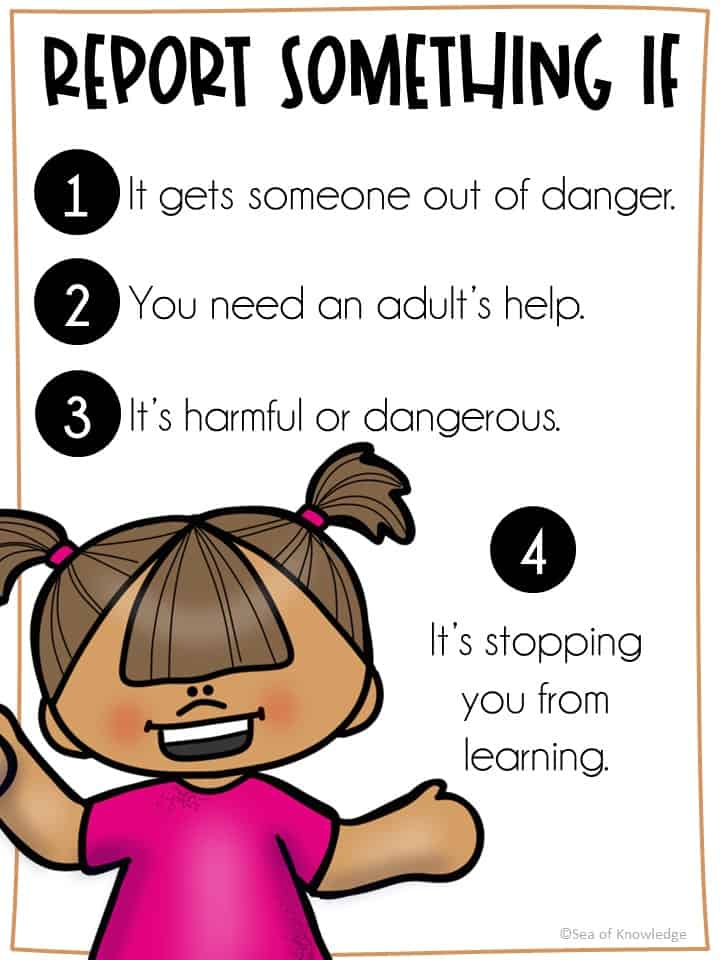
This lesson pairs perfectly with the “When Someone Teases Me” poster. Students learn that minor disagreements can often be solved independently, while repeated teasing, bullying, or unsafe situations should be reported to a trusted adult.
Understanding this distinction helps children develop confidence, problem-solving skills, and appropriate help-seeking behaviors.
#5 Free Bullying Prevention Bookmarks
Sometimes small reminders make a big difference. These free Bullying Prevention Bookmarks provide students with positive messages they can keep in their desks, folders, or books.
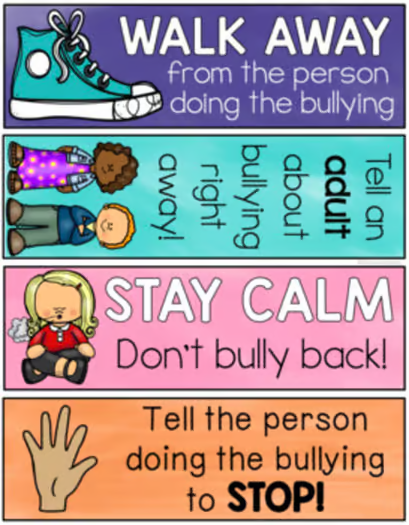
Bookmarks can serve as daily reminders about kindness, friendship, empathy, and respectful behavior. They also make excellent take-home resources for families.
Encourage students to color and personalize their bookmarks while discussing the anti-bullying messages featured on them. These simple tools reinforce classroom discussions long after the lesson has ended.
#6 Teasing and Feeling Left Out
You can also grab these two free SEL posters to use with this lesson. The When Someone Teases Me poster gives kids simple steps for what to do when someone teases you, including staying calm, using strong words, walking away, and getting help.
Please note: These infographic posters are offered as free downloads for a limited time. If you don’t see a particular poster in the free folder, it has likely been moved into the premium bundle. Be sure to sign up and download the latest freebies while they’re still available, as new posters are regularly added to the bundle.
The What To Do When I Feel Left Out poster helps children practice joining in politely, finding a friend, trying something new, and talking to a trusted adult.
Perfect for classrooms, counseling offices, homeschool lessons, and social-emotional learning activities. 💙💛💚❤️
Print them for your classroom wall, calm-down corner, school counseling space, or small group SEL lessons. They’re quick visual reminders kids can actually understand — no long lecture required, because nobody has time for a TED Talk during recess drama.
Support Big Feelings Here
Big feelings can feel overwhelming for kids and tweens, especially during friendships, school stress, anxiety, confidence struggles, and everyday growing up moments. That’s why I created this growing SEL & Coping Skills Workbook Series filled with calming activities, reflection prompts, movement breaks, coping tools, confidence building exercises, and creative emotional support activities designed to help kids feel safe, supported, and understood.
Learning what to do when someone teases you is a skill that develops over time. By combining visual supports, classroom discussions, role-playing, and engaging anti-bullying activities, children can build the confidence they need to respond appropriately and seek help when necessary.
The “When Someone Teases Me” and “What To Do When I Feel Left Out” posters provide simple strategies children can remember and use throughout the school year.
Pair them with the activities above to create meaningful conversations about kindness, inclusion, friendship, and resilience.


![Fixed vs Growth Mindset Infographics Change Everything [Most Kids Stay Stuck in a Fixed Mindset…]](https://www.seaofknowledge.org/wp-content/uploads/2026/07/fixed-v-growth-mindset-infographic.jpg)

![Rudolph the Red Nosed Reindeer Craft [Name and Social Skills]](https://www.seaofknowledge.org/wp-content/uploads/2022/11/celebrating-our-differences-activities-for-kids.jpg)
![Christmas Name Tracing Craft [Character Education]](https://www.seaofknowledge.org/wp-content/uploads/2022/12/Christmas-Name-Tracing-Craft.jpg)