My Child Knows Letter Sounds But Can’t Blend Words: How to Blend Letter Sounds for Reading Success
Your child knows letter sounds but still can't read? Discover the missing reading skill that may be holding them back. Learn how to teach blending sounds fast with free printable activities and beginner phonics resources.
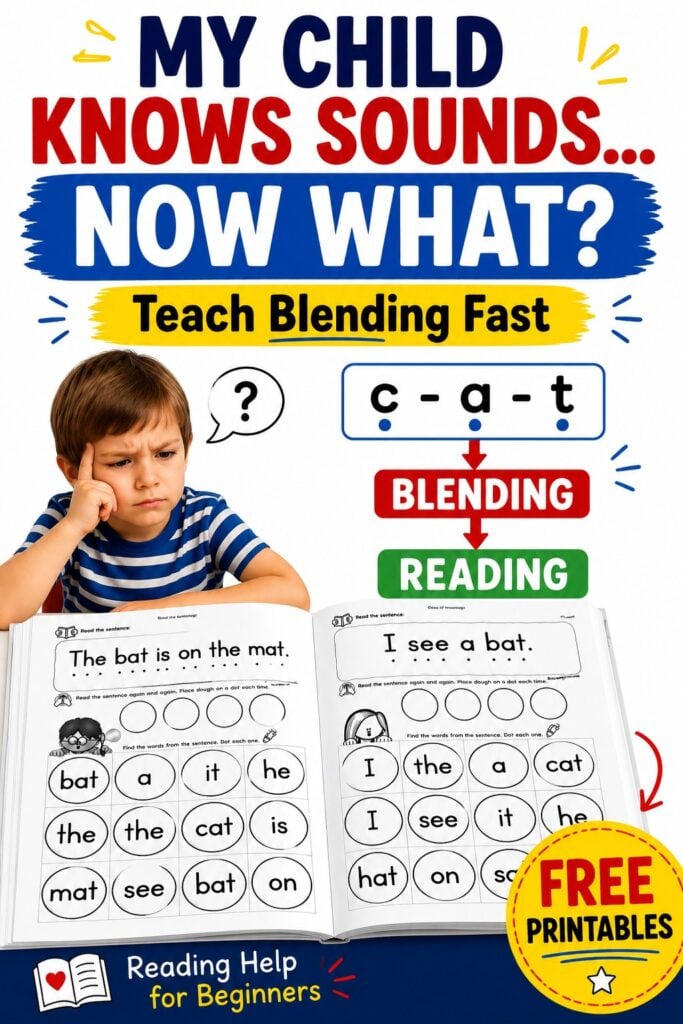
Your child can sing the alphabet, identify letter sounds, and even point out letters in books. Yet when it’s time to read a simple word like cat, dog, or sun, they suddenly freeze.
If your child is learning to blend sounds, providing plenty of opportunities to practice reading simple words can make a huge difference. These fun CVC practice reading activities help children strengthen decoding skills while building confidence with short vowel words. They are a great next step once children begin blending individual sounds together.
If this sounds familiar, you’re not alone.
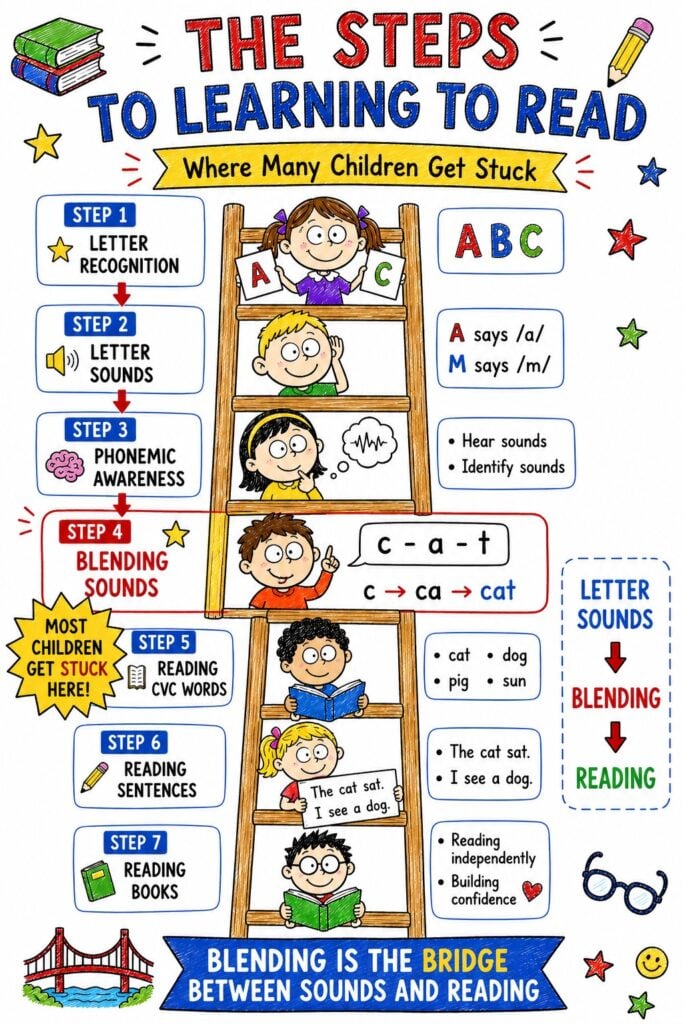
Many children learn individual letter sounds long before they learn how to blend those sounds together into words. Blending is one of the most important early reading skills because it helps children move from knowing sounds to actually reading.
In this guide, you’ll learn why blending can be difficult, common mistakes parents make, simple oral blending games to try at home, and some fun printable activities that can help your child build confidence with short vowel words.
What Does It Mean to Blend Letter Sounds?
Blending is the process of putting individual sounds together to read a word.
For example:
c – a – t = cat
d – o – g = dog
h – e – n = hen
Instead of saying each sound separately, children learn to smoothly slide the sounds together until they hear the whole word.
This skill is often called decoding and it is one of the foundations of learning to read.
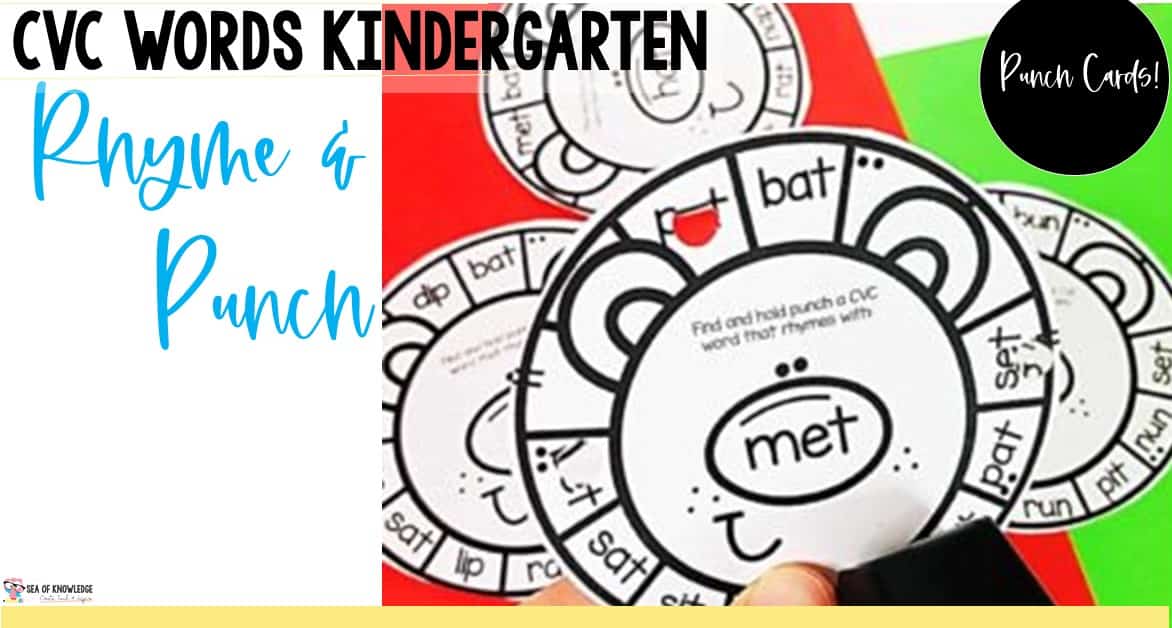
Many children need repeated exposure to the same vowel patterns before blending becomes automatic. These engaging short vowel games printable activities make phonics practice feel like play while reinforcing important reading skills. Games can be especially helpful for reluctant readers who need extra motivation.
Why Some Children Know Letter Sounds But Can’t Read Words
Many children can quickly tell you:
B says /b/
M says /m/
S says /s/
But blending requires an additional skill.
Children must:
- Remember all three sounds
- Hold the sounds in working memory
- Slide the sounds together
- Recognize the spoken word they created
This can feel like a huge leap for beginning readers.
Short vowel sounds are often especially tricky because children frequently confuse:
- a and e
- i and e
- o and u
This is why lots of practice with simple CVC words is so important.
One of the best ways to strengthen blending is by reading simple decodable text. These CVC short vowel decodable sentences worksheets give children the chance to practice sounding out words in meaningful sentences. This helps bridge the gap between isolated phonics practice and real reading.
Common Blending Mistakes Parents Often See
Adding Extra Sounds
Many children say:
buh-a-tuh
instead of
b-a-t
Extra sounds make blending much harder.
Guessing Words
Some children look at the first letter and guess.
For example:
cat becomes car
dog becomes dig
Encourage sounding out every sound.
Reading Too Fast
Children sometimes rush through words before they are ready.
Slow, accurate blending is more important than speed.
Mixing Up Short Vowels
Words such as:
- pin
- pen
- pan
can be confusing without focused practice.
Once children can blend simple words, decodable books provide valuable fluency practice. These CVC decodable readers phonics books for kindergarten allow young readers to apply their blending skills in connected text while experiencing success with books they can actually read.
Oral Blending Games You Can Play Anywhere
Before reading on paper, many children benefit from practicing blending with listening games.
Robot Talk
Speak like a robot:
“I see a c-a-t.”
Ask your child:
“What word did I say?”
Mystery Word Game
Give the sounds slowly:
“s-u-n”
Have your child guess the word.
Sound Stretching
Stretch the word:
“mmmaaat”
Then ask:
“What word do you hear?”
These games strengthen phonemic awareness and prepare children for reading print.
Some children benefit from quick daily review activities that focus on automatic word recognition. These CVC blending flashcards provide an easy way to practice blending sounds and decoding simple words in just a few minutes each day. They work well as a warm-up before reading practice.
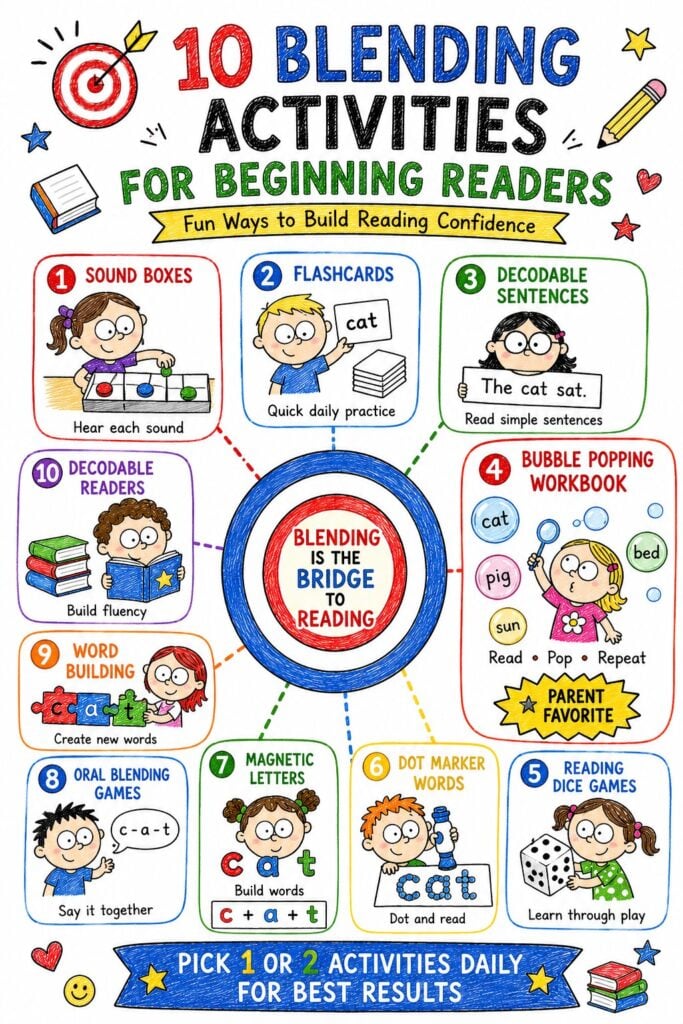
How to Blend Letter Sounds for Reading Success
There are so many ways to help kids start to recognise letter sounds and blend them, there is nothing better than real, hands-on practice!
Before children are ready to read sentences, they often need practice hearing, segmenting, and blending simple words. These preschool CVC words worksheets introduce beginning readers to common short vowel patterns while developing foundational phonics skills. They are especially useful for younger learners who are just starting their reading journey.
#1 Start With Free CVC Short Vowel Decodable Sentences
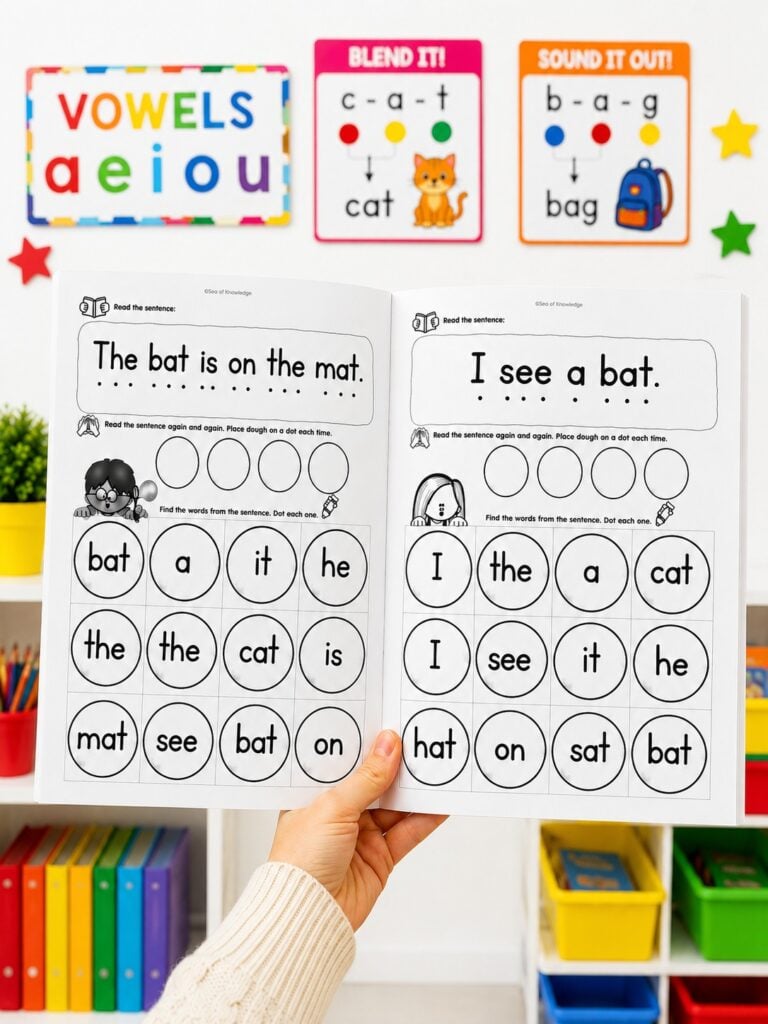
If your child knows letter sounds but still can’t blend CVC words, start with simple decodable sentences. These give kids short vowel practice in a way that feels manageable, not overwhelming.
You can grab the free printable inside this CVC short vowel decodable sentences worksheets post and use it as a gentle starting point before moving into longer reading practice.
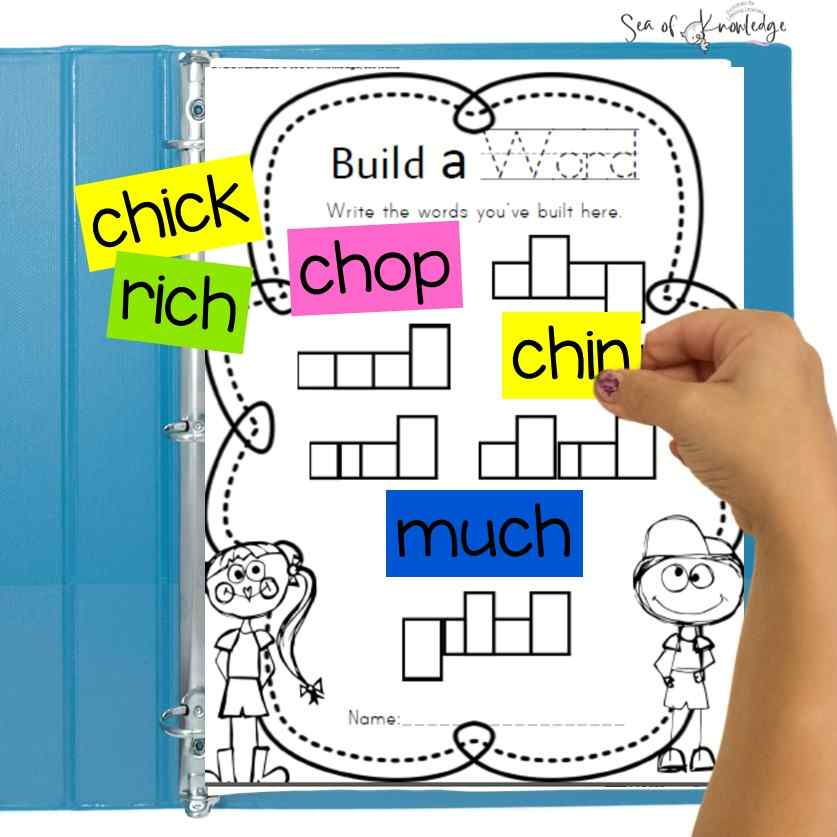
Hands-on phonics activities can help make blending less overwhelming for struggling readers. These CVC activity sheets provide engaging opportunities to practice decoding, word recognition, and short vowel sounds. The variety helps keep children interested while building important reading skills.
#2 Use Phoneme Sound Boxes for Blending and Segmenting
Sound boxes are perfect for helping kids slow down and hear each sound in a word. Instead of guessing, they tap or map each sound before blending it together.
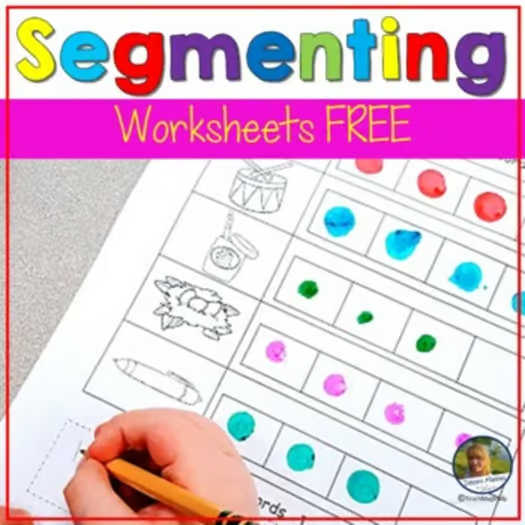
These Blending Segmenting Phonemic Segmentation Worksheets Phoneme Sound Boxes are a helpful freebie for building phonemic awareness and early decoding skills.
Adding games to phonics instruction can make practice feel much more exciting. This CVC worksheet reading dice game encourages children to blend and read simple words through interactive play. It’s a fun way to reinforce decoding skills while reducing reading frustration.
#3 Try a Short Vowel Blending Game
Some kids need movement and play before blending finally “clicks.” A simple game can make short vowel practice feel less like reading work and more like a quick challenge.
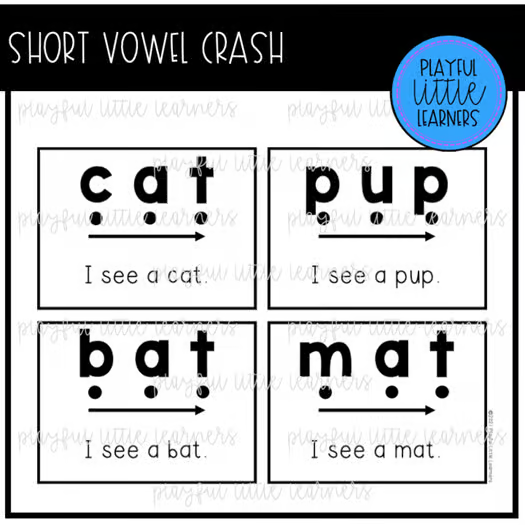
This Short Vowel Crash blending sounds game gives kids extra practice with CVC words in a fun, hands-on way.
#4 Add Dot Marker Segment and Blend Practice
Dot marker pages are great because they mix fine motor practice with phonics. Kids can dot the sounds, say each phoneme, and then blend the word together.
These Dot the Sounds CVC segment and blend worksheets are another easy way to support kids who need repeated short vowel practice without the “not another worksheet” drama.
Bubble Popping Short Vowel Workbook Series
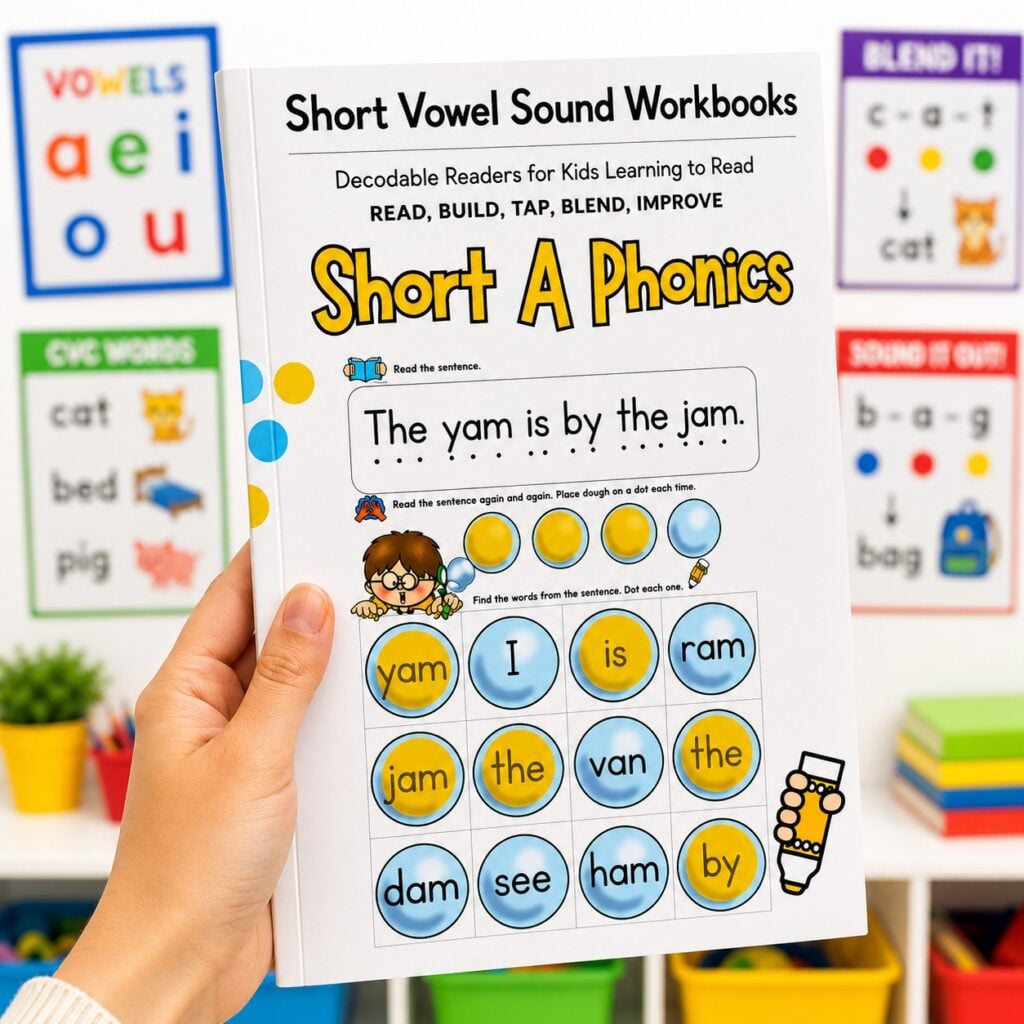
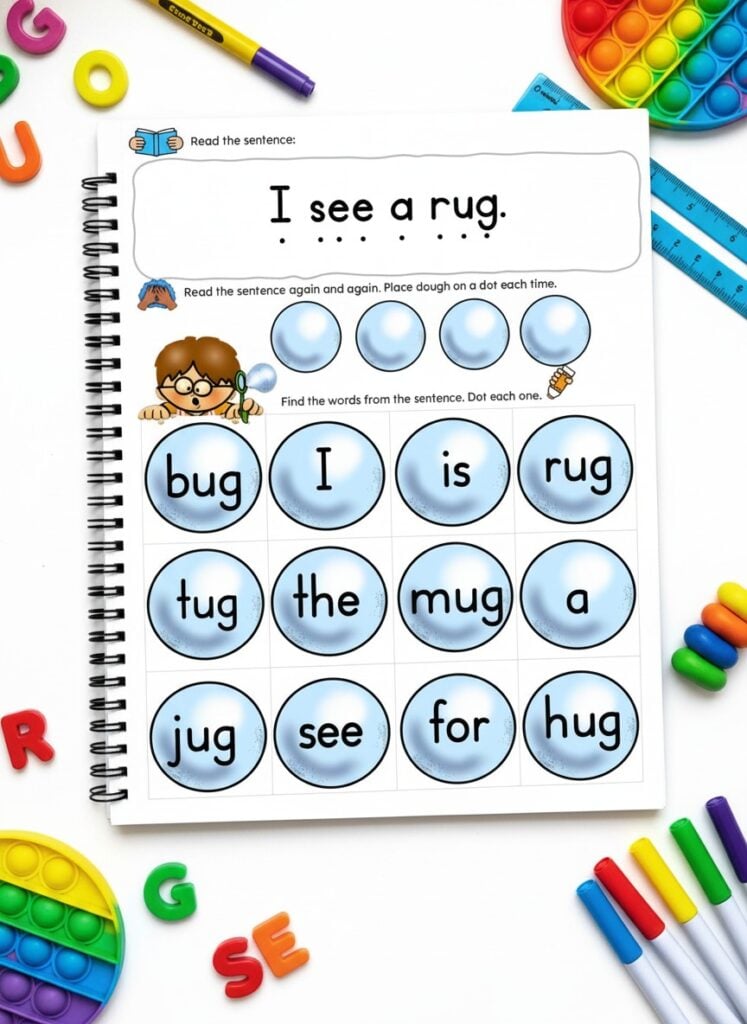
For extra structured practice, the Bubble Popping Short Vowel Reading Workbook Series gives kids a fun way to practice short vowel sounds, CVC words, and decodable sentences. The bubble popping format adds a sensory-style learning element while still targeting evidence-based decoding practice. It’s ideal for parents who want short, focused phonics practice that feels playful but still builds real reading skills.
Learning how to blend letter sounds is often the missing step between knowing the alphabet and actually reading.
If your child knows letter sounds but struggles to read simple words, don’t panic. This is a common stage in learning to read.
With consistent practice, oral blending games, decodable reading opportunities, and engaging short vowel activities, children can develop the decoding skills needed to become confident readers.
Start with the free decodable sentence printable, add a few hands-on blending activities, and gradually build toward independent reading success.