How to Talk to Kindergarteners About Bullying (Without Scaring Them)
Worried your child is being bullied? Learn how to talk to kindergarteners about bullying, teach empathy, and grab free anti-bullying activities and workbook pages.
Talking to young children about bullying can feel overwhelming. Many parents and teachers worry that they might say the wrong thing, introduce the topic too early, or accidentally make children feel anxious about going to school.
This super fun Search and Find Anti Bullying Workbook is the perfect way to get kids visualizing what ‘kind’ and ‘unkind’ actions are.
Teaching children how to be kind, respectful, and inclusive takes ongoing practice. These free ideas for teaching social skills can help kindergarteners learn how to communicate, cooperate, share, and build positive friendships both inside and outside the classroom.
The good news is that kindergarten is actually one of the best times to begin teaching children about kindness, friendship, empathy, and standing up for others. Young children are still developing social skills and learning how to interact with peers. When we introduce these lessons early, we can help children build positive habits that last for years.
The key is to keep conversations simple, age-appropriate, and focused on solutions rather than fear.
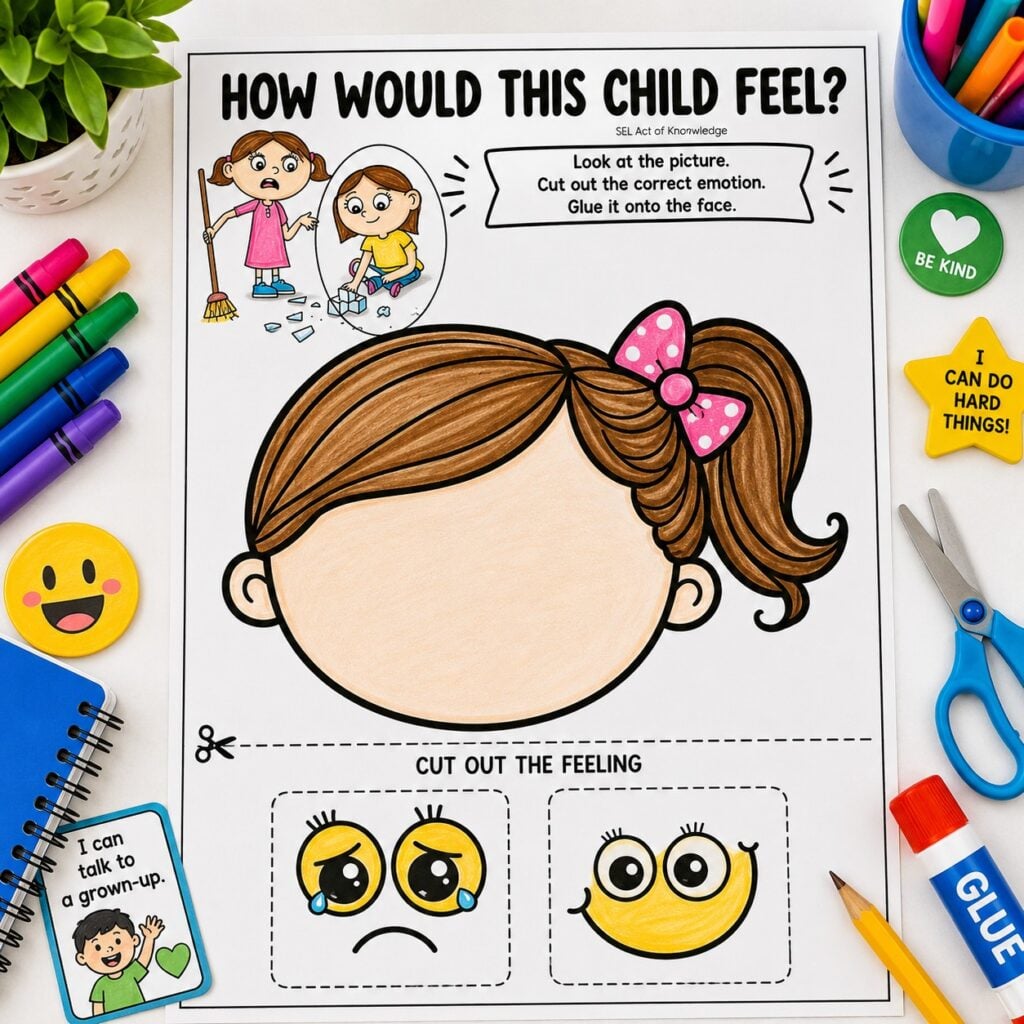
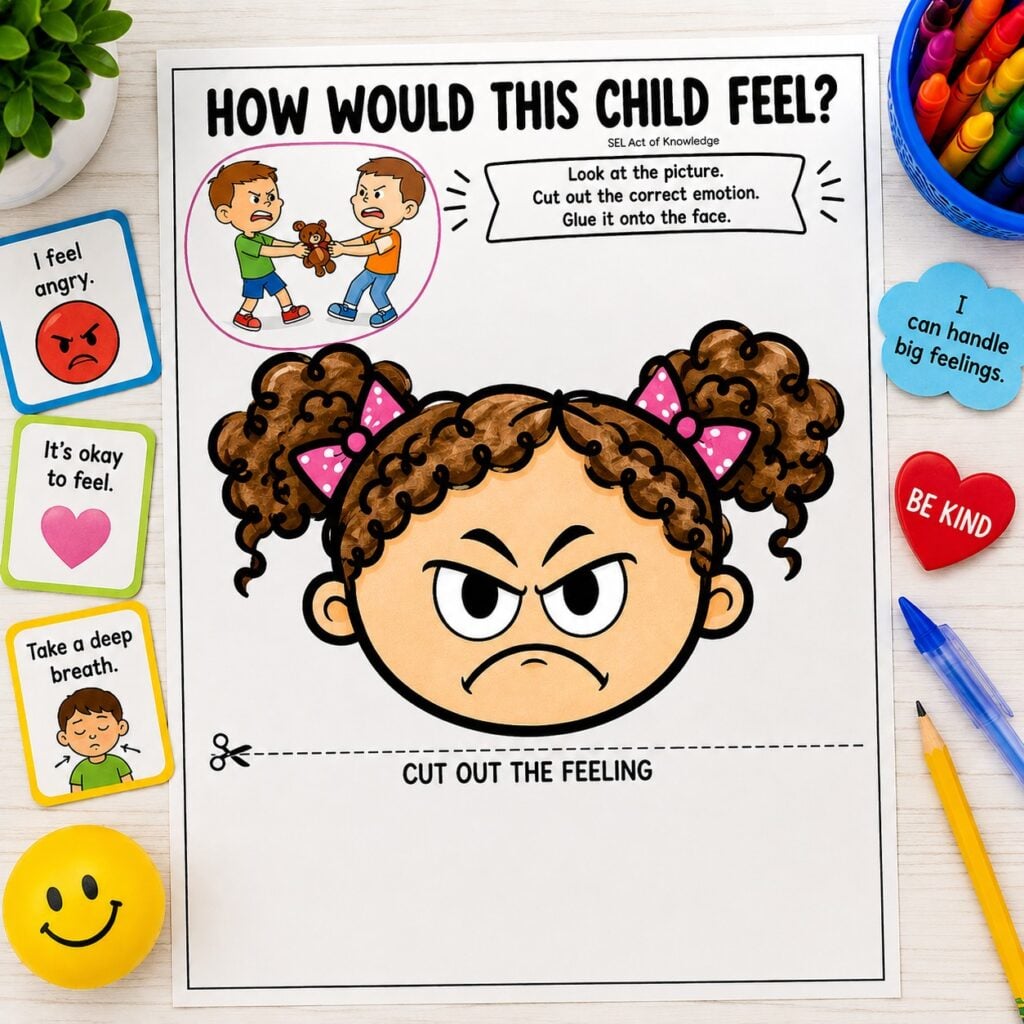
In this article, you’ll learn how to talk to kindergarteners about bullying, what warning signs to look for, how to teach empathy, and several engaging anti-bullying activities that help reinforce these important lessons.
Plus, be sure to grab the FREE sample pages from our Anti-Bullying Printable I Spy Workbook at the end of this article.
Many young children struggle to know how to respond when someone says something hurtful. These strategies for when someone teases you can help children develop confidence, use strong words, and learn appropriate ways to seek support from trusted adults when needed.
Why Kindergarten Is the Perfect Time to Talk About Bullying
Many adults assume bullying discussions should wait until children are older. However, many social behaviors that eventually become bullying often begin in the early elementary years.
Social stories can be a powerful tool for teaching expected behaviors and helping children understand social situations. This keeping my clothes on social skills story provides a structured way to teach personal boundaries, body awareness, and appropriate social expectations.
Kindergarteners are learning how to:
- Make friends
- Join group activities
- Solve disagreements
- Share materials
- Take turns
- Manage emotions
At this age, children are also beginning to understand how their actions affect others.
Simple conversations about kindness and inclusion can help children recognize behaviors such as:
- Leaving someone out
- Repeated teasing
- Name-calling
- Refusing to let someone join a game
- Laughing at another child
These discussions do not need to be scary or complicated. Instead, focus on helping children recognize kind choices and understand how their actions impact others.
What Bullying Looks Like to a Kindergartener
One of the most important things adults can teach is the difference between everyday conflicts and bullying.
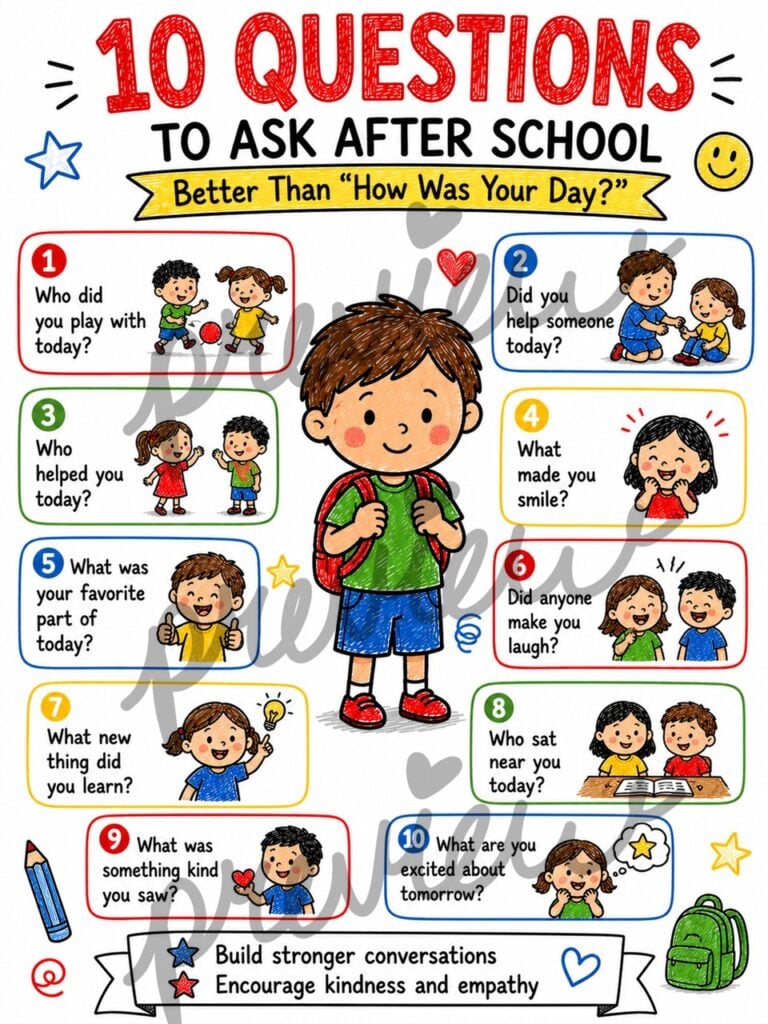
Many young children use the word “bullying” whenever someone hurts their feelings, but not every disagreement is bullying.
Small acts of kindness can make a big difference in helping children build empathy and positive friendships. This free kindness calendar for kids gives families and teachers simple daily ideas that encourage kindness, inclusion, and caring behavior throughout the month.
Being Mean Once
A child says something unkind or makes a poor choice.
Example:
A student says, “I don’t want to play with you today.”
While hurtful, this may be a one-time event rather than bullying.
Conflict
Both children disagree about something.
Example:
Two students want the same toy and argue over whose turn it is.
Conflicts are a normal part of childhood and provide opportunities for problem-solving.
Bullying
Bullying happens when someone repeatedly hurts, excludes, or targets another person on purpose.
Examples include:
- Repeated teasing
- Constant exclusion
- Ongoing name-calling
- Intentionally making someone feel sad or afraid
Using simple examples helps kindergarteners understand the difference.
5 Simple Ways to Talk to Kindergarteners About Bullying
1. Keep the Language Simple
Young children do not need complicated definitions.
Try saying:
“Bullying is when someone keeps being unkind to another person over and over again.”
Simple explanations are often the most effective.
2. Use Stories and Picture Books
Children naturally connect with stories.
Reading books about kindness, friendship, and inclusion allows children to explore difficult topics in a safe and supportive way.
Later in this article, you’ll find several picture books that are excellent for bullying prevention discussions.
3. Use Real-Life Scenarios
Young children learn best through examples.
Ask questions like:
- What would you do if someone was sitting alone?
- What if you saw someone being left out?
- How could you help a friend who feels sad?
Role-playing helps children practice responses before they encounter similar situations in real life.
4. Focus on Being a Helper
Children should know that they are never expected to solve bullying on their own.
Teach children to:
- Tell a trusted adult
- Help include others
- Use kind words
- Walk away from unsafe situations
Helping children identify trusted adults builds confidence and safety awareness.
5. Continue the Conversation
One discussion is not enough.
Short conversations throughout the year help reinforce positive social skills and allow children to ask questions as new situations arise.
Bullying prevention works best when kindness becomes part of everyday classroom and family conversations.
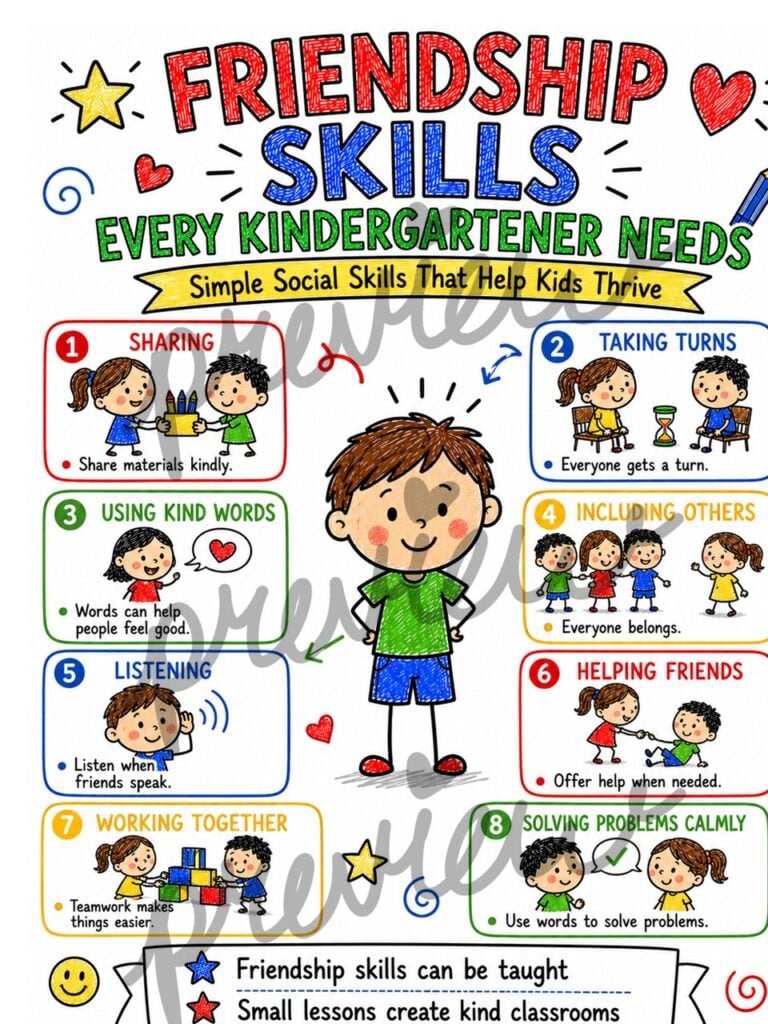
Respect is one of the most important skills children can learn during the early years. These activities for respecting others social skills help children understand personal space, listening skills, kindness, and how their actions affect others.
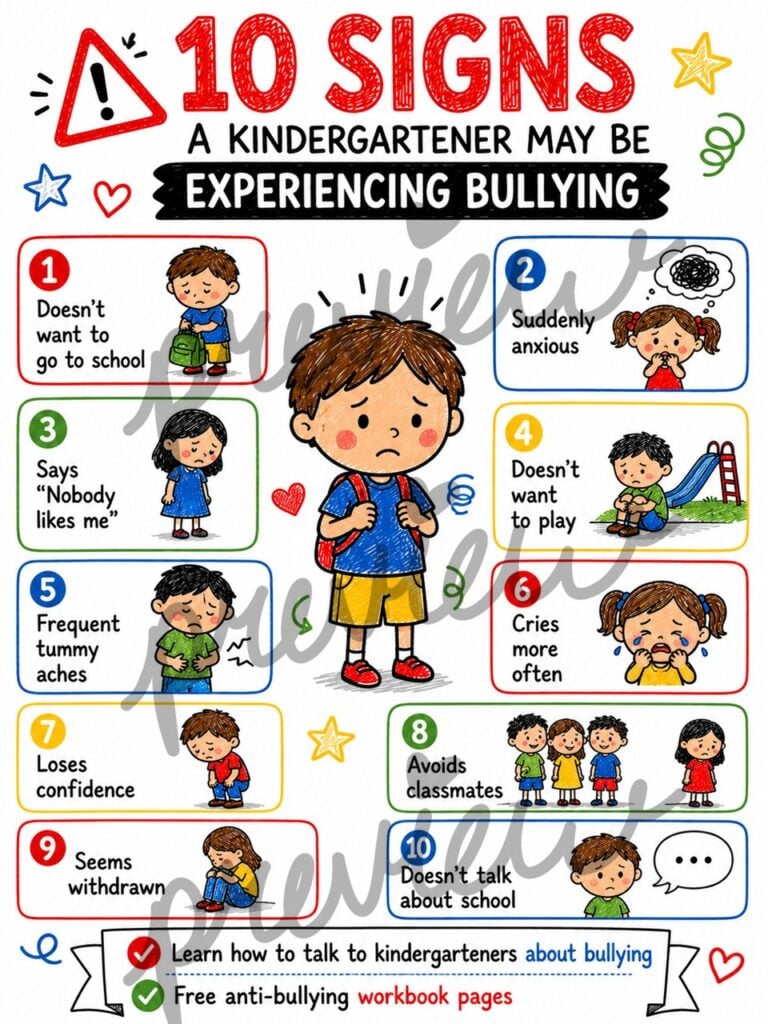
Signs a Kindergartener May Be Experiencing Bullying
Young children often struggle to explain social problems directly. Instead, they may communicate through changes in behavior.
Some warning signs include:
Avoiding School
A child may suddenly complain about stomach aches, headaches, or ask to stay home more often.
Increased Anxiety
Some children become nervous during drop-off or seem unusually worried about school.
Changes in Mood
Frequent sadness, frustration, crying, or emotional outbursts may indicate that something is bothering them.
Loss of Confidence
You may hear comments such as:
- “Nobody likes me.”
- “I don’t have any friends.”
- “Everyone is mean to me.”
Social Withdrawal
Children may avoid recess, group activities, or invitations to play with peers.
While these signs do not automatically mean bullying is occurring, they can signal that a child needs additional support and conversation.
Sometimes children experience worries, fears, or overwhelming emotions that make social situations more difficult. This anxiety social story helps children recognize anxious feelings while learning simple coping strategies they can use at school and at home.
Use Interactive Activities Instead of Long Lectures
Most kindergarteners learn best through hands-on experiences.
Instead of long discussions, try using:
- Picture books
- Games
- Role-play
- Visual prompts
- Discussion cards
- Search-and-find activities
Interactive learning allows children to practice social skills in a way that feels engaging and memorable.
One of our favorite tools for introducing bullying prevention concepts is our Anti-Bullying Printable I Spy Workbook.
Children often benefit from repeated opportunities to practice social situations in a structured way. These social skills worksheets for autism PDF provide additional support for teaching conversations, friendship skills, emotions, perspective taking, and everyday social interactions.
Free Anti-Bullying Printable I Spy Workbook
Our Anti-Bullying Printable I Spy Workbook was designed specifically to help young children explore friendship, kindness, empathy, and bullying prevention through visual learning.
Rather than simply talking about bullying, children actively search for clues, discuss situations, and practice problem-solving skills.
The workbook contains:
- 20 Anti-Bullying I Spy scenes
- 20 discussion and scenario pages
- Friendship challenges
- Kindness discussions
- Bullying prevention prompts
- Social-emotional learning opportunities
These activities work well for:
- Kindergarten
- First Grade
- Small groups
- School counseling
- Social skills lessons
- Homeschool settings
Skills Children Practice
Through the workbook, children learn how to:
- Identify unkind behavior
- Recognize kindness
- Understand emotions
- Develop empathy
- Solve social problems
- Build friendship skills
- Become confident upstanders
Free Sample Pages
To help you get started, we’re sharing three free sample pages from the workbook.
These sample activities introduce children to the visual search-and-find format while encouraging meaningful conversations about kindness, inclusion, and friendship.
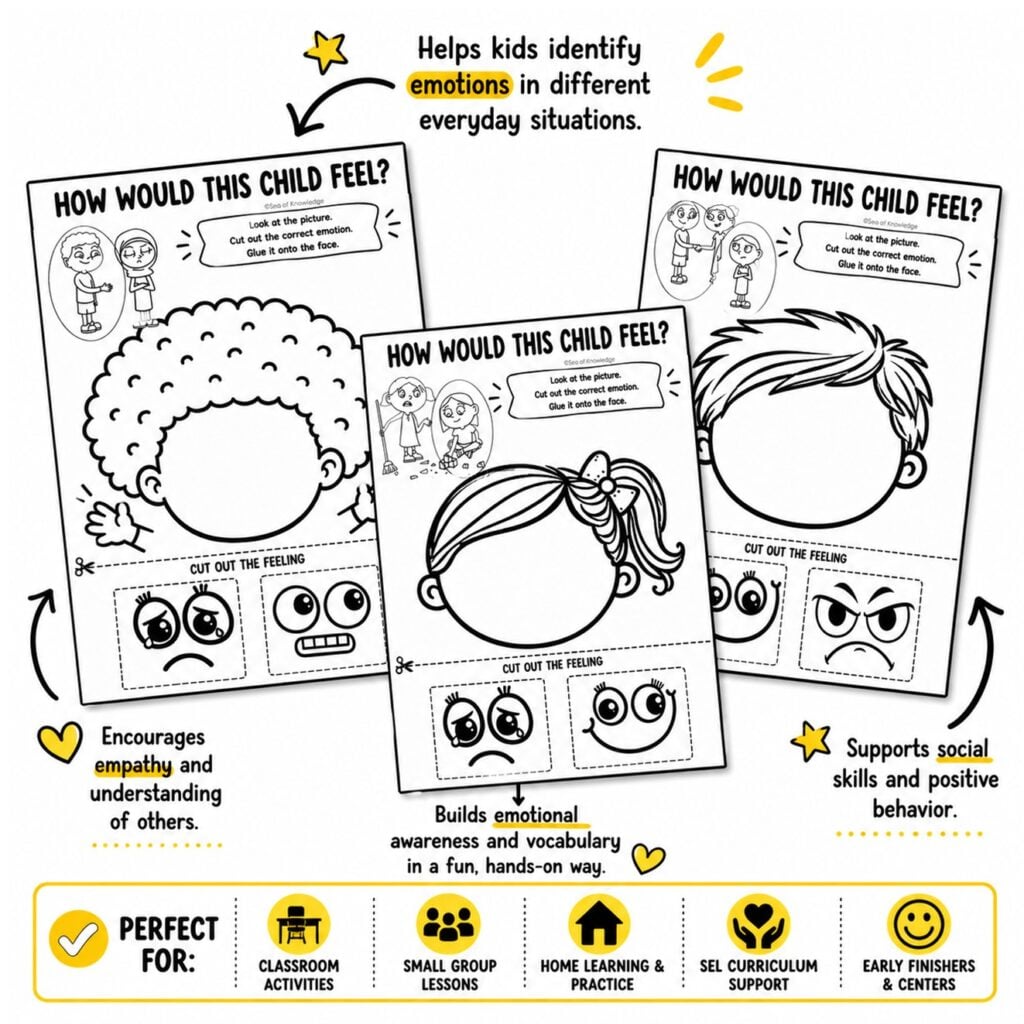
Download your free sample pages and try them with your students or children today.
5 Anti-Bullying Activities Teachers Love
Teaching children about kindness, empathy, and friendship becomes much easier when lessons are paired with engaging activities. Whether you’re a classroom teacher, counselor, homeschool parent, or caregiver, these resources can help spark meaningful discussions while reinforcing positive social skills.
1. Chrysanthemum Anti-Bullying Activity
If you’ve ever read the beloved picture book Chrysanthemum by Kevin Henkes, you already know how powerful it can be for teaching children about the impact of words.
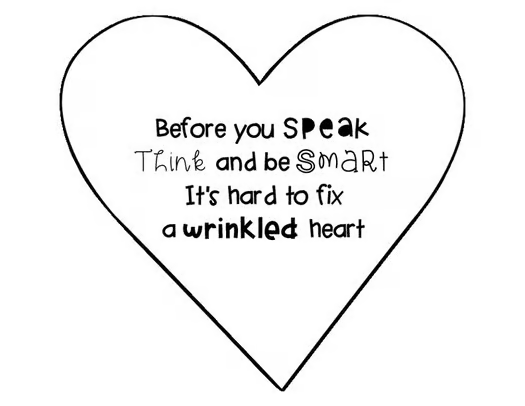
This activity pairs beautifully with the story and helps children understand that hurtful comments can leave lasting marks on someone’s feelings, even when we apologize later.
The lesson encourages children to think carefully about the words they use, practice empathy, and recognize how kindness can make others feel valued and accepted.
The activity works especially well during:
- Back-to-school season
- Bullying prevention month
- Friendship units
- SEL lessons
Download the activity here:
Chrysanthemum Anti-Bullying Activity
2. Our Class Is a Family
One of the best ways to prevent bullying is to build a strong classroom community from the beginning.
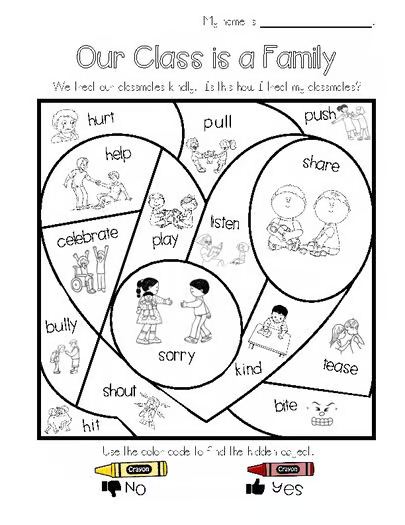
When children feel like they belong, they are more likely to show kindness, include others, and stand up for classmates who need support.
This activity, inspired by the popular book Our Class Is a Family, helps children understand that every classroom member is important and deserves respect.
Students learn about:
- Inclusion
- Belonging
- Respect
- Community
- Friendship
Many teachers use this activity during the first weeks of school to establish expectations for how classmates should treat one another throughout the year.
Explore the activity here:
Our Class Is a Family Activity
3. How I Will Stop Bullying Anchor Chart
Visual reminders can be incredibly powerful for young learners.
Anchor charts help reinforce important concepts long after a lesson has ended. Children see them daily and begin internalizing the expectations displayed on the chart.
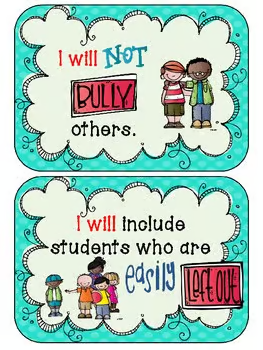
This anti-bullying anchor chart encourages students to think about the actions they can take when they witness unkind behavior.
Children can learn how to:
- Speak kindly
- Include others
- Ask for help
- Support classmates
- Stand up safely for others
Displaying the chart throughout the year creates ongoing opportunities for discussion and reflection.
View the resource here:
How I Will Stop Bullying Anchor Chart
4. The Juice Box Bully
One of the most popular books used in elementary classrooms for bullying prevention is The Juice Box Bully.
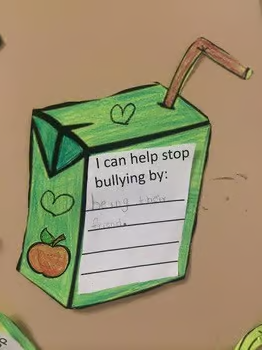
The story teaches an important lesson: creating a kind and respectful classroom is everyone’s responsibility.
Students learn that bullying prevention is not just the teacher’s job. Every child can contribute to making others feel welcome, included, and safe.
This resource helps children explore:
- Peer responsibility
- Community building
- Friendship skills
- Respectful behavior
- Positive decision-making
The lessons from this book often lead to wonderful classroom discussions about how small acts of kindness can make a big difference.
Grab the free resource here:
5. Anti-Bullying Printable I Spy Workbook
For children who learn best through visual activities, our Anti-Bullying Printable I Spy Workbook provides a hands-on way to explore social situations.
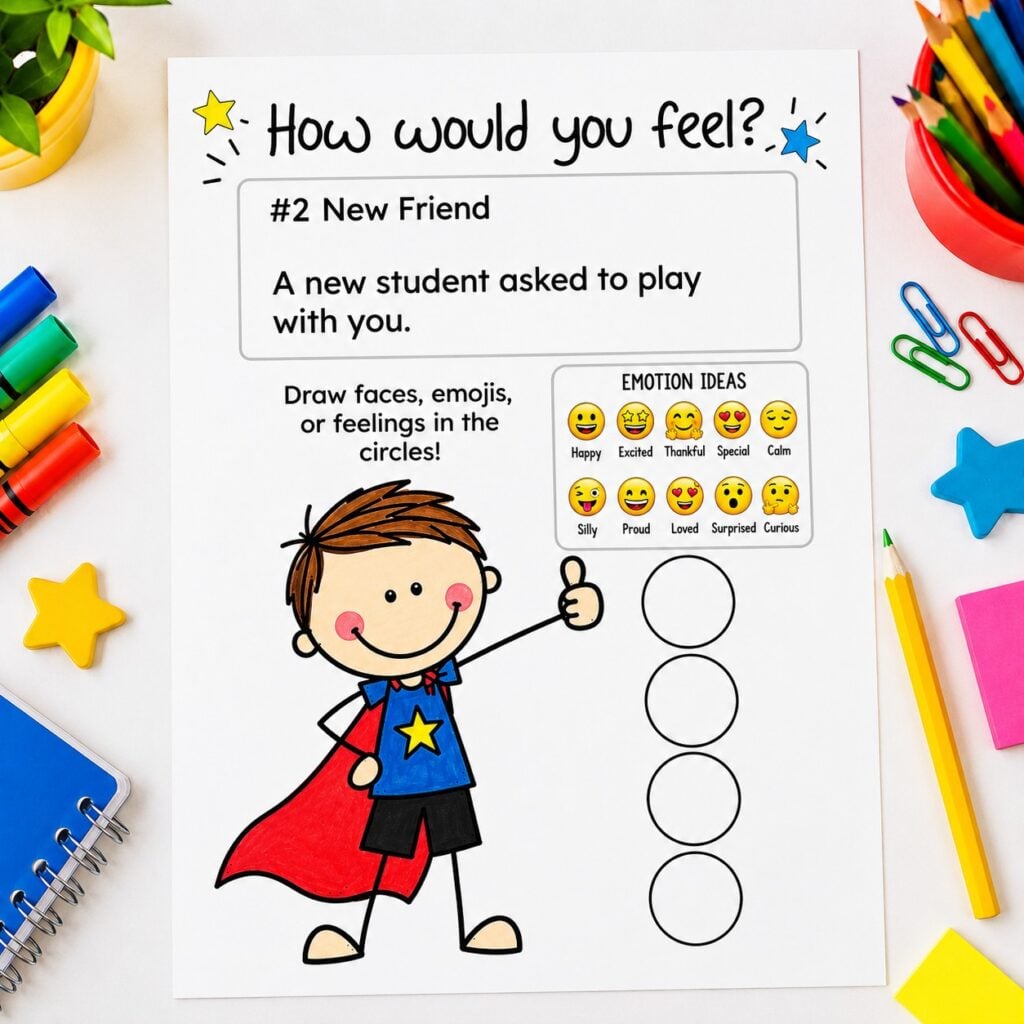
Instead of simply listening to lessons, children actively search for examples of:
- Kindness
- Friendship
- Inclusion
- Respect
- Helpful behavior
Each scene encourages discussion while helping children build observation and critical thinking skills.
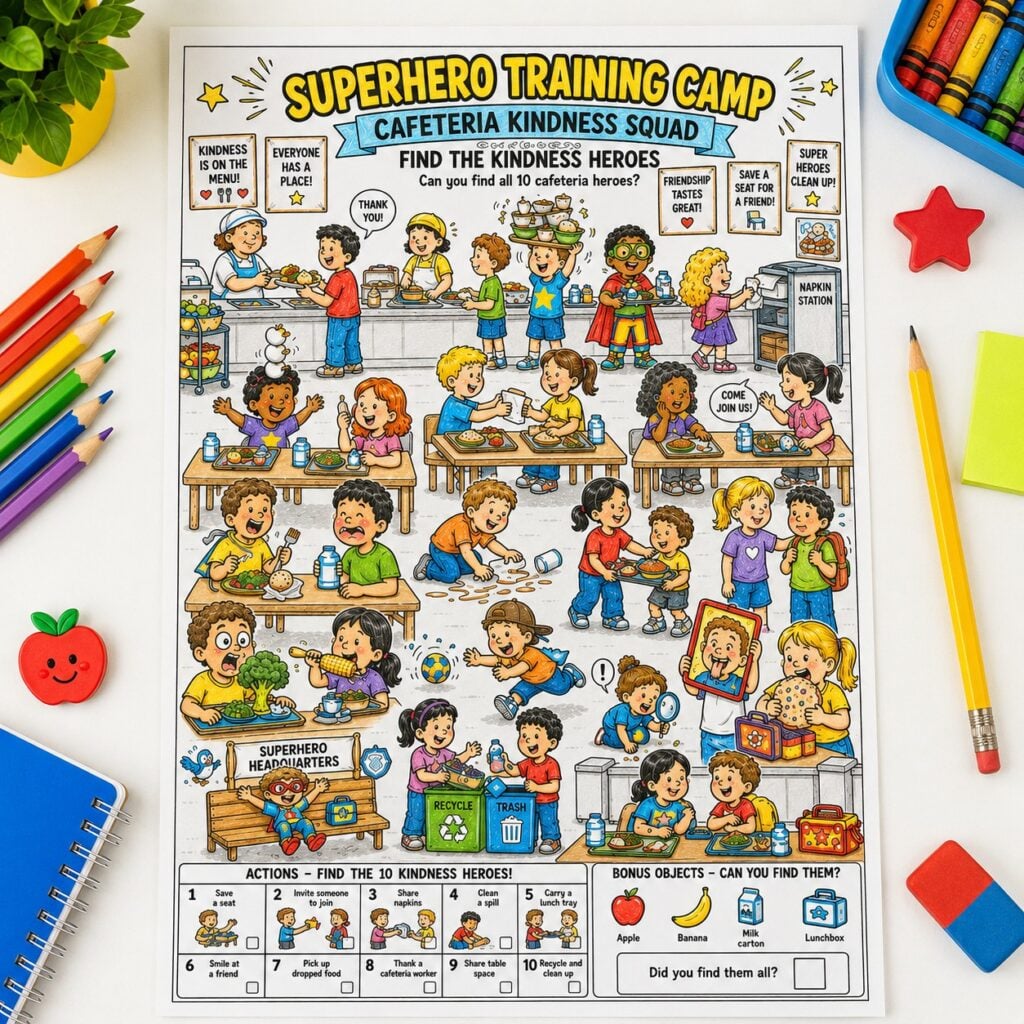
The workbook contains twenty themed I Spy activities along with companion discussion and scenario pages that allow students to practice problem-solving and empathy.
Many teachers use the workbook during:
- SEL lessons
- Bullying prevention month
- Counseling sessions
- Morning meetings
- Small groups
- Homeschool learning
Don’t forget to download the three free sample pages featured in this article.
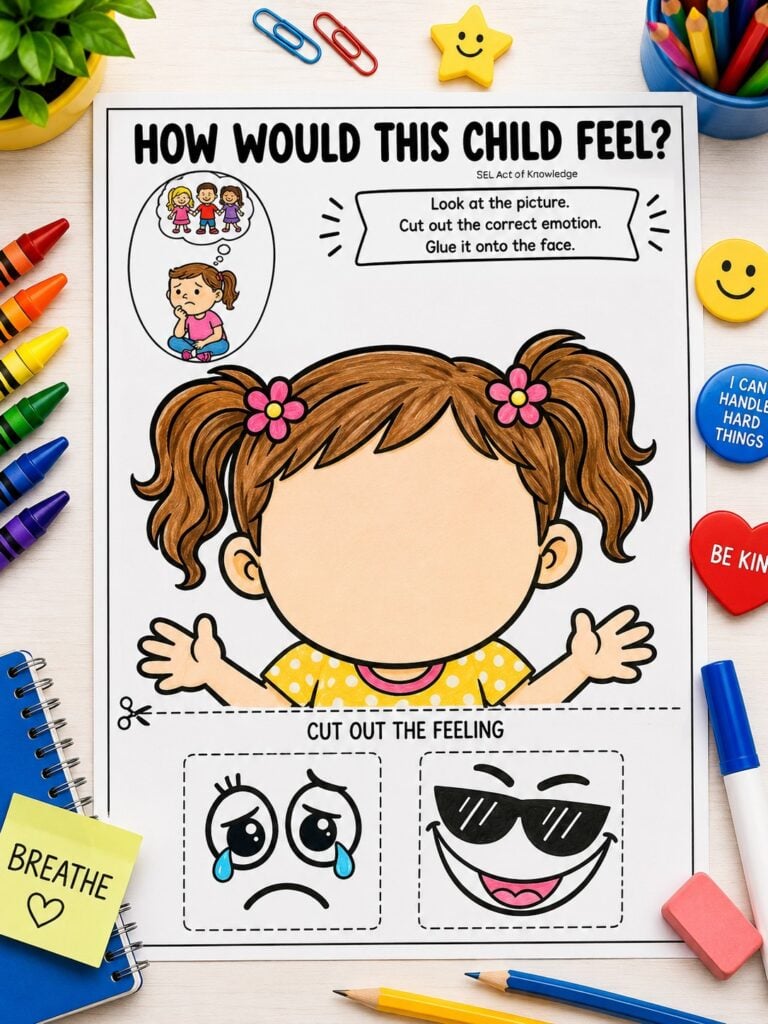
How to Teach Empathy in Kindergarten
Empathy is one of the most effective bullying prevention tools we can teach children.
When children learn to understand how others feel, they are more likely to show kindness and less likely to engage in hurtful behavior.
Fortunately, empathy can be practiced every day.
Read Stories Together
Books help children see situations from another person’s perspective.
As you read, pause and ask questions such as:
- How is this character feeling?
- Why do you think they feel that way?
- What would make them feel better?
These simple conversations help children connect actions with emotions.
Use Real-Life Examples
Children learn best when lessons connect to situations they may actually encounter.
Try asking:
- What would you do if someone was sitting alone?
- How would you feel if nobody let you join a game?
- What could you do to help a sad friend?
Visual resources such as bullying scenarios and discussion cards can make these conversations easier.
Model Empathy Daily
Children learn by watching adults.
Simple statements such as:
- “She looks disappointed.”
- “I wonder how he feels.”
- “Let’s help because that seems difficult.”
teach children to consider the feelings of others naturally.
Celebrate Kindness
When children demonstrate empathy, acknowledge it.
Examples include:
- Helping a friend
- Sharing materials
- Including someone in a game
- Offering encouragement
Recognizing these moments reinforces positive behavior.
Books About Bullying for Kindergarten
Books are one of the easiest and most effective ways to introduce bullying prevention concepts.
These titles help children explore kindness, friendship, empathy, and inclusion in age-appropriate ways.
Chrysanthemum
This classic story explores teasing and self-esteem while showing children how words can affect others.
The Juice Box Bully
A classroom favorite that teaches children everyone plays a role in creating a safe and welcoming environment.
Our Class Is a Family
A heartwarming story about belonging, inclusion, and building a supportive classroom community.
Stand Tall, Molly Lou Melon
This empowering book teaches children to celebrate what makes them unique and stay confident even when others are unkind.
Enemy Pie
A humorous story that helps children understand friendship, misunderstandings, and perspective-taking.
Each Kindness
A powerful story that highlights how every act of kindness matters and how missed opportunities to help others can have lasting effects.
After reading any bullying-themed book, consider extending the lesson with role-playing activities, discussion questions, or visual resources such as the Anti-Bullying I Spy Workbook.
Questions to Ask Kindergarteners About Bullying
Open-ended questions encourage children to think deeply about social situations.
Try asking:
- How do you think that child feels?
- What would make them feel better?
- What would a kind friend do?
- What could you do to help?
- Who could you tell if you needed help?
- Have you ever seen someone left out?
- How can we make sure everyone feels included?
- What does kindness look like?
These questions help children develop empathy, self-awareness, and problem-solving skills.
Teaching Children to Be Upstanders Instead of Bystander
An important part of bullying prevention is teaching children how to respond when they see someone being treated unfairly.
A bystander watches but does nothing.
An upstander takes safe action to help.
Kindergarteners can be upstanders by:
- Inviting someone to play
- Including others in activities
- Using kind words
- Asking a teacher for help
- Sitting with someone who feels left out
- Telling an adult when they see repeated unkind behavior
Children do not need to solve problems on their own. Instead, they need to know how to seek help and support others safely.
Grab these infographics here:
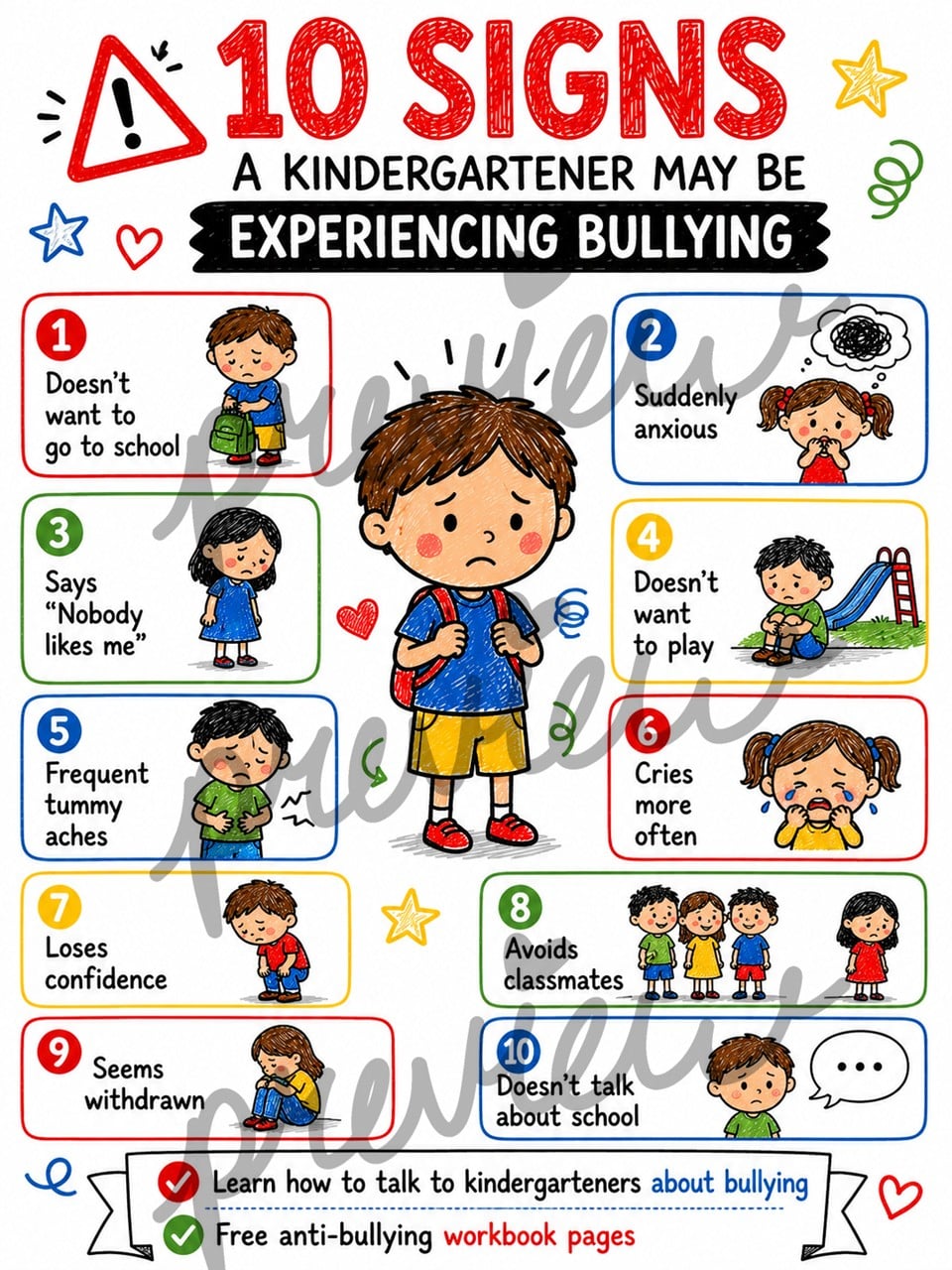
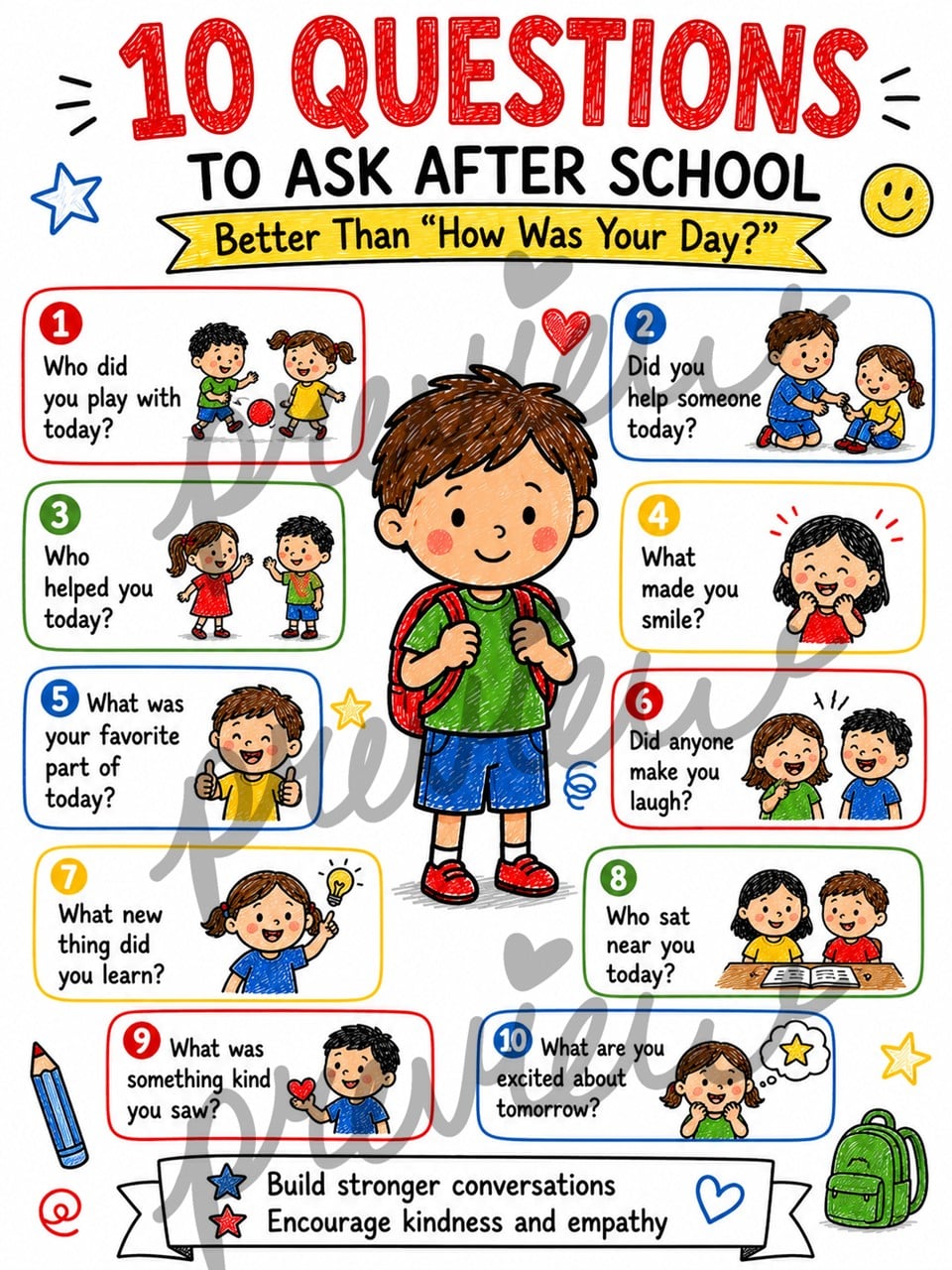
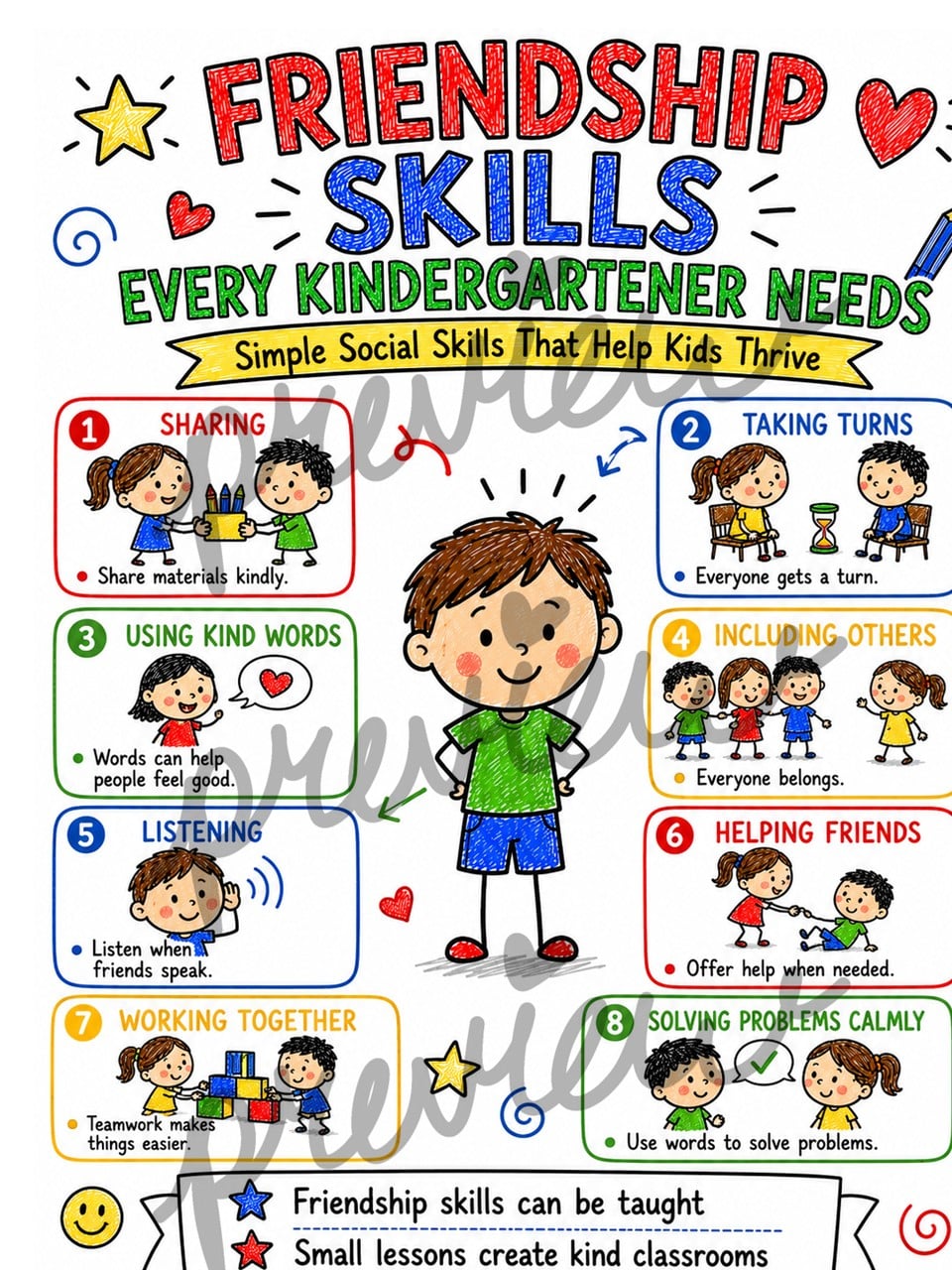
10 Signs a kindergartener may be experiencing bullying Infographic and more!
When children learn these skills early, they become more confident, compassionate members of their classroom community.
Bullying prevention begins long before children reach middle school. In fact, some of the most important lessons about kindness, empathy, friendship, and inclusion are learned during the kindergarten years.
By having regular conversations, reading picture books, practicing real-life scenarios, and using engaging anti-bullying activities, parents and teachers can help children build the social-emotional skills they need to navigate relationships with confidence.
Remember, the goal is not to frighten children. The goal is to empower them.
Small conversations today can help create kinder classrooms tomorrow.
Before you go, don’t forget to download the FREE sample pages from our Anti-Bullying Printable I Spy Workbook and start meaningful conversations about friendship, empathy, and kindness with your young learners today.