Kindness Calendar for Kids in August (30 Simple Daily Activities That Build Real Social Skills)
Kindness calendar for kids with 30 simple daily activities to build social skills, empathy, and positive classroom behavior at school or home.
Looking for an easy kindness calendar for kids that actually helps build positive behavior?
A kindness calendar is one of the simplest ways to teach kids how to be kind—without long lessons, complicated prep, or extra work added to your day.
Instead of just telling kids to “be nice,” a kindness calendar for children gives them clear, daily actions they can follow. And once it becomes a routine, you start seeing those small acts turn into real habits. If you want to build consistency with your kindness routines, you can easily pair this with your may kindness challenge for kids. It gives students a full month of structured practice and helps reinforce the same positive behaviors in a simple, repeatable way.
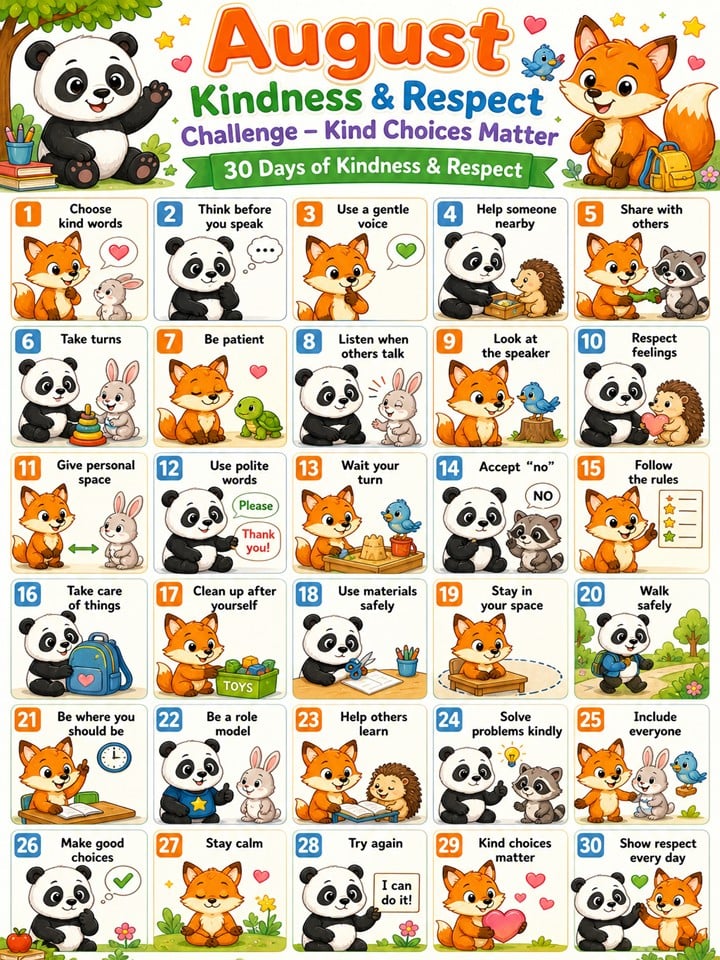
Summer is the perfect time to help children strengthen friendships and practice positive social skills. This June Kindness Challenge for Kids includes 30 simple activities designed to encourage kindness, teamwork, and thoughtful actions throughout the month.
What Is a Kindness Calendar for Kids?
A kindness calendar for kids is a daily schedule of simple kindness activities that children complete throughout the month.
Each day includes one small task such as:
- helping a friend
- sharing materials
- using kind words
- showing patience
This type of kindness activity calendar for kids helps children practice kindness in real situations, not just talk about it.
Kindness also includes how we treat animals, which is why this being gentle with pets social story is a great addition. It helps children understand how their actions affect others in a clear and meaningful context.
Why Use a Kindness Calendar?
A structured kindness calendar for kids printable works because it gives kids consistency and clear expectations.
Instead of random reminders, students know:
- what to do
- when to do it
- how to show kindness
Teachers and parents use a kindness calendar for students to:
- build classroom community
- improve behavior
- support social emotional learning (SEL)
- encourage positive interactions
For younger learners, hands-on activities can make kindness easier to understand, and these kindness art activities preschool fill bucket ideas are perfect for that. They give kids a visual way to connect their actions with positive outcomes.
30 Day Kindness Calendar for Kids
Here is a simple 30 day kindness calendar for kids you can use at school or at home:
Week 1: Getting Started with Kindness
Say hello to someone new
Smile at a friend
Use kind words
Help clean up
Let someone go first
Listen carefully
Invite someone to join
Week 2: Helping Others
Make a kind note
Help without asking
Share something you like
Cheer for a friend
Offer to help
Give a compliment
Take turns
Week 3: Kind Words and Feelings
Say thank you
Say I’m sorry
Be patient
Include someone new
Help someone stuck
Say kind things about others
Use a calm voice
Week 4: Everyday Kindness
Plan a kind surprise
Do a kind act quietly
Forgive someone
Make a thank you card
Help fix a problem
Be kind to yourself
Be kind every day
Final Days
Teach kindness
Share a kind moment
If you want to reinforce kindness visually in your classroom, these kindness is sweet bulletin board ideas can keep the message front and center all month. A consistent visual reminder helps students stay focused on daily kindness goals.
How to Use a Kindness Calendar in the Classroom
Using a kindness calendar for kids in the classroom should be simple and consistent.
Here’s what works best:
- display the calendar where students can see it
- introduce one kindness task each day
- model the behavior with clear examples
- recognize students when they complete it
This turns kindness into a daily routine instead of a one-time lesson.
You can also support your kindness calendar with read-alouds, and these social emotional skills preschool books on kindness are a great place to start. Stories help children see kindness in action and connect it to their own behavior.
Teacher Tip for Better Engagement
Instead of reminding students to “be kind,” shift the focus to observation.
Try asking:
“Who completed today’s kindness activity?”
This encourages students to:
- notice positive behavior
- reflect on actions
- build awareness
This is why a kindness calendar for elementary students is so effective for improving classroom culture.
For more diverse and meaningful storytelling, these social emotional books black characters offer powerful examples of empathy, inclusion, and kindness. This helps students see kindness reflected in a variety of real-life experiences.
Ways to Extend Your Kindness Calendar
To make your kindness calendar activities for kids more engaging, you can add:
- reflection sheets
- drawing activities
- partner or buddy systems
- role-play scenarios
These extensions are especially helpful for:
- kindergarten
- first grade
- second grade
- special education
Some students may struggle with big feelings, and that’s where this anxiety social story can support your kindness work. When students understand their emotions, they are better able to respond kindly to others.
Benefits of a Kindness Calendar for Kids
A consistent kindness calendar for kids helps children develop:
- empathy
- communication skills
- cooperation
- emotional regulation
- confidence
It also supports social emotional learning activities for kids in a structured and meaningful way.
If you want to create your own scenarios or adapt activities, using social story templates can make it much easier. These allow you to tailor kindness lessons to your specific classroom needs and situations.
Grab Your Kindness Calendar for Kids
If you want a ready-to-use kindness calendar for kids printable, having everything in one clear visual layout makes it much easier to stay consistent.
You can use a kindness calendar for:
- morning routines
- classroom management
- SEL lessons
- daily check-ins
👉 Grab your kindness calendar for kids here and start using it right away.
A kindness calendar for kids is one of the easiest ways to turn kindness into a daily habit.
When children practice small, simple acts every day, those behaviors become natural—and that’s when you start seeing real change in how they interact with others.