Free Printable Bulletin Board Letters PDF: 5 Fun Uses
You have the bulletin board idea, the student work, and approximately four minutes before something else needs your attention. These free printable bulletin board letters PDF templates give you big, chunky letter cutouts for classroom displays and hands-on alphabet activities. If your learners need more time noticing letter shapes, my ideas for helping children who struggle with letter recognition are a useful starting point.
The best part? The letters are FREE, and you can use them for much more than a heading. Turn them into magazine letter collages, beginning-sound sorting pages, name displays, or reusable letter mats. One printable doing several jobs is very much my kind of preparation.
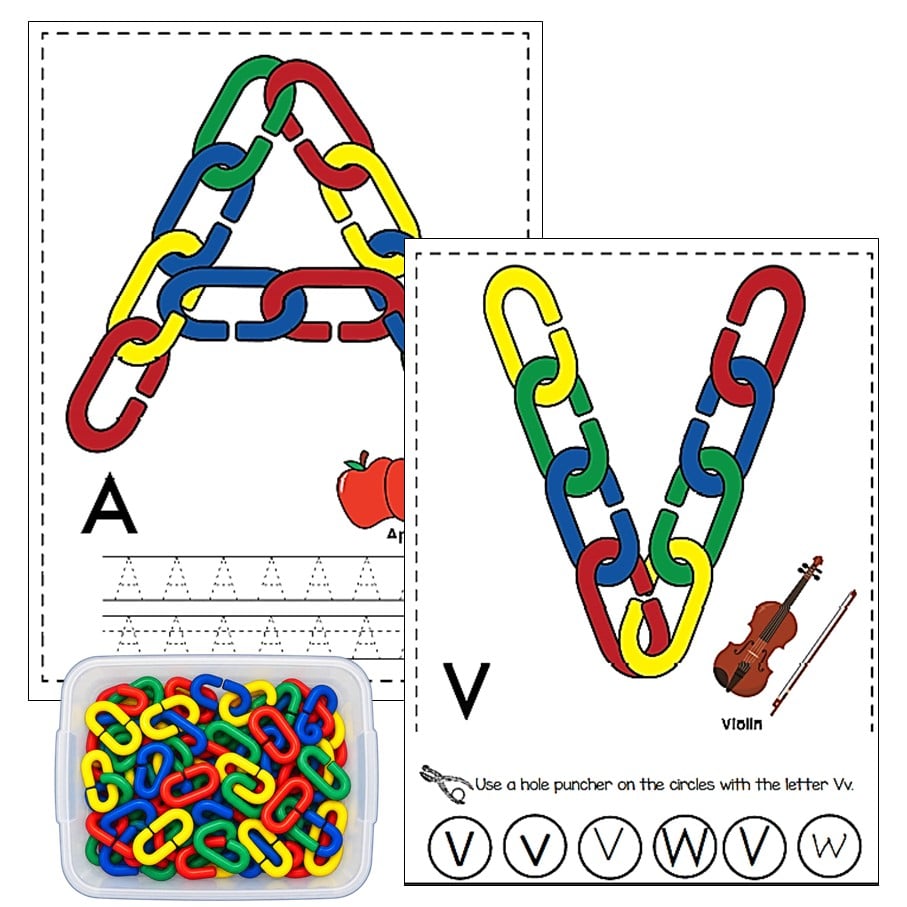
Keep busy hands learning with alphabet chain links
When students need something to handle while practicing letters, try the Chain Link Activities alphabet strips and number cards. Use linking chains or C-clips with the task cards for a hands-on station that pairs alphabet practice with fine motor work.
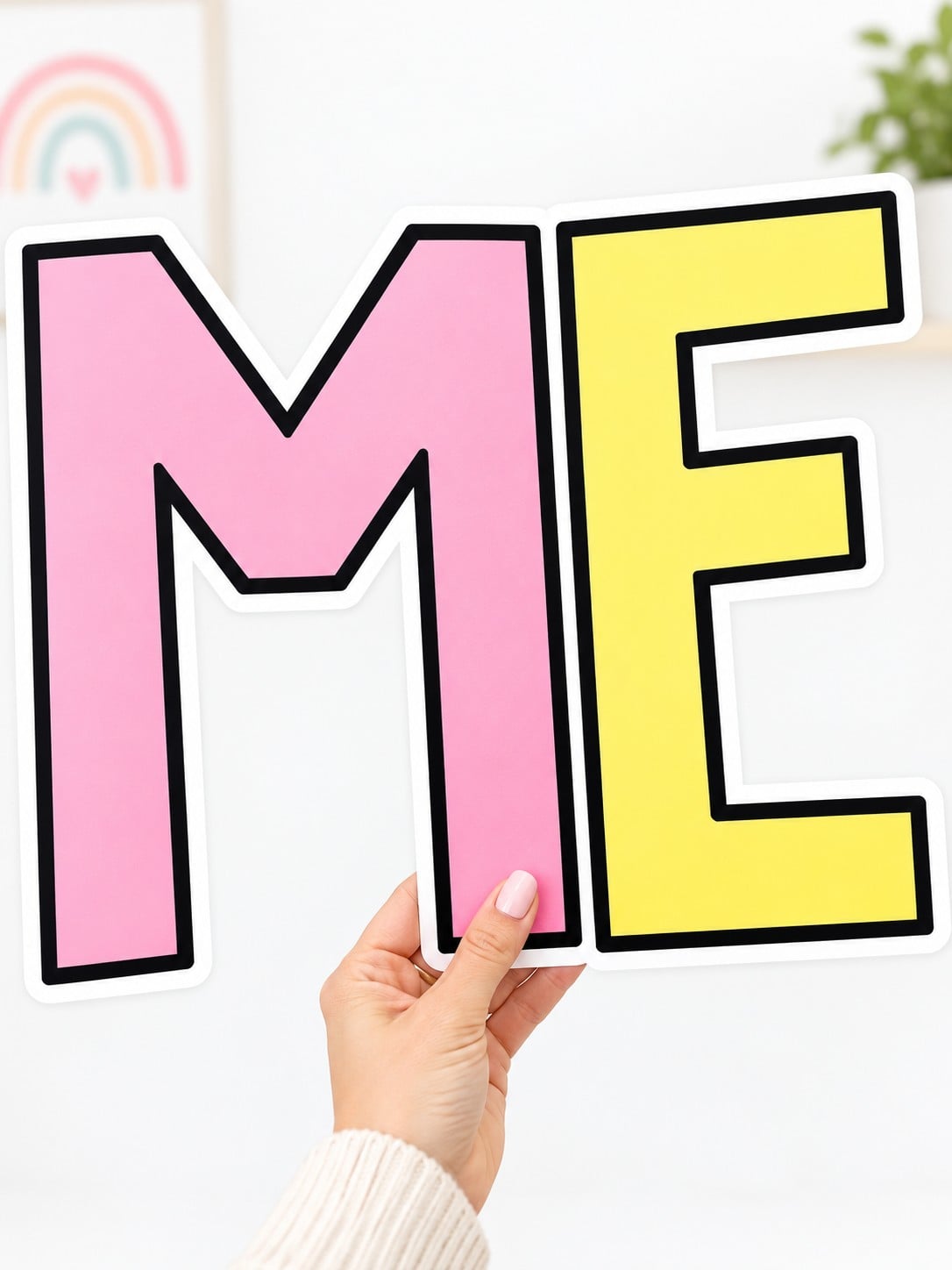
Why use these free printable bulletin board letters PDF templates?
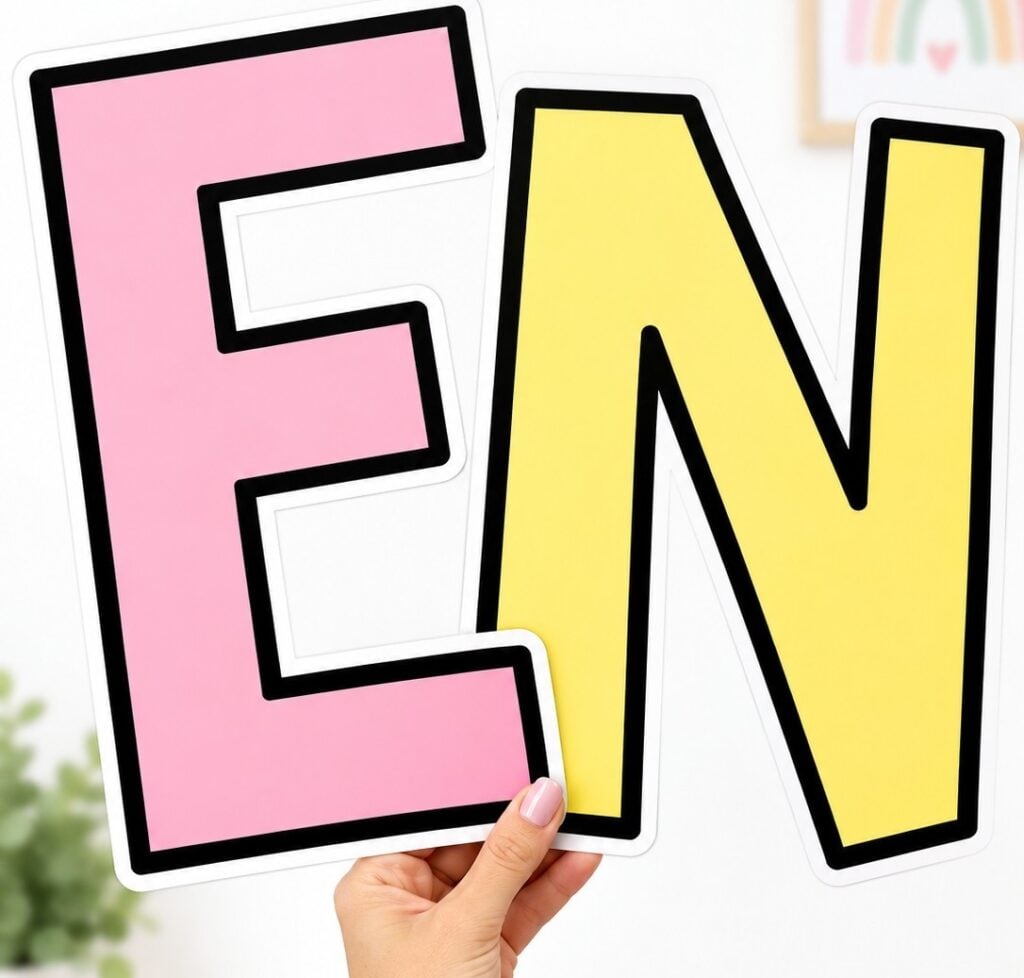
These large alphabet letter templates have a bold outline and a broad letter shape. That gives students room to add their own collage materials and gives teachers a simple shape to cut around for a display. Use the outline letters on white paper for decorating, or print them on colored paper to coordinate with your classroom.
You do not need a different worksheet for every activity. A large letter can become a sorting surface, an art project, or part of a shared display. These printable block letters work well for preschool and kindergarten activities, with support adjusted to the learner rather than a particular age.
For a separate activity after exploring one large letter, try my alphabet task card puzzles for hands-on letter recognition. Moving between a large letter shape and a different activity gives you another chance to check what students recognize.

How to print and prepare your letter cutouts
- Choose your purpose: a display heading, one target letter, or the letters needed for a name.
- Print a test page: check your printer preview before printing the remaining pages. Use “Fit to printable area” if the edges are being clipped; print settings can change the finished size.
- Choose your paper: regular paper is useful for gluing activities. Cardstock is an option for letters you plan to handle repeatedly.
- Prepare only what you need: leave a letter on its page for a collage, or cut around it for a display. An adult can cut enclosed spaces when needed.
- Model the task: show one example before offering materials. Keep the first attempt small enough to finish successfully.
Gather glue sticks, child-safe scissors, crayons, and a few old magazines or store flyers. Check the pages first so the pictures and text suit your learners. For the reusable activities below, a dry-erase sleeve is an optional addition.
5 ways to use free printable letter cutouts
1. Make a bulletin board heading students help create
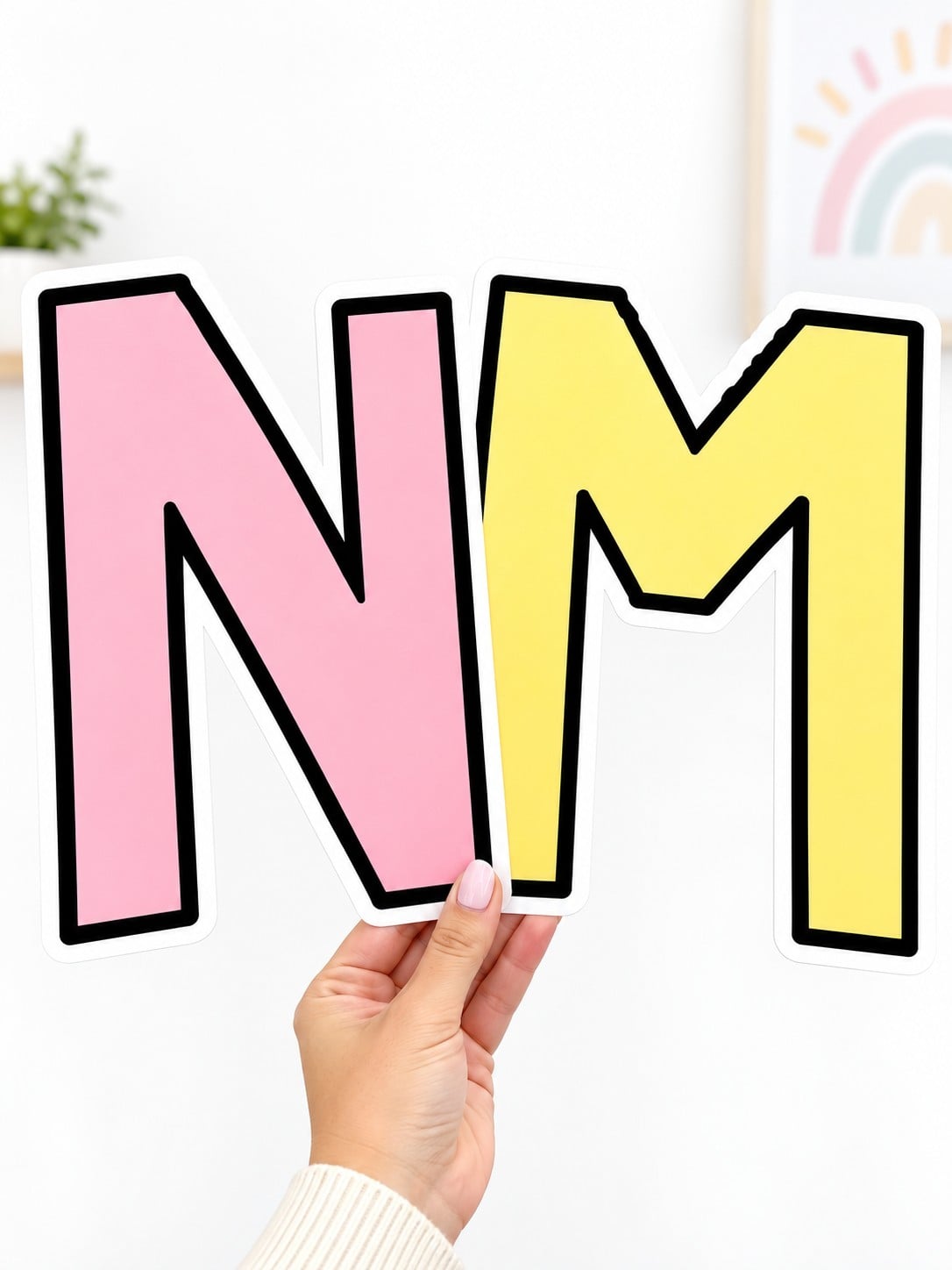
Use the classroom display letters to spell a short heading such as READ, CREATE, or WELCOME. Print just the letters you need, including repeated letters, and arrange them on a table before attaching anything to the board. A quick layout check is much easier than negotiating with a stapler afterward.
Invite students to decorate individual letters using a shared color palette. For example, each student might add red, blue, or yellow paper pieces to part of the heading. Keep the outside edges visible so the finished letters remain easy to read.
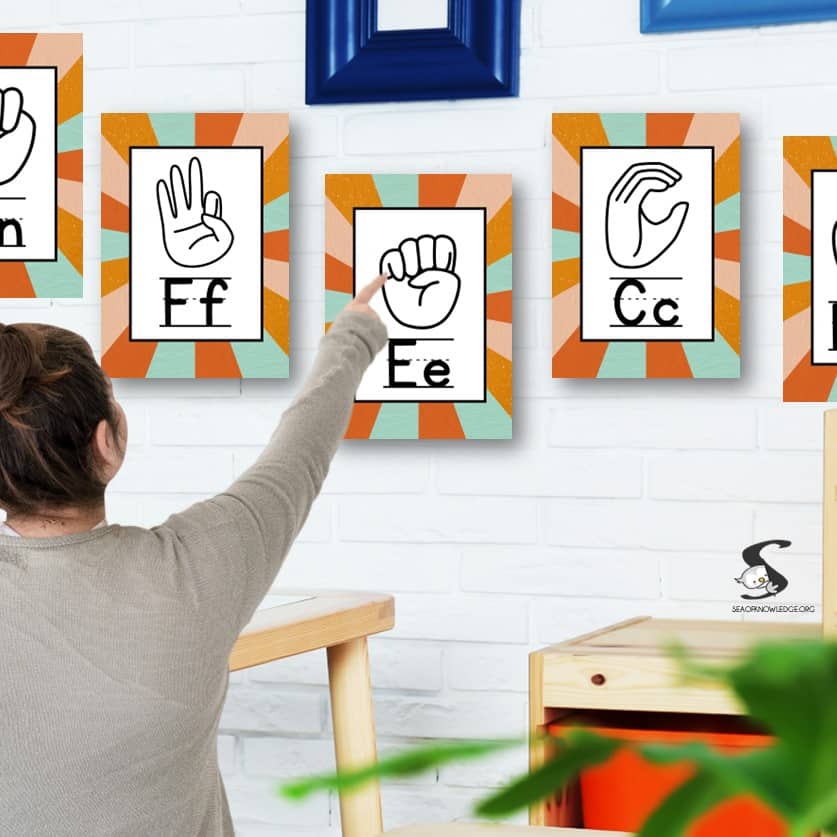
Mount the completed letters above student work or an alphabet learning area. If you enjoy displays that students help make, these alphabet craft letters with a sunray design offer another way to bring letter learning into an art project.
2. Create a magazine letter hunt and collage
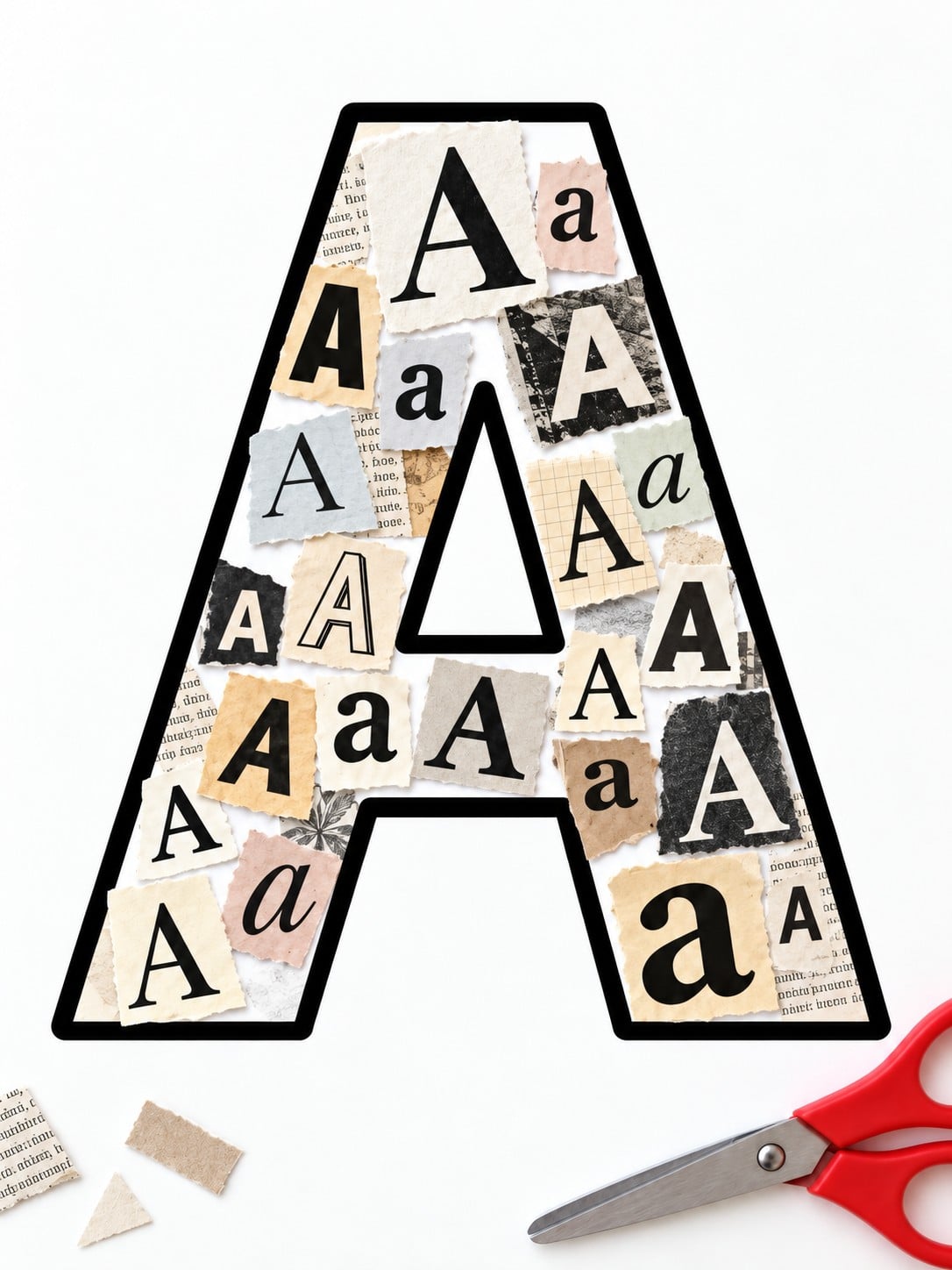
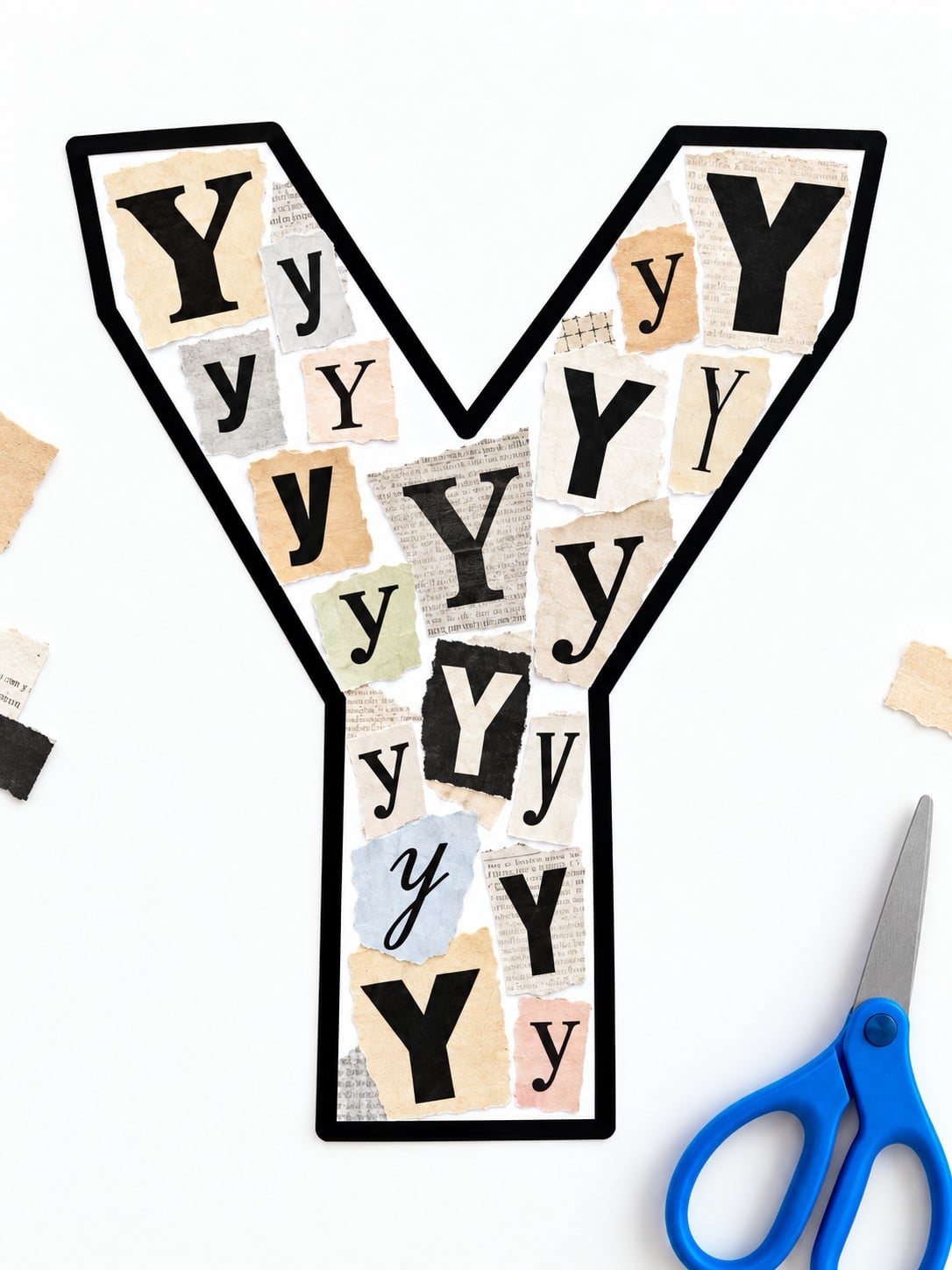
This is a lovely way to turn old magazines into a cut and paste alphabet activity. Give each student one large target letter, such as M. Model finding the same letter in a magazine headline, cutting around it, and gluing it inside the big letter shape.
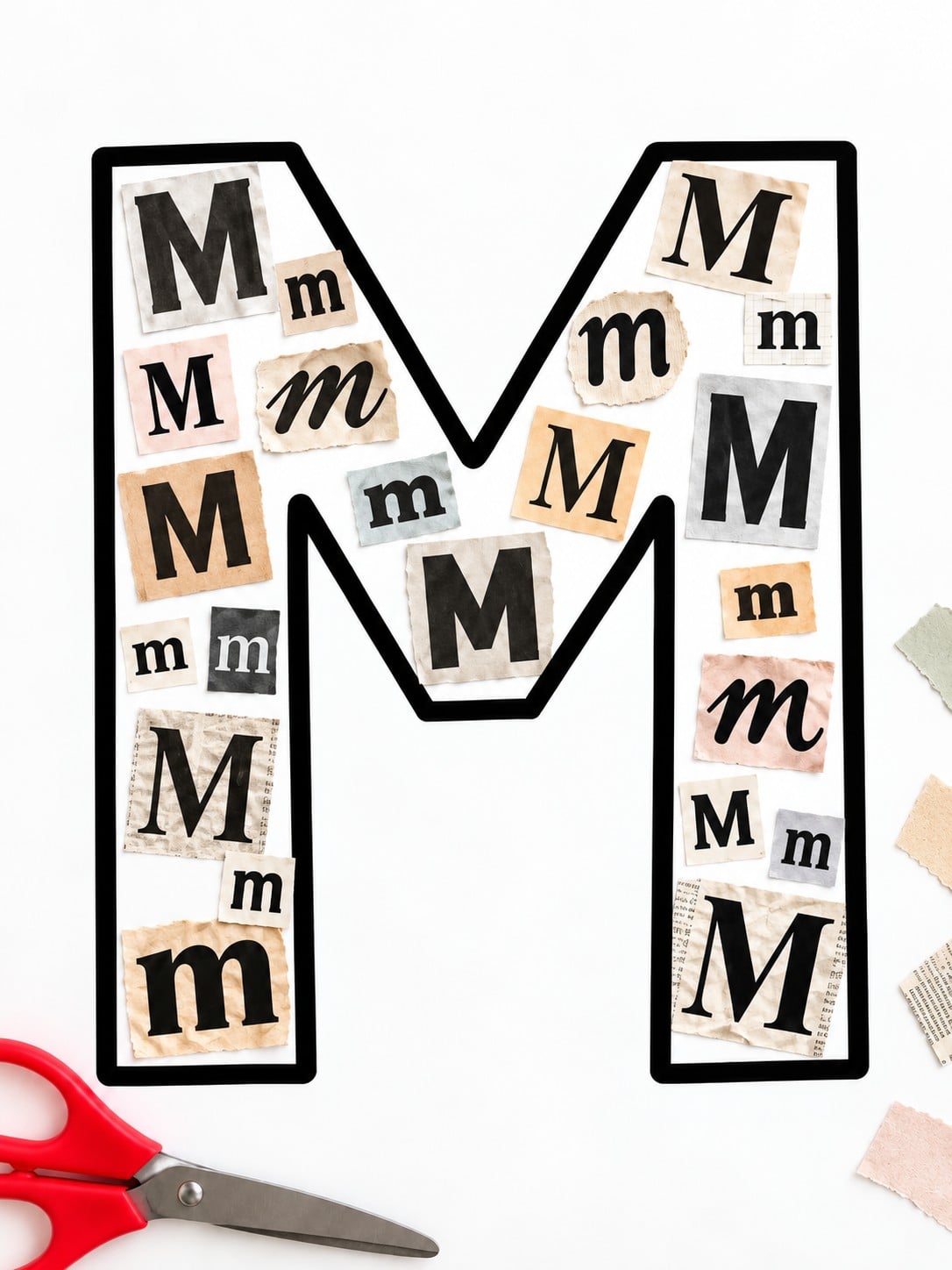
- Name the target letter and point to its main features.
- Find a matching letter together in a short headline.
- Cut or tear around the letter, with adult help as needed.
- Glue it inside the outline and keep looking for more matches.
- Finish by pointing to several pasted letters and naming them again.
Start with uppercase matches if students are new to the task. Once they are ready, invite them to find lowercase examples of the same letter, too. Different fonts can be tricky, so talk through unusual shapes instead of assuming every printed version will be obvious.
If you are working on matching the two cases, my uppercase and lowercase alphabet flower pot game is a natural next activity.
You can also follow the magazine hunt with a letter I Spy activity for visual searching practice. Keep the target letter consistent when a learner needs extra repetition.
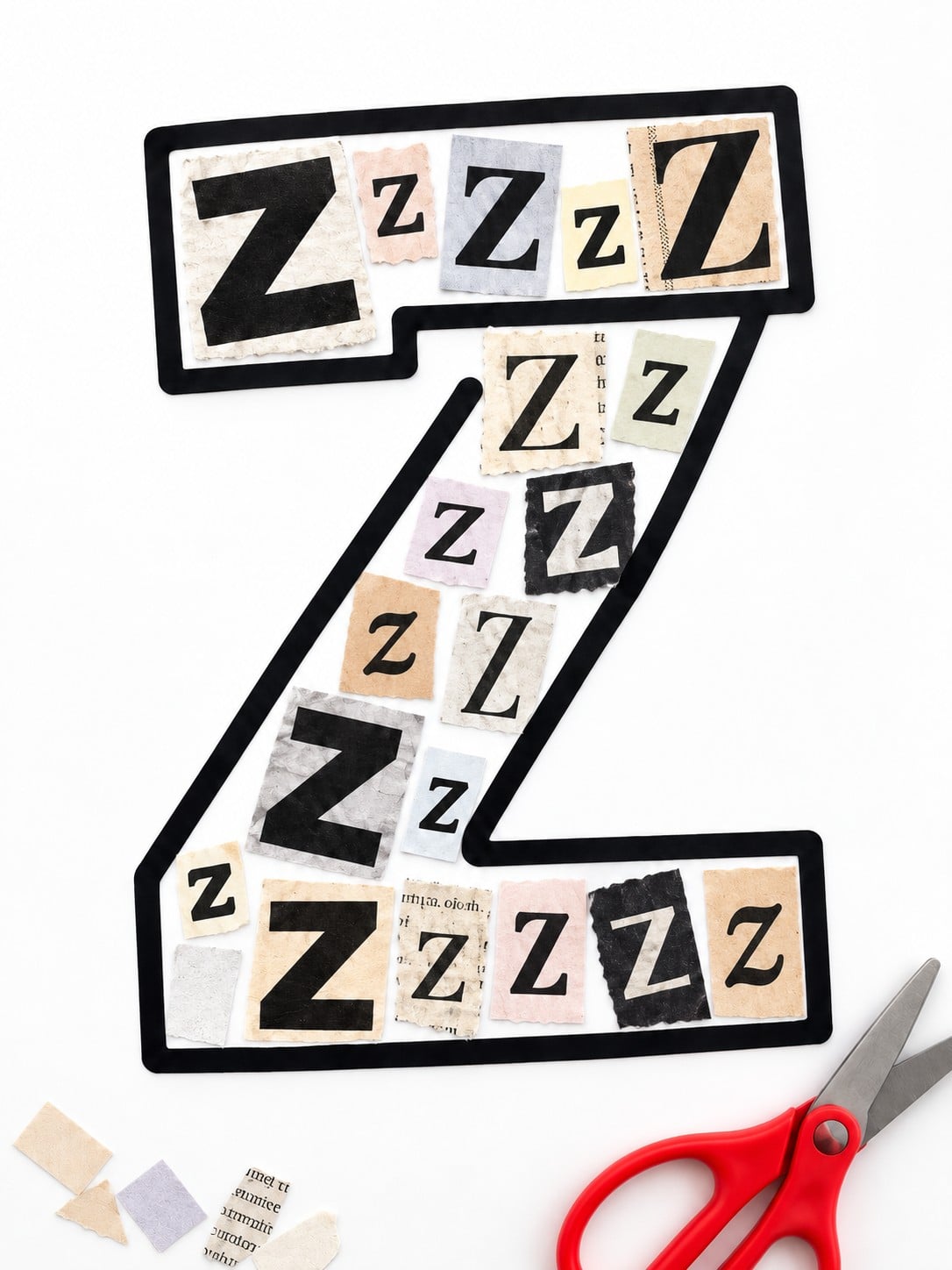
3. Fill each letter with beginning-sound pictures
Change the hunt from printed letters to pictures. For M, look for a moon, a mitten, or a map. Say each word aloud together, listen for the first sound, and glue matching pictures inside the letter.
Keep the focus on the spoken word rather than the first letter of a magazine caption. A picture of a dog might appear under a caption saying “pet,” so decide together which word you are using. Model the sound clearly: “Moon starts with /m/. M can represent /m/.”
Choose a small, familiar picture set at first. If a student needs support connecting letters and sounds, these strategies for teaching letter sounds to struggling students can help you plan the next step.
Add beginning-sound coloring practice
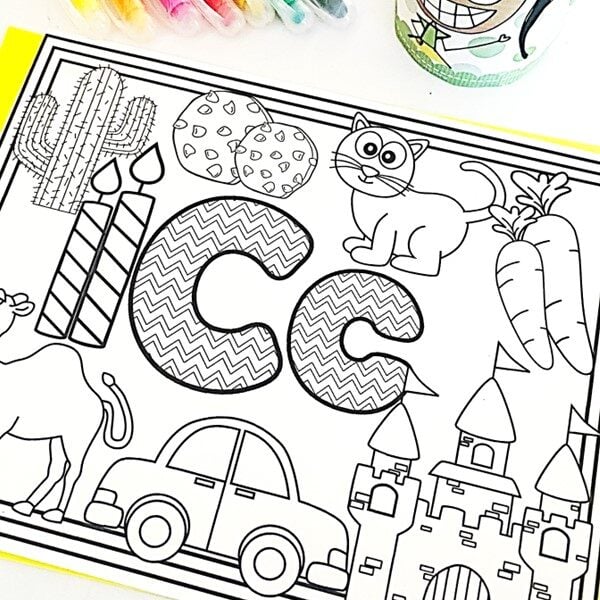
Want another way to revisit the sounds after making a picture collage? These Alphabet Coloring Pages pair patterned letters with beginning-sound pictures, so you can name the pictures together before students color. Use a page as a follow-up activity or print the pages as a mini booklet.
4. Make a first-initial or name display
Print each student’s first initial and let them decorate it with drawings or paper pieces that represent their interests. Add their name on a separate strip underneath so the initial connects to something meaningful.
For students ready to work with a whole name, print the needed letter templates at a reduced scale using your printer settings. Provide a name model, help students arrange the letters in order, and read the name together. Explain that an all-capital display is a design choice; show the student’s usual name spelling alongside it.
These name art activities for creative name practice offer more ways to build on the display without repeating the same task.
For a separate recognition check, try the find your name activity. You can see whether a learner recognizes their name among other names as well as when it is shown alone.
Make first-letter practice personal
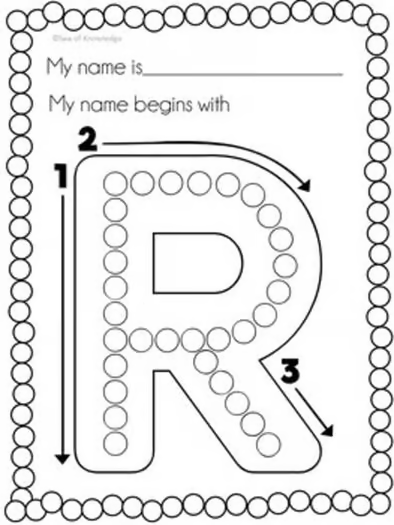
If a student is still learning to recognize their first initial, keep that letter at the center of the activity. These First Letter in My Name posters let students complete their initial using Q-tip paint or mini dot stickers, making an easy follow-up to the name display above.
5. Turn large letters into reusable building mats
Slide an uncut letter page into a reusable sleeve and invite students to follow the letter shape with play dough, paper squares, or large craft sticks. Choose materials that suit the learner and supervise their use. Demonstrate how the pieces follow the lines and curves of the letter.
Keep the letter upright and talk about what you notice: “This line goes down. This part curves around.” Building on a template gives you a practical way to discuss shape before expecting a student to draw the letter independently.
To extend the idea into a small-group station, explore these phonics tuff tray ideas for hands-on letter and sound practice. Start with just a few familiar letters rather than putting out the whole alphabet.
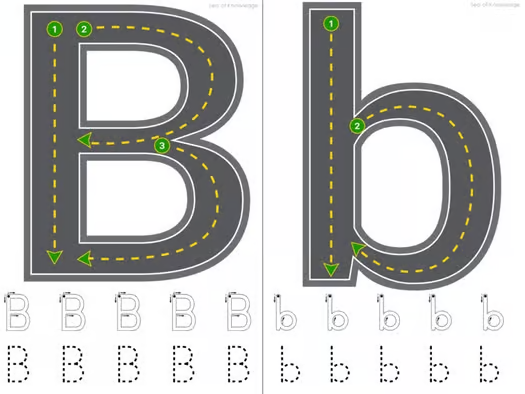
Take letter formation for a drive
For students who enjoy vehicles, these Alphabet Road Cards turn letter formation into a toy-car activity. Model driving along the letter, then use the guided numbered letter formation practice at the bottom of the card to revisit the movement.
Simple differentiation for alphabet activities
For learners who need a smaller task: offer one target letter and three or four possible matches. Precut the magazine pieces if cutting is getting in the way of showing letter knowledge. A student can point, choose, or direct an adult where to glue.
For special education and intervention: model one step, complete one together, then invite a short independent turn. If even a small choice set feels overwhelming, these alphabet errorless learning activities may help you plan a more supported starting point.
For ESL/ELL learners: name the pictures before sorting them. A student may recognize a picture without knowing its English label, so teach the word before asking them to identify its beginning sound.
For learners ready for more: compare uppercase and lowercase examples, explain how two different fonts show the same letter, or find several pictures that begin with a target sound. Keep an eye on what the student is actually identifying rather than how full the page looks.

Quick questions about the free letter templates
Are these printable bulletin board letters free?
Yes! These letter cutouts are a FREE printable PDF for classroom displays and the alphabet activities described here.
Can I print the letters on colored paper?
Yes. Colored paper gives the outline letters a colored interior without needing to color each one by hand. White paper works well when students will add their own artwork or collage materials.
Do I need to laminate the letters?
No. Regular paper works for a one-time collage, while cardstock is an option for displays. A reusable sleeve is useful when students will build on the letter page more than once.
Try a dot-marker alphabet station next
If cutting and gluing are enough for one session, switch to dot markers for another round of letter practice. These Alphabet Dot Marker Worksheets include uppercase and lowercase letters with a beginning-sound picture and word. Use full-size pages or print two per page to make a small booklet.
Download your FREE printable bulletin board letters PDF
Ready to give those letter templates a job? Grab the FREE letter cutouts PDF and use the large outline letters for a classroom heading, a magazine letter hunt, or a hands-on alphabet activity. Start with the letters you need today and save the other ideas for another session.

![Letter from Tooth Fairy Printable Pack [Complete Unit Free]](https://www.seaofknowledge.org/wp-content/uploads/2024/01/letter-from-toothfairy-2.jpg)