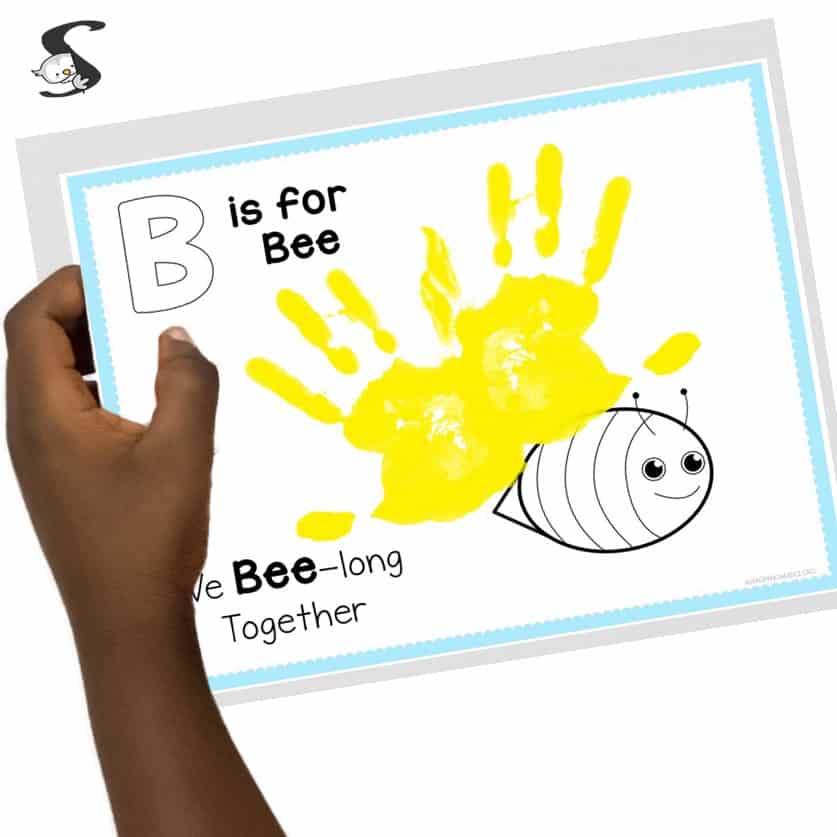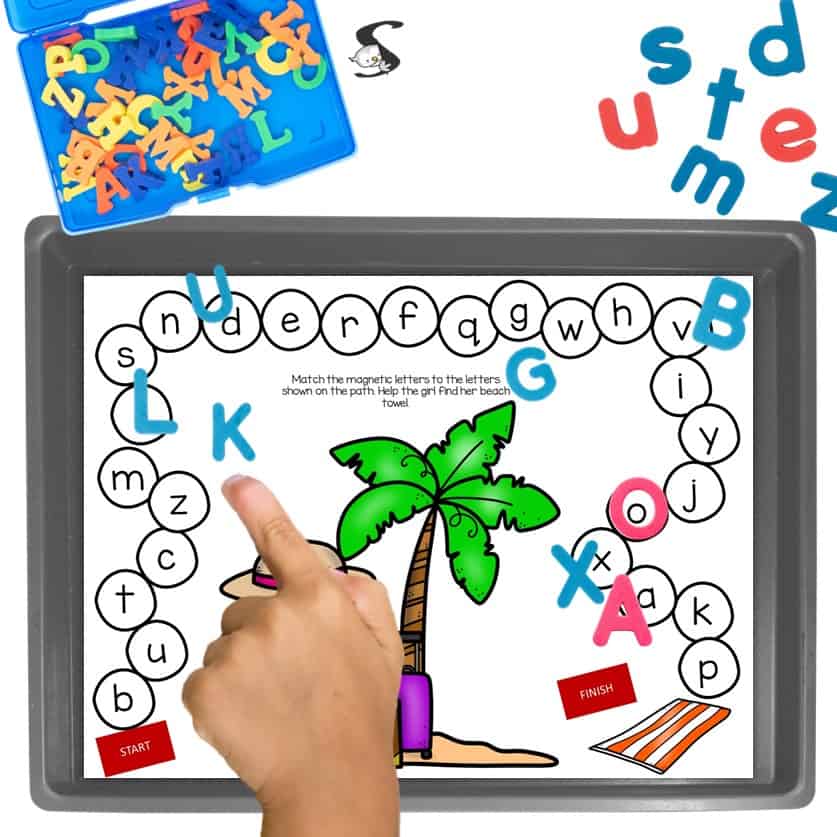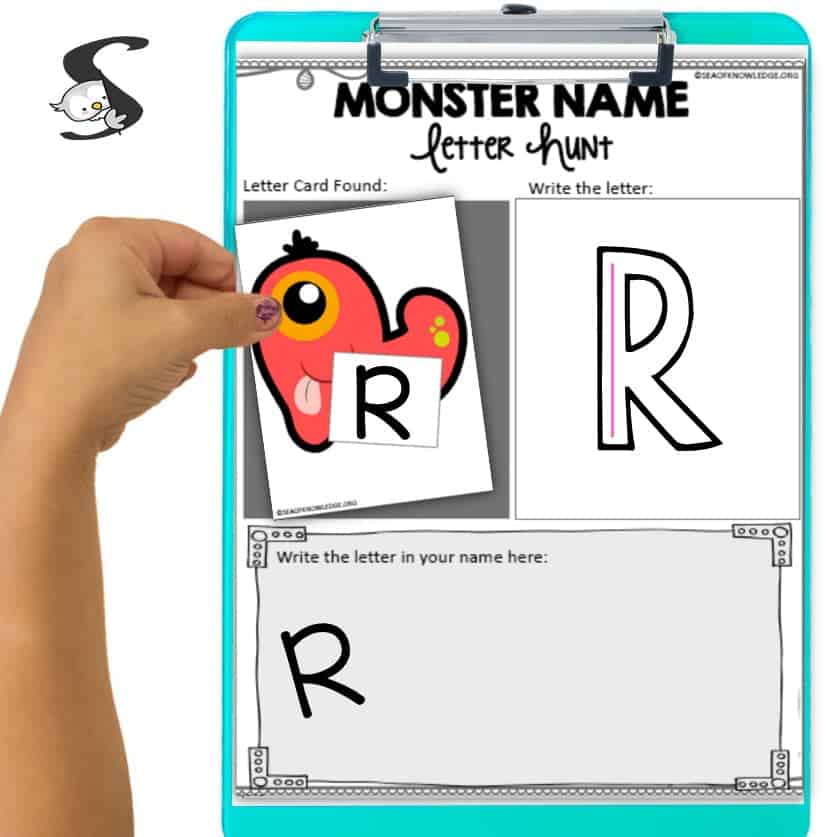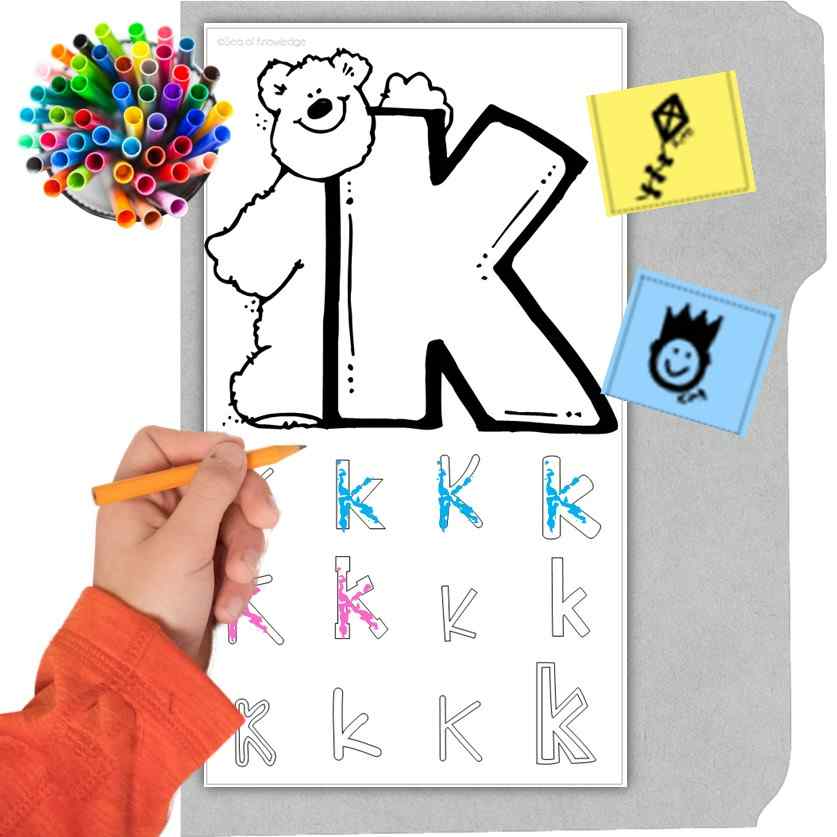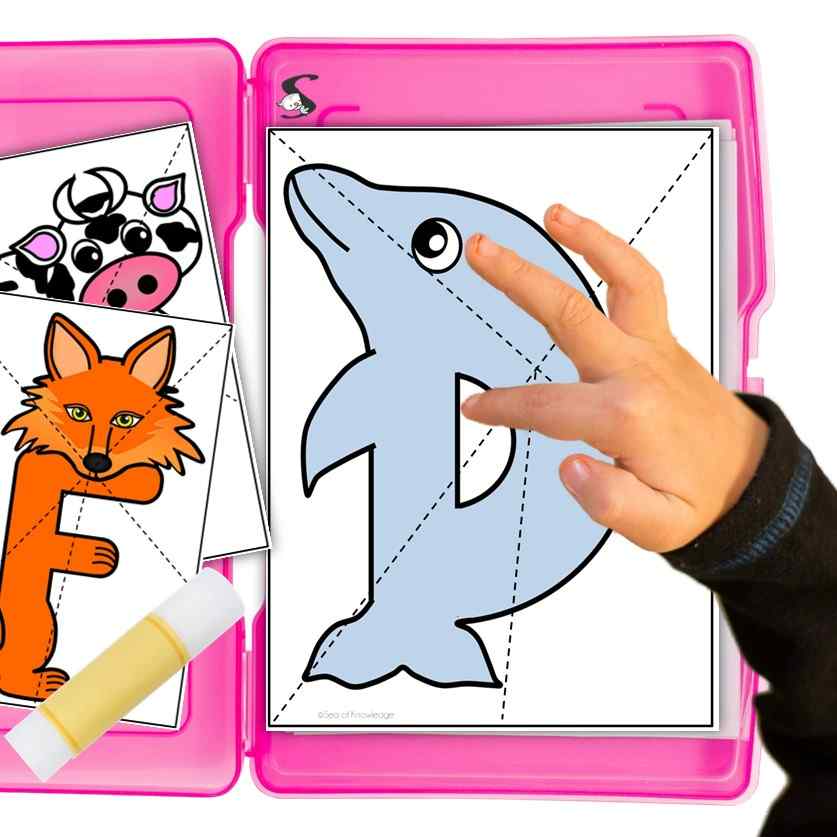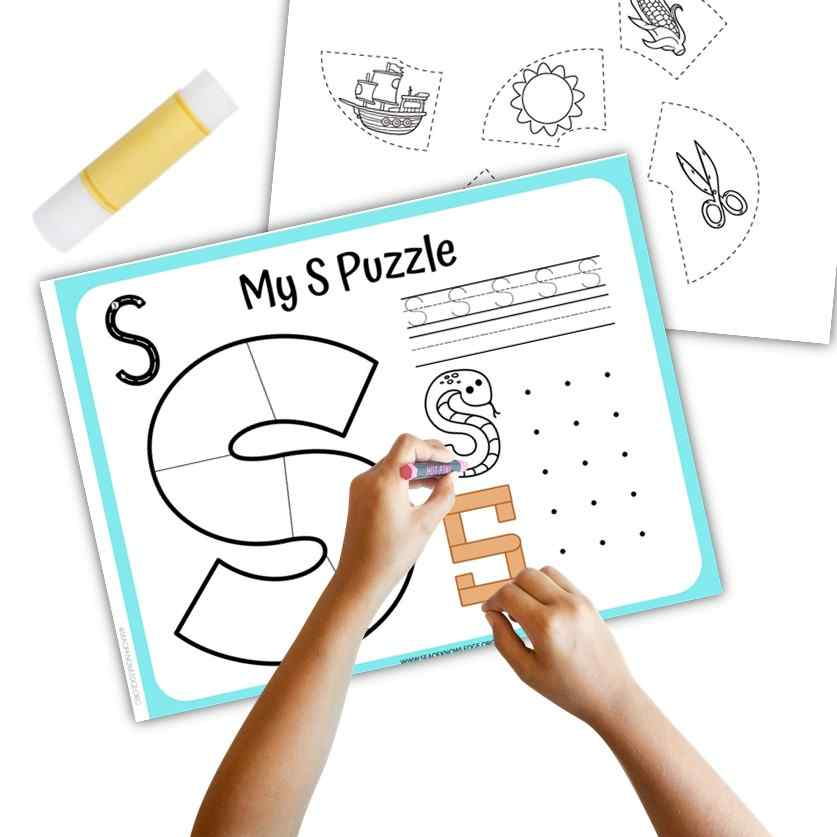
Alphabet Errorless Learning Activities for Struggling Learners Who Are Tired of Feeling “Wrong”
There is a moment during phonics instruction that honestly breaks my heart every single time. These Alphabet Errorless Learning activities truly helps boost students’ confidence in getting it ‘right’ and not focus on getting it wrong because that’s where the blow to their confidence happens.
If your students need even more hands on practice with letters and sounds, I also have a huge collection of alphabet activities for kids that work beautifully alongside these errorless learning pages. Many of the activities focus on visual supports, fine motor practice, and beginning sounds to help struggling learners stay engaged without feeling overwhelmed.

You hold up a letter card during carpet time.
Half the class yells out the sound confidently. One student blurts out the wrong answer. Another child giggles. Then suddenly one little learner completely shuts down.
They stop raising their hand.
They stare at the floor.
They quietly copy everyone else during literacy centers instead of actually participating.
And the worst part? A lot of these children are not refusing to learn letter sounds. They are terrified of getting them wrong again.
I think teachers especially in special education, kindergarten intervention, speech therapy, autism support classrooms, and ESL settings know exactly what I mean.
Some students carry so much anxiety into phonics activities that the learning almost becomes secondary to the fear.
That is exactly why I started using more alphabet errorless learning activities in my classroom.
Not because they are flashy.
Not because they are Pinterest perfect.
But because they finally gave some of my struggling learners a way to feel successful during literacy instruction again.
One activity my students absolutely love during literacy centers is this free i spy the alphabet under the sea theme printable. It turns letter recognition into a fun visual search game while still reinforcing important phonics and alphabet skills for preschool and kindergarten learners.
What Is Alphabet Errorless Learning?
If you have never heard the term before, alphabet errorless learning is an approach that reduces the chance of repeated mistakes while students learn letter names and letter sounds.
Instead of constantly being quizzed or put on the spot, children are gently guided toward the correct answer through visual supports, repetition, matching activities, and simplified choices.
Grab this set of fine motor mini booklets here.
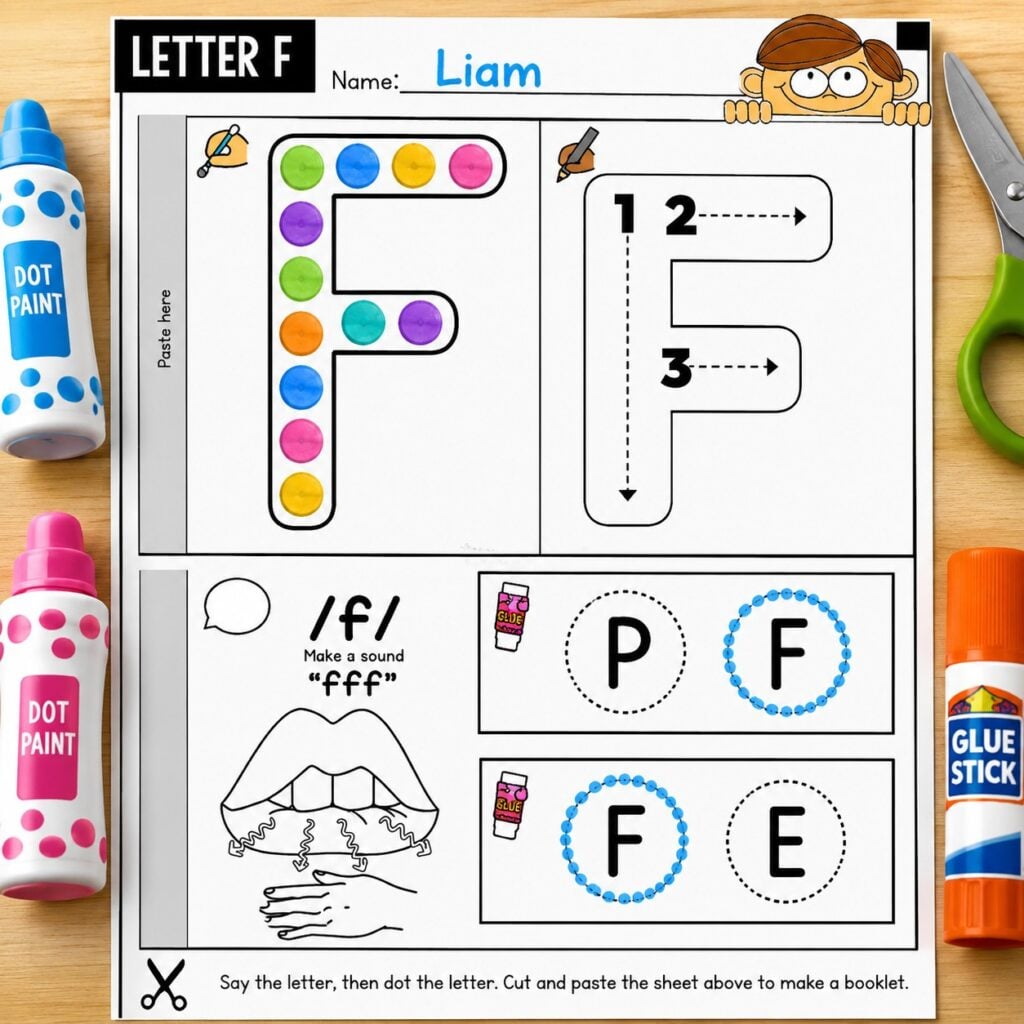
For some learners, traditional phonics instruction can feel overwhelming fast.
Especially students with:
- autism
- speech delays
- developmental delays
- working memory difficulties
- processing challenges
- ESL and ELL needs
- early intervention goals
Sometimes these students actually know more than they can express in the moment. But once anxiety kicks in, everything suddenly disappears.
I have had students who could sing the alphabet beautifully but freeze completely when asked for a single letter sound.
I have had students memorize the answers of the child sitting beside them because they were too scared to answer independently.
I have had children hide under tables during literacy rotations because phonics had become associated with embarrassment instead of learning.
Whew. Those moments stay with you as a teacher.
For students who need extra repetition with uppercase and lowercase identification, this alphabet upper and lowercase matching with beginning sounds flower pot activity is another great low prep option. I especially love pairing this with mouth cue instruction because students are practicing both letter recognition and beginning sounds together in a more supportive way.
Why Traditional Phonics Activities Sometimes Backfire
Honestly, many traditional letter sound recognition activities rely heavily on instant recall.
Grab this set of fine motor mini booklets here.
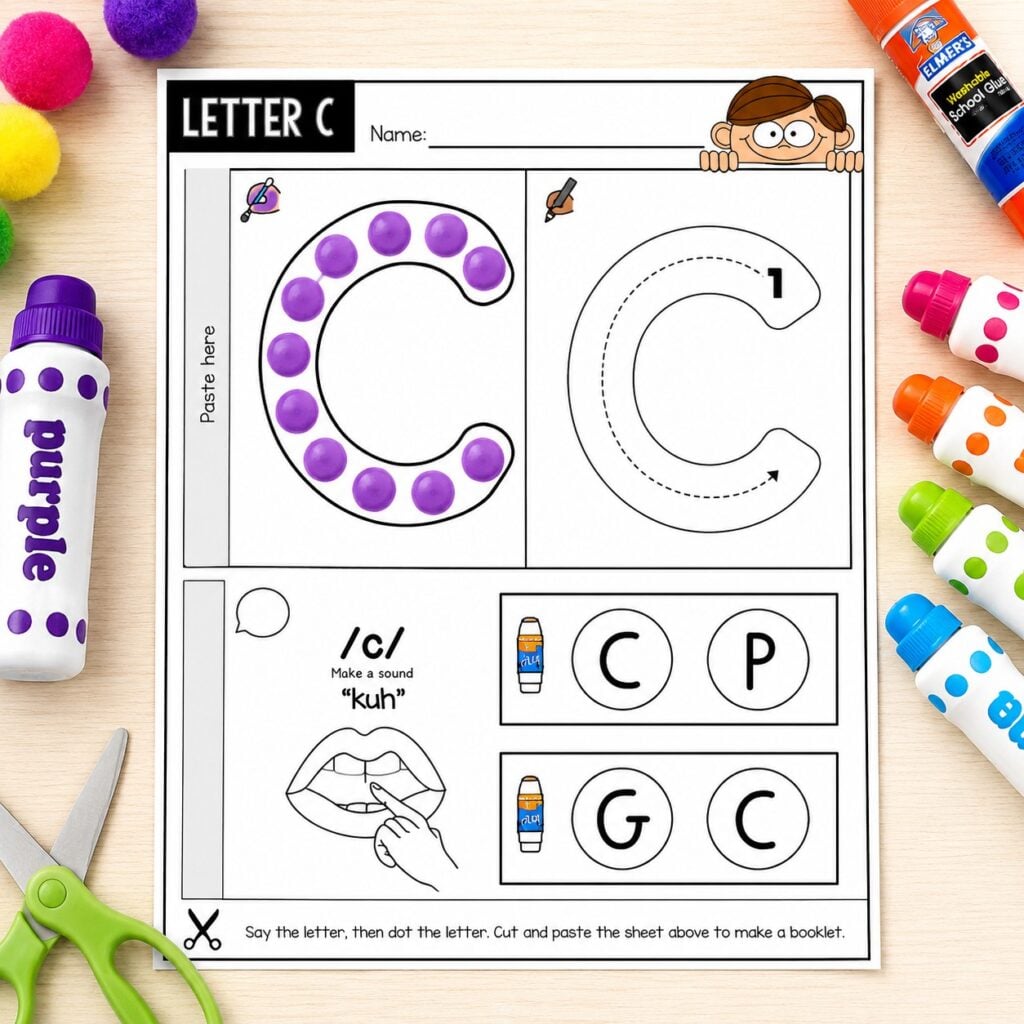
“What sound does this letter make?”
“What picture starts with A?”
“Tell me the beginning sound.”
For confident learners, that is usually fine.
But for struggling learners, those questions can start feeling like mini tests all day long.
And once a child starts feeling like they are always failing during phonics instruction, they often begin avoiding literacy altogether.
That is usually when you start seeing:
- behavior during reading groups
- silly answers to avoid trying
- refusal to participate
- constant bathroom breaks during literacy
- copying peers instead of responding
- shutting down completely during intervention
Sometimes the “behavior problem” is actually a child trying desperately not to feel embarrassed again.
These alphabet matching printable activities are also wonderful for intervention groups and independent literacy bins. Matching activities can feel much less intimidating for struggling learners than traditional phonics drills while still building important sound and letter connections.
The Printable Set That Changed Things for My Students
That is why I created these alphabet matching worksheets with a strong errorless learning for autism and intervention approach in mind.
Grab this set of cut and paste alphabet errorless learning printable pages here.
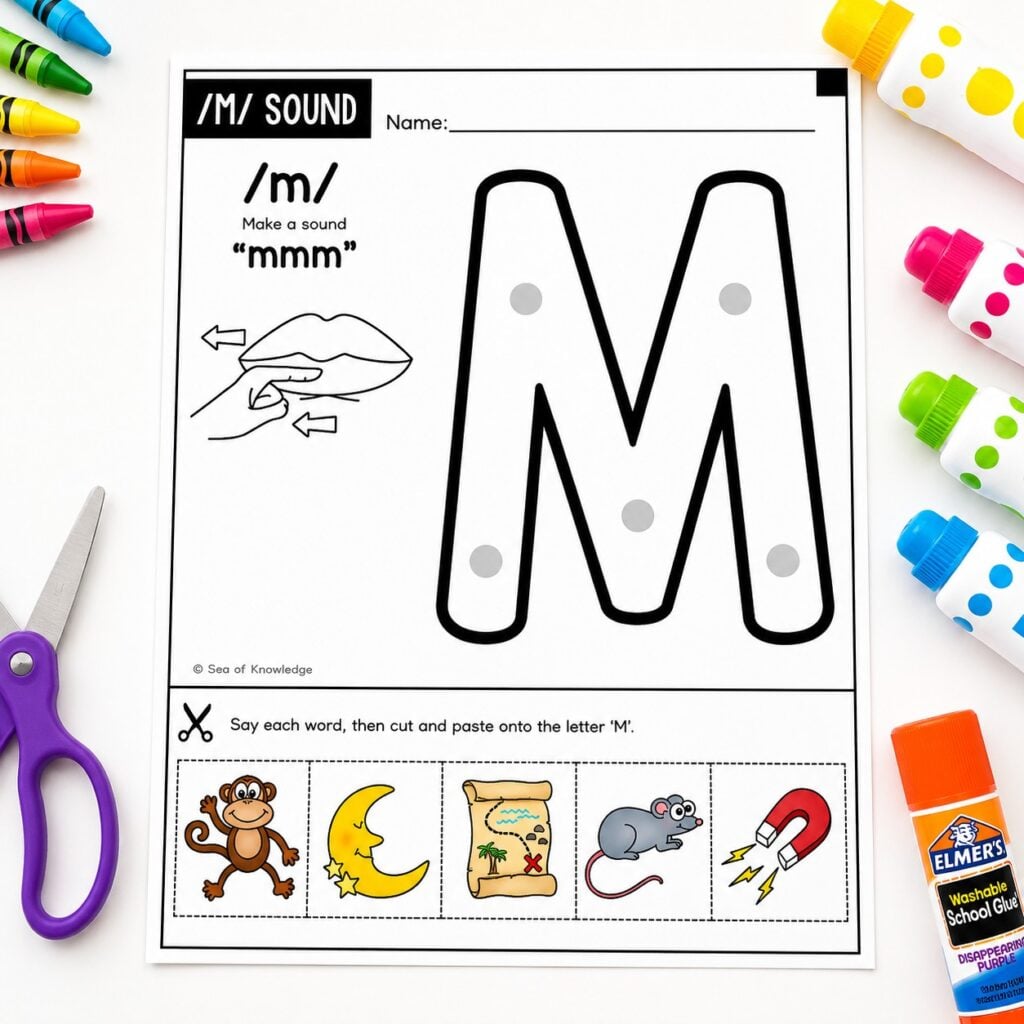
Instead of overwhelming students with too many choices, each page focuses on one target letter and one target sound at a time.
The pages include:
- a large focus letter
- visual mouth sound cues
- simple articulation prompts
- cut and paste matching pictures
- hands on phonics activities
- clear visual supports for success
And honestly? The mouth cues became the most powerful part.
Some children do not just need to HEAR the sound.
They need to SEE it.
When students can visually connect the mouth formation to the sound itself, it suddenly becomes more concrete. That extra support can make a huge difference for students struggling with phonemic awareness, speech production, and letter sound recognition.
For example, on the short A page, students see the mouth formation for “aeh” while matching pictures that begin with the target sound.
Instead of feeling like a test, the activity feels supported.
If you are introducing letters one at a time, this preschool letter a resource is packed with simple phonics activities and fine motor practice for early learners. It works especially well for students who benefit from repetition and predictable routines during alphabet instruction.
Why Mouth Sound Cues Help Struggling Learners
I honestly think visual phonics supports are one of the most underrated tools for early literacy.
Especially for students in:
- speech therapy
- autism classrooms
- kindergarten intervention
- special education literacy groups
- preschool phonics programs
- ESL and ELL instruction
Some learners process visual information far more effectively than auditory instruction alone.
And when you combine visual mouth cues with movement, cutting, matching, and repetition, students start building stronger sound connections naturally.
One of my students used to whisper random sounds every single time I showed a letter card. You could literally see the panic on his face during phonics groups.
But once we switched to supported beginning sound activities with mouth cues and simplified matching, something changed.
At first he only copied me.
Then he started pointing independently.
Then one morning he quietly looked at the picture of an apple and whispered:
“/a/…”
I still remember how shocked he looked after getting it right.
Like he genuinely did not expect himself to succeed.
Those tiny moments matter so much more than people realize.
Seasonal activities can also make phonics practice feel more exciting for reluctant learners. These halloween alphabet formation activities are a fun way to reinforce letter formation, beginning sounds, and hands on learning during October centers and small groups.
These Printable Alphabet Activities Are Meant to Build Confidence First
I think sometimes we forget that confidence is part of literacy too.
A child who feels safe enough to participate will almost always learn more than a child operating from stress and shame all day long.
That is why I love using printable alphabet activities that remove some of that emotional pressure.
These pages are not about perfection.
They are about participation.
They are about giving students repeated opportunities to interact with letters and sounds without constantly feeling corrected.
And honestly? Some children need that bridge before they are ready for more independent phonics tasks.
I also love keeping a visual print alphabet chart printable nearby during literacy instruction so students can independently reference letters and sounds when needed. Visual supports like alphabet charts can make a huge difference for students who struggle with phonics recall or working memory.
How I Use These During Literacy Centers
I usually use these phonics intervention activities during small group instruction, morning work, literacy centers, or independent support bins.
The hands on cutting and matching keeps students engaged without making the activity feel overwhelming. And because the visuals are predictable from A to Z, students start building confidence quickly.
They also work really well for send home practice because parents can easily follow the mouth cues and picture matching without needing complicated instructions.
That consistency matters for struggling learners.
Especially the ones who need repetition over and over before sounds finally “stick.”
If you are exhausted from trying every phonics strategy under the sun while watching some students still struggle, you are absolutely not alone.
Sometimes children do not need harder worksheets.
Sometimes they need more support.
More visuals.
More repetition.
More opportunities to succeed safely.
That is why I love using alphabet errorless learning activities with mouth sound cues, alphabet matching worksheets, and hands on letter sound activities for struggling learners.
Because every child deserves the feeling of:
“I got it right.”
And if you are feeling stuck trying to figure out the best way to introduce phonics skills, this guide on how to teach the alphabet shares simple strategies, hands on ideas, and supportive approaches for helping early learners build stronger confidence with letters and sounds.
5 Errorless Alphabet Learning Freebies
Check out these super fun and popular freebies to try out errorless learning!
#1 Alphabet Errorless Learning A to Z Cut and Paste Pack
If you are working with students who struggle with letter sound recognition, phonics recall, or participating confidently during literacy activities, this Alphabet Errorless Learning A to Z Pack was created specifically with those learners in mind.
Freebie is a page from the pack found in the product description.
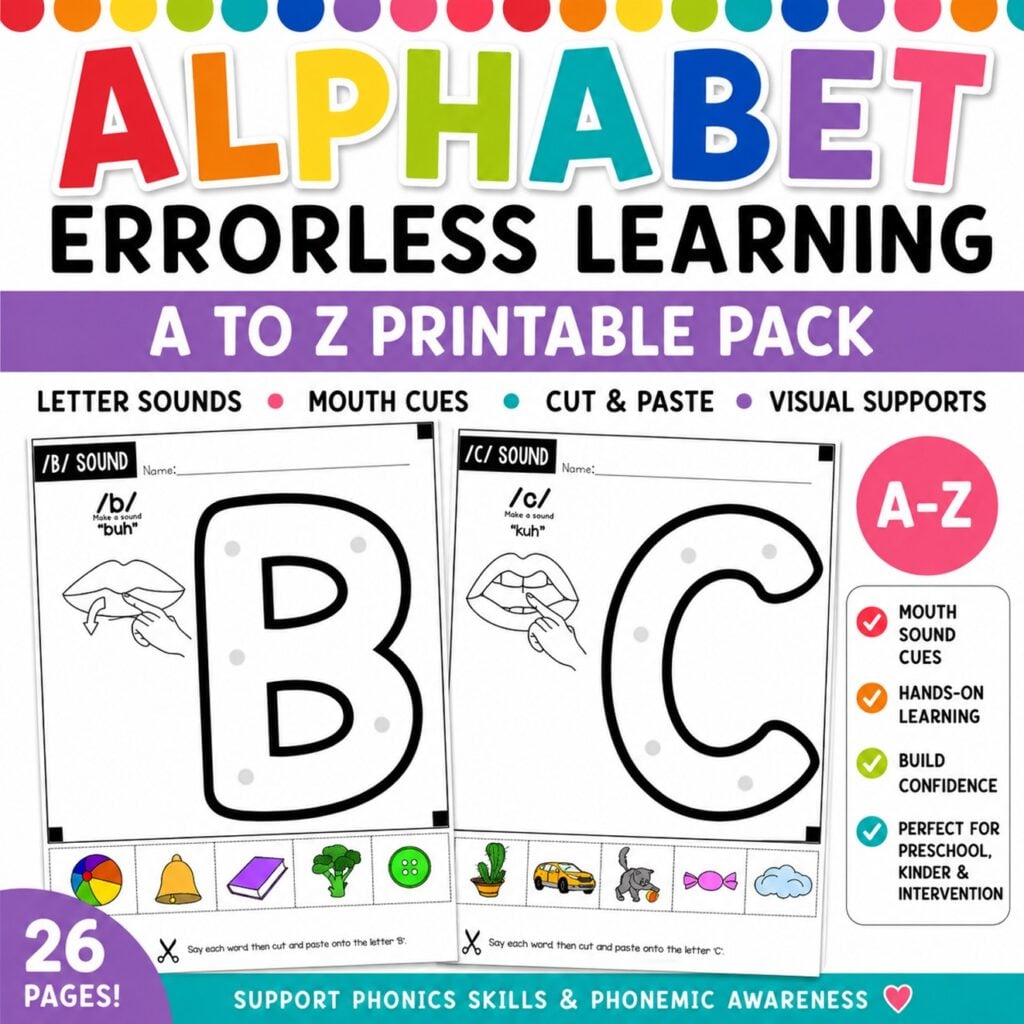
Each page includes a large focus letter, simple mouth sound cues, and hands on cut and paste matching activities to help students build stronger sound connections without feeling overwhelmed. The repetitive format from A to Z also helps struggling learners feel more secure because they quickly learn what to expect on each page.
I especially love using these printable alphabet activities during intervention groups, autism support lessons, preschool phonics centers, speech sessions, and independent literacy rotations. They work beautifully for students who need extra visual support, simplified choices, and repeated practice with beginning sounds.
If you have learners who freeze during phonics instruction, avoid answering during carpet time, or constantly second guess themselves during letter sound activities, this pack can become such a gentle confidence builder.
You can grab the full Alphabet Errorless Learning A to Z Pack below and start using the pages right away for literacy centers, small groups, morning work, or send home phonics practice.
#2 Mini Alphabet Fine Motor Booklets with Mouth Cues for Letter Sound Practice
I also created these adorable mini alphabet booklets with mouth cues for students who need even more repetition and hands on phonics support. Each booklet focuses on one target letter and includes tracing, visual mouth sound cues, simple beginning sound matching, and fine motor activities all in one compact printable.
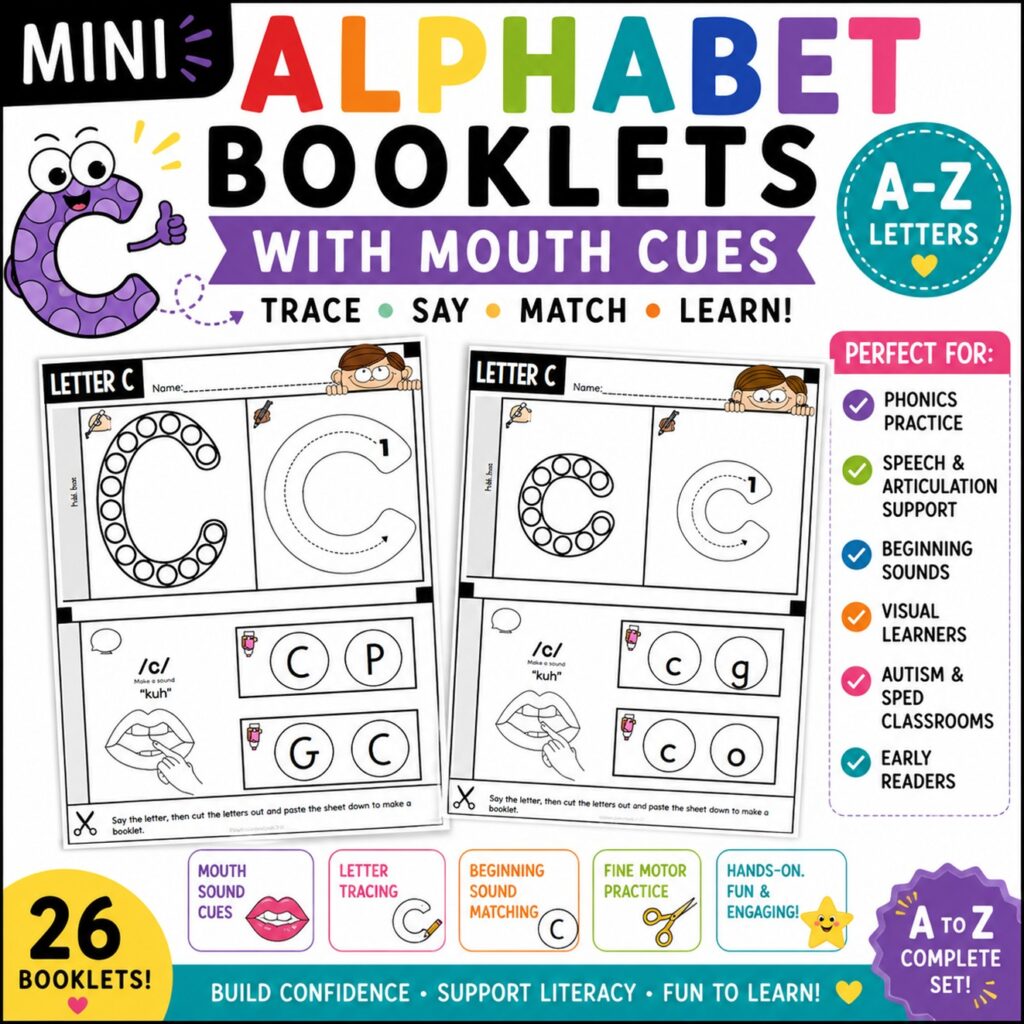
I especially love using these during literacy centers, small intervention groups, and independent phonics bins because they feel less overwhelming than full worksheets while still reinforcing important letter sound recognition skills.
These mini booklets work beautifully for preschool, kindergarten, speech therapy, autism support classrooms, and ESL learners who benefit from structured repetition and visual phonics supports. Students can trace the focus letter, practice the mouth formation for the sound, identify matching beginning sounds, and even color or dab the pages for extra engagement.
They are honestly such a fun little confidence booster for struggling learners who need phonics practice that feels achievable instead of stressful.
#3 FREE Letter A Alphabet Adapted Book
This Letter A Alphabet Adapted Book Freebie is perfect for students who need simple, repetitive alphabet practice with an errorless learning approach. The activities focus on matching, visual supports, and letter identification in a way that feels supportive instead of overwhelming for struggling learners.
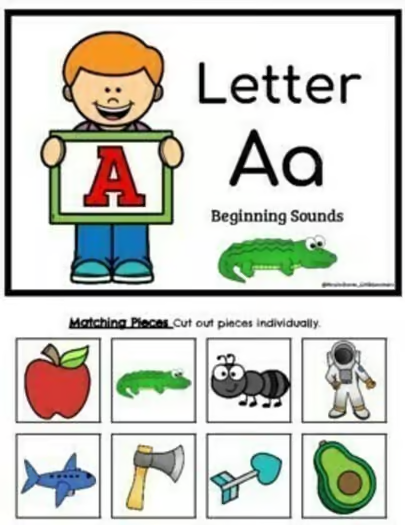
I especially love using this during intervention groups, autism support lessons, and independent literacy centers where students benefit from predictable routines and hands on phonics practice.
#4 Letter Z Low Prep Adapted Alphabet Book
This Letter Z Low Prep Adapted Alphabet Book is another great option for students who need targeted practice with one focus letter at a time.
The low prep format makes it easy to use during literacy rotations, morning work, or send home phonics review while still supporting beginning sound recognition and matching skills.
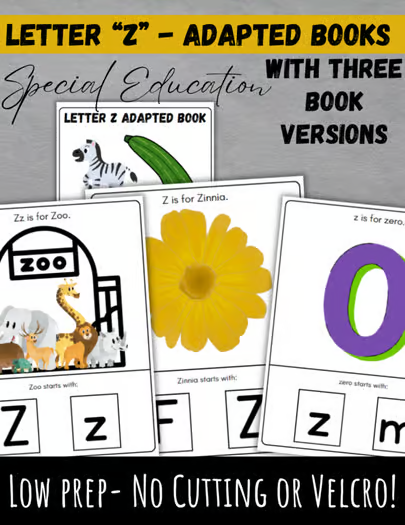
It is especially helpful for students who struggle with traditional phonics worksheets and need more visual structure.
#5 Letter A Alphabet Adapted Book for Special Education
This Letter A Alphabet Adapted Book for Special Education includes interactive matching activities and visual supports designed specifically for students who need more hands on learning opportunities.
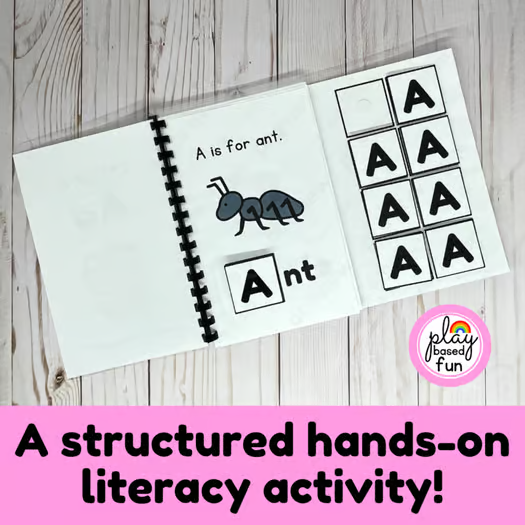
I love using adapted books like this because they help students actively participate in phonics instruction while building confidence with letter recognition, matching, and early literacy skills in a much gentler way.