
Mastering Kindergarten Sight Word Sentences Worksheets —Even for Struggling Readers
Struggling to teach your child to read? Discover simple, science-backed tips and a workbook featuring 45 essential sight words to build confidence and reading fluency. Turn struggles into smiles—click to learn more!
Let’s be real—teaching kids to read can feel like trying to teach a cat to fetch. Possible? Sure. Frustrating? Absolutely. These Kindergarten Sight Word Sentences Worksheets in this post are made just for struggling readers. But don’t worry, I’ve got your back. With a little humor, a lot of patience, and some sneaky strategies, we’ll get your kid reading like a champ—or at least recognizing the word “pizza” on a menu.
Also, let me just say, I’ve got a treasure trove of sight word activities on my blog. From flashcards to games and everything in between, I’ve covered it all.
Whether you’re working on pre-primer words or tackling those tricky second-grade sight words, you’ll find plenty of resources to keep your little reader engaged—and keep you sane. Stick around, and I’ll share my secret weapon: a workbook that’s practically magic for beginner readers.
If you are looking for a clear starting point or want a printable reference to guide your instruction, this how to teach sight words to struggling readers pdf breaks the process down step by step. It pairs well with sentence based workbook instruction and is especially helpful for teachers and parents who want a structured routine they can follow consistently without guessing what to do next.
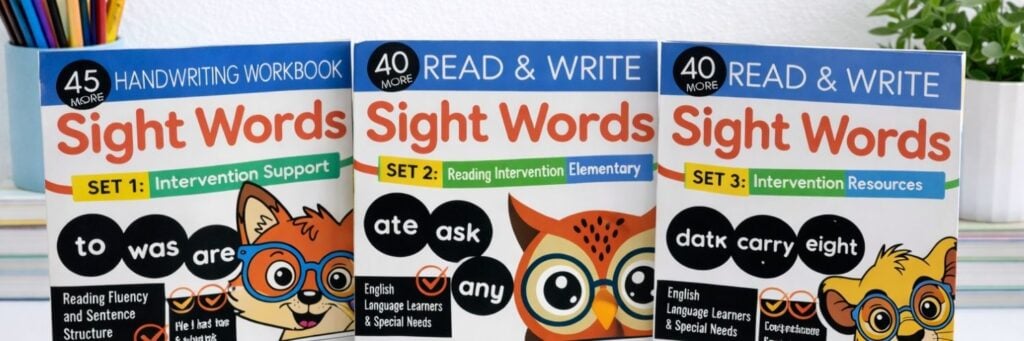
Stick around until the end of this post and snag a sample kit—perfect for testing these pages with your students before you become their reading superhero!

Speaking of magic, let’s talk about the science behind reading. Ever heard of the Science of Reading? It’s not as scary as it sounds, I promise.
Basically, it’s all about how our brains learn to read and why certain methods work better than others.
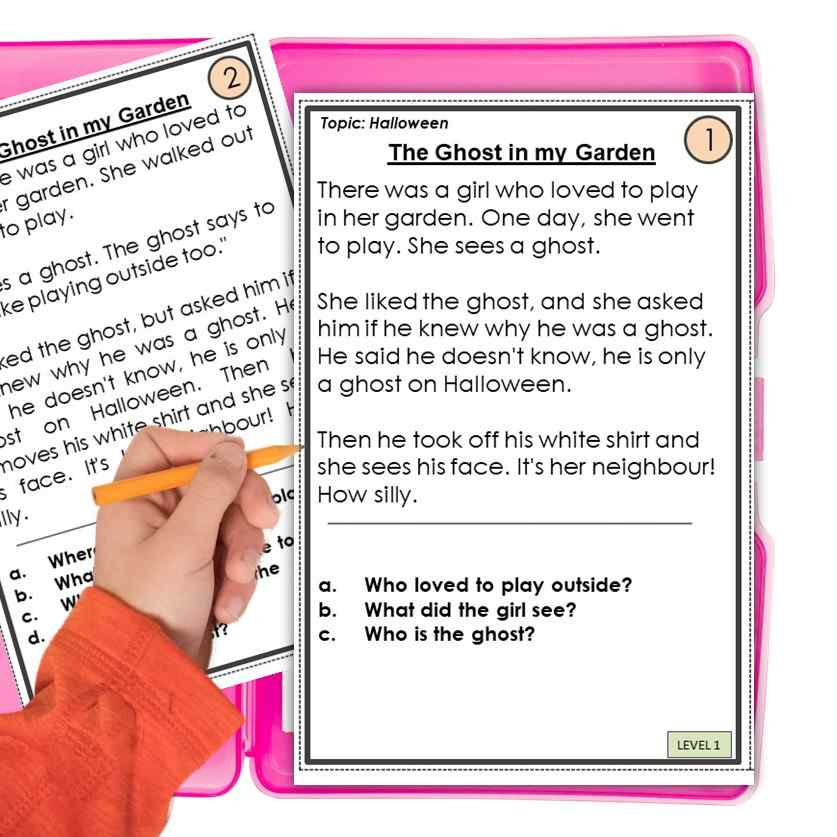
Research shows that reading sentences in context—like what this workbook focuses on—is a game-changer. Kids learn to connect sight words to real-world language, making reading feel more natural and less like a chore. It’s like turning on a lightbulb in their brain. Pretty cool, right?

Keep It Simple: Reading Tips for Parents Who Are Not Superhuman
Watch my techniques in getting kids to practice sight word reading and writing:

1. Make Reading a Habit (Like Brushing Teeth, But Fun)
Set aside some reading time every day. Maybe it’s before bed or during that post-lunch sugar crash. The key is consistency. Kids thrive on routines—and, honestly, so do I.
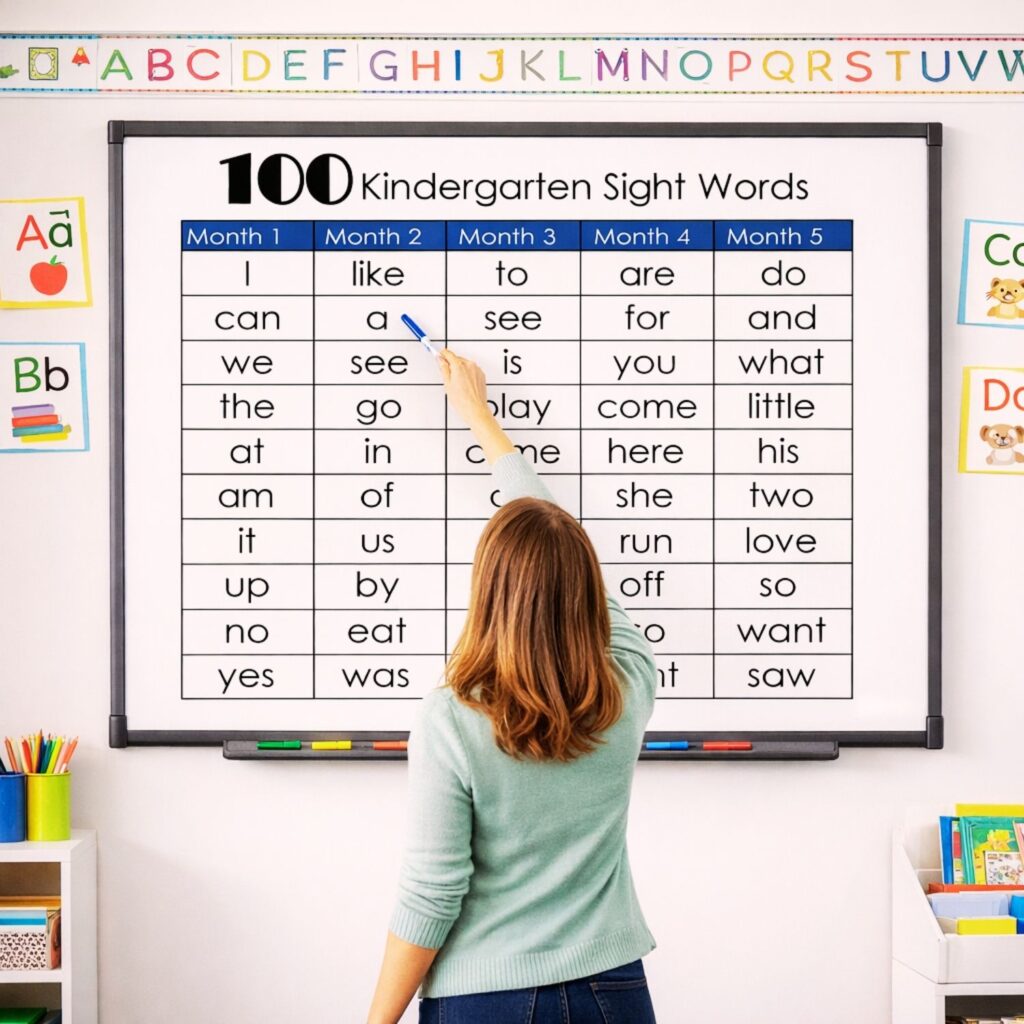
If you’re looking for a clear printable sight word list for kindergarten that’s paced by month and easy to use with ESL learners, this one works really well alongside daily reading and writing practice.
2. The Magic of Sight Words
Sight words are those pesky little words that pop up everywhere (I’m looking at you, “the” and “and”). Since they’re not exactly sound-out-able, kids need to memorize them. Think of it like flashcards but with fewer tears and more stickers.
3. Turn Reading Into a Game
Kids love games. Flashcard races, word scavenger hunts, or even dramatic readings of “Hop on Pop” can make reading feel less like a chore and more like playtime. Bonus: you get to act ridiculous, which is half the fun.
4. Writing Is Reading’s BFF
Have your kid write sentences using sight words. It’s like hitting two birds with one stone (though, please, don’t throw stones). Writing helps reinforce what they’re learning and makes them feel like little authors.
5. Celebrate Like a Maniac
Did your kid recognize the word “cat” for the first time? Break out the pom-poms! A little celebration goes a long way in keeping kids motivated.
This Workbook Might Just Be Your New Best Friend
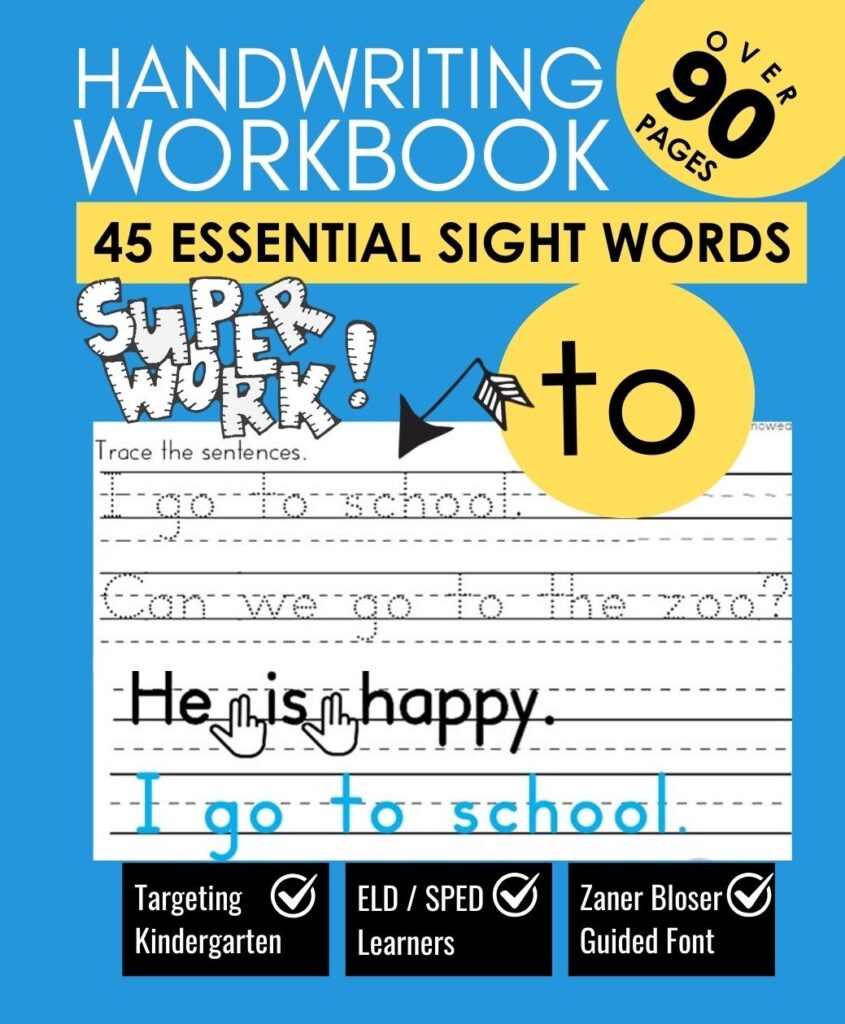
If you’re feeling overwhelmed, let me introduce you to the Handwriting Sentence Practice ELL Reading Workbook. This workbook is like a superhero cape for parents.
It’s packed with tools to help your kid tackle the top 45 sight words they need to know.
Here’s why it rocks:
Sight Words Front and Center
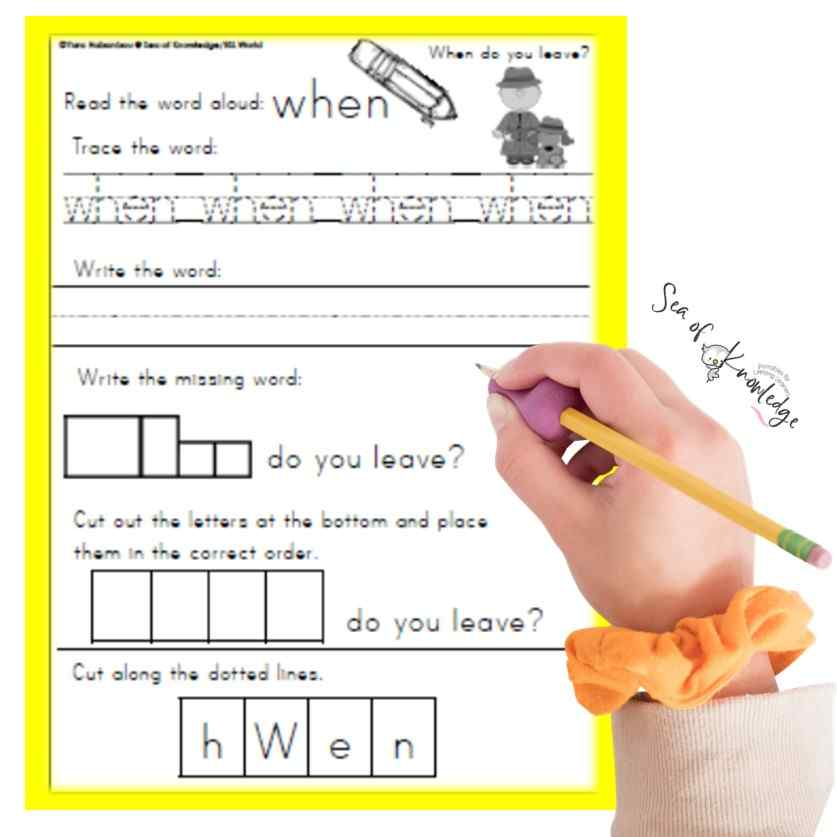
Each page focuses on one sight word, so your kid doesn’t get distracted (or, let’s be honest, bored). It’s like a laser-targeted learning experience.
Sentences That Make Sense
The workbook includes two sentences for each sight word—and they actually make sense (a rarity in some learning materials). These sentences help kids see how the words work in real life.
Handwriting Made Easy(ish)
Your kid will trace and copy sentences in the Zaner Bloser handwriting style. It’s like sneaking broccoli into mac and cheese—they’re learning without even realizing it.
Repetition, But Not Boring
Two pages per sight word give your kid the repetition they need to master it. And the variety of sentences keeps things interesting, so they’re less likely to declare, “I’m bored!” halfway through.

Why This Workbook Works (And Why You’ll Love It)
Struggling readers need structure, repetition, and a pinch of fun—and this workbook delivers all three.
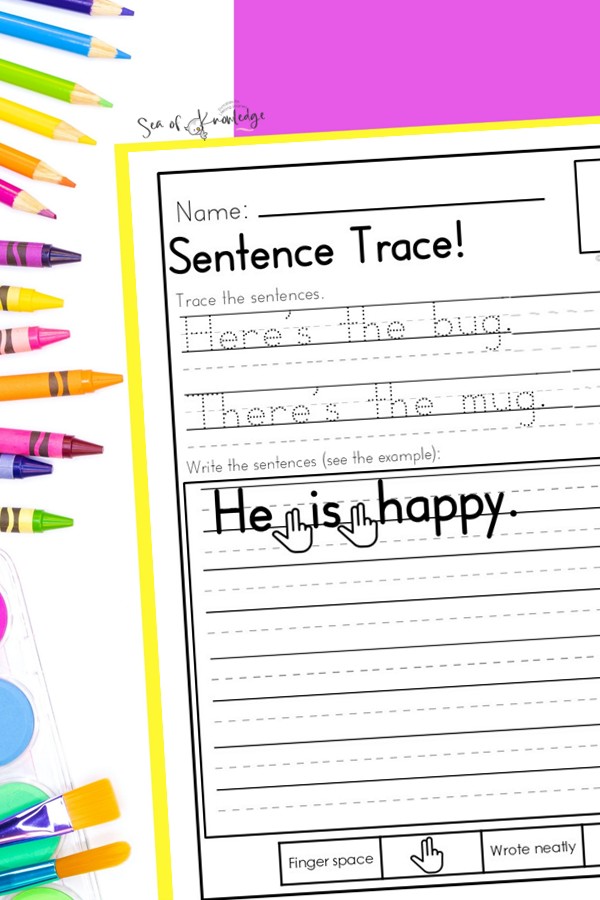
It’s perfect for independent practice, so you can sneak a coffee break while your kid works on mastering sight words. Plus, it’s so easy to use that you don’t need a teaching degree to figure it out.
Want to help your child build strong reading skills? Check out our Science of Reading Workbook! It’s packed with fun, easy-to-follow activities that focus on phonics, vocabulary, and comprehension to set your child up for reading success. Click here to grab your copy now!
This workbook also builds your child’s confidence. There’s nothing like finishing a page and saying, “Hey, I did it!” to make a kid feel like a rockstar. And let’s face it, we all need a win now and then.
Sight Word Sentences in Context Free Set
To download your free kit, simply follow these easy steps: First, unlock the image by clicking on it (don’t worry, it’s just as easy as opening a door!).
Once the image is unlocked, reload the page to refresh the link, and voilà! You’ll see the download button pop up, ready for you to grab your free kit. Happy reading!
Reading Success Is Just Around the Corner
Helping your kid learn to read doesn’t have to be an epic battle. With some daily practice, a focus on sight words, and the Handwriting Sentence Practice ELL Reading Workbook, you’ll be amazed at how quickly they improve.
Remember, it’s not about perfection; it’s about progress. Celebrate the little wins, laugh through the mistakes, and keep going. You’ve got this—and so does your kid!



![Letter Recognition Activities Reindeer Alphabet [Roll Find and Color]](https://www.seaofknowledge.org/wp-content/uploads/2022/11/letter-recogntion-activities-reindeer-alphabet.jpg)
