
50 of the Best Tracing Sheets Preschool – Kids Actually Enjoy!
Looking for ways to keep your preschooler entertained and engaged while also helping them develop important skills? Look no further than these tracing sheets preschool! These simple printables might seem basic, but they’re bursting with benefits for our little ones.

This post contains affiliate links*
How Does Tracing Help Preschoolers?
Think of tracing sheets as a sneak peek into the world of writing. As your child guides their crayon along those lines, they’re building the foundation for so many cool things:
- Fine Motor Skills: Tracing strengthens the muscles in their hands and wrists, getting them ready for the tricky task of holding a pencil and forming letters later on.
- Hand-Eye Coordination: Tracing requires focus and control, helping your child coordinate what they see with the movements of their hands.
- Shape Recognition: Tracing different shapes introduces your child to basic shapes like circles, squares, and squiggly lines, all important building blocks for future learning.
- Concentration: Tracing takes focus! These sheets can help your little one develop their ability to concentrate and stick with a task.
My Favorite Tools for Line Tracing
While there’s no fancy equipment needed for line tracing, having a few key tools can make the experience more enjoyable and effective for both you and your child. Here are some of my favorites:
Dry-Erase Boards & Markers: These reusable boards are fantastic for practicing line tracing without wasting paper. Plus, the ability to erase and start again builds confidence.

- DOUBLE SIDED DRY ERASE BOARD FOR PRACTICE: Turn the board over to keep ideas moving, giving children…
- MAGNETIC PORTABLE WHITEBOARD WITH COLORED FRAME: Arrange letter, number and shape magnets on either…
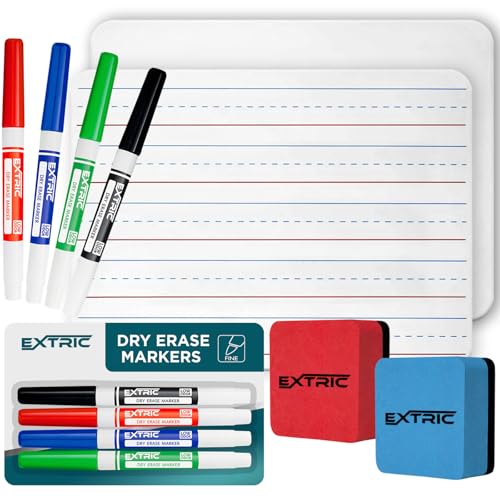
- Premium Small Whiteboard- Our small dry erase board is double sided, providing twice the writing…
- Easy to Write and Clean- Our white board dry erase are finished in quality coating; you can enjoy a…
Do-A-Dot Markers: These markers with chunky tips are perfect for younger children who are still developing fine motor skills. The dot shape helps them stay within the lines and adds a tactile element to the activity.

- Dot Markers Box Includes 6 Bright Color Dot Markers for toddlers, 3+ years art supplies, preschool…
- No Mess Leak Free: Dot Marker toddler activities Dot Paints washable for kids and toddlers is the…

- 【Vibrant Color Range】With a set of 8 vibrant colors—red, orange, yellow, green, blue, purple…
- 【Mess-free and Washable】The water-based formula also makes these toddler markers easy to wash…
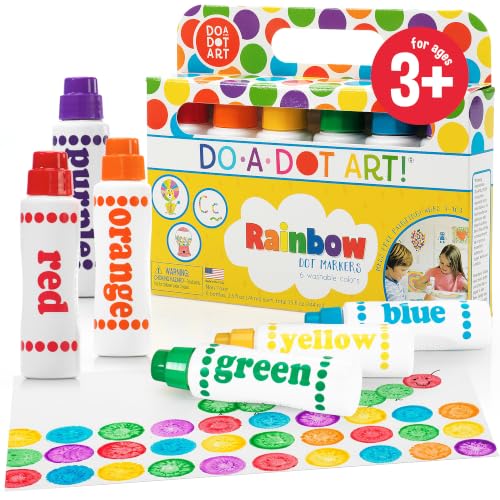
- Made in the USA: Using only the highest quality materials and standards to ensure kids have endless…
- No cups, no brush, no mess: Rainbow washable dot marker pens are easy set up clean up. Comes with…
Wikki Stix: These colorful wax sticks adhere to smooth surfaces like windows or trays. They’re perfect for creating temporary tracing lines on surfaces that can be easily wiped clean.

- Colorful, reusable hands-on fun for class projects or creative play.
- 48 Wikki Stix in hot neon colors, all eight inches long.
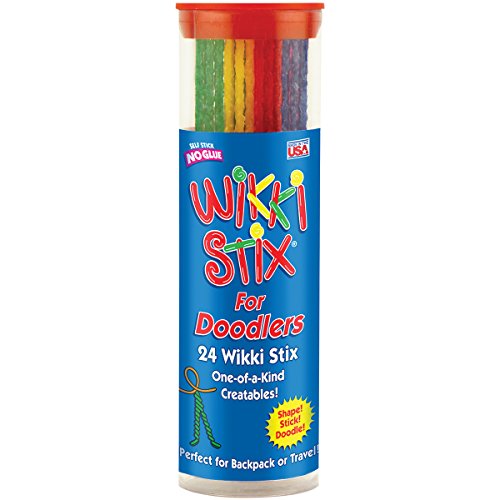
- SCREEN-FREE TRAVEL FUN FOR KIDS – Keep little hands busy on airplanes, road trips, restaurants…
- STICKS WITH NO GLUE & NO MESS – Wikki Stix are made from non-toxic wax and hand-knitting yarn that…

- Build School Readiness Skills – Strengthens fine motor development, visual discrimination, early…
- Mess-Free & Reusable – Wikki Stix are self-stick, no glue, no mess, and reusable, making them the…
Playdough & Cookie Cutters: Playdough offers a multi-sensory approach to line tracing. Roll out the dough and have your child trace lines with their finger or use cookie cutters to create traceable shapes.

- 6 DIFFERENT TOOLS — This set of dough and clay tools includes a rolling pin, roller with handle…
- MADE TO LAST — These art supplies are made of chunky, durable plastic. They’ll last for years of…


- Colorful collection of play clay and wooden tools
- Includes 5 wooden stamping cubes, 3 rolling pins, 4 tubs of modeling dough, 1 patterned wheel press
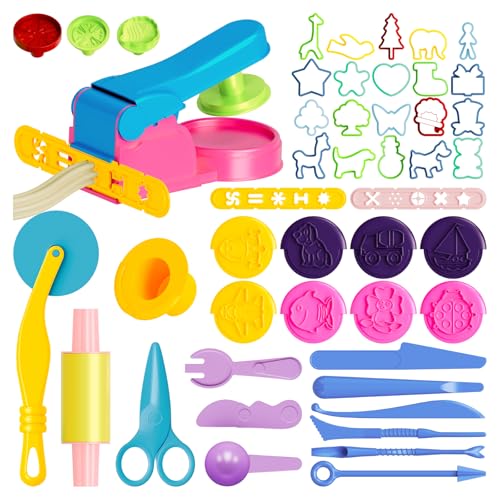
- 【DOUGH TOYS SET】50 Pieces durable clay and dough tools kit include rolling pins, molds, cutters…
- 【DOUGH MOLDS】The dough tools are bright in color, different in shape, perfectly sized for tiny…
Colorful Pencils & Crayons: Classic crayons and pencils allow for creative expression after tracing is complete. Your child can color the traced lines or use the blank space to create their own masterpieces.

- STRENGTHEN PENCIL GRIP: Help kids build proper pencil grip, hand strength, and fine motor skills…
- BUILD FINE MOTOR SKILLS: Use these kid tongs for fine motor activities, sorting games, picking toys…

- ERGONOMIC DESIGN: Triangular shaped, oversized pencil with large size diameter (13/32”) is ideal…
- EXCLUSIVE #2 GRAPHITE FORMULA: Proprietary graphite formula mined from carefully controlled sources…
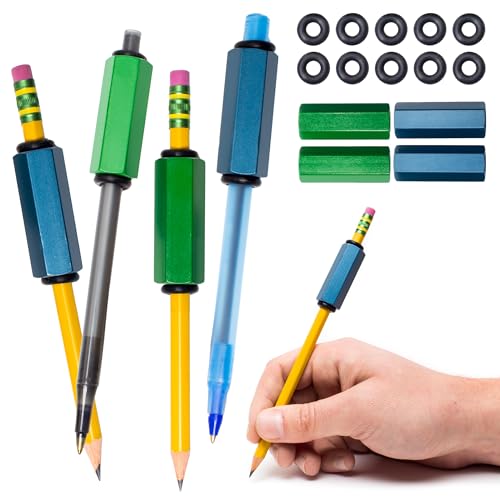
- Fix Handwriting Problems: Adding 1.5oz weights to your pen or pencil can assist with various…
- Assists With Many Ailments: The handwriting weights are useful for stroke recovery, fine motor skill…
Bonus Tip: Invest in a good sharpener to keep pencils nice and pointy – this not only encourages proper pencil grip but also makes tracing lines more precise.
Remember, the best tools are the ones that spark your child’s interest and make learning fun!
Why is Tracing Important for Preschoolers?
Early childhood is a prime time for brain development, and tracing sheets offer a fun way to target some key areas.
By strengthening those fine motor skills and hand-eye coordination, we’re setting our preschoolers up for success in writing, drawing, and all sorts of creative activities.
Plus, the sense of accomplishment they get from completing a tracing sheet can boost their confidence and keep them motivated to learn more!
20 Fun Ways to Teach Preschool Writing
We all know the magic of watching our preschoolers blossom into little writers. But fostering those early writing skills can be more than just pencil drills.
Here are 20 fun and engaging ways to turn writing into an exciting adventure:
1. Play-Doh Power:
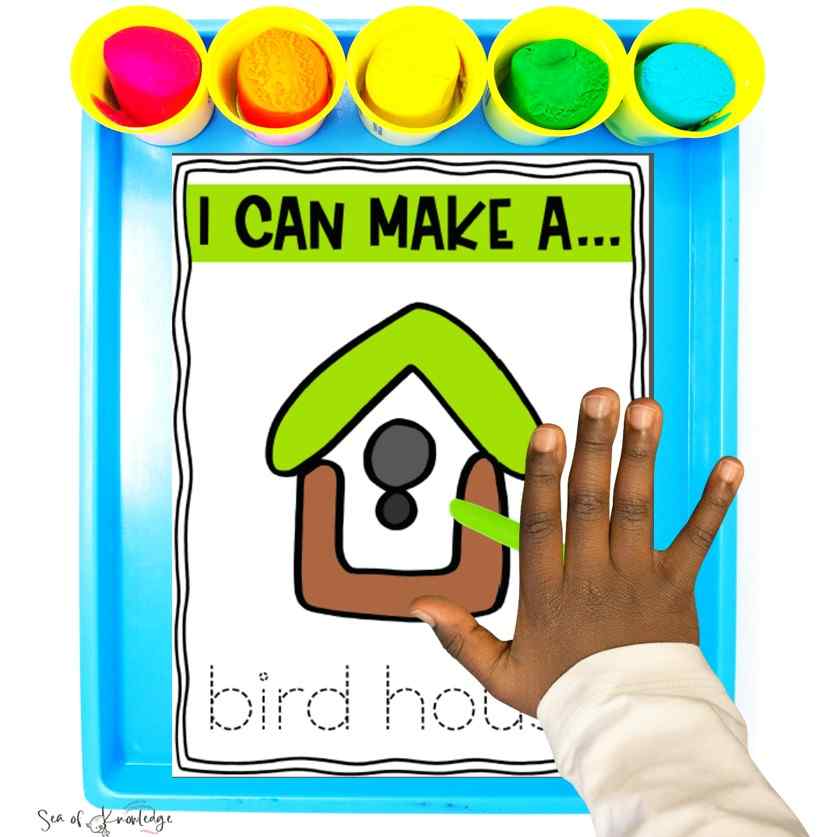
I can’t tell you how many times I’ve seen hesitant writers transform into mini Picassos with Play-Doh! Roll out flat sheets and have them “write” letters with their fingers. It strengthens those hand muscles and makes learning fun.
2. Sensory Sand Surprise:
Take a trip to the sensory table! Fill a bin with colored sand and have your little ones “write” letters with their fingers. It adds a tactile element that keeps them engaged and reinforces letter shapes.
3. Shaving Cream Extravaganza:
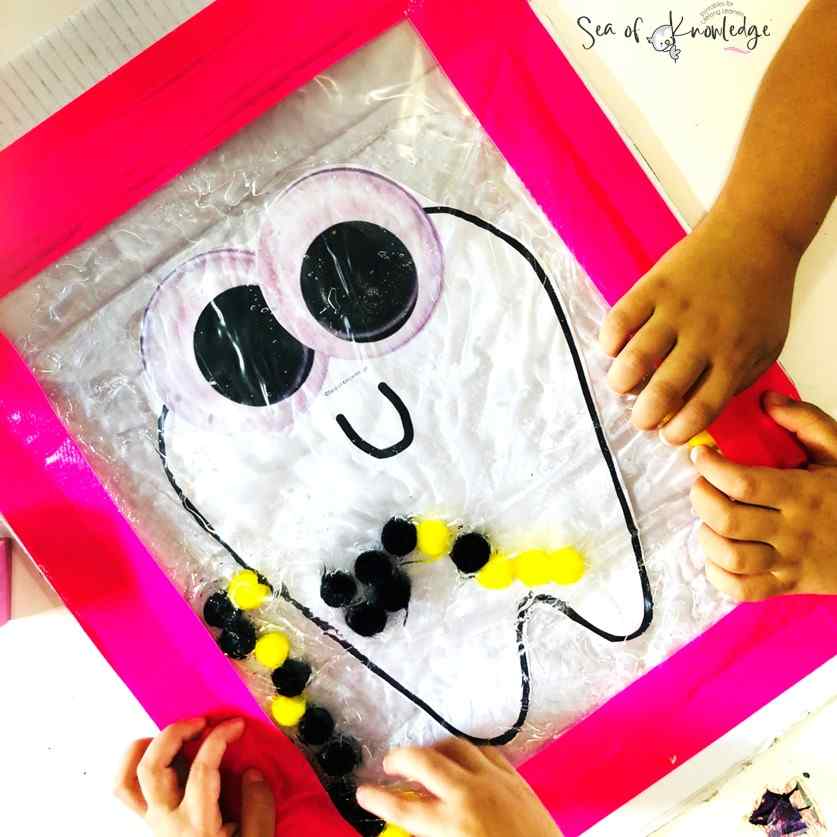
Okay, this one might get a little messy, but the giggles are worth it! Cover a table with shaving cream and let them “write” letters with their fingers. It’s a sensory explosion that helps them practice letter formation in a playful way. (Just be sure to supervise closely!)
4. Sidewalk Spectacle:
Who needs paper when you have a whole sidewalk as your canvas? Grab some sidewalk chalk and let your little ones write their names, draw pictures, or write messages for their friends. It’s a giant writing opportunity that gets them moving too!
5. Water Painting Wonders:
Turn water painting into a writing lesson! Dip paintbrushes in water and have them “write” letters on a dry surface. As the water dries, the letters magically appear! It’s a disappearing act that sparks curiosity and reinforces letter shapes.
6. Beanbag Toss Challenge:
Learning their letters can be a game! Write uppercase letters on large pieces of construction paper. Then, fill beanbags with dried beans or rice and have them toss the beanbags onto the matching lowercase letters. It’s active, it’s loud, and it’s a surefire way to learn letter recognition.
7. Magnetic Mayhem:
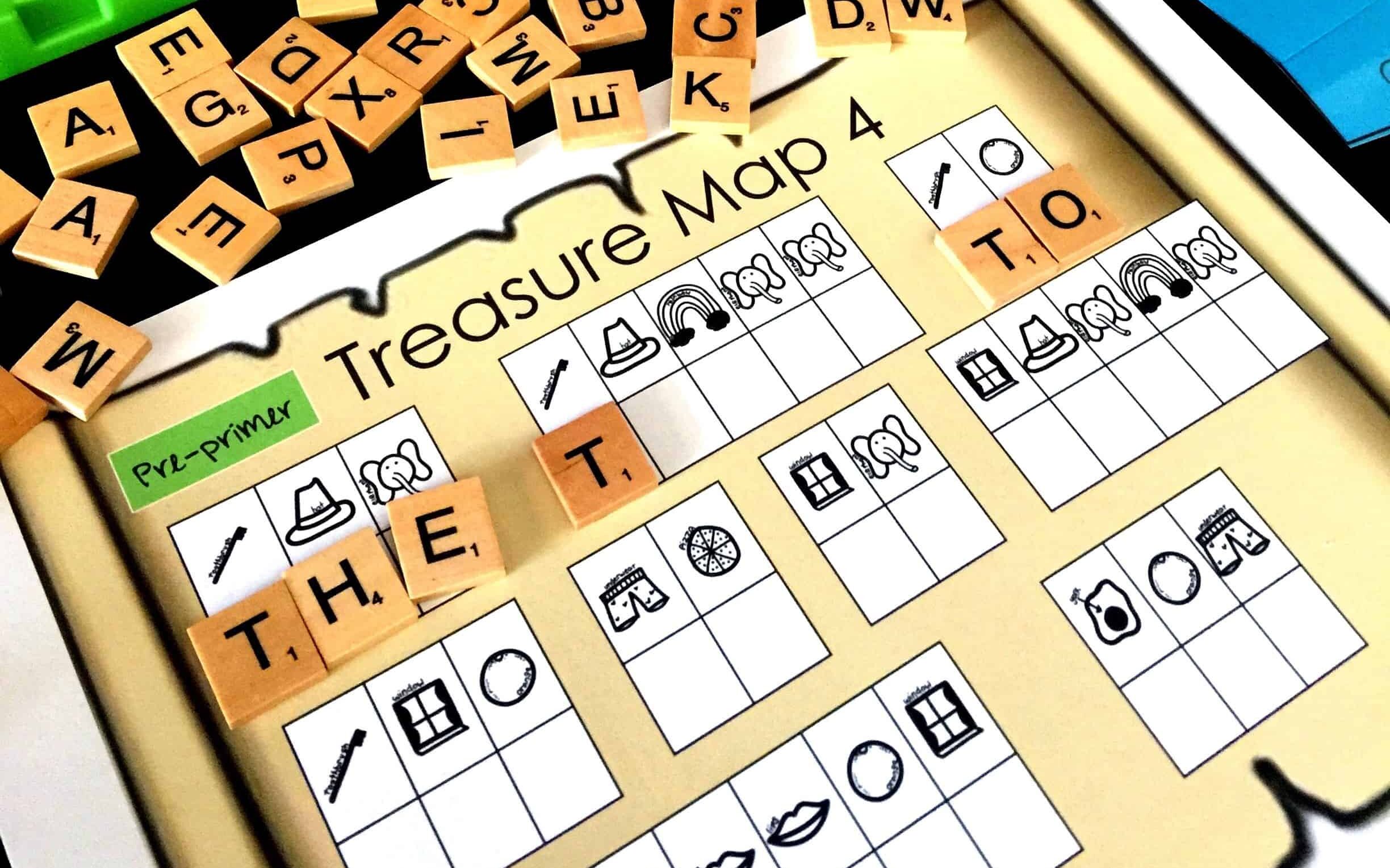
Magnetic letters are a classic for a reason! Stick them on a fridge or a dedicated magnetic board and let your little ones create words, spell their names, or even write silly sentences. The visual and interactive element makes learning fun.
8. Nature’s Writing Tools:
Take your learning outdoors! Collect sticks, leaves, or even pebbles and use them to “write” letters in the dirt or sand. This connects writing to nature and sparks creativity.
9. Treasure Hunt Time:
Hide plastic letters around the classroom (or house!) and have your little ones embark on a writing treasure hunt. When they find a letter, they can write it down on a piece of paper or use it to build a word. It’s a fun way to practice letter recognition and spelling.
10. Storytelling with Salt Dough:
Make some colorful salt dough (it’s easy!) and have your children create their own stories with the dough. They can mold shapes, write letters, or even sculpt characters. It’s a creative outlet that incorporates writing elements.
These are just a few ideas to get you started! Remember, the key is to make writing fun, engaging, and accessible. Let their imaginations soar and watch their writing skills take flight!
Free Tracing Sheets Preschool!
Ready to unleash the tracing fun? The good news is, you don’t need fancy materials to get started. There are tons of free tracing sheets available online, featuring everything from playful animals to cute shapes.
Here are my favorite:
Tracing Workbook by Level
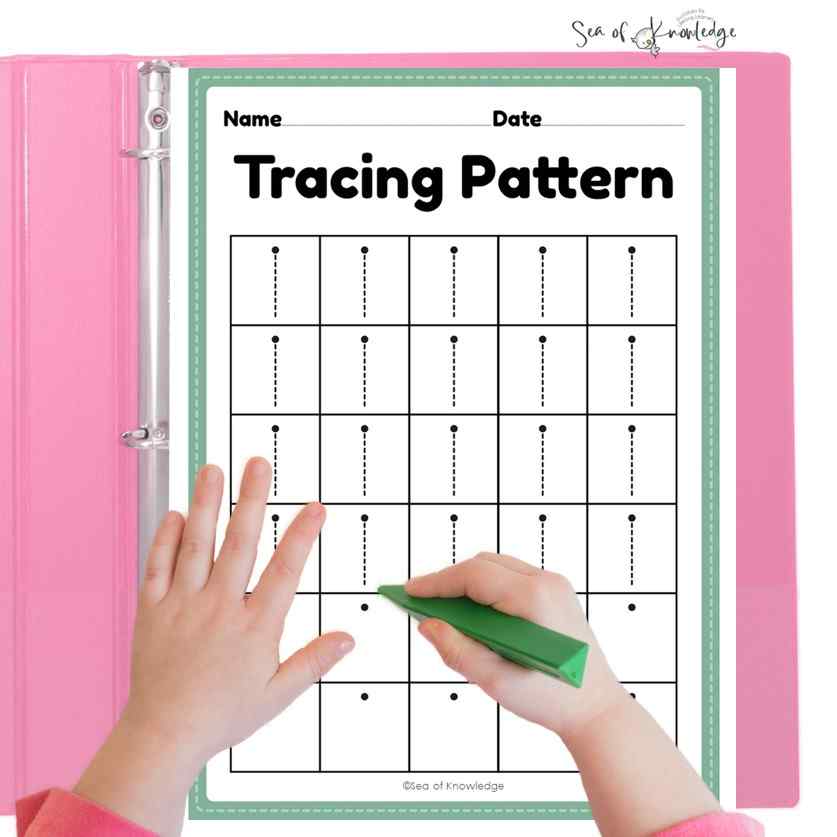
As your little one embarks on their exciting journey towards writing, a tracing workbook that breaks down the alphabet letter by letter can be a valuable companion.
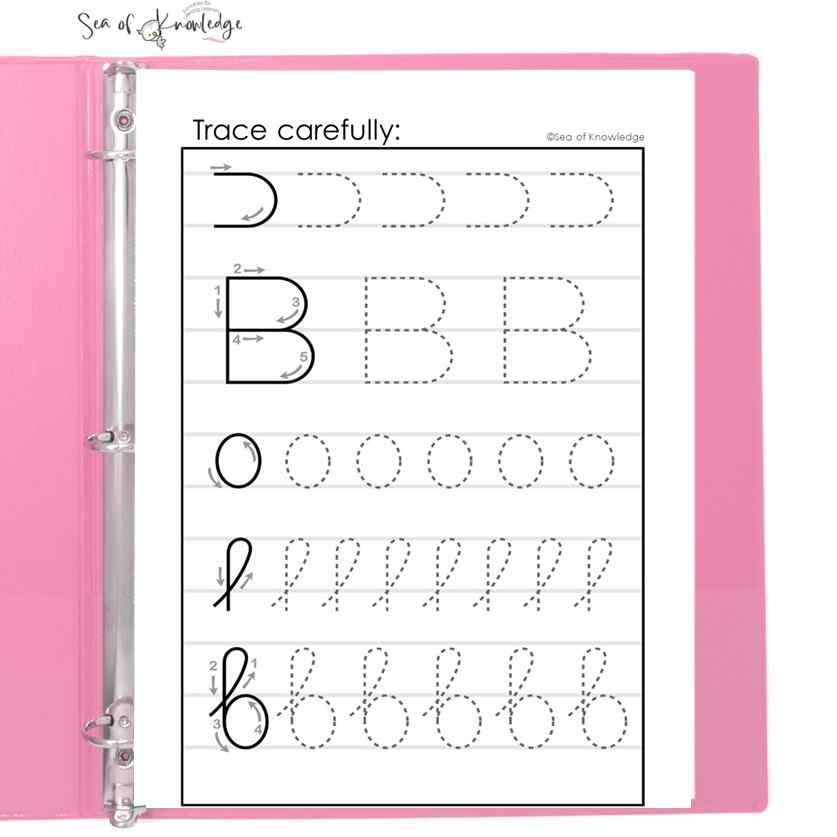
These workbooks offer a structured approach that helps build confidence and fine motor skills, all while introducing the wonderful world of letters.
Here’s what makes a step-by-step tracing workbook special:
- Gradual Progression: The workbook starts with simple lines and shapes, slowly progressing to more intricate letter formations. This allows your child to build their skills gradually, preventing frustration and promoting a sense of accomplishment.
- Step-by-Step Guides: Many workbooks include visual guides that break down each letter formation into smaller, manageable steps. Arrows show the direction of movement, and dotted lines indicate where to begin and end the stroke. This visual guidance provides a clear roadmap for your child to follow.
- Variety is Key: Most workbooks don’t just focus on tracing. They often include additional activities like coloring corresponding pictures, matching uppercase and lowercase letters, or even practicing writing the letters independently after tracing. This variety keeps things interesting and reinforces learning through different activities.
Benefits of a Tracing Workbook:
- Develops Fine Motor Skills: Tracing strengthens the muscles in the hands and wrists, preparing your child for the act of writing.
- Improves Hand-Eye Coordination: Tracing requires focus and control, allowing your child to coordinate what they see with the movements of their hands.
- Promotes Letter Recognition: Repeatedly tracing letters helps your child become familiar with their shapes, laying the groundwork for future reading and writing.
- Boosts Confidence: Completing tracing exercises gives your child a sense of accomplishment, motivating them to continue learning.

Tips for Using a Tracing Workbook:
- Start Slow: Don’t overwhelm your child. Begin with a few letters at a time and gradually increase the pace.
- Make it Fun!: Use colorful crayons or markers, and sing alphabet songs together to keep things engaging.
- Offer Encouragement: Be patient and celebrate your child’s progress, no matter how small.
- Practice Makes Perfect: Regular tracing practice over time will help your child master the alphabet.
Remember: Tracing workbooks are a tool, not a rigid requirement. Feel free to adapt them to your child’s pace and learning style.
The most important thing is to create a positive and encouraging environment where your child feels comfortable exploring the world of letters.
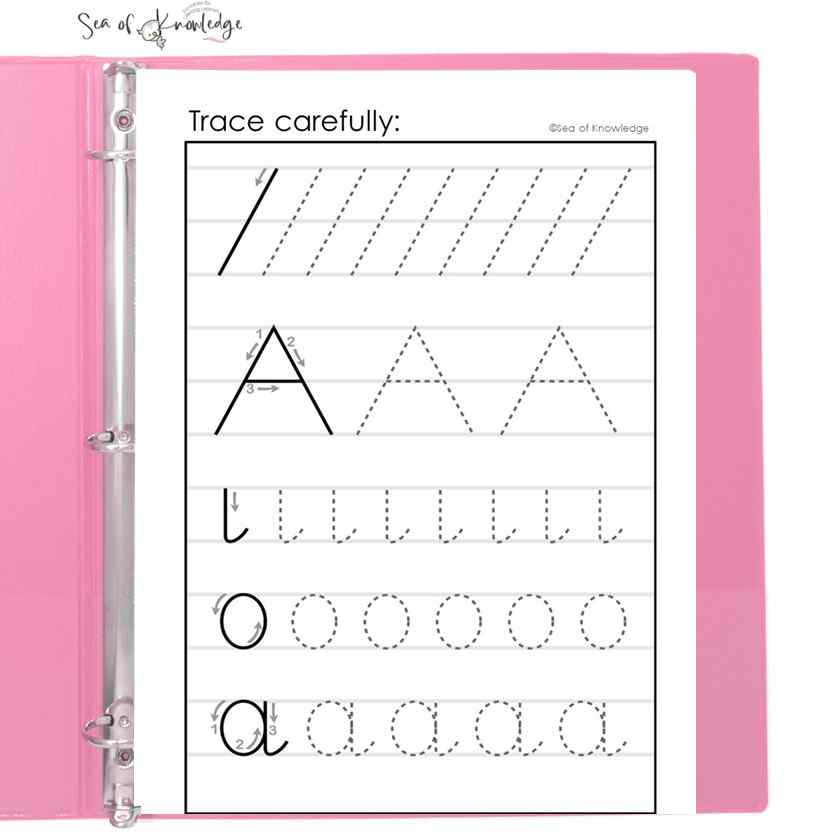
Line Tracing Camping Theme
Is your child ready to start off on a writing adventure? Mastering the art of tracing lines is a crucial first step, building those all-important fine motor skills needed for future writing success.

Here, we’ll guide you through different types of line tracing worksheets and offer tips to help your little learner navigate them with confidence!
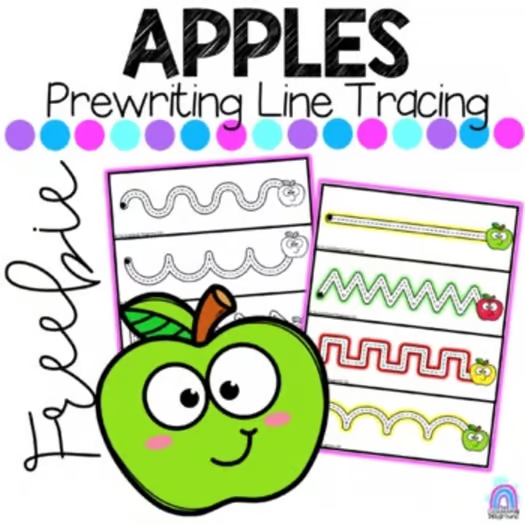
Apples Line Tracing
From the author: “These APPLE themed line tracing mats or cards are a great prewriting tool to add to your back to school activity line up! Tracing lines is a fantastic way to have your students build comfort with writing tools and following different types of lines to then be able to form their own letters or numbers.”
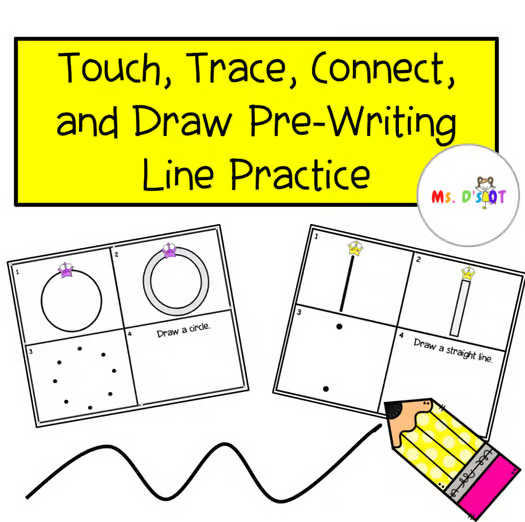
Touch, Create, Connect Line Tracing
From the author: “This resource is great for young learners to begin developing handwriting skills. It includes pre-writing lines such as: vertical, horizontal, and circle. Each writing line and shape has a star that shows students where to begin drawing.”
Bonus Tip: Make it a colorful adventure! Encourage your child to use different colored crayons or markers to trace the lines. You can even turn it into a game – who can trace the fastest, or the most carefully?
So there you have it! Tracing sheets are a simple yet powerful tool to help your preschooler develop essential skills while having a blast.
Grab some crayons, print out those free sheets, and get ready for a tracing adventure!

![Winter Craft Preschool Hat Template [Free Download]](https://www.seaofknowledge.org/wp-content/uploads/2023/01/winter-name-craft-min-scaled.jpg)
