The worst mistakes I made teaching reading comprehension strategies for struggling readers
Let’s be real—some kids just do not get reading. They can decode like little champs but then stare at you blankly when you ask, “So what was that about?” Been there? SAME. If you’ve got readers who read the words but have no clue what’s happening, you’re in the right place.

I’ve worked with so many ELL students and struggling readers who made me want to bang my head on the desk (lovingly, of course). But over time—and lots of trial and error—I picked up some reading comprehension strategies that actually work. So today, I’m sharing five of my faves that won’t make you want to pull your hair out.
5 Reading Comprehension Strategies for Struggling Readers (That Won’t Make You Cry)
1. Preview & Predict
Before we even read a single word, we play a little guessing game. Look at the pictures, scan the title, and throw out some wild predictions. It gets kids curious, and curious kids are engaged kids. I used this with my Easter reading comprehension pack, and you’d think I handed out chocolate. They were so into it.
2. Visualize While Reading
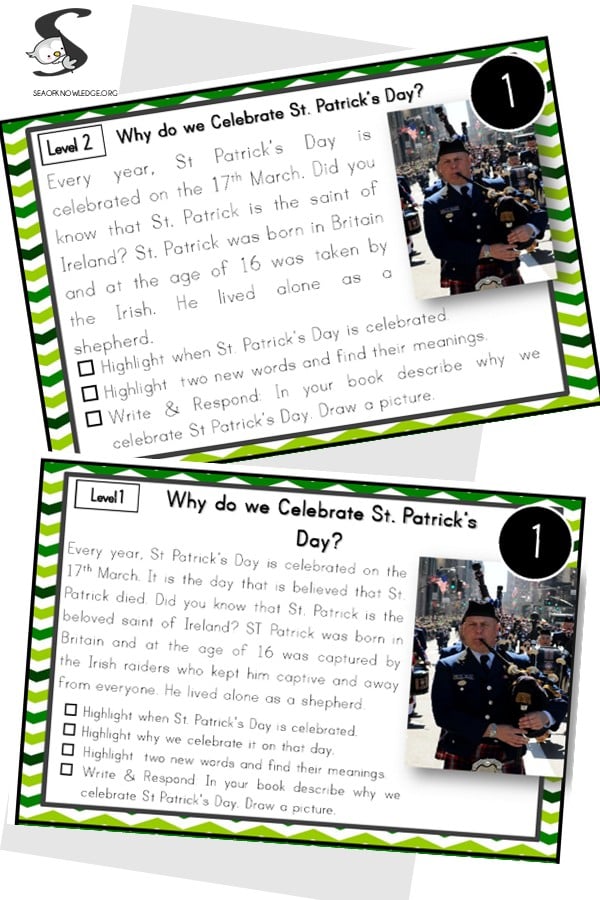
One time, I had a student who read a whole paragraph about a picnic and thought they were in a shopping mall. 🤦♀️ That’s when I learned the power of visualization. I gave her crayons and said, “Draw what you see in your mind.” That’s when the lightbulb went off. Visuals help, especially with my St. Patrick’s Day worksheets. Leprechauns + rainbows = imagination gold.
3. Use Graphic Organizers
If your students’ brains look like a bowl of spaghetti after reading, graphic organizers are your best friend. They break things down in a way that doesn’t feel overwhelming. I’ve used them with my Chinese New Year reading passages—and it was a game changer. Bonus: no more “I forgot what happened” after every paragraph.
4. Fluency Phrase Practice
You know when kids read like robots and you’re like… yikes? Yeah. Been there. Fluency phrases to the rescue. I use Fry fluency phrases and make them say them with silly voices—pirate, opera singer, you name it. They laugh, I laugh, and most importantly—they get what they’re reading.
5. Build Background Knowledge
Sometimes they don’t understand because they have zero clue what the text is even talking about. Like when I taught animal habitats and half the kids didn’t know what a rainforest was (cue panic). We watched a clip, then jumped into this classification of animals pack. Minds blown. Understanding soared.
Want to sneak in cultural background too? Try this Christmas Around the World reading pack. My students were fascinated—and so was I.
Real Talk: FAQs I Get ALL. THE. TIME.
1. What do I do with kids who can decode but have no idea what they just read?
Ohhh this one is the classic “word-callers” situation—where they’re reading fluently but have zero clue what they just read. First, don’t panic. Second, try shifting your focus away from accuracy and onto meaning. Start with stopping after a few sentences and asking them to explain what’s happening—in their own words or with a quick sketch. Add in visuals, real-life connections, and even act-it-out scenarios. You’ll be shocked at how quickly their comprehension kicks in when the focus is on understanding rather than just ‘getting through it.’

2. What are the best strategies for ELLs who struggle with comprehension?
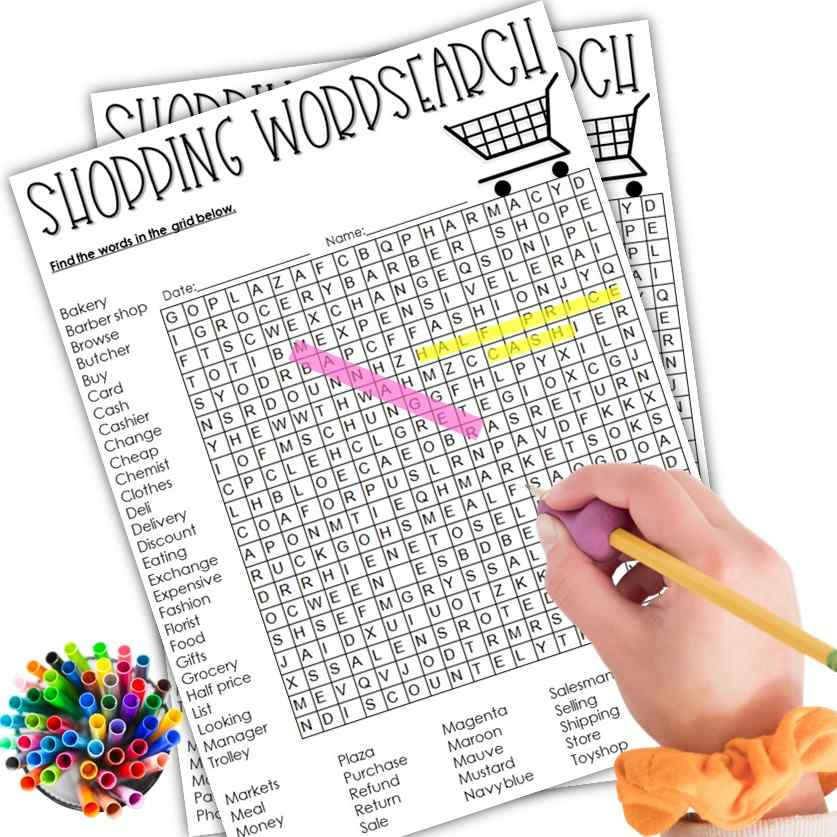
Been there, felt that. One of the best ways to support ELLs is to frontload vocabulary, like using wordsearches, like this shopping wordsearch below. That means before you even touch the text, go over key words, show them real photos, and even act things out if you have to. Use bilingual supports if possible, give sentence frames for answering questions, and always check for understanding in chunks—not just at the end. ELLs need scaffolding, time, and lots of repetition—but when it clicks, it’s magical.
3. How do I teach main idea and inference without overwhelming them?
Oh, main idea—the drama queen of comprehension skills. And don’t get me started on inference. For struggling readers, these abstract skills are HARD. Start super simple. Ask, “What was this paragraph mostly about?” with just two choices.
For inference, turn it into a game—“What’s hiding between the lines?” I like giving sentence starters like “I think ___ because…” That little prompt works wonders. And hey, if they guess wildly at first, that’s okay. It’s progress.
4. Can I use these strategies in small groups or one-on-one?
YES, and in fact, please do. These strategies become even more powerful when you tailor them to your students’ individual needs.
In a small group, you can spot confusion right away, model strategies step-by-step, and give kids the safe space they need to try (and fail) without feeling embarrassed. Some of the biggest lightbulb moments I’ve seen have come from quiet 1:1 chats over a book and a cup of imaginary tea.
5. What are some low-prep comprehension activities I can use daily?
If you’ve got 20 minutes and a printer, you’re golden. I created my Groundhog Day & Leap Day passages for exactly this reaso—print, read, discuss, done. No cutting out 58 pieces.
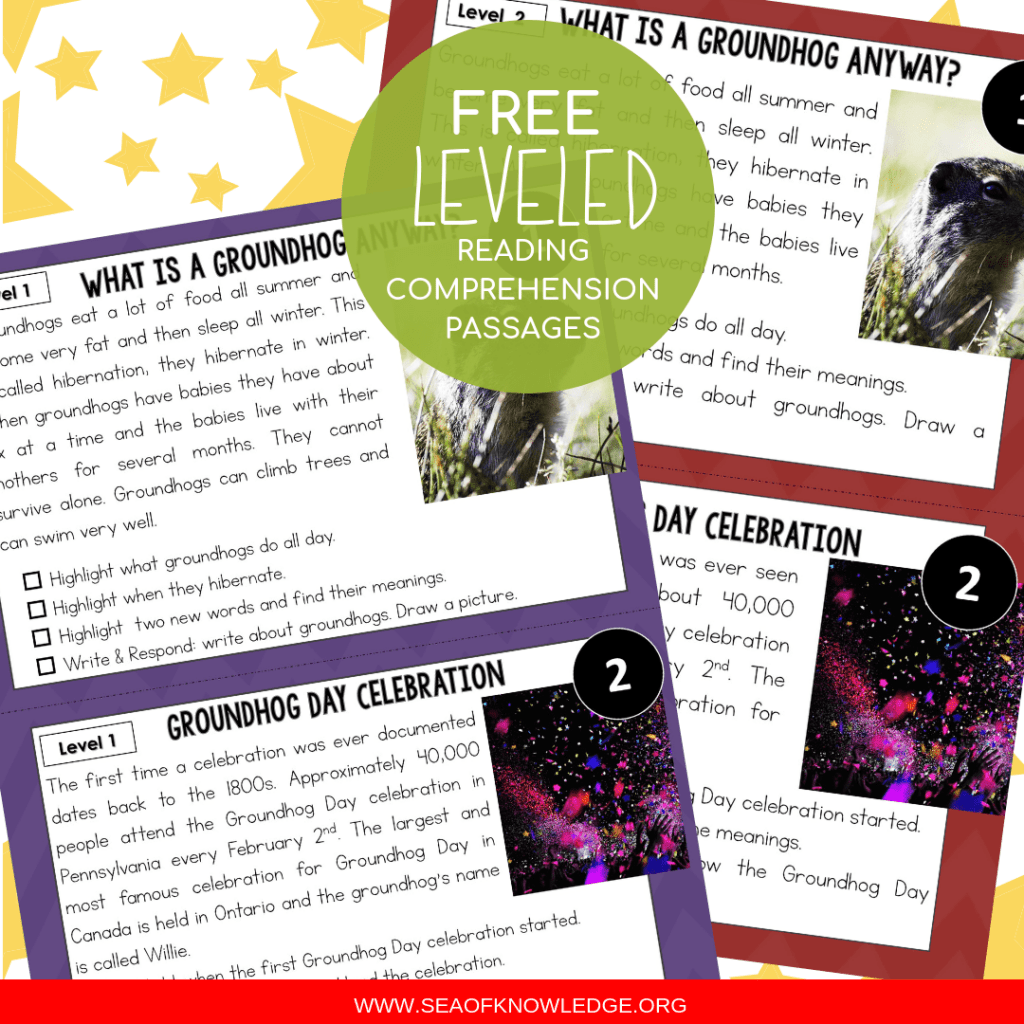
No glitter explosions. Just focused comprehension practice you can use in a snap.
6. What do I do if my student shuts down or gets frustrated easily?
Oh no, not another meltdown at the word “reading”! If this sounds familiar, try turning reading time into “story detective time” or “adventure club.” Let them choose the book, sit somewhere cozy, and throw all the pressure out the window. Read together, take turns, laugh at the silly parts.
I once read a whole book using sock puppets just to keep one little guy interested. You do what you gotta do.
7. How do I assess comprehension in a meaningful way (without a test)?
ME TOO. Tests are often the least helpful thing for understanding what a kid actually knows.
Try having your students draw the beginning, middle, and end of a story. Or let them act it out. Even asking them to tell a peer what happened is more meaningful than filling in bubbles. Authentic = better.
8. Are there apps or digital tools to support struggling readers?
Yes, please! Epic is a favorite—it’s full of engaging, levelled books. Raz-Kids is another winner with built-in comprehension quizzes.
And if you want something more hands-on, digital task cards in Google Slides are a game-changer. Bonus: no more lost cards in the carpet.
9. What are some fun or hands-on strategies for kinesthetic learners?
Let them MOVE! Reading doesn’t have to mean sitting still. Try acting out the story, using gesture-based retells, or even taping sequencing cards around the room for a mini scavenger hunt.
I had a student once retell “The Three Little Pigs” by hopping from one end of the room to the other while puffing like the Big Bad Wolf. Whatever works!
10. How do I keep comprehension engaging for older struggling readers?
This is tricky, but totally doable. Look for high-interest, low-readability texts (like graphic novels or nonfiction books about cool topics). And let them read about things that matter to them—sports, animals, space, even Minecraft.
Don’t label the level out loud and always give them choices. Trust me, they notice when a book feels “too young”—but they’ll stick with it if it feels cool.

If you’ve read this far—first of all, bless you. Second, I see you. Teaching struggling readers is hard. But YOU are the game changer here. Your patience, creativity, and ridiculous leprechaun voices (just me?) make all the difference.



![Easy Christmas Name Craft for Toddlers [Cute Elf Lights Template]](https://www.seaofknowledge.org/wp-content/uploads/2023/11/Easy-Christmas-Name-Craft-for-Toddlers-3-1.jpg)