
WH Questions for Speech Therapy: 200 Engaging Questions for Kids and Adults
Boost speech therapy sessions with 200 engaging WH questions for kids and adults! This guide includes fun, interactive ways to use WH questions and a categorized list covering who, what, where, when, and why questions for all ages.
If you’ve ever sat across from a kid who’s mastered the art of the blank stare when asked a question, you know the struggle is real. WH questions for speech therapy (who, what, where, when, why) are essential for language development, comprehension, and conversation skills—but getting kids (and let’s be real, even adults) to answer them? That’s another story.

WH questions help build critical thinking, expand vocabulary, and improve sentence structure.
But if they’re too predictable, your students might check out faster than me when I see a pile of ungraded papers.
The trick is to keep them engaging, interactive, and, dare I say, fun.
Let’s jump into the good stuff: 200 WH questions, split into two sections—one for kids and one for mature learners or adults.
If you’re looking for themed WH questions, try incorporating WH questions Easter into your sessions for a fun, seasonal approach. Kids will love answering questions related to Easter traditions!
WH Questions for Preschool and Kids
When Questions (20 Questions)
- When do you eat breakfast?
- When do you go to bed?
- When do you wear a jacket?
- When do you brush your teeth?
- When do you feel happy?
- When do you play outside?
- When do you go to school?
- When do you say “thank you”?
- When do you take a bath?
- When do you open presents?
- When do you wear sunglasses?
- When do you drink water?
- When do you see the stars?
- When do you hear birds chirping?
- When do you go on vacation?
- When do you get a haircut?
- When do you blow out candles?
- When do you use an umbrella?
- When do you hear thunder?
- When do you visit the doctor?
Beyond WH questions, it’s important to focus on social pragmatic goals in speech therapy to help learners improve real-world communication skills. This guide offers practical strategies for building social interaction.

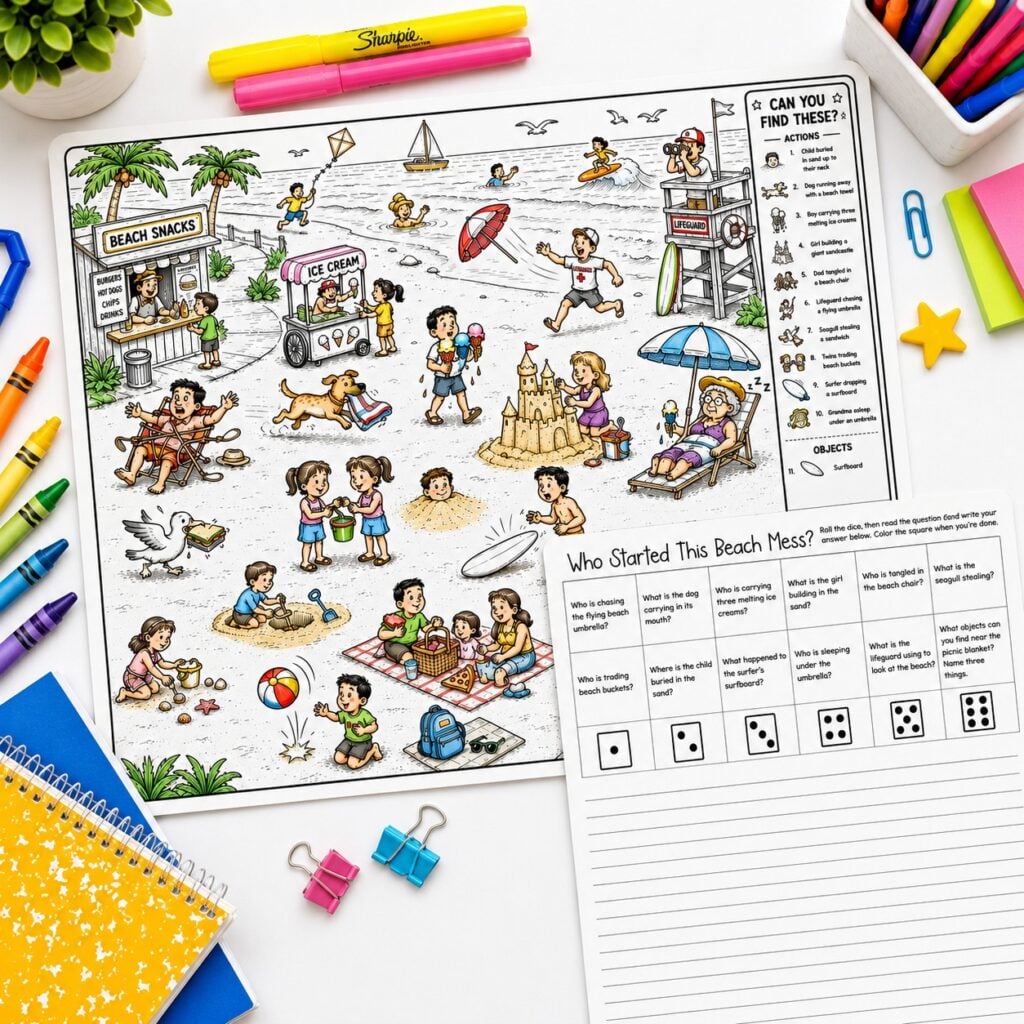
If you’re looking for more WH question activities, this super cute scene search and find encourages nearly every students to open up and talk!
Who Questions (20 Questions)
- Who takes care of sick people?
- Who teaches you at school?
- Who makes your dinner?
- Who helps you cross the street safely?
- Who reads bedtime stories?
- Who drives a fire truck?
- Who takes care of animals at the zoo?
- Who brings you gifts on your birthday?
- Who helps people feel better at the hospital?
- Who wears a police uniform?
- Who plays music in a band?
- Who helps you when you’re lost?
- Who takes care of babies?
- Who fixes broken cars?
- Who catches fish?
- Who writes books?
- Who makes ice cream?
- Who wears a crown?
- Who helps you learn new words?
- Who tells jokes and makes people laugh?
Make speech therapy more engaging by using camping speech therapy activities to target WH questions in a playful, nature-themed way. These activities are perfect for hands-on learning!
Why Questions (20 Questions)
- Why do we wear shoes?
- Why do we brush our teeth?
- Why do birds build nests?
- Why do we eat food?
- Why do we need sleep?
- Why do cars have wheels?
- Why do fish live in water?
- Why do we say “please” and “thank you”?
- Why do plants need sunlight?
- Why do we use umbrellas in the rain?
- Why do people go to school?
- Why do dogs wag their tails?
- Why do people wear seatbelts?
- Why do we wash our hands?
- Why do we celebrate birthdays?
- Why do leaves change color in the fall?
- Why do people clap their hands?
- Why do we drink water?
- Why do we need friends?
- Why do we need to sleep at night?
Expanding vocabulary is key in speech therapy! Check out this resource on Z words for speech therapy to help learners practice unique words and sounds in a fun way.

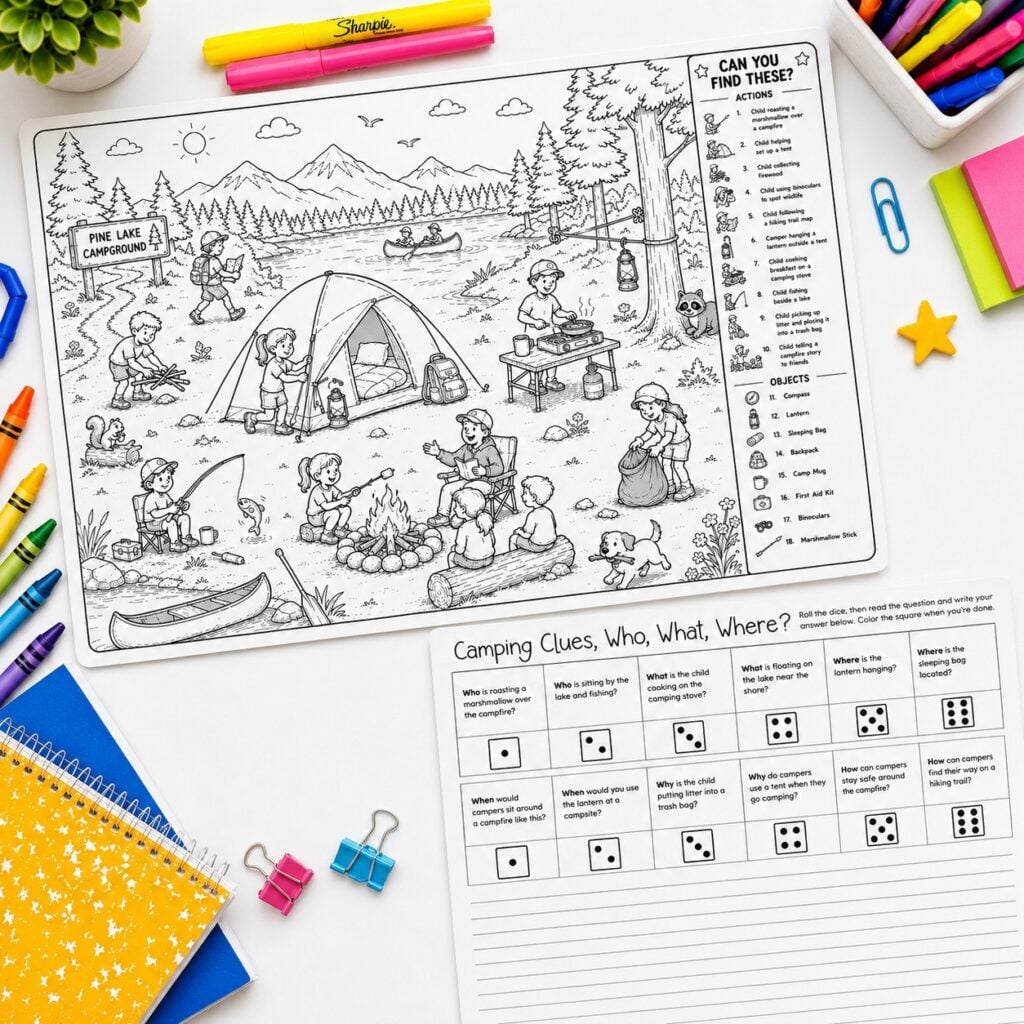
Another set of WH question scenes we absolutely love are these! I sued them in small groups and even ELLs get talking!
What Questions (20 Questions)
- What do you like to eat for breakfast?
- What is your favorite color?
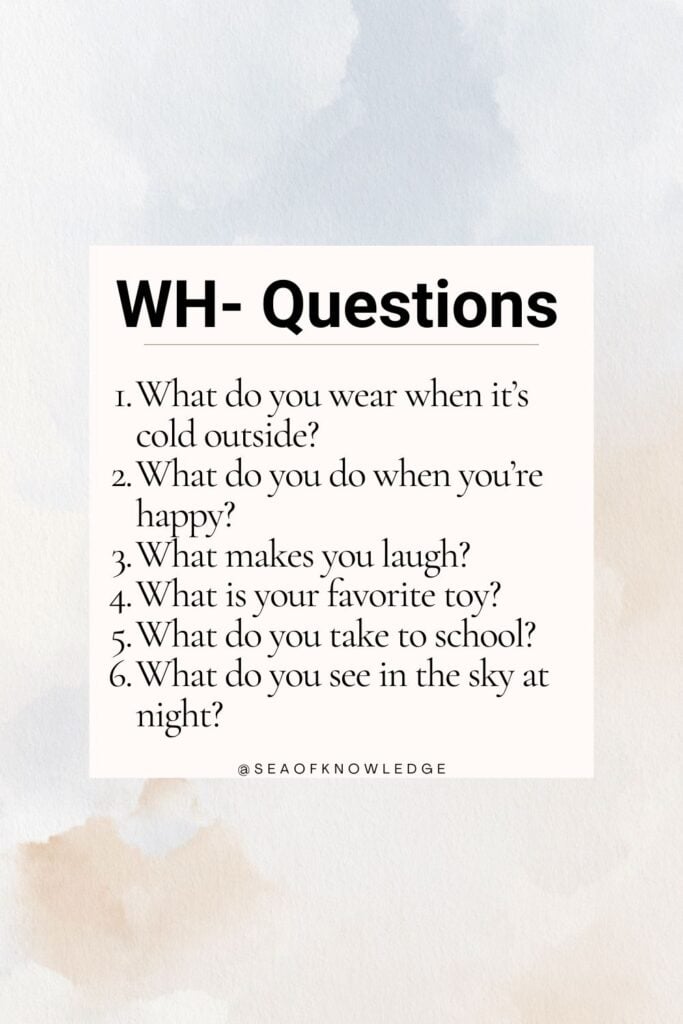
- What do you wear when it’s cold outside?
- What do you do when you’re happy?
- What makes you laugh?
- What is your favorite toy?
- What do you take to school?
- What do you see in the sky at night?
- What do you use to write?
- What is your favorite animal?
- What do you do when you’re tired?
- What is something soft?
- What do you do when you hear music?
- What do you do in the summer?
- What do you see at a farm?
- What do you use to drink water?
- What is something that smells good?
- What do you do before bedtime?
- What do you wear when it rains?
- What do you use to cut paper?
If you’re working with younger children, start with foundational skills using speech therapy for toddlers to build language comprehension through simple WH questions and interactive activities.

Where Questions (20 Questions)
- Where do you sleep?
- Where do you eat dinner?
- Where do fish live?
- Where do birds build their nests?
- Where do you go to play?
- Where do people go to learn?
- Where do you see flowers?
- Where do cars drive?
- Where do you find books?
- Where do you go when you are sick?
- Where do cows live?
- Where do you keep your shoes?
- Where do you see the stars?
- Where do you buy groceries?
- Where do you see mountains?
- Where do you put ice cream?
- Where do you go on vacation?
- Where do you find seashells?
- Where do you see a rainbow?
- Where do you go when you need help?
Looking for targeted articulation practice? This list of K words for speech therapy can help children master tricky sounds while incorporating WH questions for added comprehension.
Ways to Keep WH Questions Fun and Interactive
- Turn it into a game – Use question cards, board games, or even a scavenger hunt where kids answer questions to earn clues.
- Use visuals – Show pictures and ask WH questions about them.
- Role-play – Pretend you’re detectives solving a mystery with WH questions.
- Incorporate movement – Place WH questions around the room and have kids move to the correct one based on their answer.
- Storytelling – Read a short story and pause to ask WH questions about what’s happening.
WH Questions for Mature Learners or Adults
Asking WH questions is an essential part of communication, whether in social interactions, workplace conversations, or academic settings. Below, you’ll find categorized WH questions tailored for mature learners or adults, along with example answers to guide responses.
Need resources for working on the /g/ sound? This guide on G words for speech therapy offers engaging ways to practice articulation alongside WH question exercises.

When Questions (20)
- When did you last travel overseas? (Last summer / Two years ago / Never)
- When do you usually wake up on weekends? (At 7 AM / Around 10 AM / Whenever I feel rested)
- When was the last time you attended an event? (At my cousin’s wedding / Last year at a conference / A few months ago for work)
- When do you feel most the best during the day? (In the morning / Late at night / After my first cup of coffee)
- When did you start learning English? (In high school / About five years ago / Recently)
- When do you prefer to exercise? (Early in the morning / In the evening after work / On weekends)
- When was the last time you read a book? (Last night / A few months ago / I don’t remember)
- When do you usually take a break at work? (Around noon / In the afternoon / Whenever I need one)
- When do you think is the best time to visit your country? (In spring / During the summer / Any time of the year)
- When did you last go to a restaurant? (Last weekend / A few days ago / I can’t remember)
- When do you feel the most relaxed? (On vacation / After a long walk / When I’m with family)
- When do you usually do your grocery shopping? (On Sundays / After work / Whenever I run out of food)
- When was the last time you tried something new? (Last week / A few months ago / A long time ago)
- When do you typically start planning for holidays? (A few months in advance / At the last minute / I don’t plan much)
- When do you enjoy socializing the most? (On weekends / During special events / Whenever I have free time)
- When did you last go to a concert? (Recently / A long time ago / Never)
- When do you feel the most motivated? (When I set goals / When I see progress / After a good rest)
- When did you last cook a meal? (Yesterday / A few days ago / I don’t cook often)
- When do you find it hardest to concentrate? (When I’m tired / When I’m distracted / When I’m hungry)
- When do you usually take vacations? (In summer / During the holidays / Whenever I can take time off)
Mastering speech sounds is essential for clear communication. Support learners with targeted practice using S sounds speech therapy activities that pair perfectly with WH question prompts.
Who Questions (20)
- Who inspires you the most? (My parents / A famous leader / My best friend)
- Who do you trust with your secrets? (My partner / My closest friend / No one)
- Who do you turn to when you need advice? (My mentor / A family member / A friend)
- Who is the most interesting person you have met? (A traveler / A professor / A colleague)
- Who do you admire for their achievements? (An entrepreneur / A historical figure / My boss)
- Who do you usually spend your weekends with? (My family / My friends / Alone)
- Who do you think has influenced your career the most? (A teacher / A former boss / A personal experience)
- Who do you look up to as a role model? (A famous speaker / A coach / My parents)
- Who is your favorite author? (J.K. Rowling / Ernest Hemingway / I don’t read much)
- Who do you think is the best leader in history? (Nelson Mandela / Abraham Lincoln / A local activist)
- Who do you usually call first when you have good news? (My best friend / My parents / My partner)
- Who do you rely on for emotional support? (My spouse / My best friend / My therapist)
- Who is someone you would love to have a conversation with? (A celebrity / A scientist / A historical figure)
- Who was your favorite teacher in school? (My English teacher / My history teacher / I didn’t have one)
- Who do you think is the funniest person you know? (A coworker / A sibling / My best friend)
- Who has had the biggest impact on your life? (A mentor / A friend / A family member)
- Who do you think is the best musician of all time? (The Beatles / Beethoven / A modern artist)
- Who do you turn to when you need help with a problem? (A professional / A close friend / A colleague)
- Who do you usually sit next to at work or school? (A coworker / A classmate / I sit alone)
- Who do you think would play you in a movie about your life? (A famous actor / A comedian / No one famous)
Why Questions (20)
- Why did you choose your current profession? (Passion / Stability / Circumstance)
- Why do you think learning English is important? (Communication / Career growth / Travel)
- Why do people travel? (To explore / To relax / For business)
- Why do you prefer working alone or in a team? (Focus / Collaboration / Productivity)
- Why is exercise important? (Health / Stress relief / Longevity)
- Why do you enjoy or dislike cooking? (Creativity / Effort / Time-consuming)
- Why do people procrastinate? (Fear of failure / Distraction / Lack of motivation)
- Why do you think social media is popular? (Connection / Entertainment / Marketing)
- Why do you read books or watch movies? (Education / Escape / Enjoyment)
- Why do people celebrate birthdays? (Tradition / Fun / Family gatherings)
- Why do some people wake up early while others sleep late? (Habit / Work schedule / Lifestyle)
- Why do people keep pets? (Companionship / Love for animals / Security)
- Why do you think music affects emotions? (Memories / Rhythms / Lyrics)
- Why do people set goals? (Achievement / Motivation / Growth)
- Why do people enjoy or dislike public speaking? (Confidence / Anxiety / Experience)
- Why do we need rules in society? (Order / Safety / Fairness)
- Why do you think some people love shopping while others avoid it? (Personality / Budget / Interest)
- Why do some people prefer hot weather while others like the cold? (Comfort / Activities / Climate)
- Why do people donate to charity? (Kindness / Obligation / Tax benefits)
- Why do some people prefer city life while others enjoy the countryside? (Convenience / Peace / Work opportunities)
What Questions (20)
- What do you usually do in your free time? (Read books / Watch movies / Exercise)
- What is your favorite type of music? (Classical / Rock / Jazz)
- What do you like most about your job? (The people / The challenge / The flexibility)
- What is something new you have learned recently? (A recipe / A new skill / A fun fact)
- What do you usually eat for breakfast? (Eggs and toast / Cereal / Nothing)
- What is one thing you can’t live without? (My phone / Coffee / Music)
- What do you think makes a good friend? (Honesty / Loyalty / Sense of humor)
- What motivates you to work hard? (Success / Passion / Financial stability)
- What is your dream destination for a vacation? (Japan / Italy / Australia)
- What do you do when you feel stressed? (Exercise / Meditate / Talk to a friend)
- What is the best advice you have ever received? (Stay positive / Work hard / Be patient)
- What do you usually do on weekends? (Relax at home / Go out with friends / Work on personal projects)
- What is one goal you want to achieve this year? (Learn a new language / Get fit / Save money)
- What is your favorite way to relax? (Listening to music / Reading / Watching TV)
- What do you think makes a great leader? (Confidence / Empathy / Communication skills)
- What is your favorite season and why? (Summer – I love the sun / Winter – I enjoy snow / Fall – The weather is perfect)
- What do you usually do when you meet someone new? (Ask questions / Listen carefully / Try to find common interests)
- What is something you regret not doing? (Traveling more / Learning an instrument / Taking more risks)
- What is your biggest accomplishment? (Graduating / Starting a business / Overcoming a challenge)
- What do you do when you can’t sleep? (Read / Listen to music / Drink tea)
Where Questions (20)
- Where did you grow up? (In a small town / In a big city / In another country)
- Where do you usually go for vacation? (The beach / The mountains / A new city)
- Where do you feel most relaxed? (At home / In nature / At a café)
- Where do you prefer to work? (At an office / At home / In a coworking space)
- Where do you usually meet your friends? (At a restaurant / At the park / At their house)
- Where do you go when you need inspiration? (A library / A quiet place / Online)
- Where do you see yourself in five years? (In a new city / In a different job / Doing what I love)
- Where do you usually buy groceries? (At a supermarket / At a farmer’s market / Online)
- Where do you want to retire? (By the beach / In the countryside / In a bustling city)
- Where do you go when you need to clear your mind? (For a walk / To the gym / To a quiet spot)
- Where is the best place you have ever visited? (Paris / The Grand Canyon / My hometown)
- Where do you like to exercise? (At the gym / Outdoors / At home)
- Where do you usually go when you need to study or work? (A café / A library / My office)
- Where do you spend most of your time? (At work / At home / Outside)
- Where would you go if you could travel anywhere? (Greece / Japan / New Zealand)
- Where do you usually celebrate special occasions? (At home / At a restaurant / On a trip)
- Where do you feel most productive? (In a quiet room / In a busy environment / In a structured workspace)
- Where do you go when you need medical advice? (A doctor’s office / Online / I ask a friend)
- Where do you prefer to shop? (At a mall / Online / At small boutiques)
- Where do you usually keep important documents? (In a safe / In a drawer / Online storage)
I like to use these questions in pairs and groups, or add them to little Kahoot games and have them answering them. There are tons of ways to use them!

I’ve found that using WH questions with my adult learners has been a game-changer in the classroom and during one-on-one sessions. These questions encourage deeper conversations, help students build confidence, and make learning feel more natural. Instead of just memorizing vocabulary or grammar rules, my students engage in meaningful discussions that connect to their lives, experiences, and opinions.
One of the biggest benefits I’ve seen is how these questions spark curiosity. When I ask a “What” or “Where” question, my students don’t just give a one-word answer—they start sharing stories, explaining their reasoning, and even asking follow-up questions. This turns a simple lesson into an engaging exchange where they’re truly practicing real-world communication.
If you’re working with mature learners, I highly recommend integrating WH questions into your lessons. They not only improve speaking and comprehension skills but also help build a learning environment where students feel heard and encouraged. The more we use them, the more natural conversations become—and that’s the ultimate goal of language learning!


Wonderful idea and questions! Do you have them in pdf? It would be very helpful. Thanks!
The questions you shared and the activities will be very helpful for the young learners that I work with. Do you happen to have the questions organized into printable documents? Thank you so much!