Q Tip Painting Emotions (Easy SEL Activity for Preschool and Kindergarten)
Q tip painting emotions activities are one of the simplest ways to combine fine motor practice with social emotional learning in early childhood classrooms. If you’ve been searching for a low-prep, engaging way to teach feelings, q tip painting emotions is one of those activities that quietly does a lot of heavy lifting.
If you’re just getting started, using simple activities like q tip painting is a great way to build fine motor skills before layering in emotions.
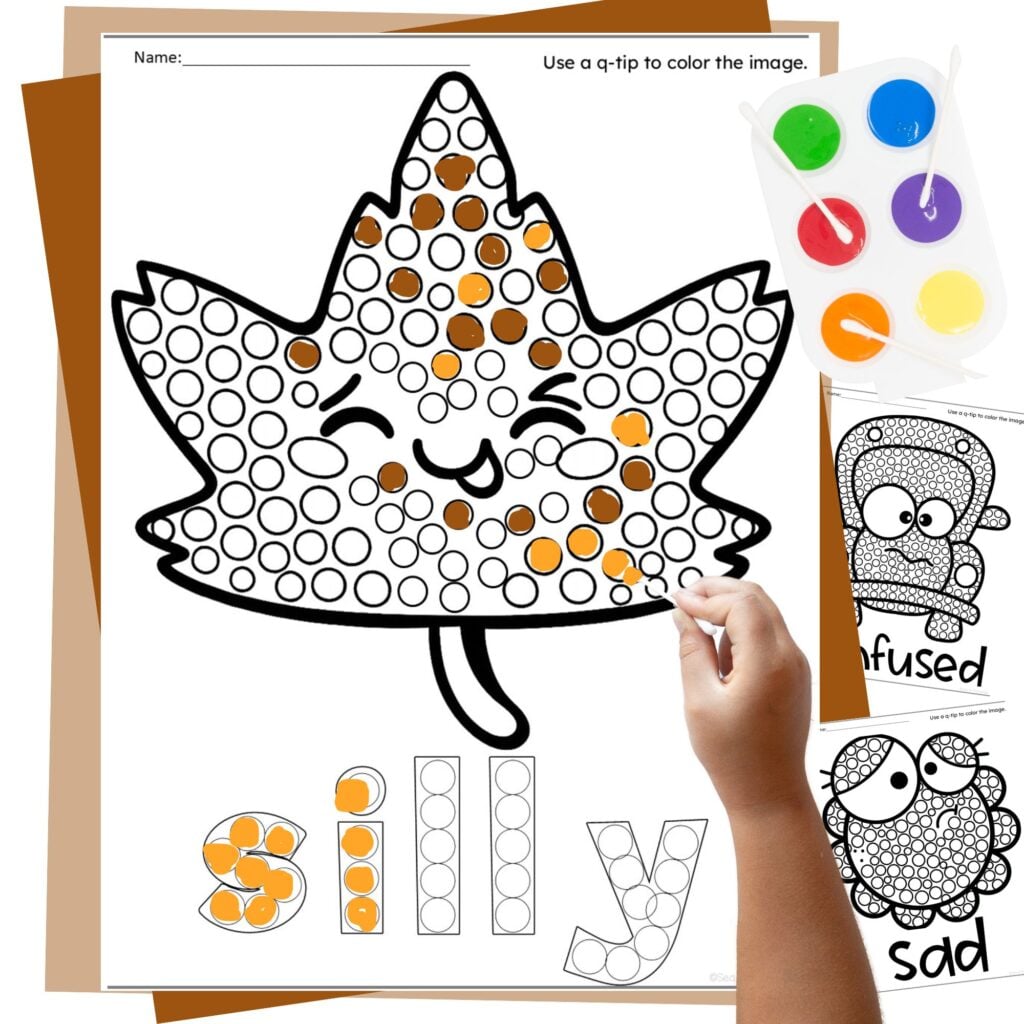
It brings together art, conversation, and emotional awareness in a way that feels natural for young learners.
As you introduce feelings, it helps to connect your lessons to broader concepts like teaching social skills, so students understand how emotions connect to behavior.
Instead of forcing discussions about feelings, students engage in a hands-on q tip painting task while building vocabulary and understanding around emotions.
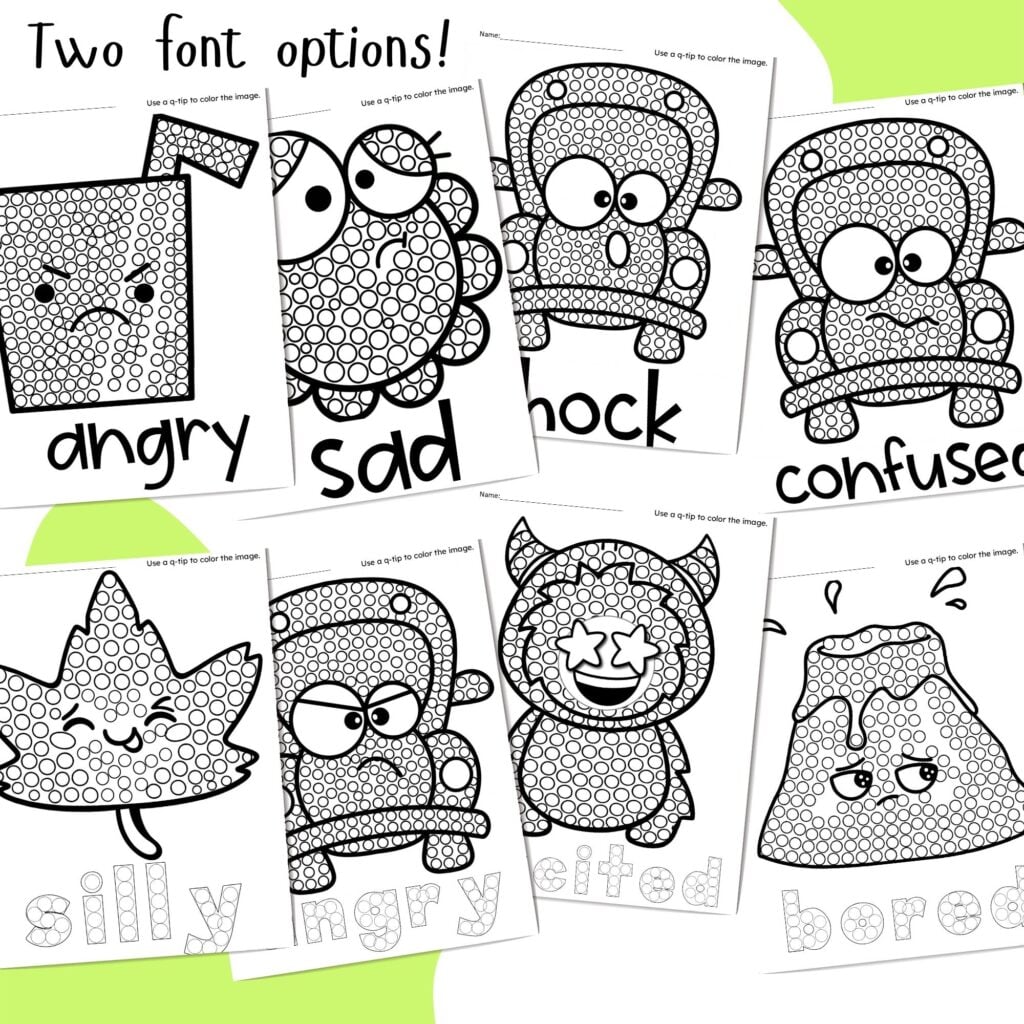
This makes it especially effective for preschool emotions activity time, kindergarten emotions craft lessons, and even special education emotions activities where students benefit from visual and tactile learning.
For learners who need extra support, especially in SPED settings, pairing this with social skills activities for special needs students can reinforce emotional understanding in a structured way.
Why Q Tip Painting Works for Teaching Emotions
There’s something about structured dot painting that slows kids down just enough to create space for meaningful interaction. While students are engaged in a q tip painting activity, you can naturally guide conversation around identifying emotions and expressing feelings.
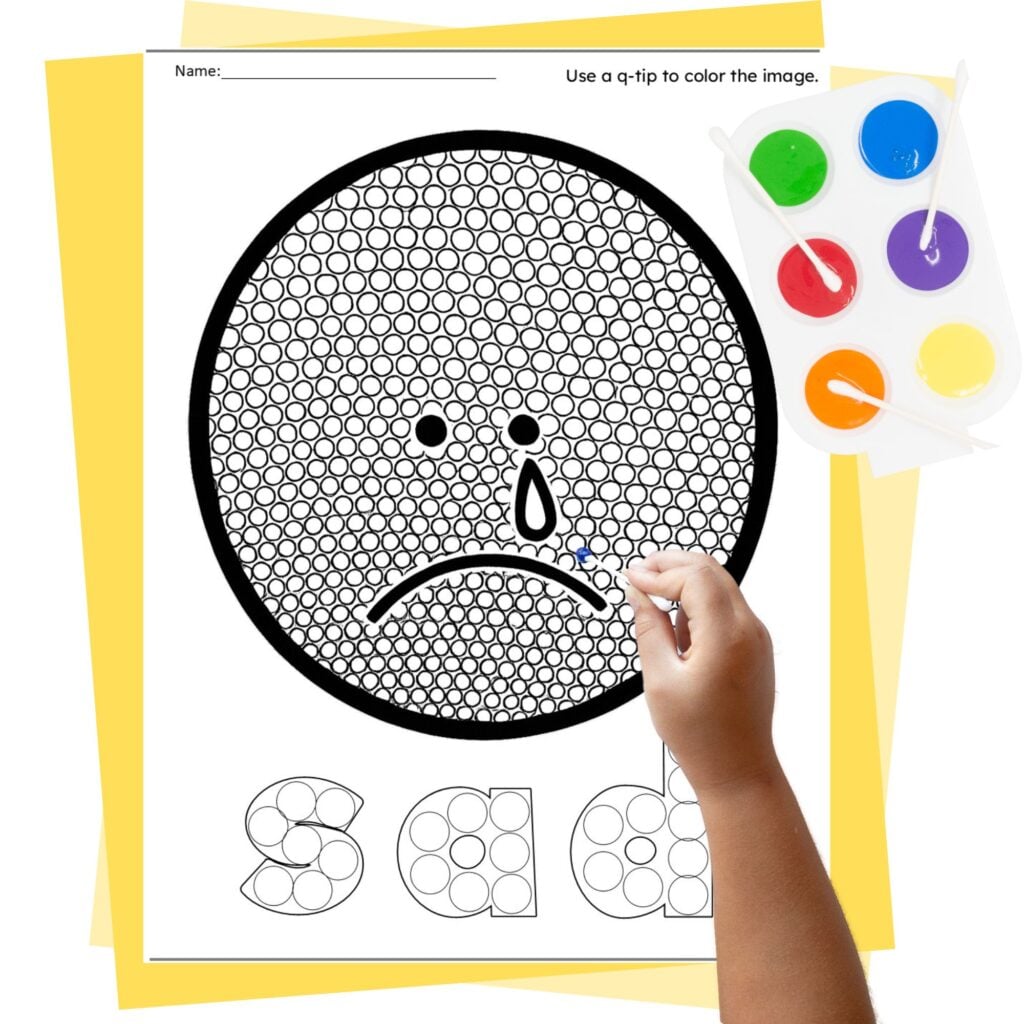
This approach supports core social emotional learning skills like feelings recognition activities and emotion regulation activities for kids without making it feel like a formal lesson.
You can also extend the activity with creative options like social skills coloring sheets, which give students another low-pressure way to explore feelings.
Instead of worksheets alone, you’re combining emotions activities for preschool with fine motor activities with q tips, which increases engagement and retention.
>>> Grab the FREE q tip emotion set in this post below.
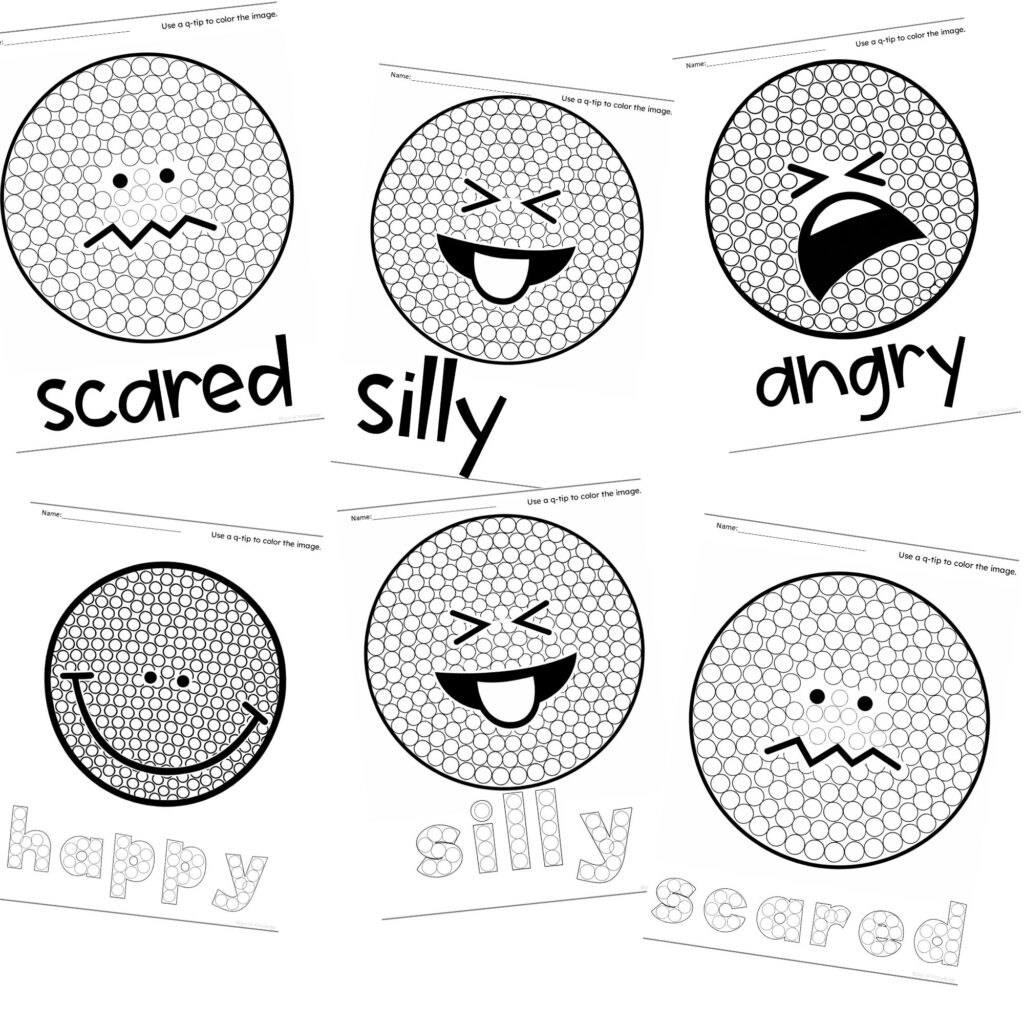
As students complete a cotton swab painting activity, they are also strengthening hand control, which supports early writing skills.
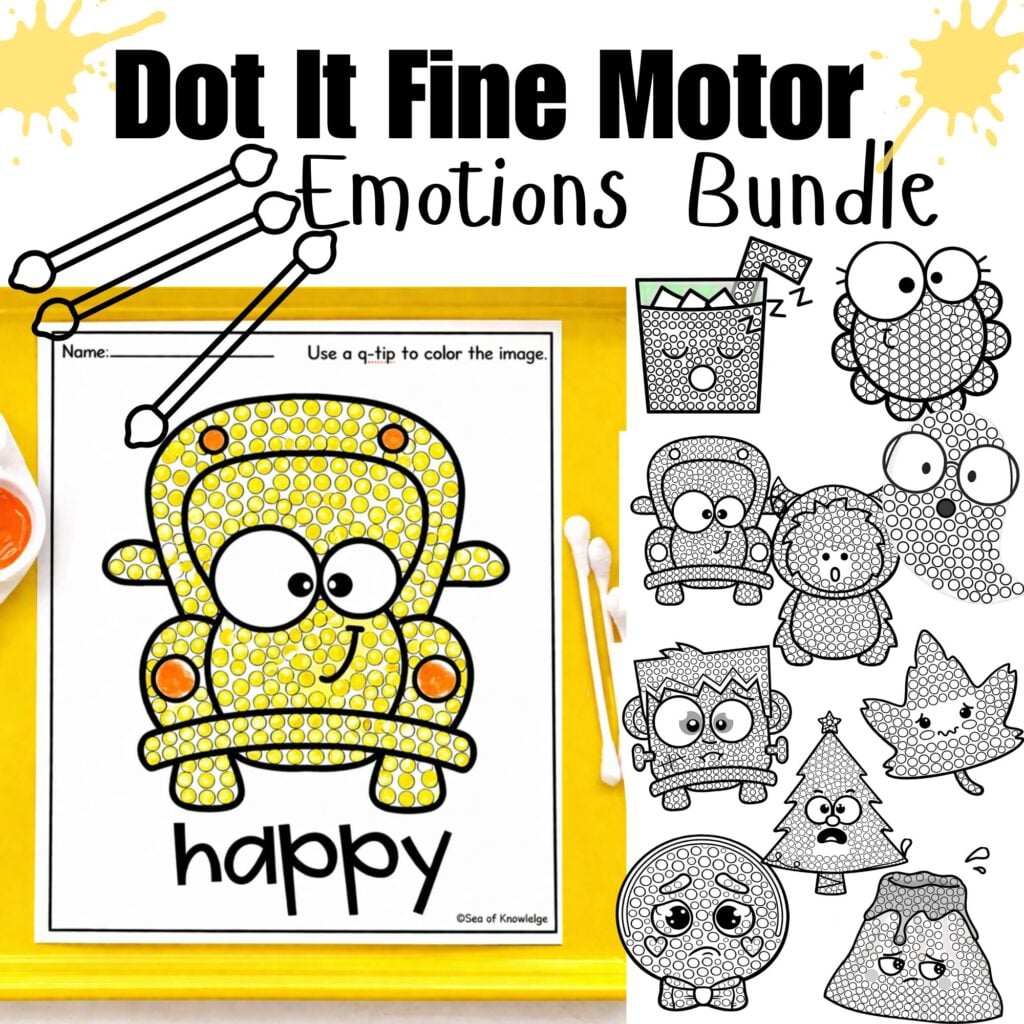
This is why many teachers use dot painting activities preschool-wide as part of morning work emotions activity routines or small group rotations.
Social stories are another strong addition, and something like this wearing glasses social story helps students connect emotions to real-life situations.
#1 Free Q Tip Painting Emotions (Emoji Faces)
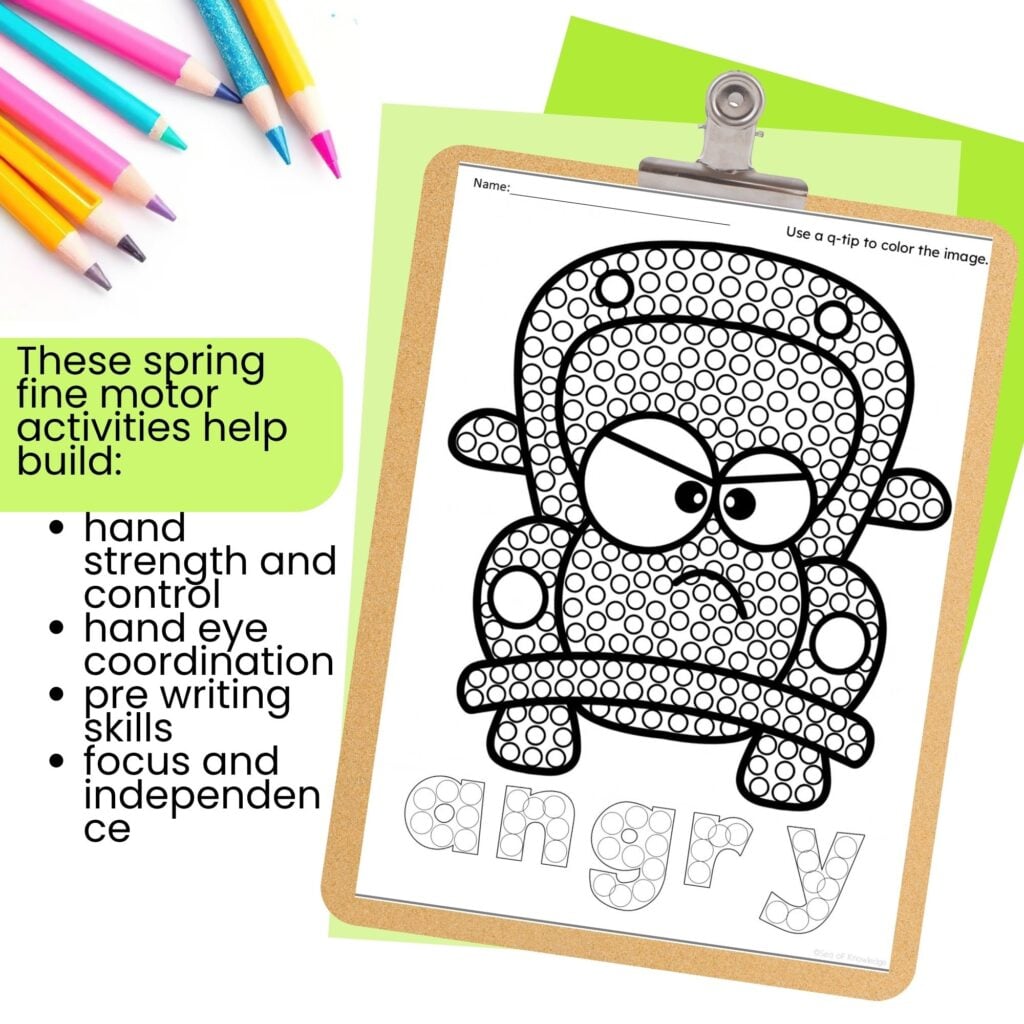
If you’re looking for a simple and engaging starting point, I’m offering a free q tip painting emotions set with emoji faces that kids instantly recognize and connect with.
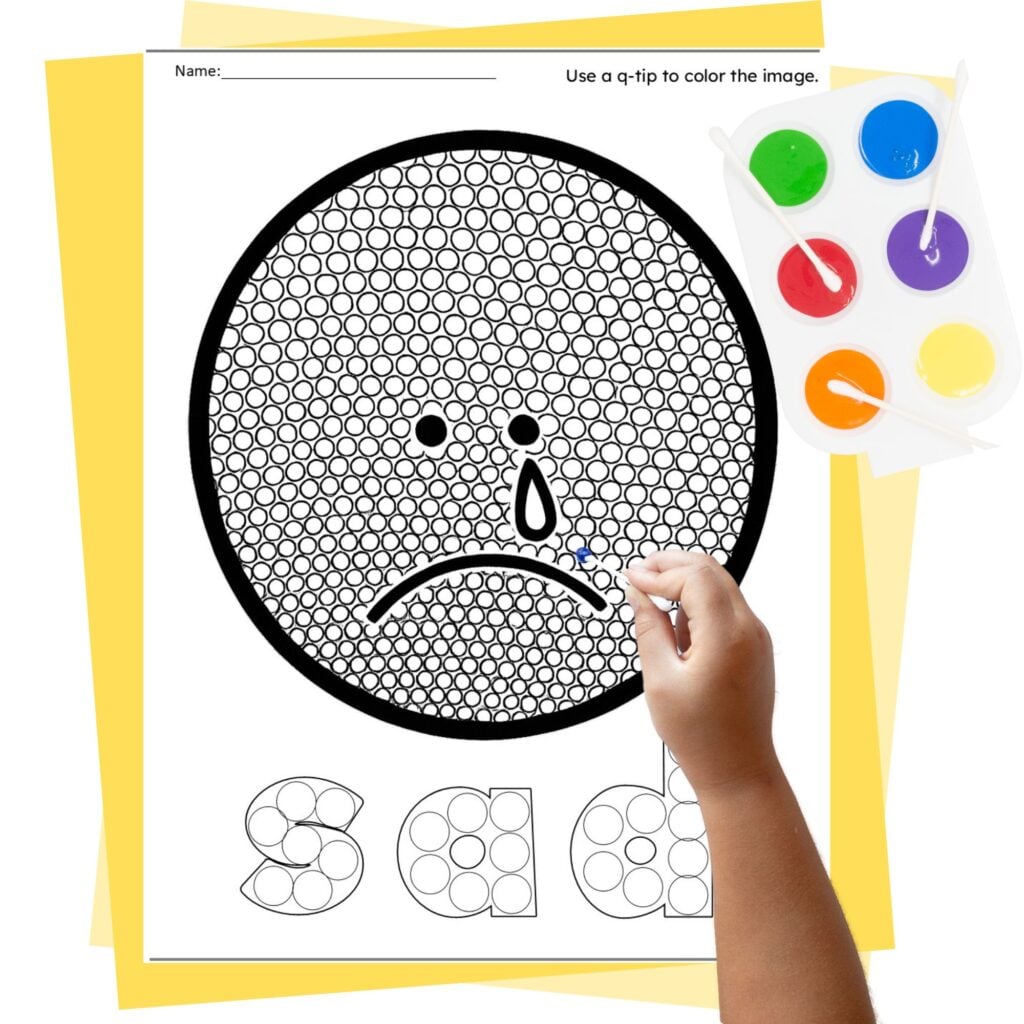
This set includes familiar emotion faces (like happy, sad, and angry) that make it easier for students to identify and talk about their feelings while they paint. Using emoji-style visuals removes the guesswork and helps even younger learners or students with additional needs jump right into the activity.
To keep engagement high, you can rotate in seasonal activities like q tip painting spring, which keeps the same skill practice but adds variety.
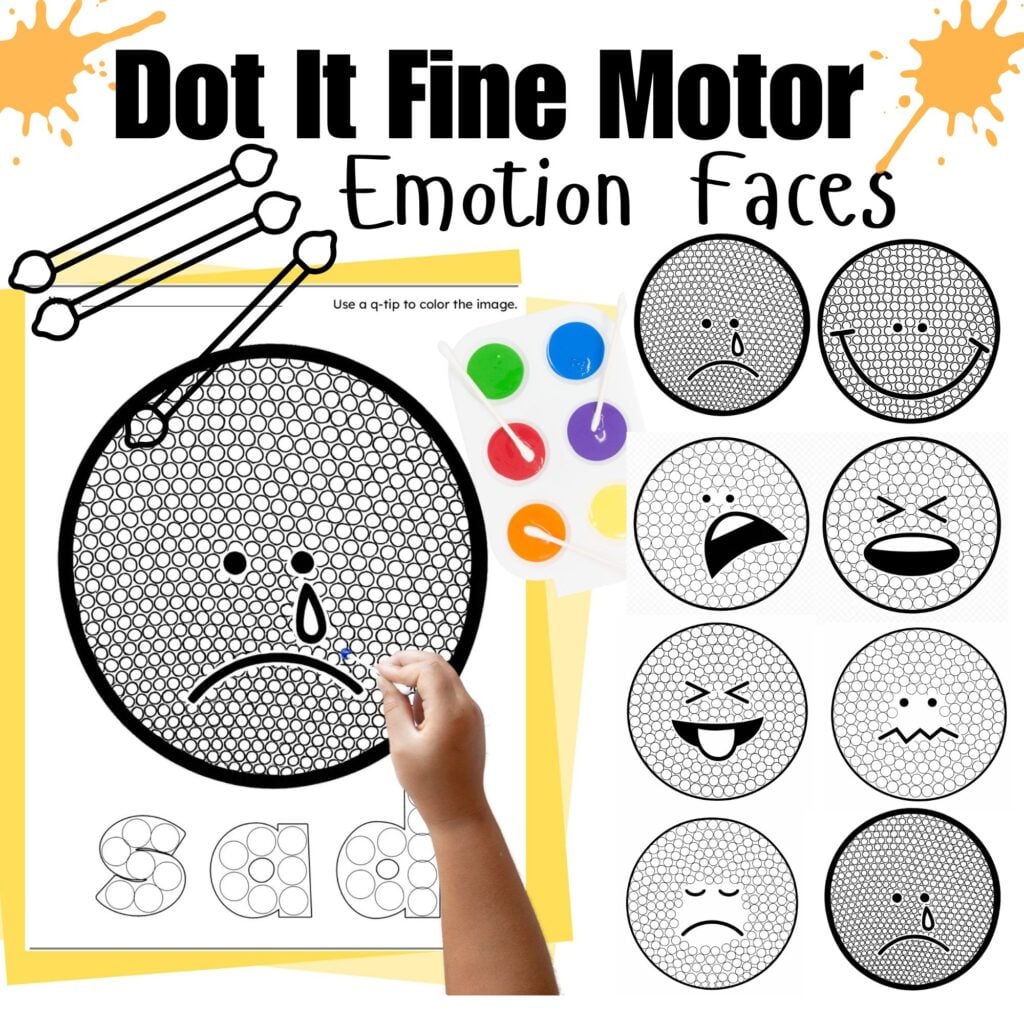
As students complete each page, you can guide conversations around what each feeling looks like, when they experience it, and how they respond. It works well as both an emotions activity printable and a low-pressure way to introduce social emotional learning in your classroom.
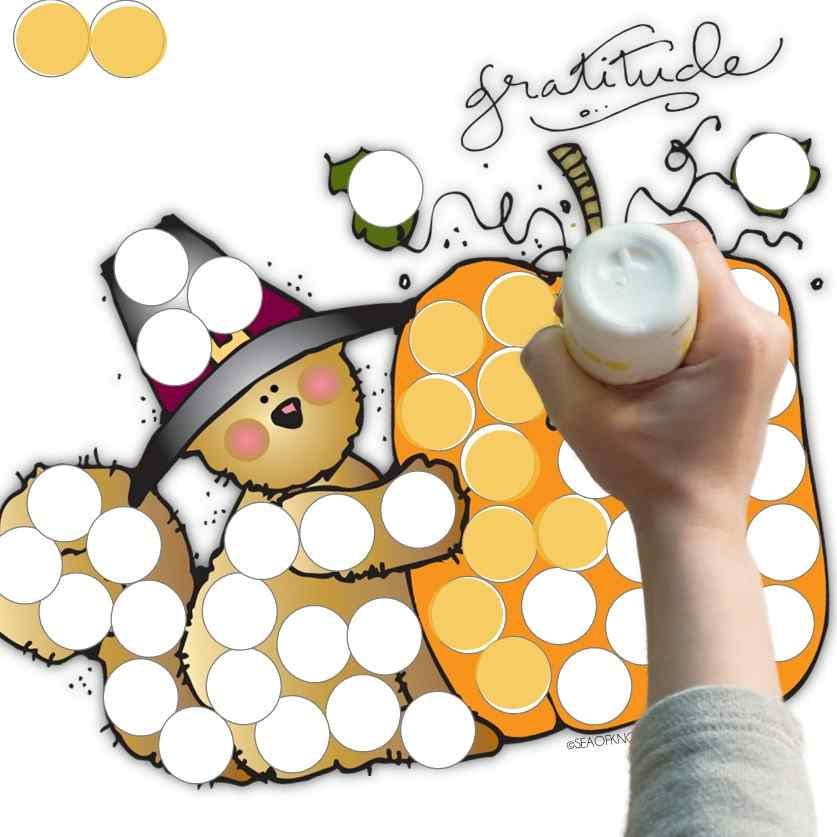
If your students enjoy dot-style activities, you can build on this with q tip dot painting to strengthen control and focus.
Because the visuals are clear and relatable, this activity supports identifying emotions, building emotional vocabulary, and reinforcing SEL skills while also developing fine motor control through dot painting.
#2 Support Emotional Regulation with Simple Narratives
Once students begin identifying feelings, the next step is helping them understand what to do with those emotions. Pairing art with a simple narrative can strengthen that connection.
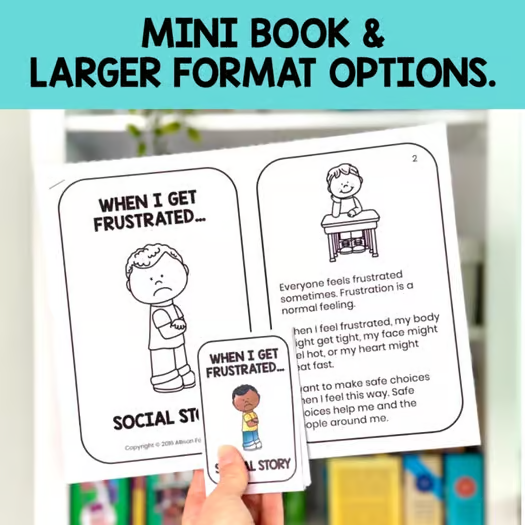
You can extend your lesson by using a behavior emotional regulation social narrative like this one 👉
FREE Behavior Emotional Regulation Social Narrative
This type of support is especially helpful in autism emotions activities and special education emotions activities where students benefit from clear, structured examples. It reinforces how emotions connect to behavior while supporting feelings activities for kindergarten and early learners.
For themed centers, I also like using q tip painting templates summer to keep things fresh while reinforcing the same skills.
#3 Help Kids Identify and Label Their Emotions
Many students experience emotions but struggle to label them accurately. That’s why explicit instruction in identifying emotions activities is so important.
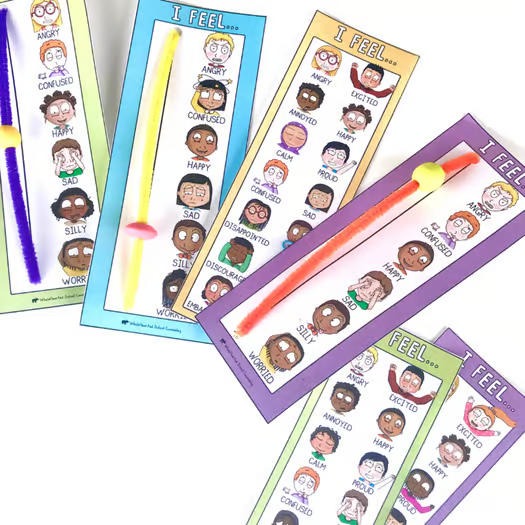
You can reinforce this skill by adding a feelings scale SEL activity to help kids identify emotions like this 👉
Feelings Scales free SEL activity to help kids identify emotions
With options for multiple emotion levels, this resource supports feelings recognition activities and allows you to differentiate for your group. It pairs well with preschool emotions worksheets pdf and helps students build the foundation needed for emotion regulation activities for kids.
You can even integrate literacy using something like q tip painting sight words fine motor activity, which combines reading and hands-on learning.
#4 Use Visual Supports to Strengthen Understanding
Visual tools make a big difference when teaching emotions, especially for younger learners or students who need extra support.
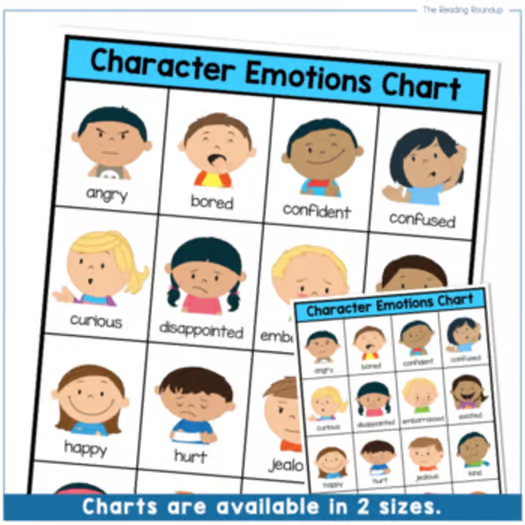
You can incorporate feelings charts for identifying emotions and character analysis like this 👉
free feelings charts for identifying emotions and character analysis
These charts are useful during read-alouds, writing activities, or as part of your daily social emotional learning crafts routine. They support feelings flashcards printable-style learning and give students a consistent reference point when working through emotions activities for preschool or kindergarten.
And if you’re planning seasonal crafts alongside your SEL lessons, this easter bunny craft is an easy way to keep students engaged while reinforcing routines.
#5 Add a Hands-On Sensory Component
If you want to extend learning even further, adding a sensory element can increase engagement and retention.
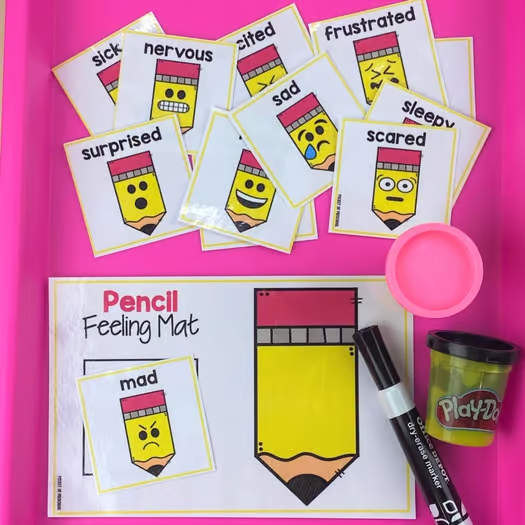
These feelings emotions play dough mats for preschool and kindergarten 👉
feelings emotions play dough mats for preschool and kindergarten
provide a hands-on way for students to build and explore emotions. This supports social emotional learning printables while also functioning as a calming activity. It works well alongside q tip painting emotions lessons and reinforces emotional vocabulary in a tactile way.
When you combine q tip painting emotions with visual supports, narratives, and hands-on activities, you create a complete SEL routine without adding extra complexity to your day.
This approach allows you to cover:
- emotions activities for preschool
- feelings activities for kindergarten
- fine motor activities with q tips
- social emotional learning crafts
All within a simple, structured framework.
And honestly, that’s what makes it effective. You’re not overcomplicating the lesson. You’re giving students consistent, meaningful exposure to emotions through engaging activities that actually stick.



![Kindergarten Sight Words List Printable [Sunrays Word Craft]](https://www.seaofknowledge.org/wp-content/uploads/2023/05/kindergarten-sight-words-list-printable-1.jpg)