P and B Pronunciation Exercises (Simple Activities That Actually Work)
Struggling with p and b pronunciation? These engaging worksheets and games make it easier than you think. Try I spy, bingo, pixel coloring, and fluency activities that actually help students hear the difference and build confidence fast.
Teaching p and b pronunciation exercises can feel challenging at the start, especially when students consistently mix up sounds like pig and big. These two sounds are formed in the same way using the lips, which is why they are often confused by young learners, ESL students, and children receiving speech support.
If you are working on articulation while also building conversation skills, it can help to connect sound practice with everyday communication. These social pragmatic goals in speech therapy ideas fit in well when you want students practicing target sounds in more meaningful interactions.
If you’re looking for the complete bundle of structures phonics and speech practice games, check out the B and P Sounds Bundle here.
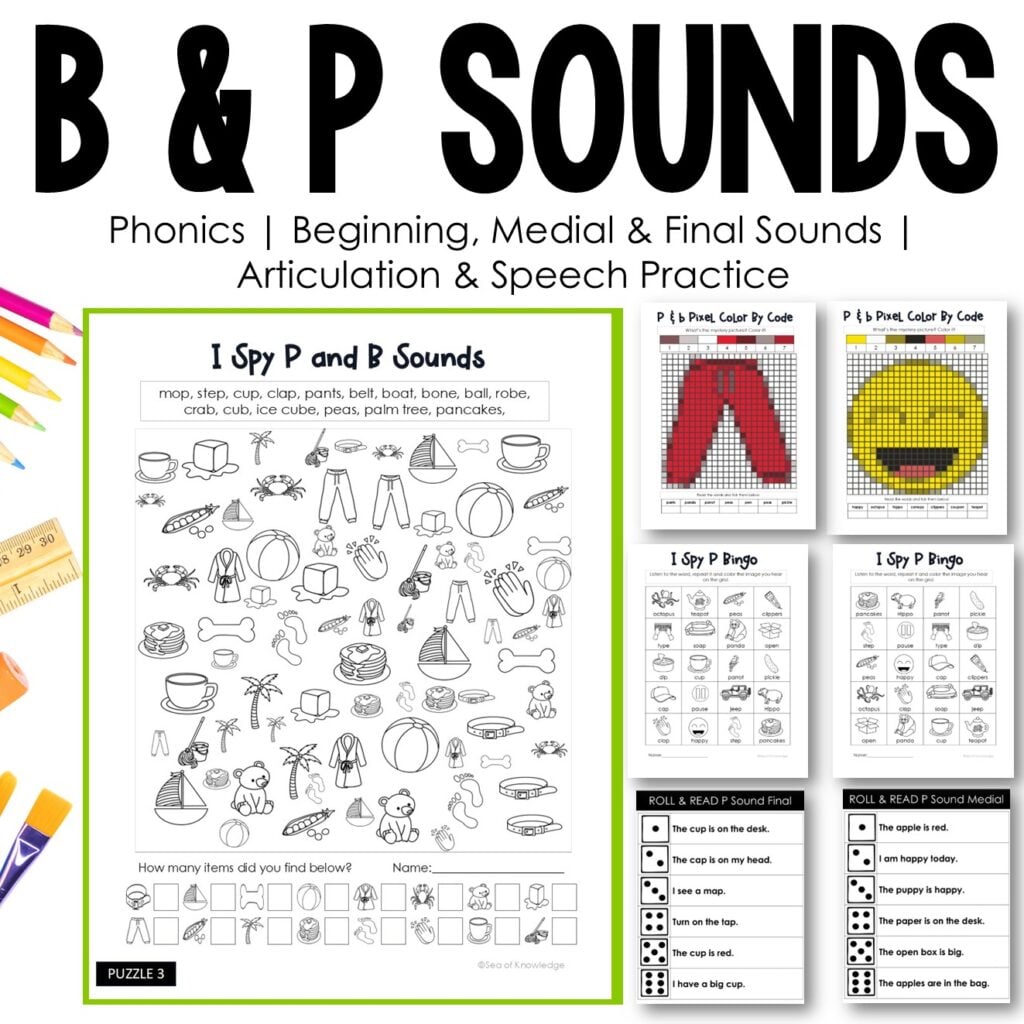
A structured approach to p and b speech therapy activities makes a big difference. When students practice these sounds across words, phrases, and sentences, they begin to hear the difference more clearly and use the sounds with confidence.
Themed resources can also make practice feel much more engaging for students who get bored with drill work. These camping speech therapy activities are a fun way to bring in seasonal vocabulary while still working on clear speech and sound production.
Why Students Confuse P and B Sounds
Understanding the difference between these sounds is the first step in teaching them effectively. Both are bilabial sounds, but one key feature sets them apart.
The p sound is voiceless and produced with a small puff of air, while the b sound is voiced and includes vibration in the throat. Because the mouth movement is the same, students often rely on habit instead of sound awareness, which leads to confusion.
If you are targeting a range of speech sounds, it helps to mix in other articulation practice throughout the week. These z words for speech therapy can be a nice next step for students who are ready to work on another target sound after p and b.
This is why targeted p vs b sounds speech therapy practice is essential. Students need repeated exposure in meaningful contexts, not just isolated drills.
How to Teach P and B Sounds Effectively
The most effective p and b articulation exercises are simple, repetitive, and engaging. Students benefit from hearing the sounds clearly, practicing them in different positions, and using them in real language.
Instead of relying only on word lists, it helps to include p and b minimal pairs, sentence practice, and interactive activities. This approach supports both sound discrimination and correct pronunciation, especially for students who need additional support.
P and B I Spy Worksheets (Initial, Medial, Final Sounds)
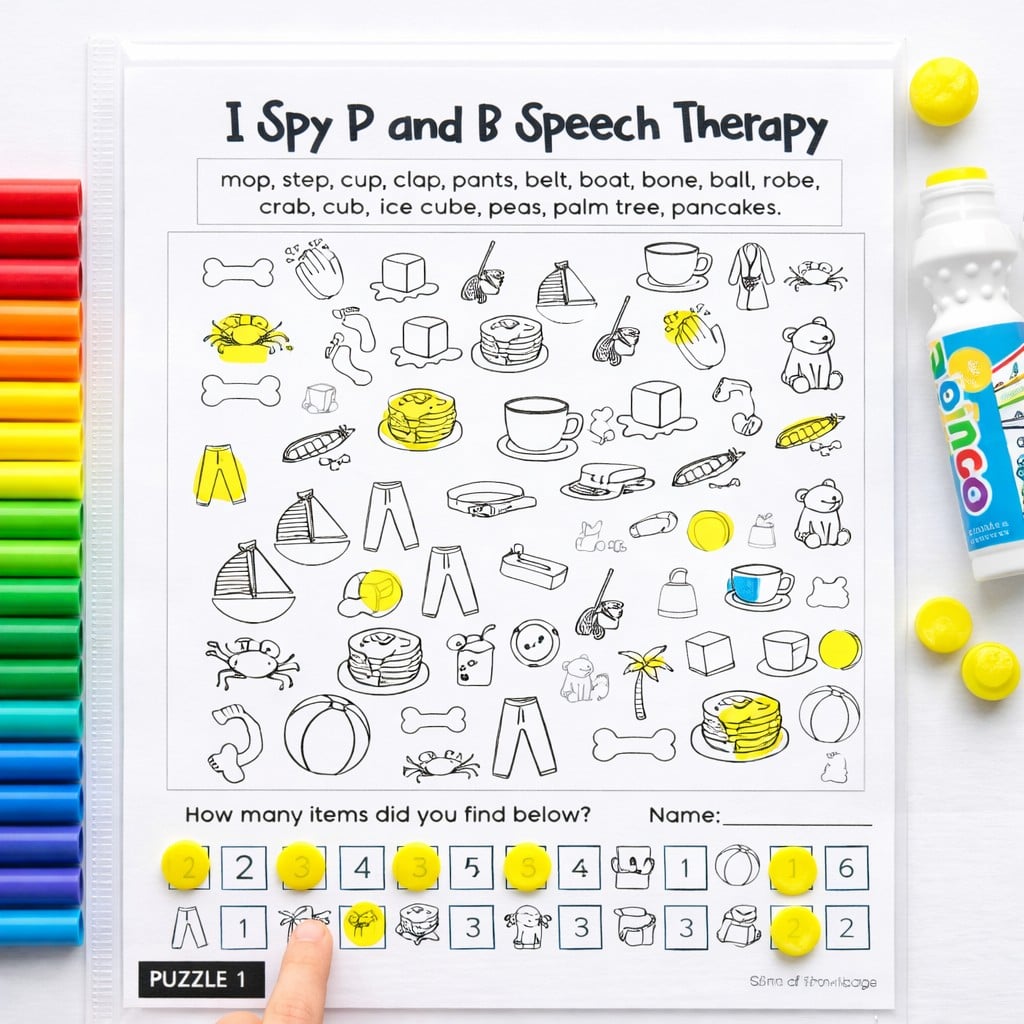
The p and b I spy worksheets provide focused practice on identifying sounds in different word positions. Students scan the page, find images, and match them to the target sound, which builds both attention and sound awareness.
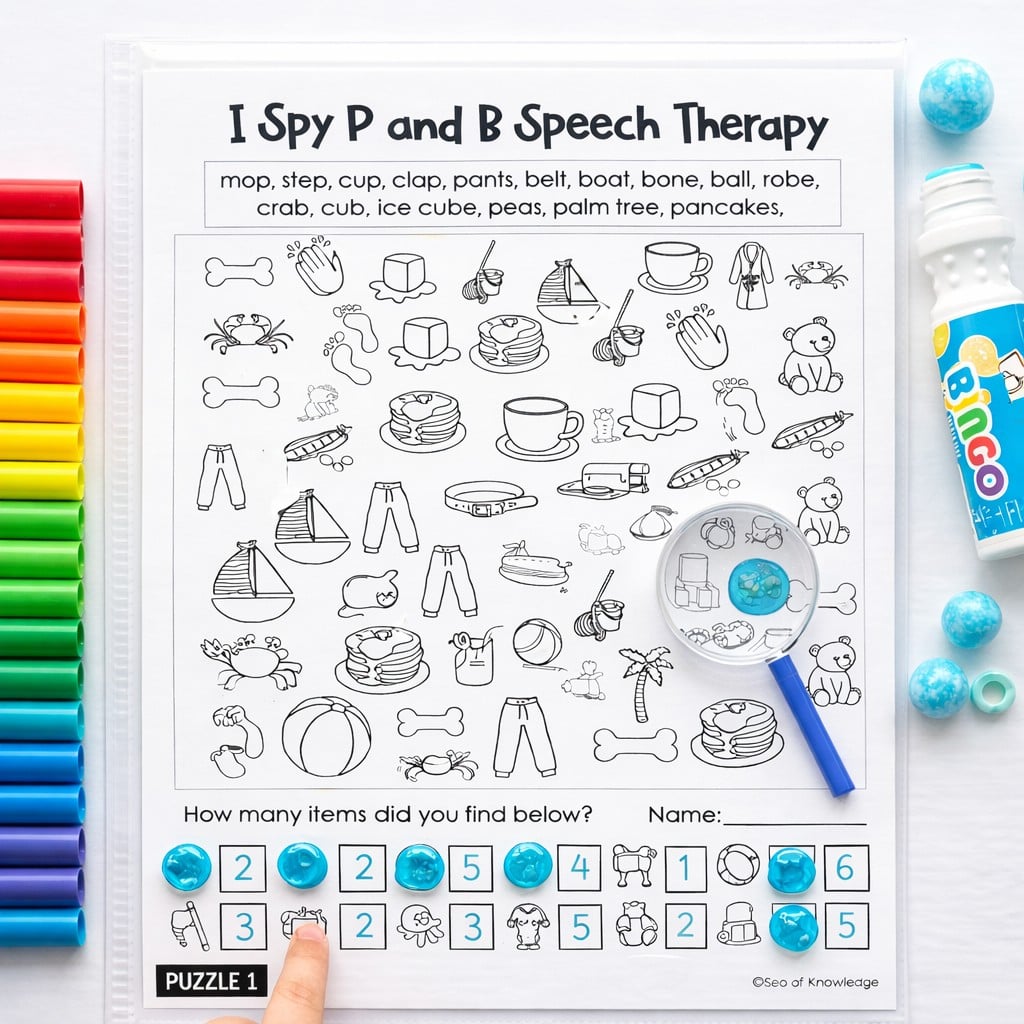
These worksheets include practice with initial, medial, and final sounds, allowing students to work through each stage step by step. This kind of p and b sound discrimination activity is especially helpful for students who need repeated exposure in a visual format.
It is also helpful to have a variety of articulation pages on hand so you can easily rotate sounds based on student needs. These g words for speech therapy activities give you another simple option for building sound practice into your literacy or intervention block.
If you’re looking for the complete bundle of structures phonics and speech practice games, check out the B and P Sounds Bundle here.
Because students are actively searching and saying the words, these pages feel more like a game than traditional p and b articulation worksheets, making them ideal for centers or independent work.
Pixel Coloring Worksheets (Mystery Image Reveal)
The pixel coloring worksheets combine sound practice with a built-in reward. As students identify words with the target sound, they color sections of the page to reveal a hidden image.
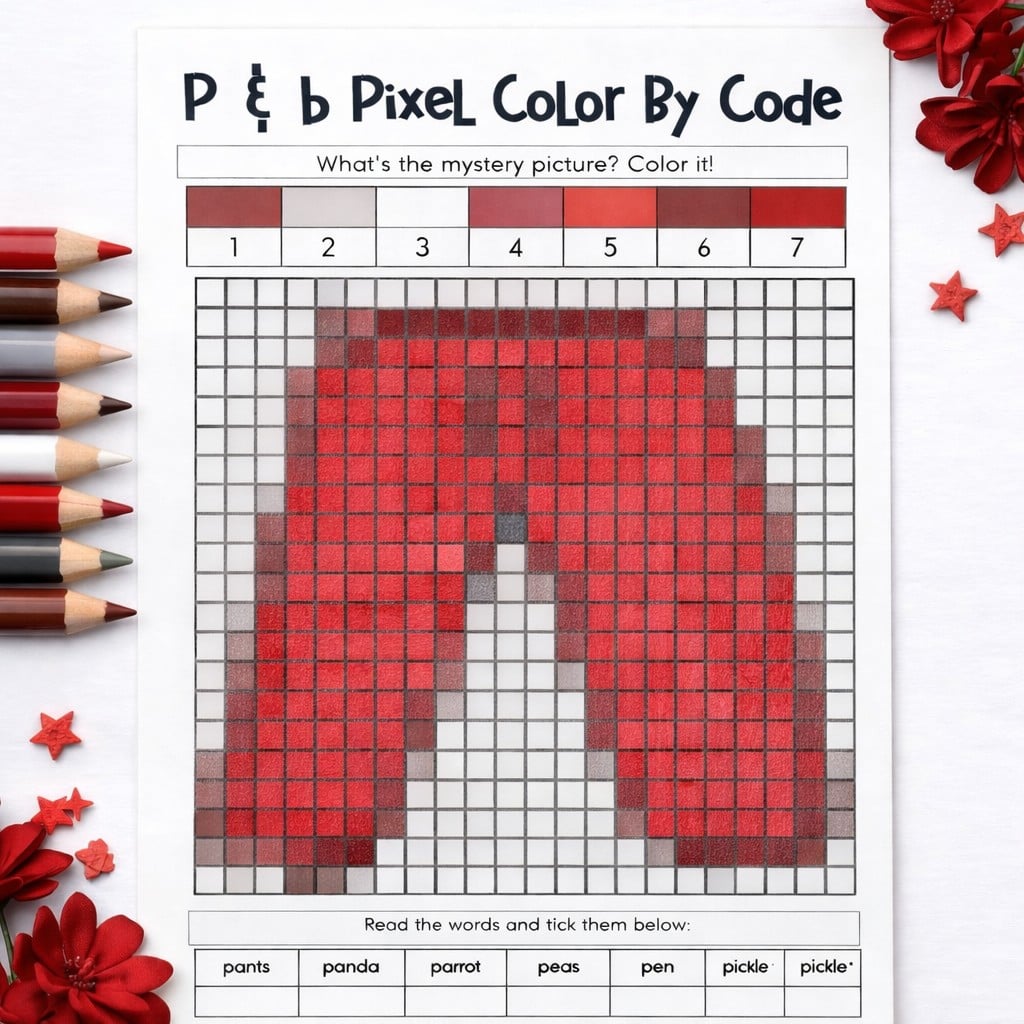
Each set focuses on a specific skill, including initial p and b sounds, medial sounds, and final sounds, giving students structured practice across all positions. This type of p and b phonics activity keeps students engaged while reinforcing accuracy.
Because students are motivated to complete the picture, they are more likely to stay focused and repeat the target words, which strengthens both recognition and pronunciation.
For students who need repeated practice with back sounds, it can be useful to pair your p and b work with other articulation targets. These k words for speech therapy are a great addition when you want to keep speech practice varied and structured.
Bingo Games for P and B Sound Practice
Bingo provides a simple way to build repetition without making practice feel repetitive. The p sound bingo sets and b sound bingo sets allow students to hear, say, and recognize target words in a group setting.
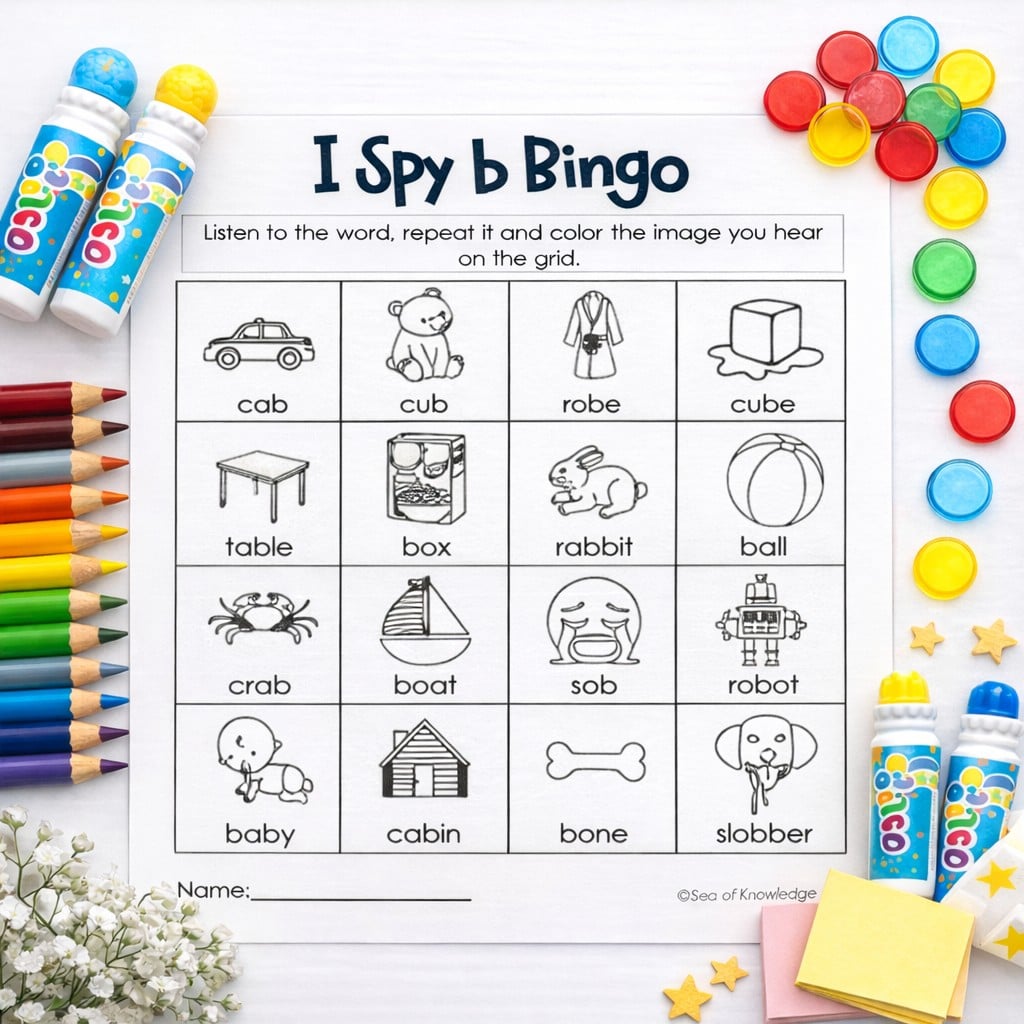
As students listen for words and mark their boards, they are actively engaging with the sounds in a meaningful way. This type of p and b articulation game is particularly effective in small groups or speech sessions, where students can hear multiple examples and practice together.
Some students need support with continuous sounds as well as stop sounds, especially when they are working on overall speech clarity. These s sounds speech therapy ideas are helpful for adding another layer of articulation practice into your sessions.
Over time, this repeated exposure supports stronger sound recognition and more accurate pronunciation.
Roll and Read Fluency Phrases
The roll and read fluency phrases help students move beyond single words and into full sentences. This is where many students begin to show real progress with p and b pronunciation exercises for kids.
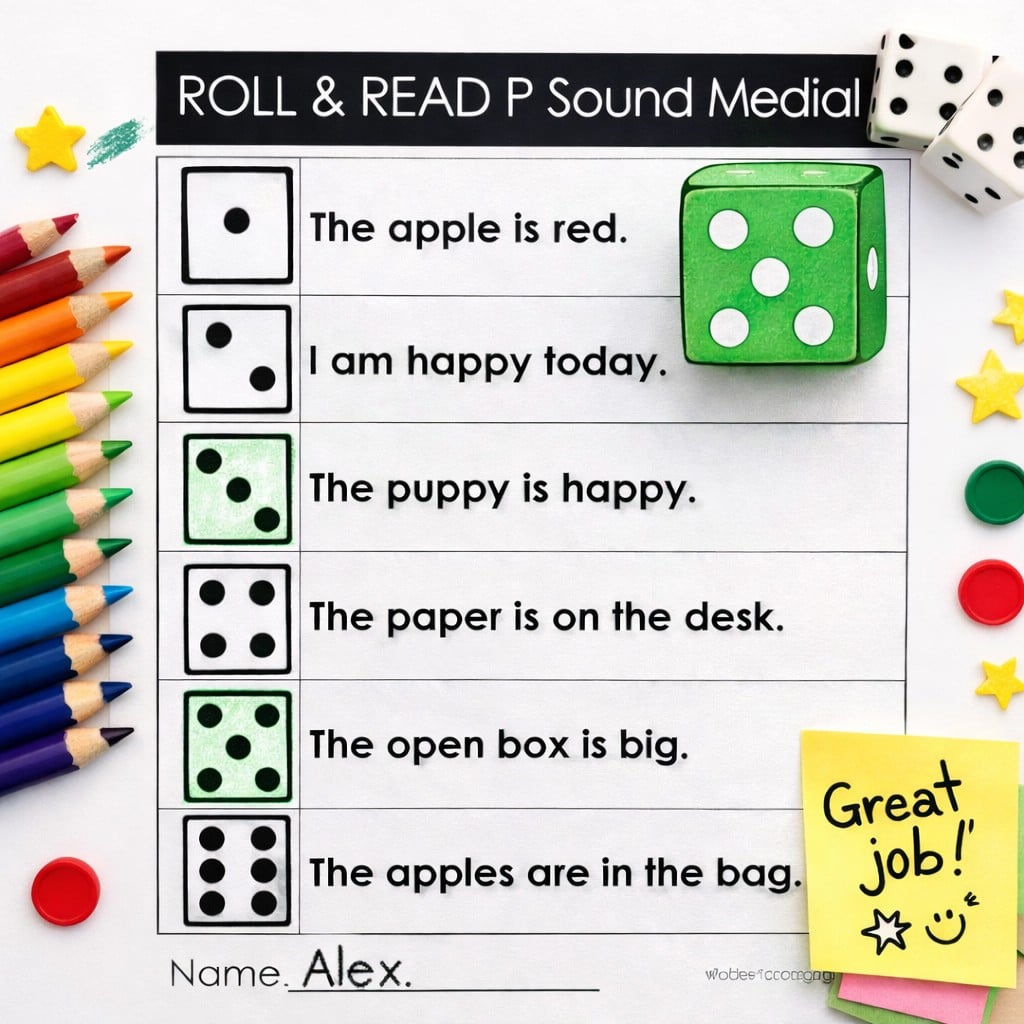
Students roll a dice, read a sentence, and repeat it for fluency. The sentences are short, predictable, and designed to include target sounds in different positions, which supports both articulation and reading development.
If you want something a little more playful, themed games can make repetition feel less repetitive. This s words speech therapy gingerbread game is a fun option for seasonal articulation practice while keeping students engaged.
This type of p and b sentence practice is especially helpful for building confidence, as students begin to use the sounds naturally within connected speech.
Why These Activities Work
A strong set of p and b speech therapy worksheets should include a variety of formats. When students practice through searching, coloring, games, and sentence reading, they are exposed to the same sounds in different ways.
This combination supports sound discrimination, repetition, and fluency without relying on drills alone. It also allows teachers to meet the needs of different learners, including those in kindergarten, ESL settings, or special education classrooms.
If you’re looking for the complete bundle of structures phonics and speech practice games, check out the B and P Sounds Bundle here.
Who These Activities Are Best For
These p and b articulation activities for early learners are designed for a wide range of students. They work well in early primary classrooms, speech therapy sessions, and intervention groups.
They are especially useful for students who need extra support with p and b sound practice, including those learning English as an additional language or those developing early phonics skills.
Try a Free P and B I Spy Game
If your students are still mixing up p and b sounds, this is a really easy place to start. A simple I Spy activity gives them repeated exposure to the target sounds without it feeling like practice.
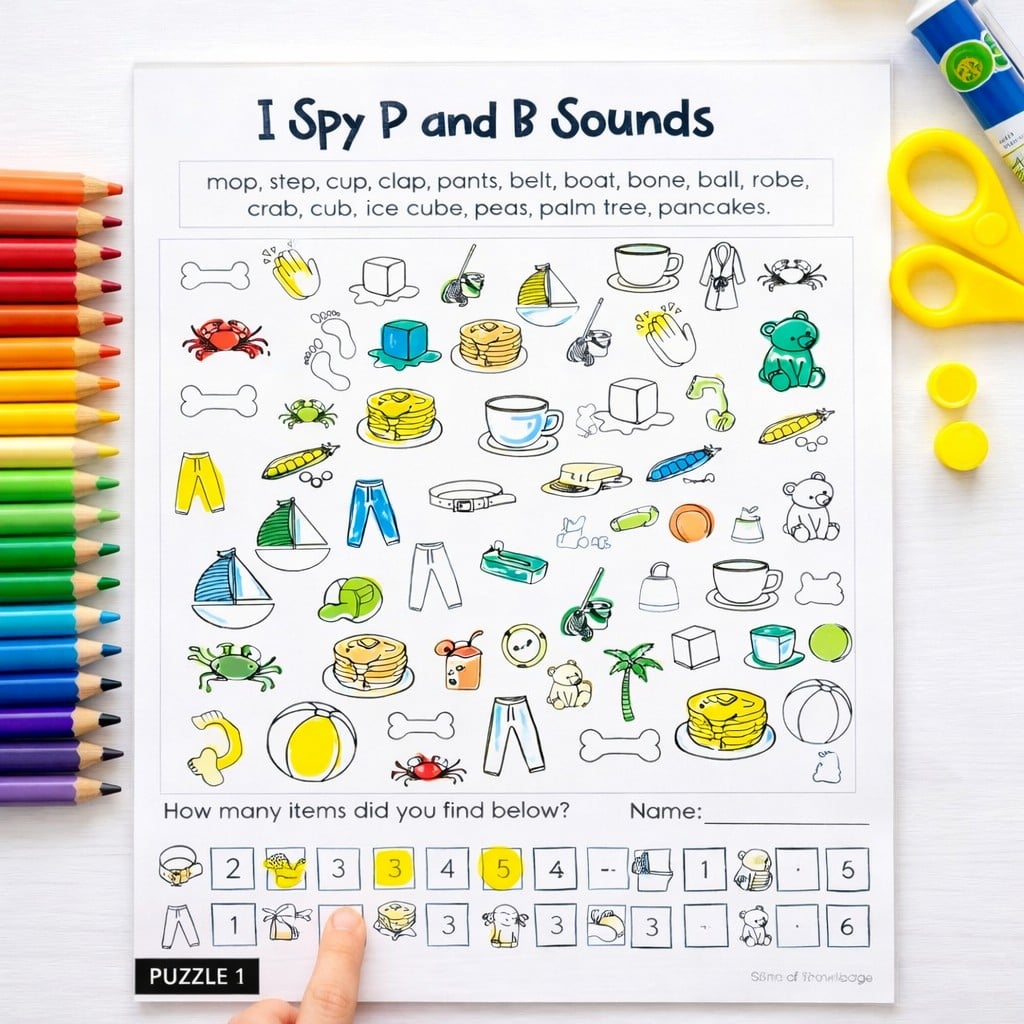
In this free I Spy page, students search for pictures, say each word aloud, and count what they find. It’s a great way to build p and b sound recognition while keeping them engaged and focused.
You can use it during centers, small groups, or as a quick warm-up at the start of your lesson. It works especially well for students who need extra repetition but get bored with traditional worksheets.
Grab one page, try it out, and see how your students respond before introducing the full set.
Getting Started with P and B Practice
Consistent, structured practice is the most effective way to improve pronunciation. When students are given engaging, targeted activities, they are more likely to stay focused and make progress over time.
If your students are still confusing these sounds, using a combination of p and b pronunciation exercises, worksheets, and games can help them build clarity and confidence in their speech.


![Easter Escape Room Printable Riddles [Secret Code]](https://www.seaofknowledge.org/wp-content/uploads/2023/03/Easter-escape-room-printable-1.jpg)