Kindergarten Reading Readiness Assessment: What NOT to do
Getting kids ready to read before they hit kindergarten isn’t just a nice bonus—it sets the stage for everything else they’ll learn. But here’s the thing: not every preschooler is automatically ready to start sounding out words and writing their name. So how do we know if they’re reading ready?

Let’s break it down using a science-backed approach, some hands-on activities, and a simple kindergarten checklist you can actually use (without needing a PhD in literacy). Whether you’re a parent, preschool teacher, or SPED educator, this post will help you understand, assess, and support kindergarten reading readiness in a fun and practical way.
Why Kindergarten Reading Readiness Matters (Hint: It’s Not Just About Letters)
Reading readiness isn’t about memorizing the alphabet. It’s about understanding sounds, making meaning from pictures, and using language to communicate. According to the science of reading, kids need to develop both phonological awareness (how sounds work) and oral language skills before they can truly decode text.
Think of it like this: if a child can’t tell that “cat” and “hat” rhyme, they’re going to struggle with reading “The Cat in the Hat.” And if they’ve never heard or said a word like “umbrella,” they won’t recognize it in print. Makes sense, right?
That’s why reading readiness assessments often focus on:
- Letter knowledge
- Sound awareness
- Vocabulary
- Listening comprehension
- Oral language
- Fine motor skills for writing

>>> Letter sound mouth picture cards here.
Easy Kindergarten Reading Readiness Assessments at Home or School
You don’t need formal testing to spot readiness signs. Here are a few things to look for:
- Can your child recognize and name at least 10 letters (especially uppercase)?
- Can they match letters to sounds (like “B” makes the /b/ sound)?
- Do they enjoy being read to and talk about stories?
- Can they follow two-step directions?
- Can they hold a pencil and scribble or draw?
👉 Try this Speech Screening Tool for Preschool if you’re unsure where to begin. It’s great for spotting speech or language issues that can impact reading readiness.
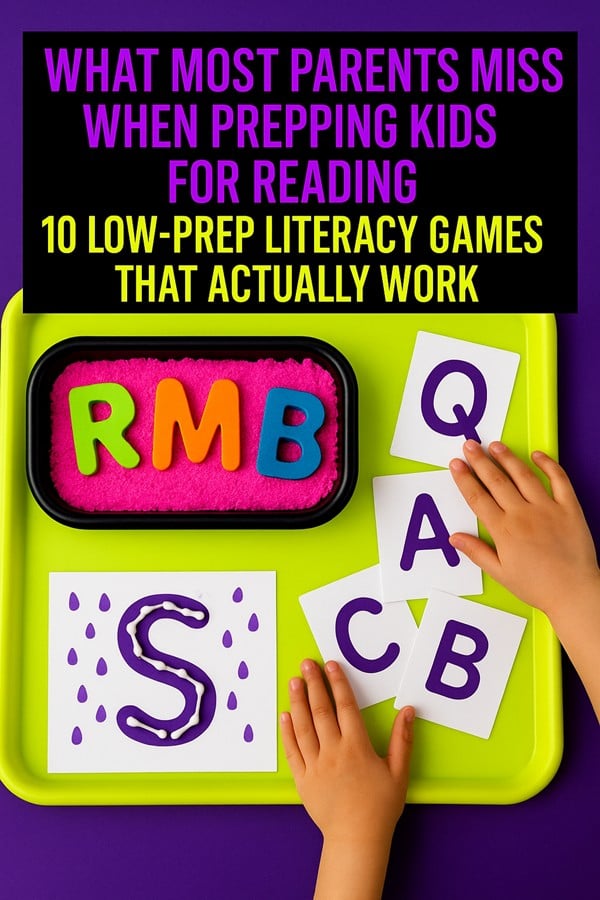
10 Kindergarten Reading Readiness Games to Prep Your Kids for School
Want to make prep feel like play? These games and activities are teacher-approved and kid-loved—and they’re all clickable so you can try them out today.
#1 Pizza Party Alphabet Game
🎮 Alphabet Letter Recognition (Pizza Theme)
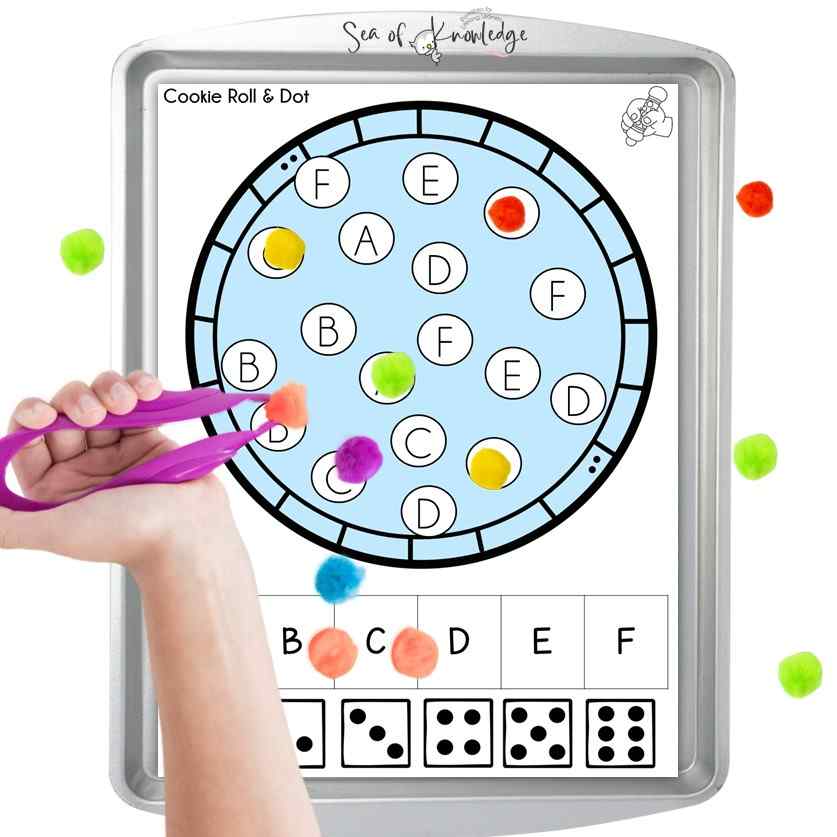
This interactive game teaches kids to differentiate letters while they “build a pizza” with toppings that match the correct letters.
It targets both letter recognition and letter-sound connections in a super engaging way!
#2 My Five Senses Game
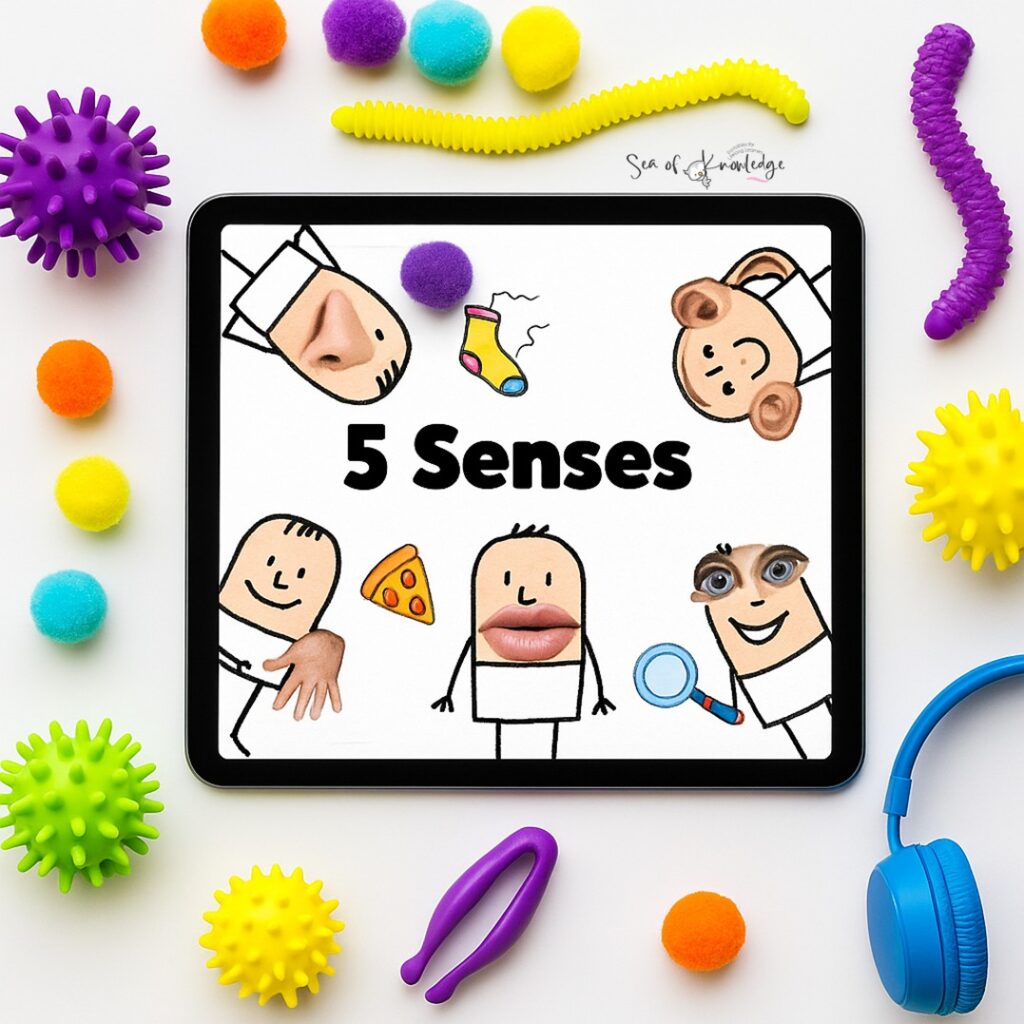
🎮 The 5 Senses Game
Understanding descriptive language and categories helps build early vocabulary.
This game introduces new words and sharpens listening comprehension—essential building blocks for reading.
#3 Speech Screening Game
🎮 Speech Screening Tool for Preschool
Play this with your child to check for sound errors, sentence structure, and clarity.
It doubles as a diagnostic and learning game!
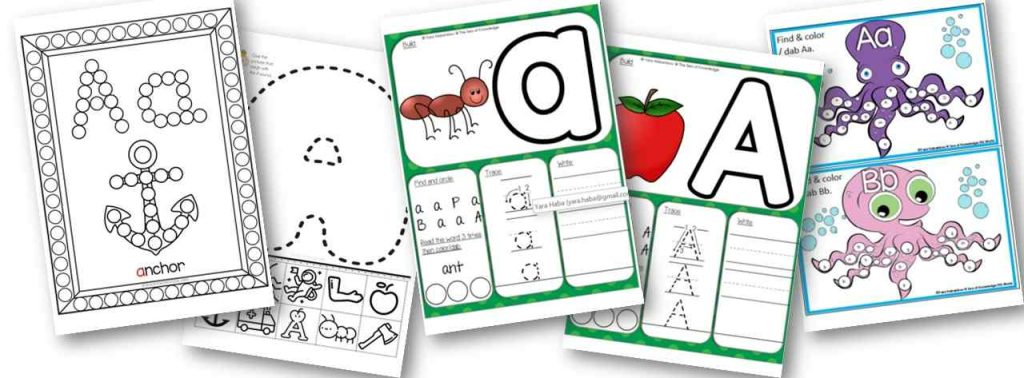
#4 Sensory Letter A Bundle
🎮 Preschool Letter A Hands-On Bundle
This printable bundle is filled with letter crafts, fine motor activities, and movement-based learning—perfect for active learners who need to feel letters to remember them.
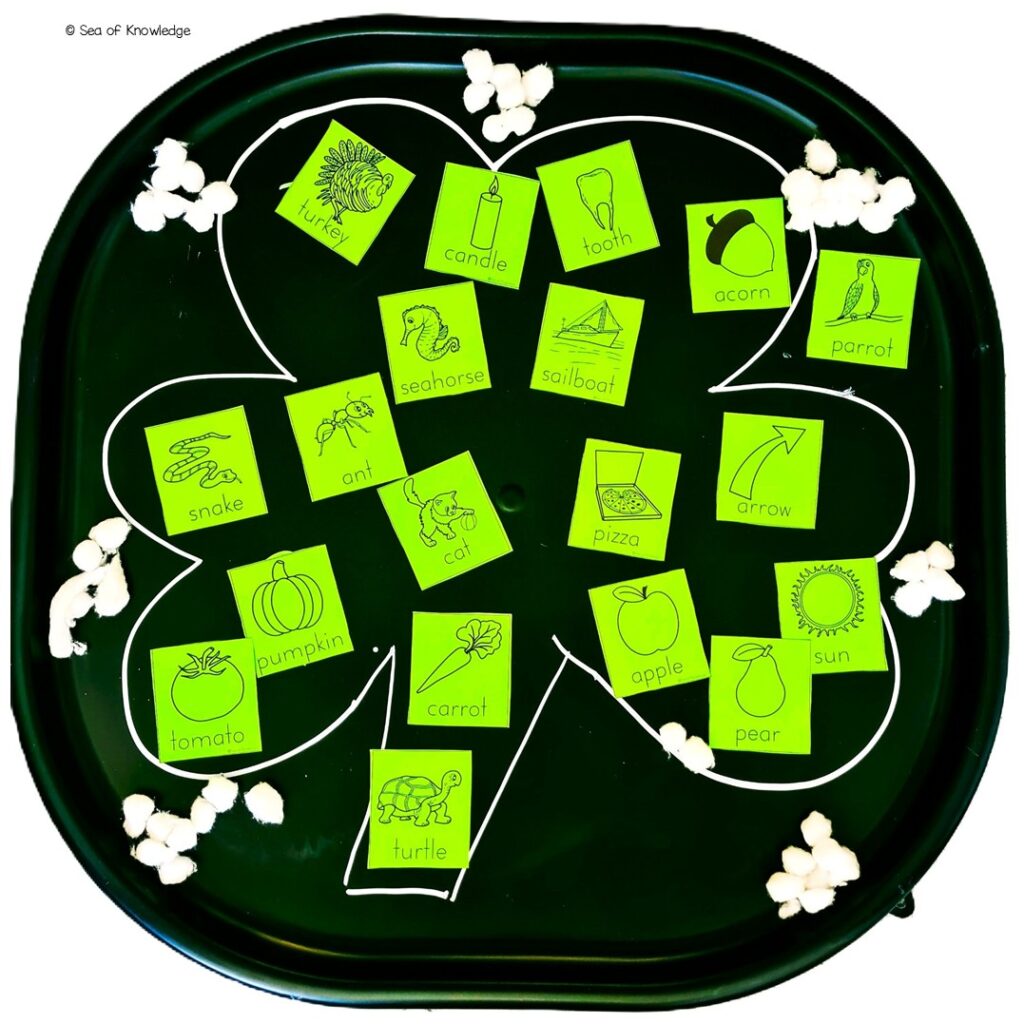
#5 Phonics Tuff Tray Ideas
🎮 Tuff Tray Phonics Activities
Use sensory trays to reinforce beginning sounds. Kids dig, match, and explore letters in themed trays—combining play with sound identification.
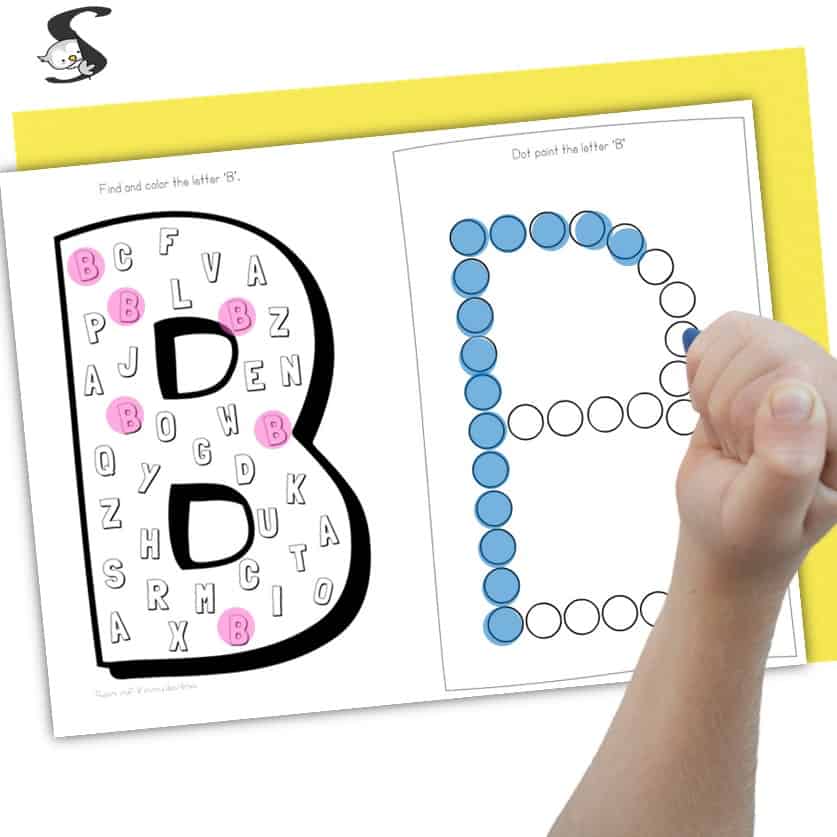
#6 Name Art with Q-Tips
🎮 Practice Name Art Page
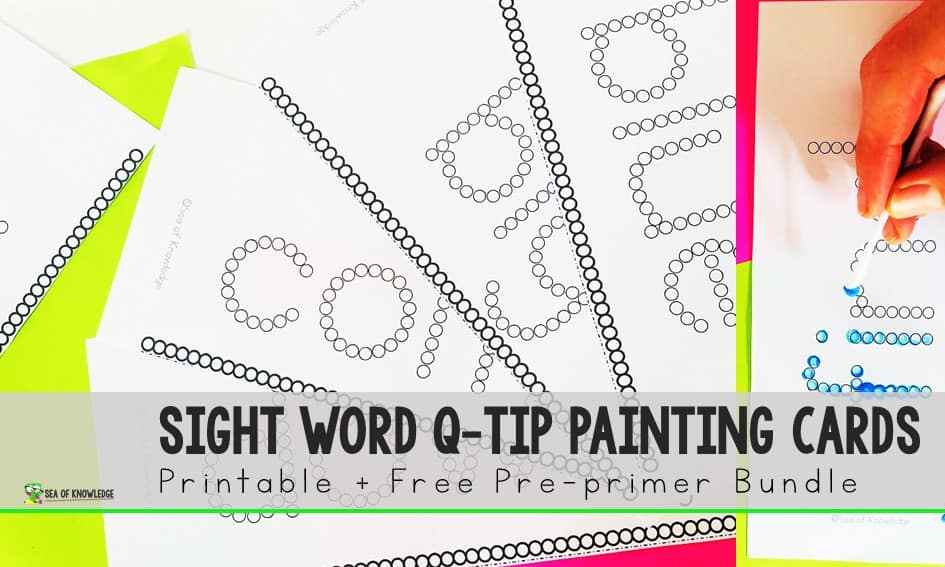
This one’s a hit for fine motor practice and letter formation. Using Q-tips for dot painting keeps it fun while sneaking in letter-sound connection practice.
#7 Mouth Movement Cards
🎮 Letter Sound Cards
These visuals help kids see how to form sounds. Great for speech development and phonics, especially with students who need extra support or visuals.
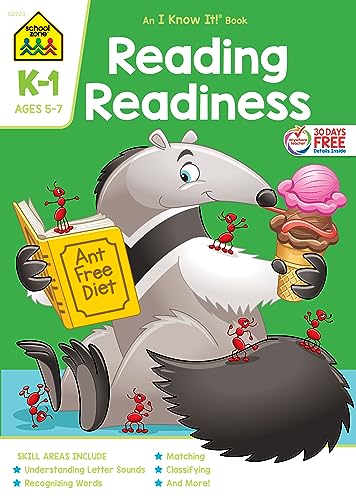
#8 Reading Readiness Workbook
📚 School Zone Reading Readiness K-1 Workbook
Packed with story sequencing, phonics, and print awareness activities. It’s a classic for a reason—no prep and full of key literacy skills.
#9 SPED-Friendly Reading Sets
📚 Skill Builders Kindergarten Reading Set
These hands-on kits are ideal for SPED classrooms or home support. They include sentence matching, phonics games, and tactile word play.

#10 Phonics Flash Cards
📚 Phonics Flash Cards – Bambino Tree
Want to teach CVC, blends, and vowel teams without screen time? These cards are a structured way to cover early phonics in stages. Bonus: they come with built-in game ideas!

Printable Kindergarten Reading Readiness Workbooks Worth Trying
Here are three more options if you’re looking for grab-and-go printable practice:
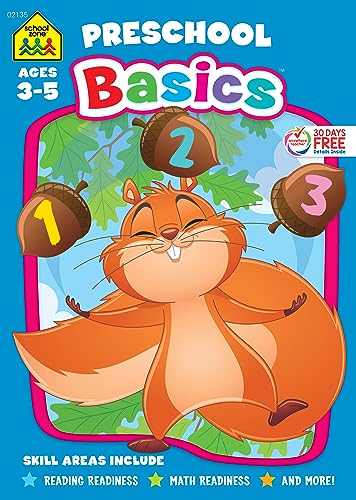
📘 Preschool Basics Workbook: Opposites, beginning sounds, and early writing.
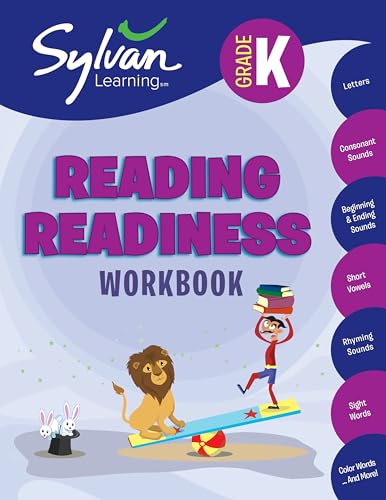
📘 Kindergarten Reading Readiness Workbook: Covers consonants, short vowels, sight words, and rhyming.
These are especially great for car rides, after-school review, or summer prep!
Final Thoughts on Reading Readiness Before Kindergarten
If there’s one thing I’ve learned, it’s this: no two kids are on the exact same path to reading. Some will pick up sounds and letters like sponges, while others need more play, repetition, and support.

By using tools rooted in the science of reading, mixing in lots of play, and watching how your child responds—you’ll know exactly how to support them.
5 Common Mistakes Parents do for Kindergarten Readiness
1. Focusing Too Much on Academics, Not Enough on Social Skills
We get it—you want your kiddo to know all their letters and numbers. But if they can’t take turns, sit for a short group time, or ask for help, those skills will matter way more on day one.
👉 What to do instead: Practice sharing, using words to express feelings, and simple routines like lining up or cleaning up.
2. Skipping Fine Motor Practice
If your child struggles to hold a pencil or cut with scissors, writing their name will feel frustrating. Fine motor skills are sneaky important.
👉 Try this: Use tongs, stickers, Q-tip painting, or play dough to build up those finger muscles.
3. Only Using Worksheets Instead of Multi-Sensory Learning
Worksheets are fine in moderation, but if they’re the main tool, kids miss out on movement-based and hands-on ways to actually retain what they’re learning.
👉 Swap in: Sensory bins, matching games, letter crafts, and alphabet hunts to make learning stick (and feel like play).
4. Not Exposing Them to Group Activities or Peer Interactions
Kindergarten is a social jungle. If a child hasn’t had much exposure to group rules, waiting turns, or other kids—everything becomes overwhelming.
👉 What helps: Storytime at the library, group music classes, or playdates can help build that stamina and confidence.
5. Assuming “They’ll Just Learn It at School”
Yes, teachers are amazing. But the truth is, kids who come in with strong foundational skills (even just exposure!) adjust faster and feel more successful early on.
👉 Easy fix: Read together daily, talk about letters and sounds during play, and let them explore writing and storytelling—no pressure, just exposure.
And hey, don’t stress. Reading starts in kindergarten. You’re not behind. You’re just setting them up to thrive.