Struggling with Day 1? These First Day of Kindergarten Activities Save the Day
Don’t let the first day of kindergarten turn into chaos! These first day of kindergarten activities tackle jitters, stop meltdowns, and keep the tears (yours AND theirs) from taking over. Try these SEL‑packed ideas for a calmer, happier start.
Well hey friend, let’s be real—the first day of kindergarten can feel like wrangling a pack of squirrels who’ve had too much sugar. Between teary goodbyes, forgotten lunchboxes, and kids clinging to your leg, that first morning sets the tone for the whole year.

And here’s what I’ve learned: the real magic for calming the chaos isn’t in a rigid schedule or a long list of rules—it’s in social-emotional learning activities that make kids feel safe, connected, and ready to learn.
When I prep my classroom for those first few days, I think less about cramming in lessons and more about creating a space where kids can settle in.
I pull out back-to-school SEL activities, simple breathing exercises, and a first week of kindergarten book list packed with titles about friendship, courage, and trying new things. The goal? Ease the jitters, spark smiles, and build those first tiny bridges of trust.

And yes, we’ll get to letter of the week later and even some handwriting, but for now it’s about slowing things down—introducing names through crafts, sharing stories, and letting kids sign in each day with a sense of ownership.
A calm start makes the academics so much smoother later on.
If you’ve got a child struggling with letter recognition, you’ll love this child struggling with letter recognition PDF full of strategies and printables—it’s the perfect way to sneak in practice during those calm first week activities.
10 First Day of Kindergarten Activities for a Calmer First Week
Here’s where the magic really happens—ten easy, low‑prep ideas to turn that nerve‑wracking first week into something calm, connected, and (dare I say) fun.
These first day of kindergarten activities don’t just keep kids busy—they build trust, ease separation anxiety, and set the tone for the whole year.
Starting simple is key, and that’s why introducing preschool letter A activities early on can help kids feel confident before tackling the rest of the alphabet.
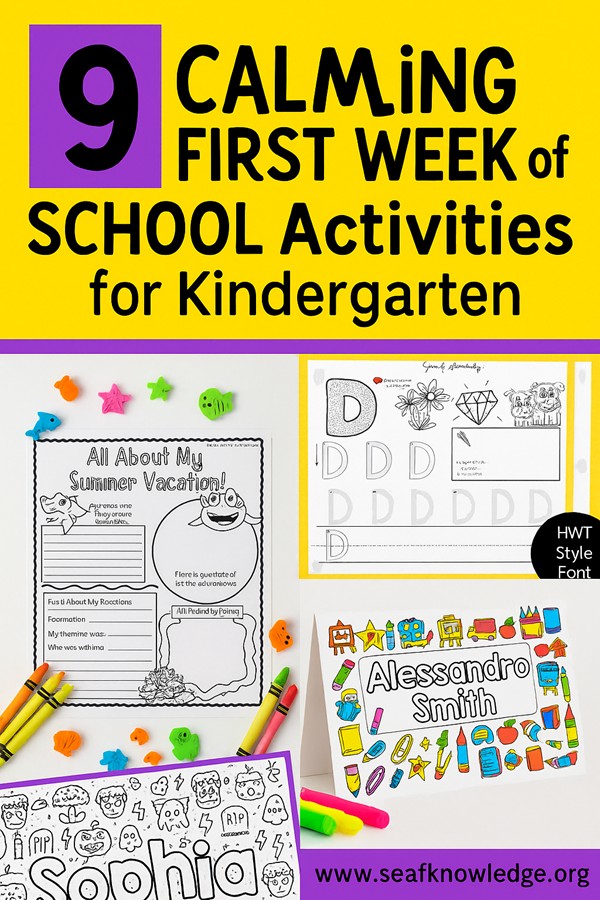
#1 All About Me Posters
This bundle is like the Swiss Army knife of the first week—it has All About Me pages, editable welcome posters, and a whole lot more.
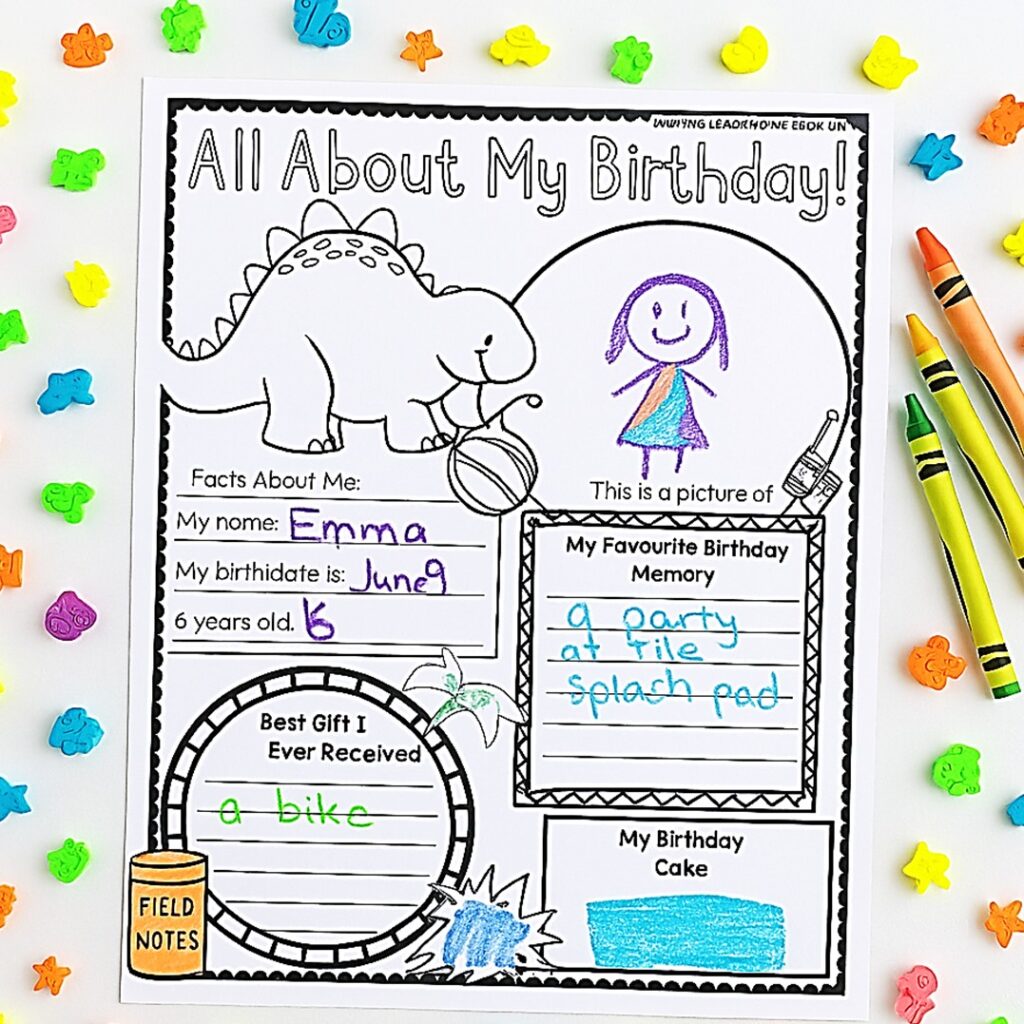
The All About Me sheets are a lifesaver for learning names and letting kids express who they are. The coloring posters?
Perfect for decorating those bare walls while kids settle into their new space. It even includes pieces that help with separation anxiety, making those first drop-offs less dramatic.
I love how I can grab pages for morning work, circle time, or early finishers without having to print a million extras—it’s all right there.
I also love using conversation starters like the I wish my teacher knew template to build trust and learn little details about your new students—it makes such a difference in those first few days.
2 Editable Coloring Desk Name Plates for Kindergarten
I can’t tell you how much I adore these editable name plates. Kids color their name plate on the very first day, and it instantly becomes “their spot.”

It’s such a simple thing, but watching them carefully color in their letters calms everyone down—and helps me remember names faster.
Plus, it doubles as an easy icebreaker; kids share a fun fact about the colors they chose or something special about their name.
For a fun name activity, nothing beats this editable name tent idea—it doubles as a morning sign‑in, helps with name recognition, and instantly makes the classroom feel personal.
#3 Q‑Tip Painting Name Activity for Fine Motor Skills
This kindergarten Q‑tip painting activity is unexpectedly calming! Kids use Q‑tips to dot paint their names or feelings bubbles.
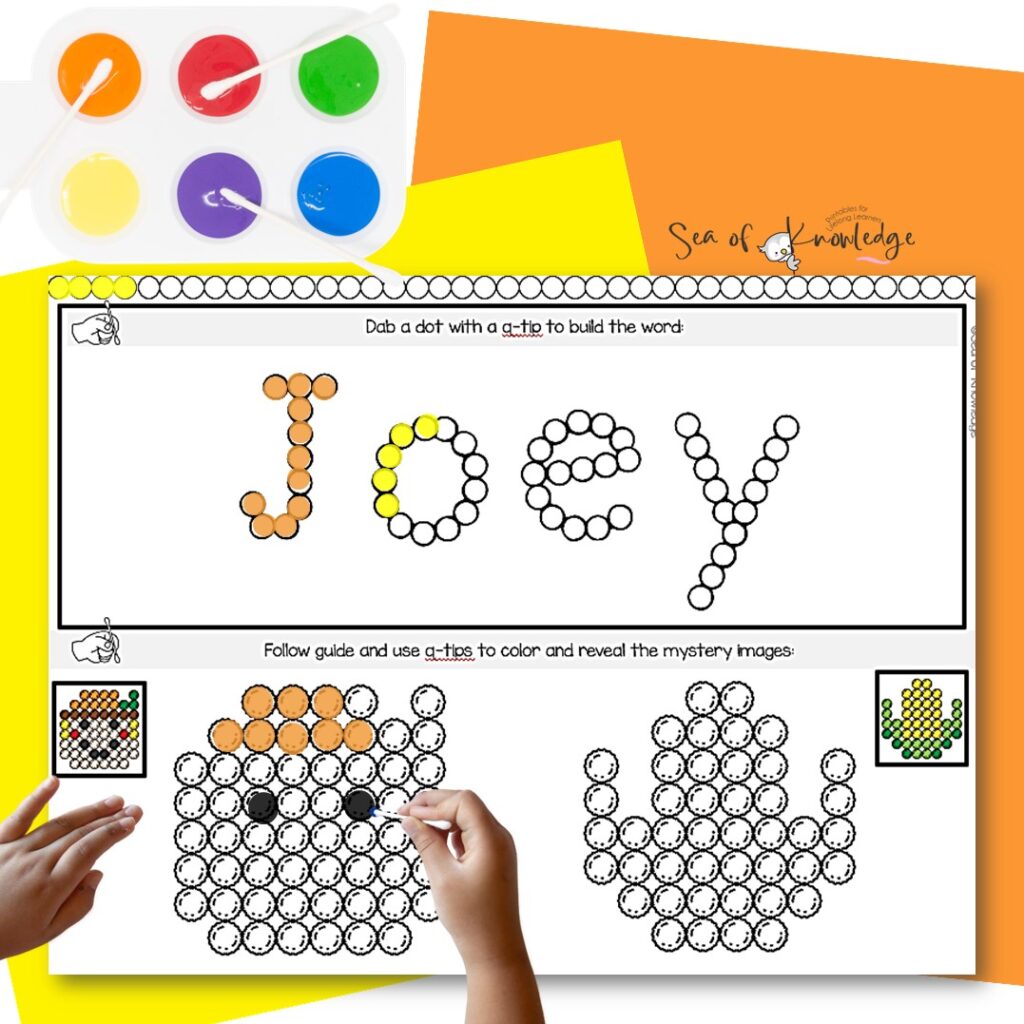
Combine it with name‑crafting so they meet the kindergarten alphabet name craft (keyword 15) and alphabet formation practice. While they paint calmly, I chat quietly with each child—Low sensory movement helps ease into social emotional learning.
Need a giggle break? Kids absolutely crack up at these silly poop stories for kids, and honestly, it lightens the mood when the first week feels a little tense.
#4 Alphabet Formation & Beginning Sounds Activities
Okay, these Smart Watch printables and handwriting sheets are genius. Kids color a “smart watch” for a letter of the day, wear it, and then trace and practice the letter on matching sheets.
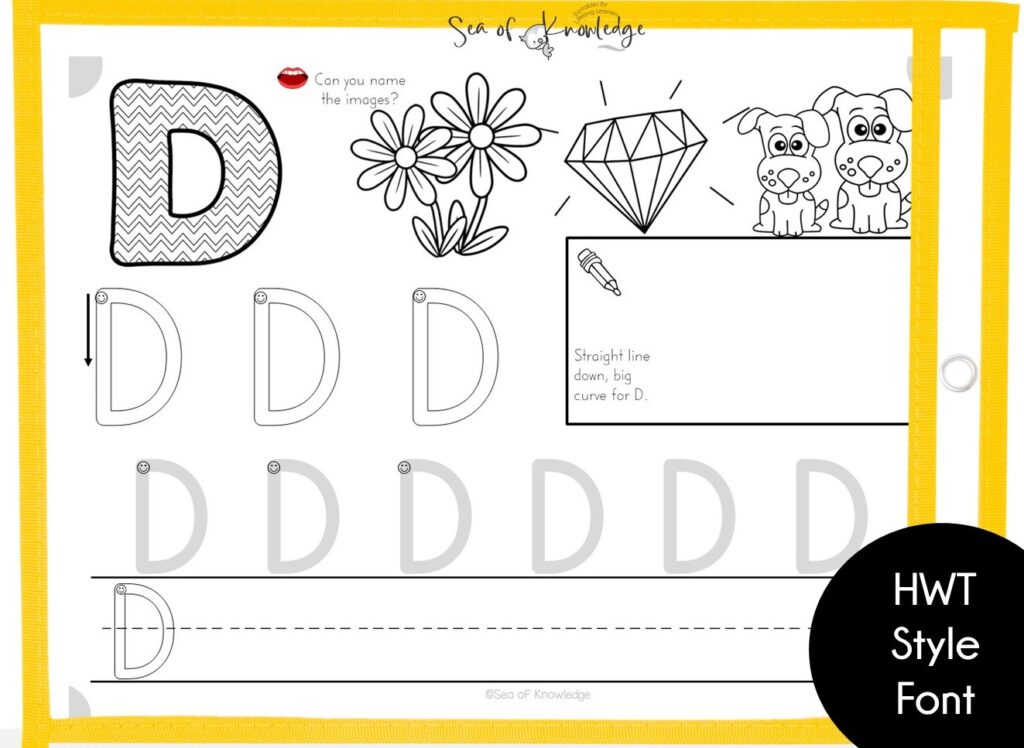
You can grab this in the Back to School Activities & SEL Bundle. It turns handwriting from “ugh” into “oh cool, I get to wear a watch!”—and it’s perfect for easing them into early literacy routines without stress.
When you’re teaching those tricky social moments, try this taking turns social skills activity—it’s such an easy way to model sharing and patience early on.
#5 Anger Management Craft
Every classroom has big feelings that pop up, and this craft gives kids tools to manage them. We make “anger monsters” or “calm jars” together and talk about what we can do when we feel mad.

It’s amazing to see little ones proudly hold up their craft and say, “This is what I use when I’m mad!”—it’s both adorable and practical. You can find this in the same SEL bundle here.
To reset the room fast, I keep a stash of fun attention getters for students—they’re lifesavers when the noise starts to climb.
#6 Classroom Attention Grabbers Sensory & Movement Call Backs
This one’s a two-for-one. I use sensory call-backs like “Macaroni and cheese—everybody freeze!” to grab attention in a fun way, and at the same time, I sneak in gentle assessment pages from the SEL bundle.

These activities help me get a sense of who knows what without it feeling like a “test,” and they give the kids some predictable cues to feel safe and ready.
And if you want to brighten the classroom right away, grab ideas from welcome back to school bulletin boards for preschool—they make the room warm and inviting before the kids even walk in.
#7 Editable Bus Name Craft + Riding the Bus Story
The bus can be a big source of anxiety, so this craft is brilliant. Kids decorate a little paper bus with their name, and we pair it with a riding-the-bus social story from the bundle too.
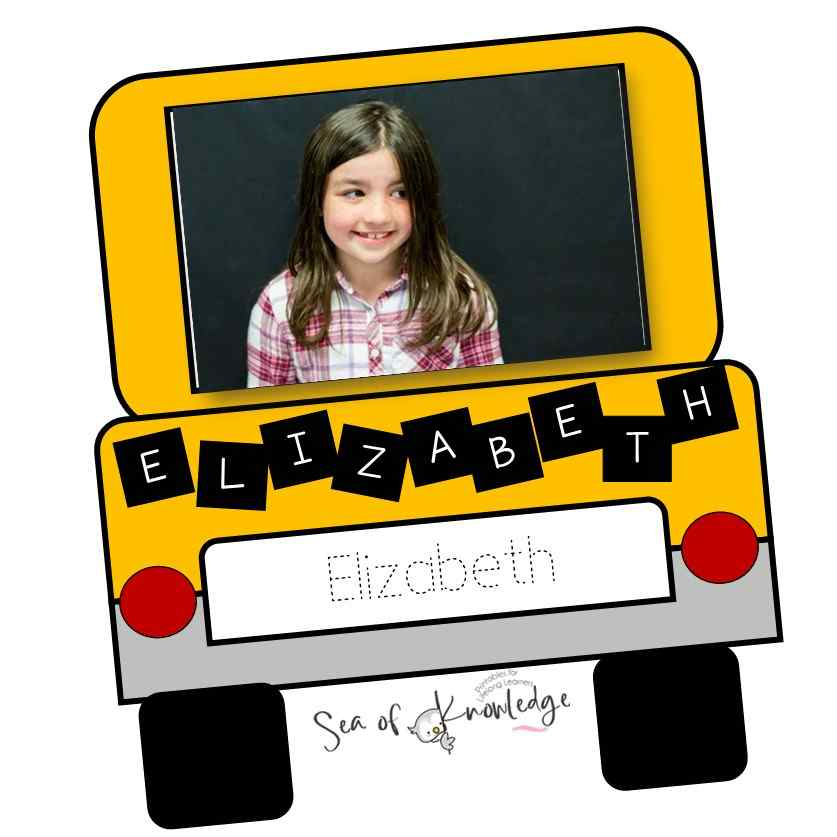
Suddenly, riding the bus isn’t scary—it’s exciting, because they have their “bus” too. Bonus: the buses look adorable on a bulletin board!
#8 Social Skills Story: “Going to Kindergarten”
Stories calm everything down. This one, all about what it’s like “going to kindergarten,” is editable, so you can add student names or details from your school.
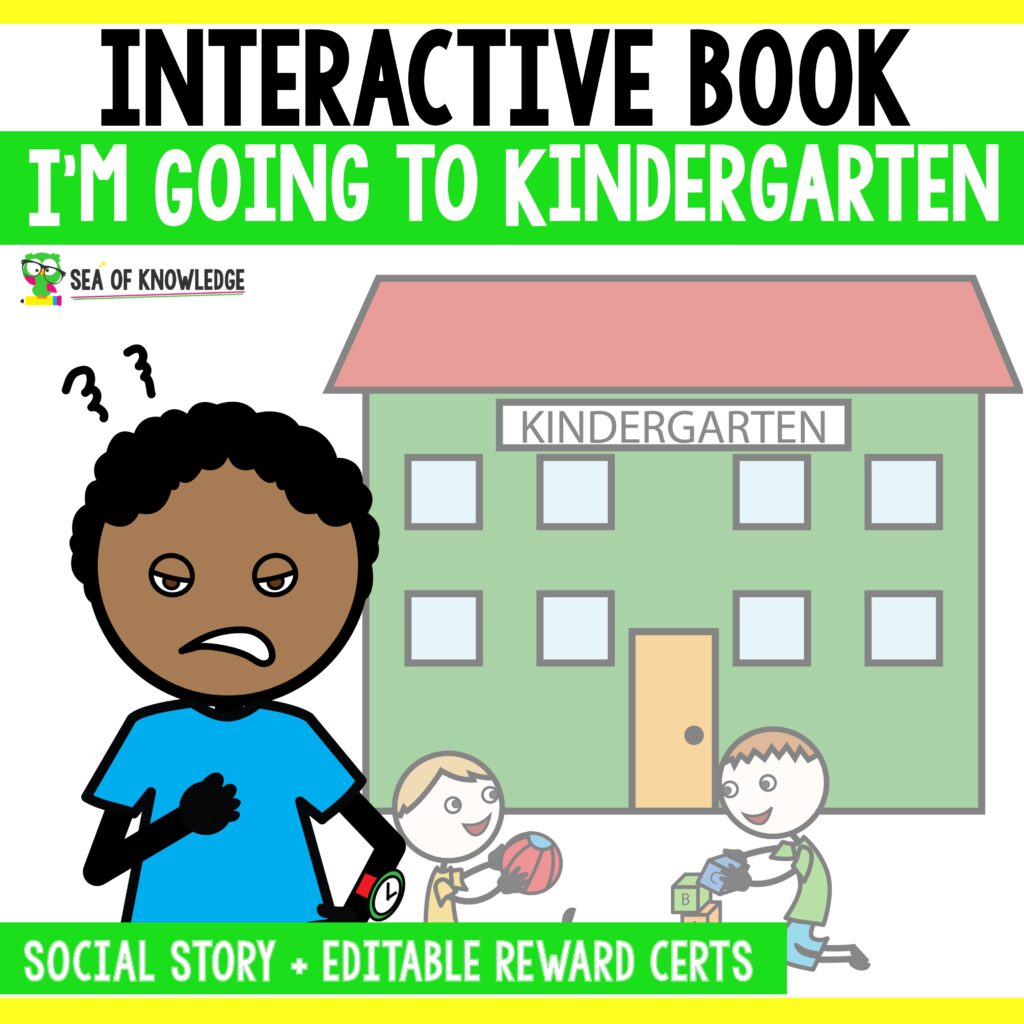
We read it together, act it out, and then kids help illustrate parts. It’s a gentle way to start conversations about feelings, routines, and making friends.
#9 Separation Anxiety Social Skills Story
We all know that one kid (or three) who clings to mom’s leg. This story has been a lifesaver for separation anxiety.
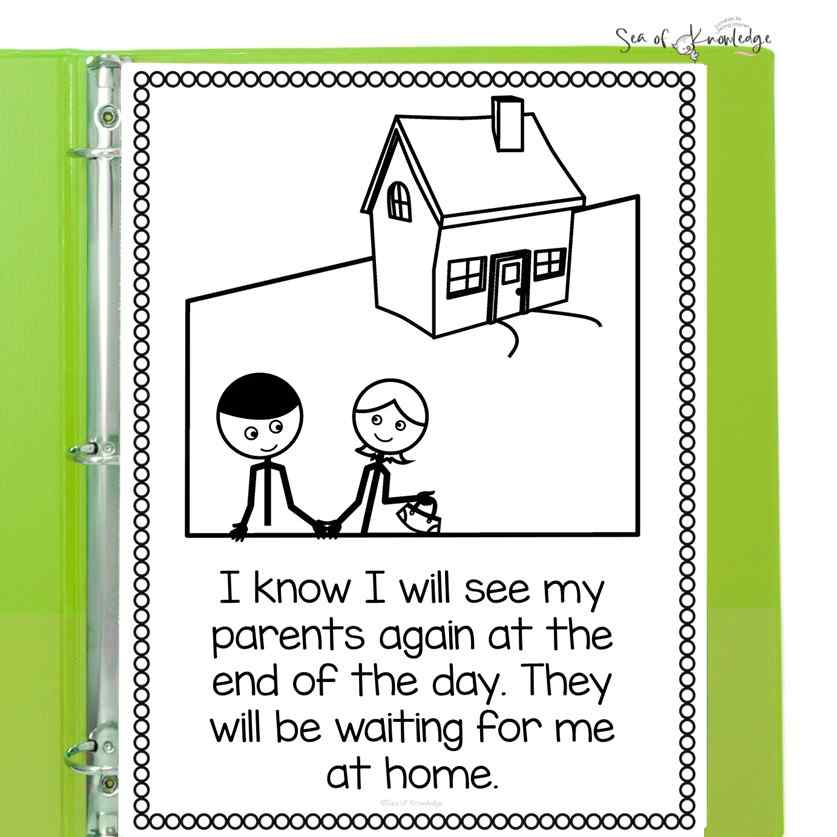
It gives kids language for their feelings (“I miss my mom”) and teaches strategies like breathing, hugging a stuffed animal, or using a feelings chart. Parents love it, too, because it smooths out those teary goodbyes by day three.
#10 ESL Worksheets for Newcomers (Beginners Language Literacy Year Bundle)
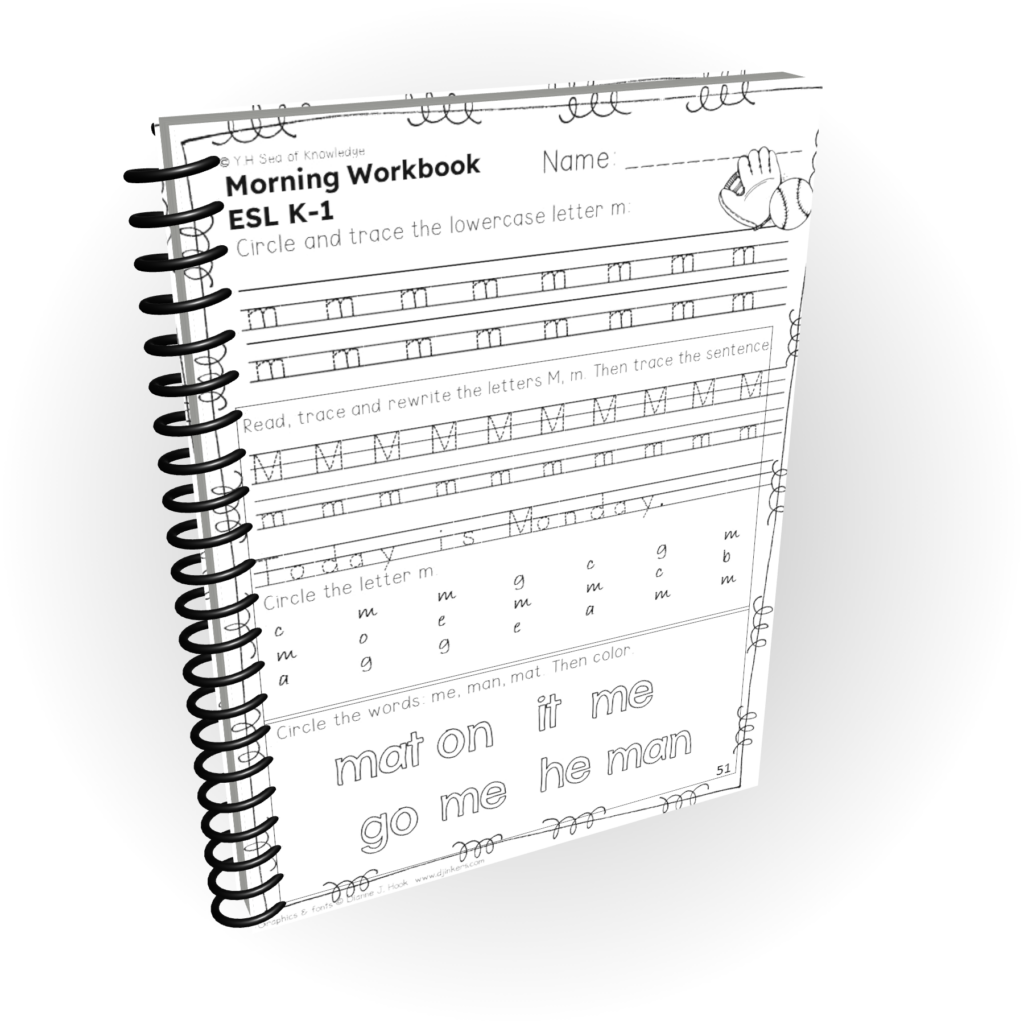
If you have English learners, these worksheets are gold. You can get them here: ESL Worksheets Bundle.
They cover names, routines, and feelings with lots of visuals, so even the quietest newcomer feels included. Watching their confidence grow in just a week is one of my favorite things.
Here’s the thing—starting the year with social-emotional learning isn’t extra fluff, it’s essential. By leaning into these first day activities, you ease jitters, build trust, and stop the meltdown train before it leaves the station.
I’ve seen the difference. When I start the year with SEL, kids greet each other, point to their name plates, talk about their calm jars, and help each other with painting. The room feels calmer, safer, and honestly… so much happier.
By the second week, we’re already moving into alphabet routines and morning work, but the foundation is there: kids trust you, they trust each other, and the classroom feels like theirs. And that? That’s the real “secret” to a calm classroom.