Bullying Social Story PDF: Helping Children Understand Bullying Through Social Stories
Worried your child may be experiencing bullying? Learn the difference between bullying and everyday conflicts with this Bullying Social Story PDF. Includes practical tips, discussion ideas, and 3 free anti-bullying activities for kids.
Bullying can leave children feeling confused, worried, and unsure about what to do next. Whether it happens in the classroom, on the playground, or online, many children struggle to understand how to respond when someone is being unkind.
If you’re using a bullying social story PDF with your students, creating your own personalized stories can be a powerful next step. These social story templates make it easy to address specific situations that children may encounter at school, on the playground, or at home.
Teachers and parents can customize stories to target friendship skills, bullying prevention, and problem-solving strategies.

A bullying social story PDF can help children learn what bullying is, how it makes others feel, and safe ways to respond. Social stories break complex social situations into simple, easy-to-understand steps, making them especially helpful for young learners, autistic students, and children who benefit from explicit social skills instruction.
In this article, we’ll explore how social stories can support bullying prevention and share several anti-bullying activities that teachers and parents can use right away.
One of the most popular books for discussing bullying is The Recess Queen. These The Recess Queen worksheets provide engaging follow-up activities that help children explore kindness, empathy, and respectful friendships. They pair beautifully with anti-bullying lessons and social stories.
Table of Contents
- What Is a Bullying Social Story?
- Why Social Stories Work for Bullying Prevention
- What Children Can Learn From a Bullying Social Story
- Featured Resource: Bullying Social Story PDF
- 3 Free Anti-Bullying Activities for Kids
- Additional Ways to Teach Kindness and Respect
- Frequently Asked Questions
What Is a Bullying Social Story?
Explain:
- Definition of a social story
- Developed to teach social expectations and behaviors
- Uses simple language and clear examples
- Helps children understand both perspectives
- Useful for autism, ADHD, social skills groups, counseling sessions, and SEL lessons
Looking for more ways to reinforce your bullying prevention lessons? These anti-bullying activities for kids include hands-on resources designed to help children recognize unkind behavior and practice positive social skills. They work well in classrooms, counseling groups, and homeschool settings.
Why Social Stories Work for Bullying Prevention
Discuss:
They Teach Children What Bullying Looks Like
- Name-calling
- Exclusion
- Physical bullying
- Online bullying
They Provide Clear Response Strategies
- Stay calm
- Walk away
- Tell a trusted adult
- Use assertive communication
They Build Empathy
Children learn how their actions affect others and how kindness strengthens friendships.
Understanding the different forms of bullying can help children identify when a situation needs adult support. This types of bullying infographic breaks down verbal, physical, social, and cyberbullying in a child-friendly format. It is an excellent visual companion to a bullying social story lesson.
What Children Can Learn From a Bullying Social Story
Recognizing Bullying Behaviors
Help students identify when behavior crosses the line from teasing into bullying.
Knowing When to Ask for Help
Discuss trusted adults and reporting concerns.
Being an Upstander Instead of a Bystander
Teach children how to support others safely.
Practicing Respect and Kindness
Build positive classroom culture and friendship skills.
Music can be a memorable way to reinforce important SEL concepts. These anti-bullying songs for kids encourage kindness, inclusion, and standing up for others through engaging lyrics and classroom discussions. They can be used as a fun introduction or extension activity.
Featured Resource: Bullying Social Story PDF
(Insert product image/mockup here)
Bullying Social Story PDF for Kids
If you’re looking for a structured way to teach children about bullying, this printable social story provides relatable scenarios, simple explanations, and positive coping strategies.
This resource can be used:
- In classrooms
- During counseling sessions
- In special education programs
- At home with parents
- In social skills groups
The story helps children learn:
- What bullying is
- How bullying affects others
- What to do when they experience bullying
- How to seek help from trusted adults
- Ways to show kindness and respect
Many children struggle to know how to respond when someone is teasing them. This resource about when someone teases you helps students understand the difference between playful teasing, hurtful teasing, and bullying. It complements the concepts taught throughout a bullying social story.
4 Free Anti-Bullying Activities for Kids
One of the most challenging parts of teaching children about bullying is helping them understand that not every unkind moment is actually bullying. Sometimes a friend may be grumpy, make a poor choice, or have a bad day.
#1 Bullying or Just a Bad Day? Social Story PDF
Other times, repeated hurtful behavior may be a sign of bullying that needs adult support. That’s exactly what this Bullying or Just a Bad Day? Social Story PDF helps children learn.
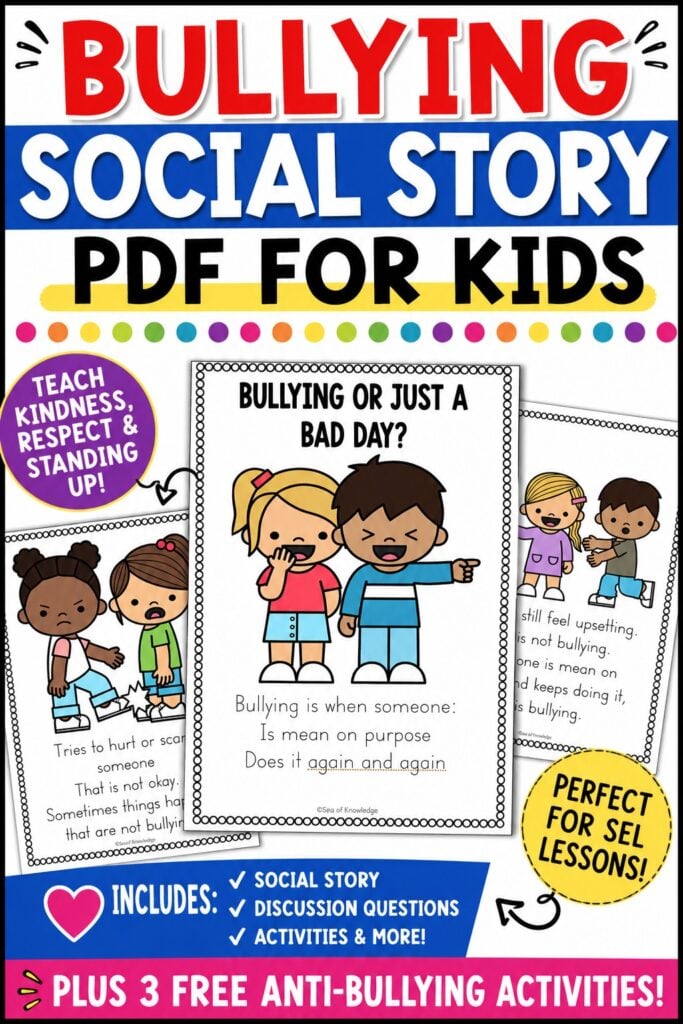
Using simple language, relatable examples, engaging illustrations, and interactive activities, this social story walks students through common school situations and teaches them how to tell the difference between a one-time mistake and ongoing bullying behavior.
Establishing positive classroom expectations early in the year can help reduce social conflicts. These back to school routine ideas help children learn expectations, build confidence, and develop respectful interactions with peers. Strong routines create a foundation for a safer and more supportive classroom environment.
Children learn to recognize unkind actions, understand how those actions affect others, and practice appropriate responses when they feel hurt, excluded, or upset. The resource also encourages empathy by helping students consider how their classmates might be feeling and why kindness matters.
Designed for classroom lessons, counseling sessions, special education programs, autism support, and home use, this printable social story includes discussion opportunities, comprehension activities, coloring pages, and reflection exercises that reinforce important anti-bullying concepts.
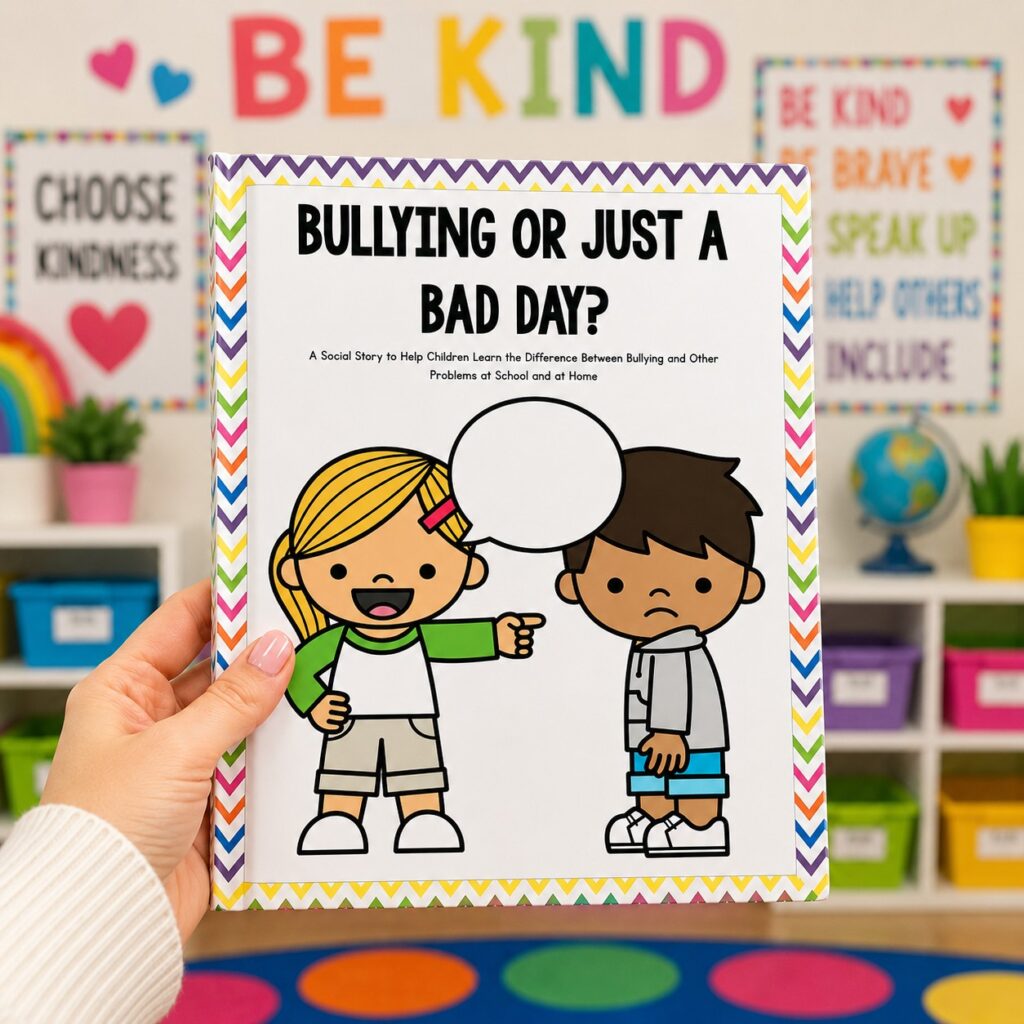
It is a practical tool for helping children build confidence, improve social understanding, and develop the skills they need to become kind, respectful, and supportive members of their school community.
Children sometimes feel self-conscious about differences that make them stand out from their peers. This wearing glasses social story helps students build confidence and self-acceptance while learning that everyone has unique strengths and challenges. It is a wonderful resource for promoting inclusion and empathy.
#2 Be Kind! Speak Up! Anti-Bullying Classroom Posters
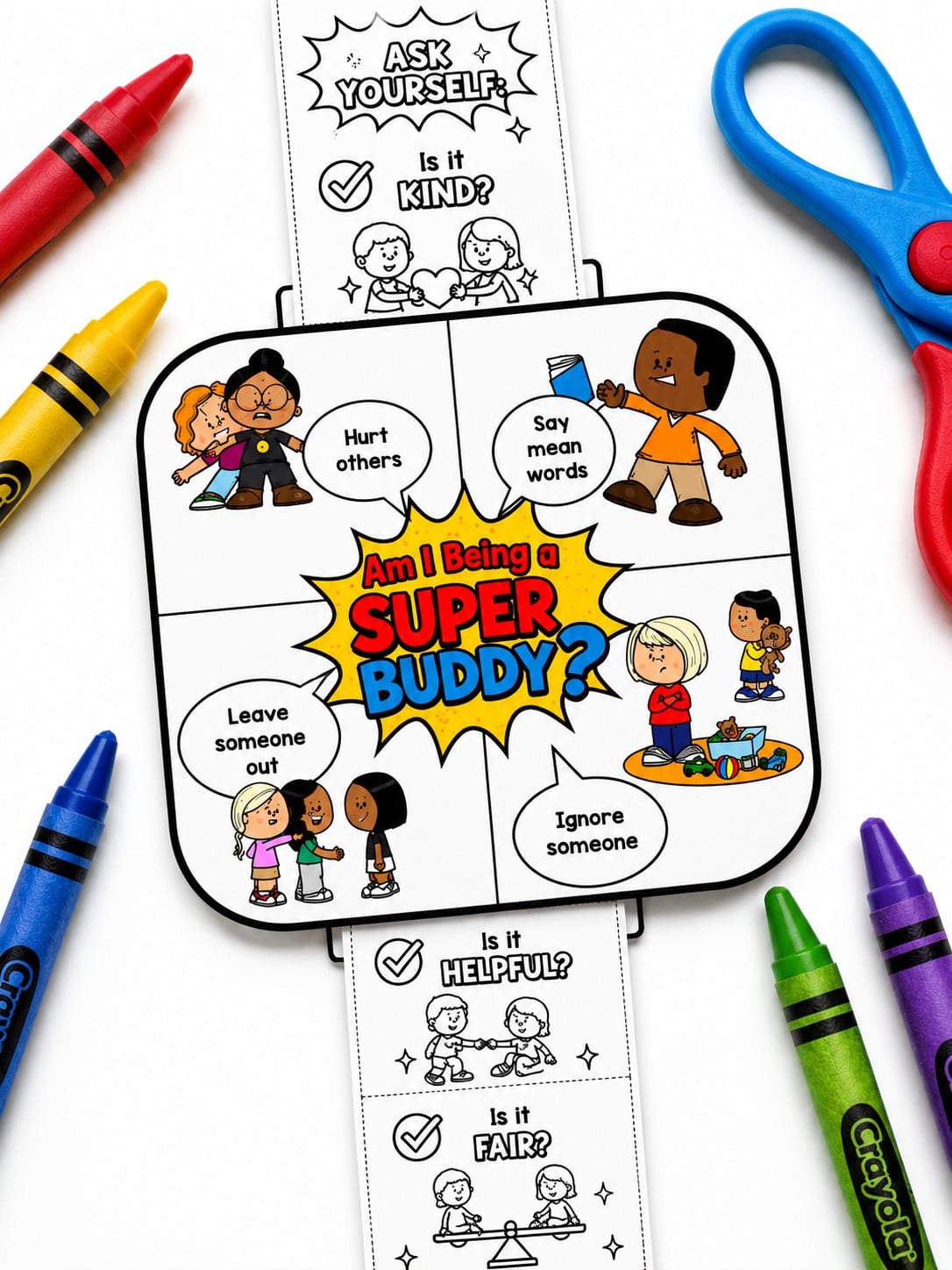
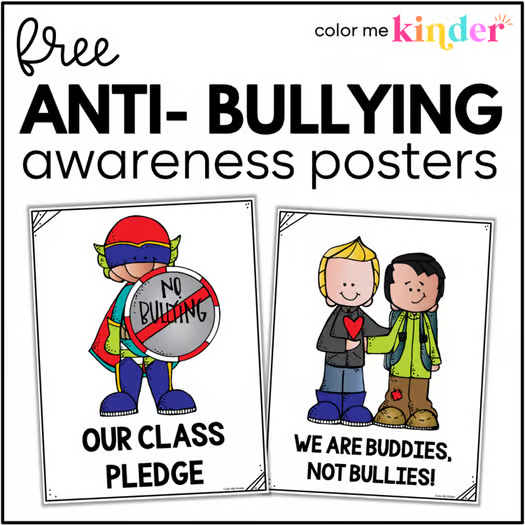
These Be Kind! Speak Up! Anti-Bullying Classroom Posters are perfect for creating quick visual reminders around the classroom. Use them to reinforce kindness, speaking up, and helping students remember that bullying is never okay.
Teaching children to appreciate diversity is an important part of bullying prevention. These respecting differences lesson plans encourage students to celebrate what makes each person unique while building understanding and respect for others. They fit naturally into SEL and anti-bullying units.
#3 Be a Buddy Not a Bully Emergent Reader
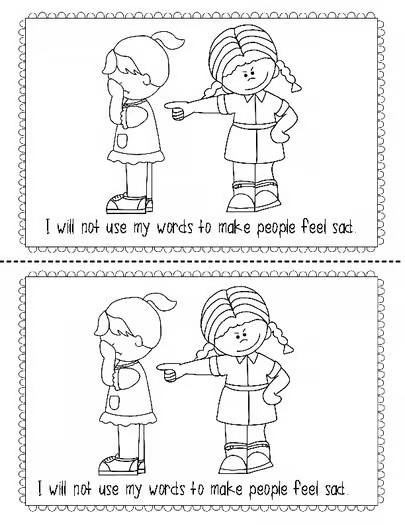
This Be a Buddy Not a Bully Emergent Reader gives younger learners a simple way to understand kindness, friendship, and what it means to be a buddy instead of a bully. It works beautifully for SEL lessons, small groups, and early finishers.
Many bullying situations begin when children struggle with sharing, cooperation, or waiting fairly. These taking turns social skills activities help students practice patience, communication, and positive peer interactions. Building these foundational social skills can help prevent conflicts before they escalate.
#4 Bullying Prevention Month Coloring Pages
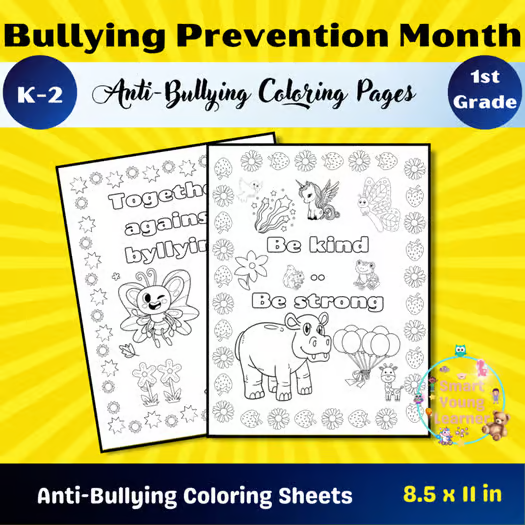
These Bullying Prevention Month Anti-Bullying Coloring Pages are an easy, low-prep way to start conversations about respect and inclusion. Kids can color while discussing what kindness looks like in real classroom situations.
Additional Ways to Teach Kindness and Respect
- Role-playing bullying scenarios
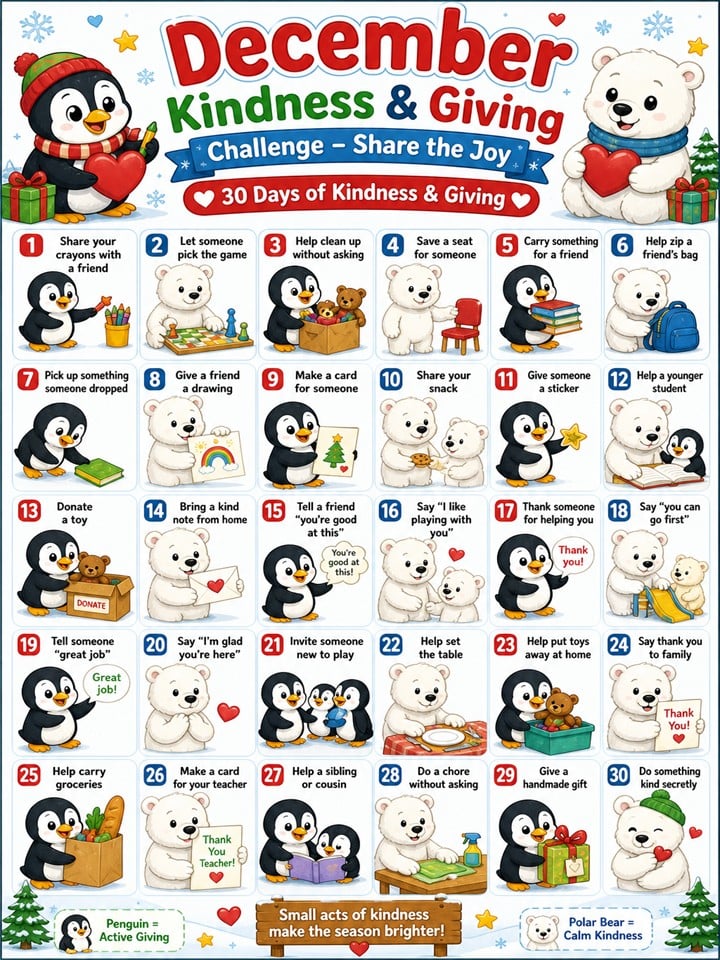
- Kindness challenges
- Friendship circles
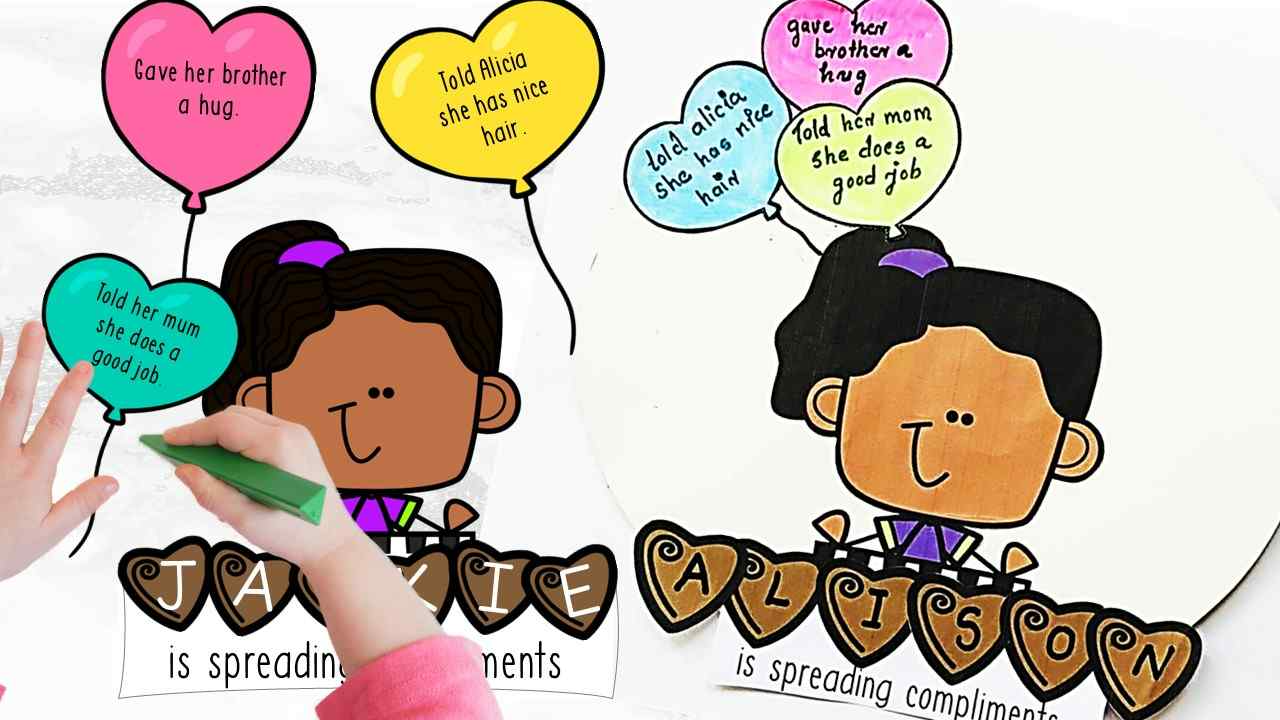
- Classroom compliment walls
- SEL discussions
- Cooperative learning activities
- Anti-bullying read-alouds
Frequently Asked Questions
What age is a bullying social story appropriate for?
Most social stories work well for preschool, kindergarten, elementary students, and children receiving social skills support.
Are social stories effective for autistic students?
Yes. Social stories are commonly used to teach social understanding, expected behaviors, and problem-solving skills.
Can parents use bullying social stories at home?
Absolutely. Parents can read social stories with children and discuss how they would handle similar situations.
Teaching children how to recognize bullying and respond safely is an important part of social-emotional learning. A well-designed bullying social story PDF can provide clear guidance, build empathy, and help children feel more confident when navigating challenging social situations.
Combined with anti-bullying activities, classroom discussions, and kindness-focused lessons, social stories can become a powerful tool for creating a more respectful and supportive environment for all students.