Size of the Problem Activities Kids Actually Get [+ 10 Freebies]
Ever had one of those moments where you dropped your coffee and acted like it was the end of the world? Yep… that’s what we call a small problem with a very big reaction. The “size of the problem” is all about teaching kids (and let’s be real, adults too) how to match their reaction to the actual size of the problem.

It’s a simple concept, but when kids get it, wow — it changes everything. Less meltdowns, more problem-solving, and classrooms (or homes) that run just a little smoother. Let’s dig in.
Sometimes kids struggle when they don’t get what they want, and that can feel like a “big problem” to them. Pairing this lesson with an accepting no social story is a great way to help them practice keeping their reactions calm when the answer isn’t what they hoped for.
Grab the Free Token Board to Pair With This Social Story
If you are using this keeping clothes on social skills story, I highly recommend pairing it with a simple token board. Kids do so much better when there is something visual and concrete they are working toward, especially when we are teaching a new boundary or replacement behavior.
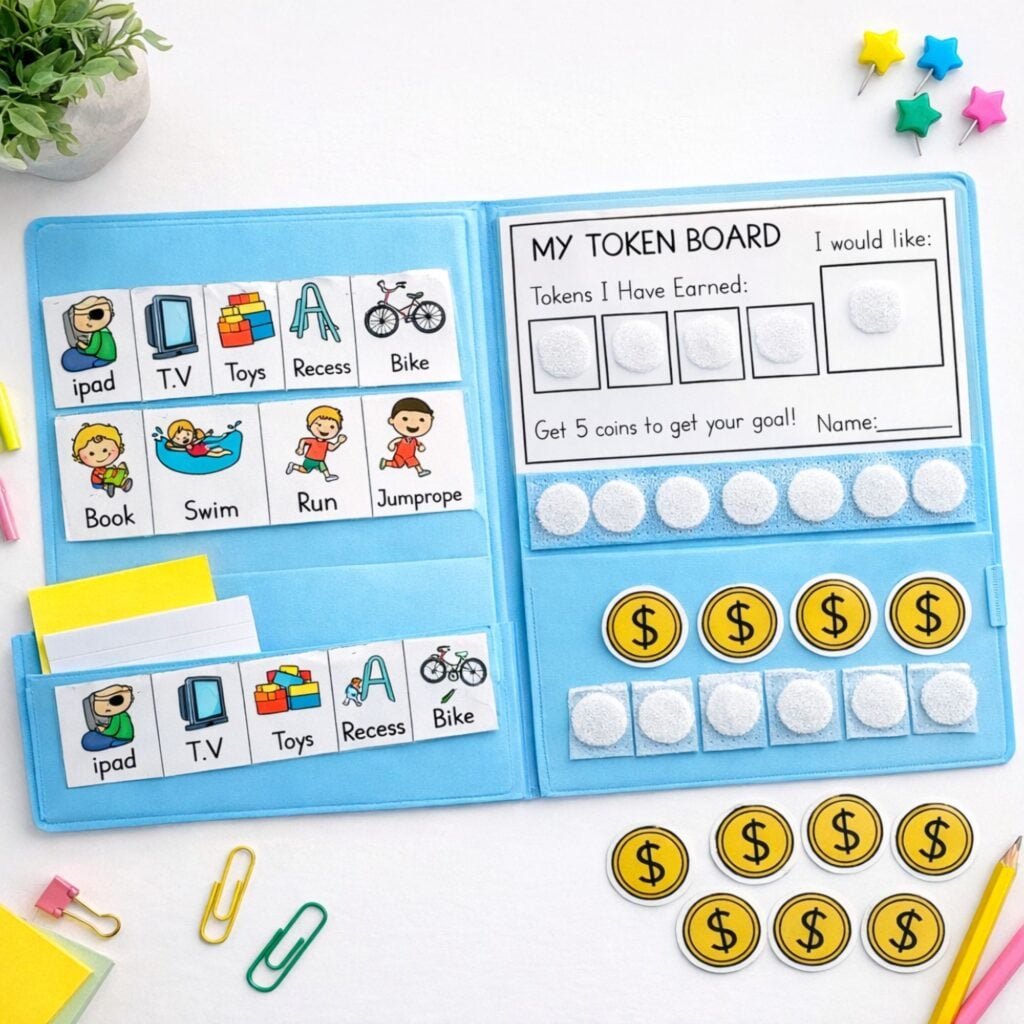
I created a FREE printable token board that you can laminate and use with Velcro coins, real tokens, or even little stars. Your student picks a preferred activity, earns five tokens for demonstrating the expected behavior, and then celebrates reaching their goal in a positive and structured way.
It works beautifully with this story, but honestly, it also works with accepting no, toilet routines, gentle hands, and any other social skill you are teaching. You can grab the free token board below and start using it right away in your classroom or at home.
[Grab the FREE Token Board Here]
Why “Size of the Problem” Matters (and What Other Posts Miss)
I read a bunch of posts on this topic, and here’s the scoop: most explain the idea, but they’re missing the how. They’ll say “teach kids big vs. small problems” — but leave out the visuals, the practice, and the real-life scenarios.

Here’s what I think: kids don’t just get it because we say so. They need examples, hands-on practice, and visuals that stick in their brains. That’s what we’ll cover here (with plenty of freebies and resources along the way).
Quick Summary:
Size of the problem = learning to match your reaction to the actual size of the issue.
Small = solve it yourself. Medium = ask for help. Big = adult emergency.When small frustrations pile up, meltdowns can happen fast. That’s why combining these activities with a frustrated social skills story helps kids see that everyday challenges don’t have to turn into overreactions.
Social Skill Stories (written in language for kids):
Step 1: Explain What It Means
When you first introduce it, keep it simple:
- Small problems – things you can solve on your own (a broken pencil, spilling water).
- Medium problems – things you might need help with (lost homework, arguments with friends).
- Big problems – emergencies (fire, injury, something unsafe).
Pro Tip: Use silly examples to keep kids engaged. “Is running out of Doritos a small problem or a big problem?” (Depends who you ask, right?).
Step 2: Use Visuals & Metaphors
Visuals make all the difference. Think about it — would you rather hear a lecture or see a chart that makes it crystal clear?
- Volcano charts – big problems erupt like volcanoes, small ones are little sparks.
- Cups and balls – a big ball doesn’t fit in a small cup. That’s what an overreaction looks like.
- Posters – hang reminders around the classroom for quick check-ins.
Example: Have kids draw their own “size chart” — one side with small problems, one side with big. It gets funny real quick (“My brother stole my fries” usually makes the cut).

Part of teaching self-regulation is helping kids connect with others. Using an eye contact social story alongside size of the problem posters can reinforce positive social habits in a friendly, approachable way.
Step 3: Practice With Real Scenarios
This is where it sticks. Give kids scenarios and let them decide: small, medium, or big?
- Spilled milk at lunch = small.
- Lost at recess = medium.
- Fire alarm goes off = big.
Pro Tip: Start with funny, low-stakes problems so kids laugh and relax while they learn.
If you love visuals like the posters and worksheets above, you’ll also appreciate editable social story templates. They make it easy to customize scenarios for your own students, whether you’re focusing on big or small problems.
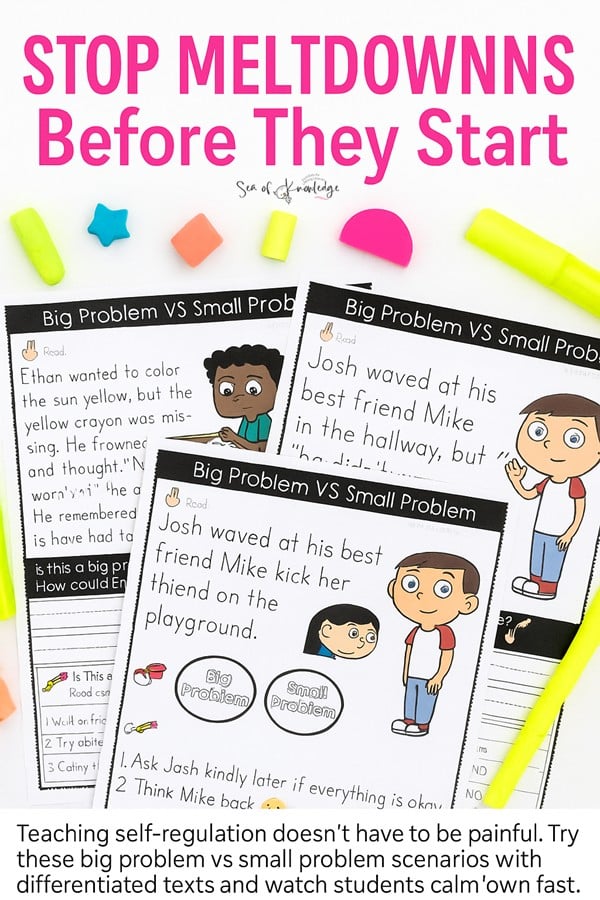
Resource Spotlight: Big Problem vs Small Problem Social Skills Scenarios
This is one of my favorite resources I’ve made: Big Problem vs Small Problem Social Skills Scenarios | Leveled SEL Activities.

Why it works:
- It’s leveled, so you can use it with younger kids or slightly older ones.
- Includes differentiated texts so you’re not stuck trying to explain the same way to every child.
- Scenario cards help kids practice, not just listen.
This one’s perfect for classroom lessons, small groups, or even one-on-one practice.

Worries can often feel bigger than they really are, especially for young learners. Linking the concept with an anxiety social story shows kids how to break down those feelings into smaller, more manageable pieces.
10 Must-Try Size of the Problem Resources
Size of the Problem Posters for Social Skills
One of the easiest ways to reinforce this strategy is by using size of the problem posters around the classroom. These visuals help kids quickly check if their reaction matches the problem size — perfect for SEL bulletin boards or calm-down areas.

Size of the Problem Task Cards (Free!)
If you want a no-prep option, these size of the problem task cards are great for warm-ups, centers, or quick review. Kids sort problems by reaction size, which makes for a fast but powerful SEL activity.
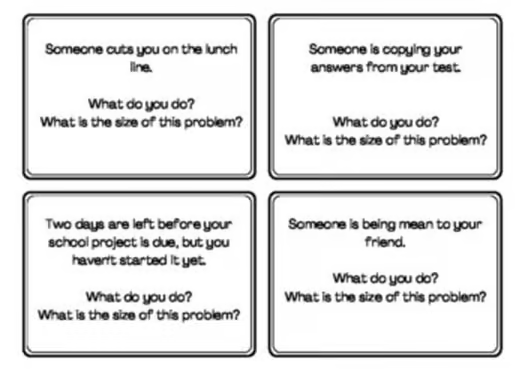
Size of the Problem Visual
Sometimes a simple size of the problem visual is all it takes to remind kids that not every issue needs a big response. It’s a single anchor chart that ties the whole concept together.
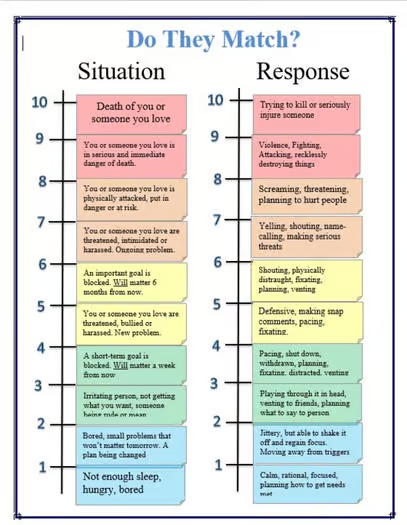
Free Size of the Problem Book
Want something interactive? This free printable storybook introduces the strategy in a kid-friendly way. The size of the problem book is perfect for read-alouds or sending home for extra practice.
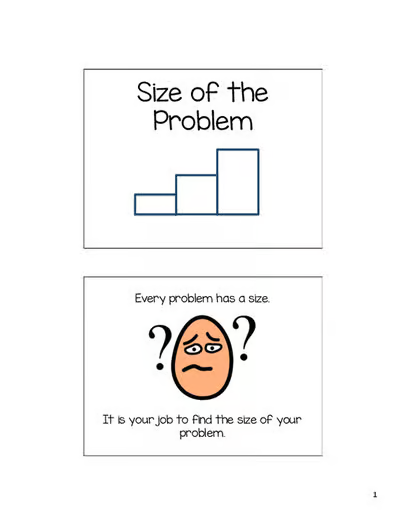
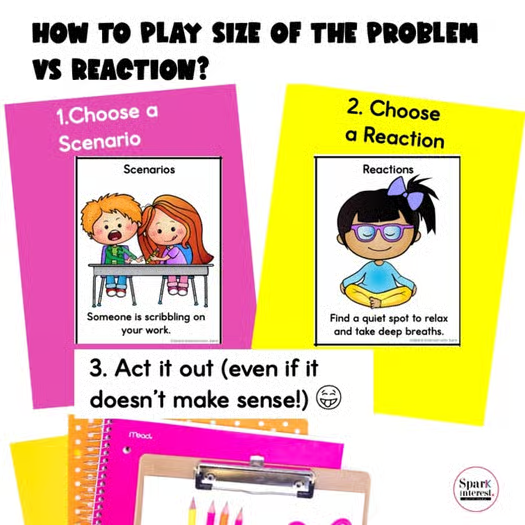
Size of the Problem vs Reaction Game (Freebie)
For kids who learn best through play, this size of the problem vs reaction game is a total win. It’s hands-on, engaging, and sneaks in tons of social skills practice.
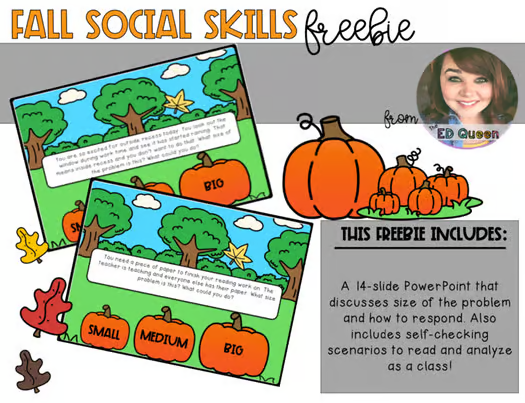
Fall Size of the Problem Social Skills
Seasonal themes keep things fresh, and this fall size of the problem activity uses fun autumn scenarios with self-checking slides to help kids practice.
While you’re here, you might also love:
- Executive function activities for kids (self-regulation ties right in).
- Visual learning tools in SEL (because posters are worth their weight in gold).
- Teaching emotional vocabulary (kids need the words before they can use the strategies).
If there’s one thing to take away, it’s this: not every spilled juice box is a five-alarm fire. Kids can (and should) learn to measure their reactions, and the “size of the problem” strategy makes it doable.
The start of the school year can bring all sorts of “big problems” in little minds. A back to school routine story helps smooth transitions, making it easier for students to manage small hiccups without spiraling.
Mix in posters, books, games, and scenarios, and suddenly you’ve got calmer kids, happier classrooms, and fewer “end of the world” meltdowns.
Social Skill Stories (written in language for kids):
FAQs
1. How do I know if a problem is medium or big?
Medium problems can usually be solved with an adult’s help. Big problems involve emergencies or safety issues (think fire, injury, unsafe situations).
2. Can older kids benefit from “size of the problem” strategies?
Yes! Middle and high schoolers might roll their eyes at posters, but real-life scenarios and group discussions work wonders.
3. How soon after a meltdown should I talk about the size of the problem?
Wait until the child is calm. Then, go back and revisit the situation together. Talking in the middle of a meltdown is like pouring fuel on the fire.