6 Self Regulation Crafts for Kids That Teach Calm, Coping Skills and Emotional Control
Struggling with emotional outbursts, worry, or frustration? This adorable self regulation craft for kids helps children identify feelings, build coping skills, and practice emotional regulation through a fun hands-on SEL activity. Includes editable names, black-and-white templates, and easy classroom displays.
Helping children manage big emotions is an important part of childhood development. Whether a child is feeling frustrated, angry, worried, excited, or overwhelmed, learning healthy ways to respond can make a huge difference at home and in the classroom.
This theme is a perfect addition to camping theme preschool.
That’s where self regulation craft for kids activities can help. Hands-on projects make it easier for children to understand their feelings, practice coping strategies, and build confidence in their ability to handle challenges.
These types of self regulation activities are especially helpful for preschoolers, kindergarten students, elementary-aged children, special education classrooms, counseling groups, and homeschool settings.
If you’re looking for engaging social emotional learning resources, these fun crafts and printables combine creativity with important life skills. Here are some of our favorite SEL activities that help children develop stronger emotional awareness and self-control.
#1 S’More Feelings Craft
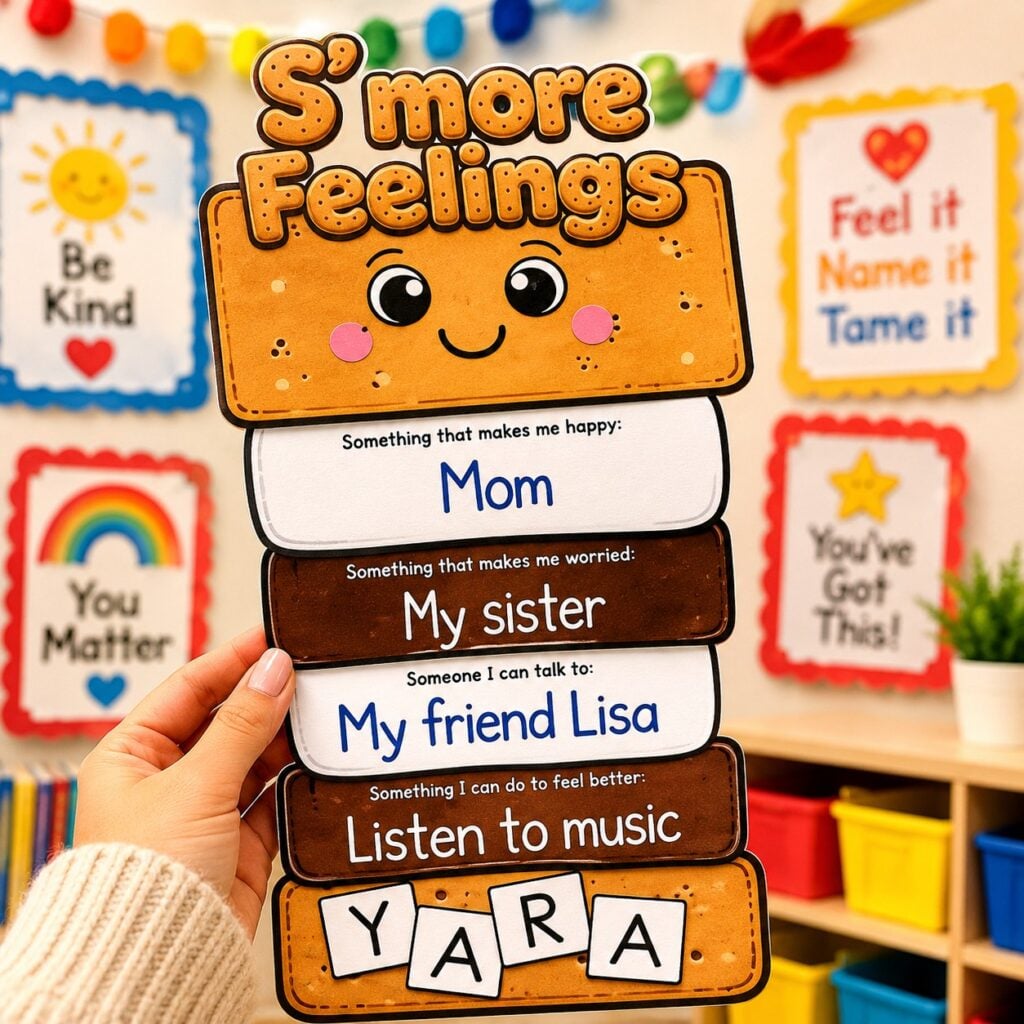
One of the most engaging self regulation crafts for young children is the S’More Feelings Craft. This adorable camping-themed activity gives students a safe and structured way to explore emotions while creating a cute keepsake.
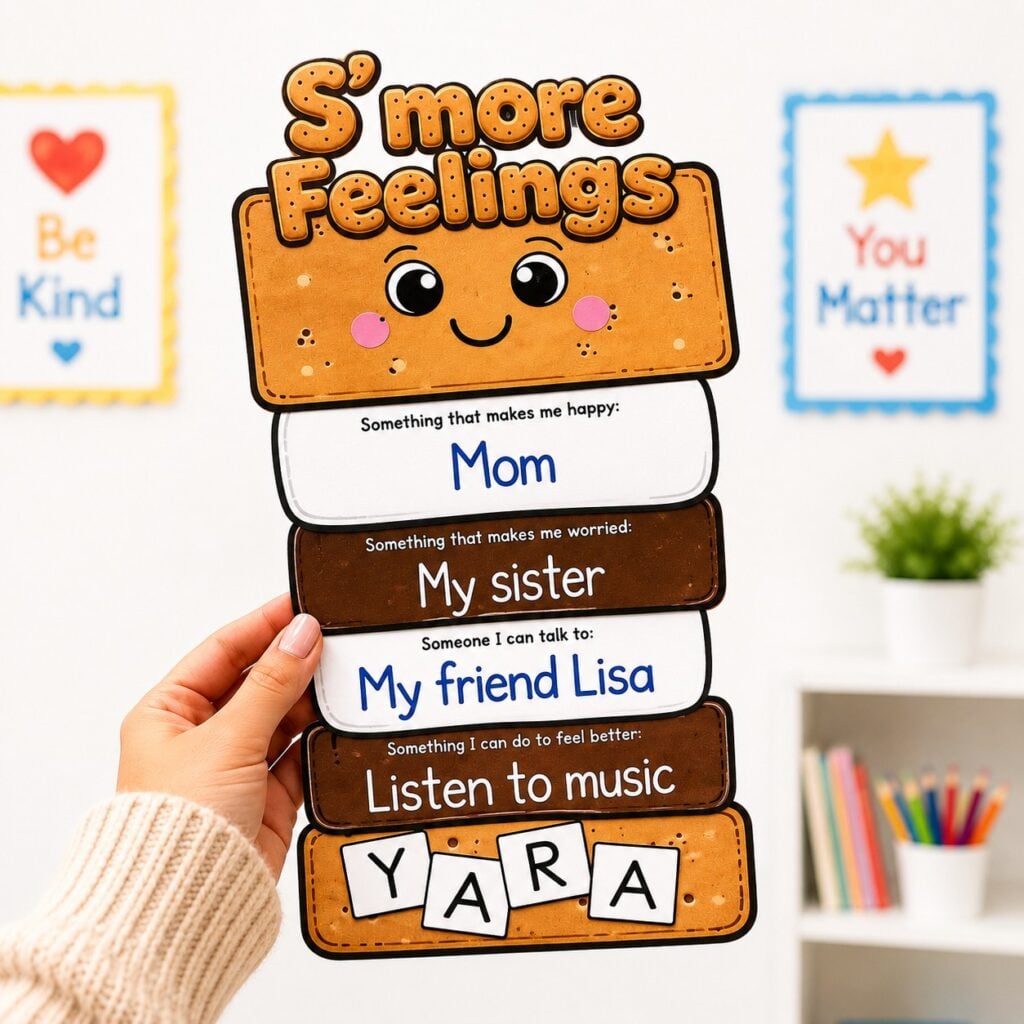
Each marshmallow and chocolate layer encourages children to think about different aspects of their emotional world. They can identify something that makes them happy, something that makes them worried, a trusted person they can talk to, and a coping strategy they can use when they feel upset.
Activities like this support emotional regulation activities, emotional awareness, and emotional development activities because children learn to recognize and name their feelings rather than keeping them bottled up inside. The craft also encourages conversations about support systems and healthy coping tools.
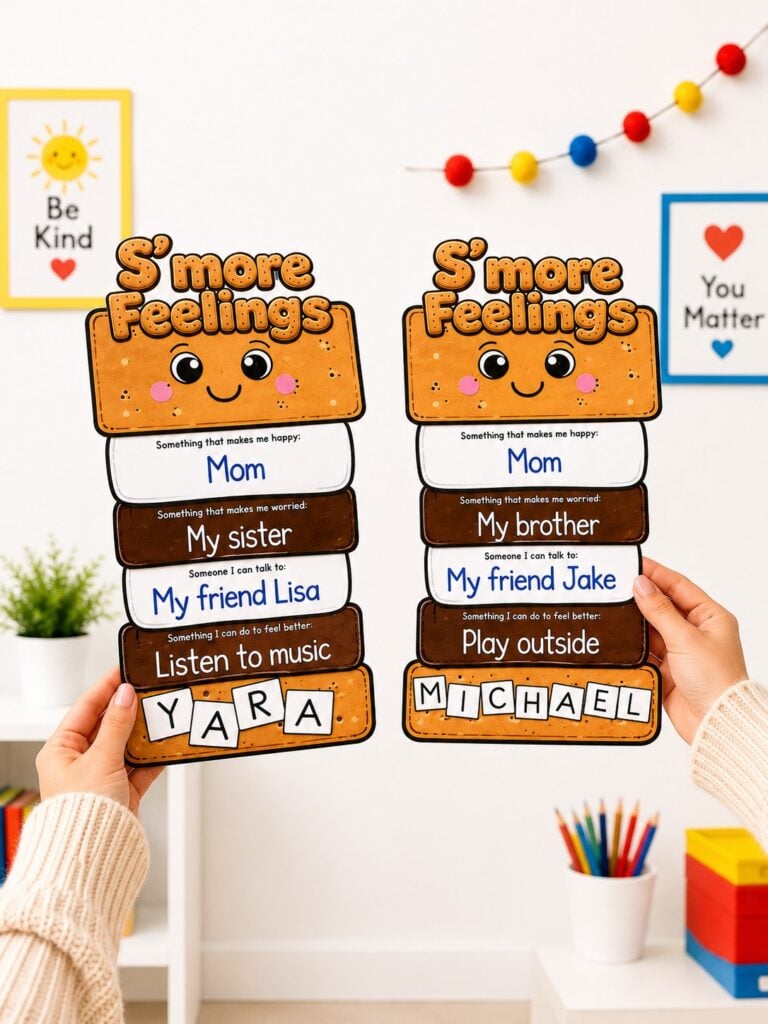
Teachers can use this activity during morning meetings, counseling lessons, friendship units, or as part of larger social skills activities programs. Parents may also find it useful as a family discussion activity.
This type of self regulation for kids activity works particularly well because children often find it easier to discuss feelings through a creative project rather than a direct conversation.
Skills Practiced:
- self regulation skills
- coping skills for kids
- emotional intelligence activities
- feelings activities
- social emotional learning
#2 Anger Volcano Craft
Children often describe anger as feeling like something is building up inside of them. That’s why the volcano metaphor is so powerful.
The free Anger Volcano Worksheet helps children visualize what happens when emotions build up and eventually explode. This engaging activity allows students to identify triggers, warning signs, and healthy ways to calm themselves before reaching their breaking point.
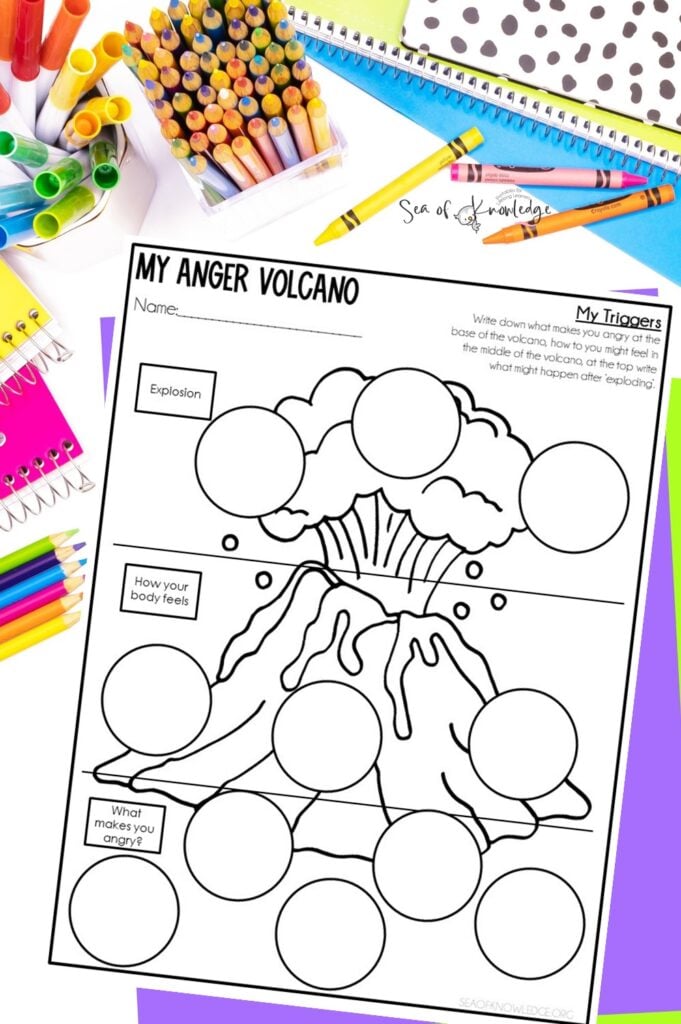
Many children struggle with understanding the connection between their emotions, thoughts, and actions. This craft helps make those connections visible. Students can identify situations that trigger frustration, discuss physical signs of anger, and brainstorm healthy responses.
This is one of our favorite anger management activities because it combines visual learning with reflection. It also works well for counseling groups, social skills lessons, and classroom discussions focused on behavior management strategies.
The volcano theme naturally encourages discussions about calming strategies, emotional triggers, and problem-solving skills.
Skills Practiced:
- anger management worksheets
- emotional regulation skills
- coping skills activities
- counseling activities for kids
- emotions activities
#3 Anger Management Craft
Another excellent resource is this Child Anger Management Craft.
This activity encourages children to explore healthy ways to respond when they feel upset. Instead of reacting impulsively, students learn practical tools for handling strong emotions in a positive way.

Teaching emotional control is a gradual process. Children need repeated opportunities to practice identifying emotions and choosing appropriate responses. This craft provides those opportunities through hands-on learning.
Many teachers use this activity during SEL lessons, behavior intervention groups, and classroom discussions about problem-solving. It also fits naturally into units focused on social emotional learning and emotional awareness.
Because the activity is visual and interactive, it is especially useful for younger learners and students who struggle with expressing feelings verbally.
Skills Practiced:
- anger management activities
- impulse control activities
- emotional regulation activities
- special education activities
- classroom management ideas
#4 Self Regulation Mindful Coloring Pages
Sometimes children simply need a quiet moment to slow down and reset.
These free Self Regulation Mindful Coloring Pages are a simple yet effective tool for promoting calm and focus.
Coloring naturally encourages children to slow their breathing, focus their attention, and become more present in the moment. These benefits make mindful coloring one of the easiest mindfulness activities to incorporate into a busy day.
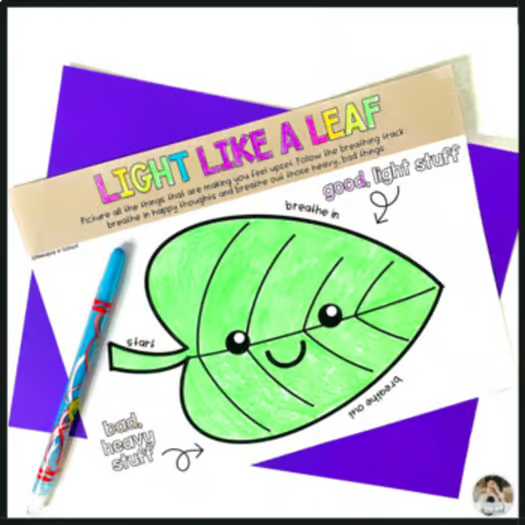
Teachers often place these pages in calm-down corners, morning work bins, counseling centers, or independent work stations. Parents may also use them during quiet time at home.
These pages support mindfulness for kids while helping students build healthy habits for managing stress and frustration.
Skills Practiced:
- mindfulness activities
- calm down activities
- self regulation activities
- feelings worksheets
- emotional development activities
#5 Self Regulation Feelings I-Spy Activities
Kids love I-Spy games, which makes this free Self Regulation Emotions Feelings I-Spy Activity such a valuable teaching tool.
Instead of simply identifying objects, children search for emotional expressions and discuss what they notice. This playful approach helps build emotional vocabulary while strengthening observation skills.
Activities like these are particularly effective because children are learning without realizing they’re participating in a social-emotional lesson.
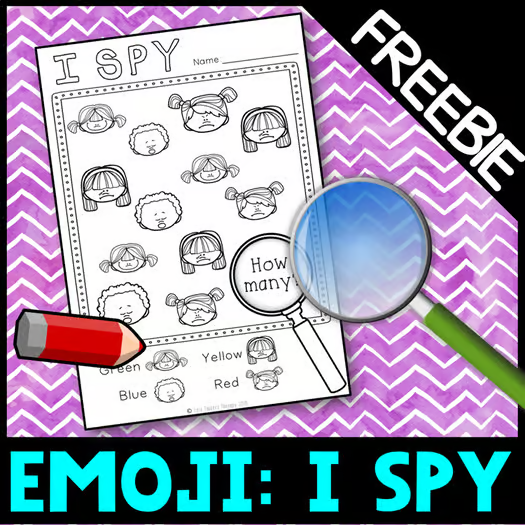
This resource can be used during centers, counseling sessions, speech therapy groups, or independent practice. It also supports students who benefit from visual learning opportunities.
The activity encourages discussions about facial expressions, emotional clues, and feelings recognition.
Skills Practiced:
- feelings activities
- emotional awareness
- social skills activities
- SEL activities
- emotions activities
#6 Self Regulation Break Cards
Movement is often one of the most effective tools for helping children regulate emotions.
These free Self Regulation Break Cards provide children with structured ways to pause, move, and reset when they begin feeling overwhelmed.
Many students need explicit instruction on how to recognize when they need a break. These cards help children learn to monitor their own emotional state and choose an appropriate strategy before frustration escalates.
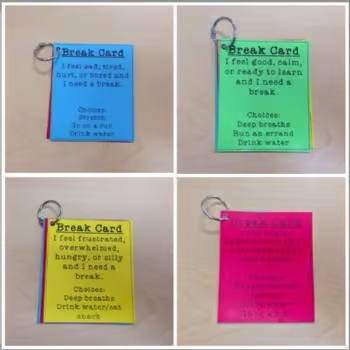
Break cards work wonderfully in classrooms, therapy settings, and homeschool environments. They can also be paired with calm-down corners and sensory spaces.
They’re especially helpful for students working on zones of regulation activities and developing independence with emotional management.
Skills Practiced:
- brain breaks for kids
- self regulation skills
- coping skills for kids
- calming strategies
- behavior management strategies
#7 My Mouth Is a Volcano Activity
Many children struggle with interrupting, blurting out answers, or speaking before thinking. That’s where the free My Mouth Is a Volcano Printable Worksheet can help.
Inspired by the popular classroom concept, this activity teaches children how to pause before speaking and practice self-control during conversations.
Students learn that thoughts don’t need to “erupt” immediately. Instead, they can wait their turn, listen actively, and participate respectfully.
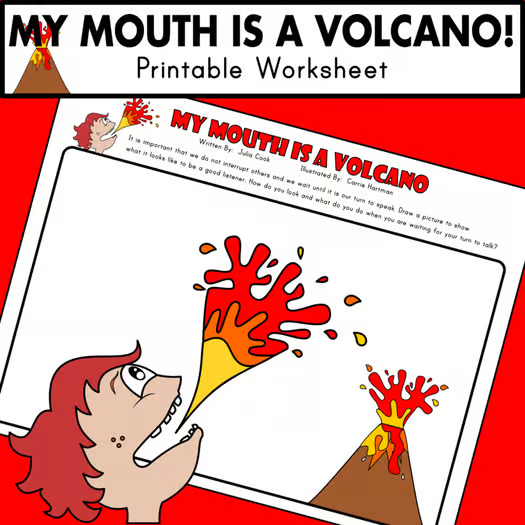
This resource is particularly useful for building communication skills, classroom behavior, and emotional regulation. It also supports children who are developing stronger impulse control activities and conversational skills.
Teachers frequently use this activity alongside friendship lessons, classroom expectations, and social skills groups.
Skills Practiced:
- impulse control activities
- social skills activities
- self regulation for kids
- emotional intelligence activities
- classroom management ideas
Helping children learn emotional control doesn’t have to feel overwhelming. By combining hands-on crafts, visual supports, movement activities, and discussion opportunities, children can gradually build the confidence and skills they need to manage big feelings successfully.
Whether you start with the S’More Feelings Craft, the Anger Volcano, mindful coloring pages, or break cards, each of these resources provides meaningful opportunities to strengthen self regulation skills, improve emotional regulation skills, and support healthy emotional growth.
The best part? These activities make learning about emotions fun, engaging, and memorable for children.