
5 Best Math Activity for Preschool Bunny Link Chain Cards
Are you looking for a fun and engaging way to introduce math to your preschooler? These hands-on Math Activity for Preschool activities are perfect for little learners. Look no further!
They are a fantastic way to make learning math enjoyable and interactive for young children. Today, we’ll explore the world of hands-on math activities, specifically tailored for preschoolers.
If you’re looking for more hands-on ideas, this guide to pattern activities for preschoolers shares simple, engaging ways to help young learners recognize and build patterns using play-based math activities.

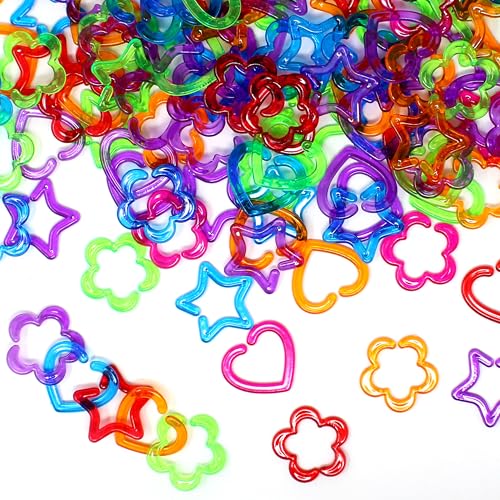
- ⭕Educational Playtime: Boost your child’s cognitive development with activities…
- ⏺️Enhance Motor Skills: Improve fine motor skills and hand-eye coordination as…
- 🌸Creative Play: Encourage creativity by allowing kids to design their own…

- Package: Includes approx 1000 pcs plastic hooks, mix of 6 colors, each size 35mmx15mm…
- Plastic hooks chain links will connect your kids to a variety of early math skills,…
- With no sharp edges and harmless plastic material, the chain links are safe for…
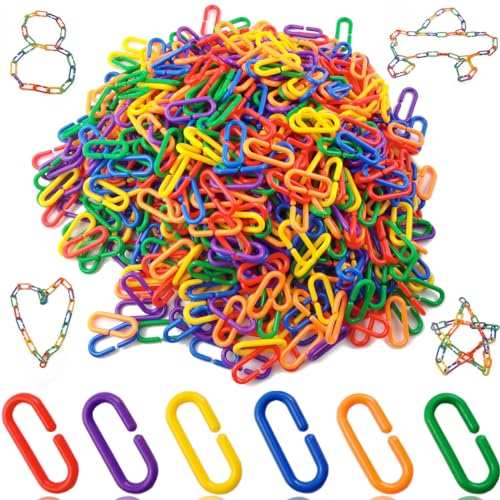
- Package include: 620PCS random color Plastic C-Clips Hooks Chain Links.
- Material: made of high quality durable plastic, safe and 100% non-toxic.
- Size: 1.49″x0.62″, Thickness: approx 0.15″.

- Durable: The colorful links are made of high-quality durable plastic that is…
- Fun & Exciting Pet Toys Birds and other energetic pets such as mice and sugar gliders…
- Multi-purpose: These plastic clip hooks can be used for small pet cage climbing,…
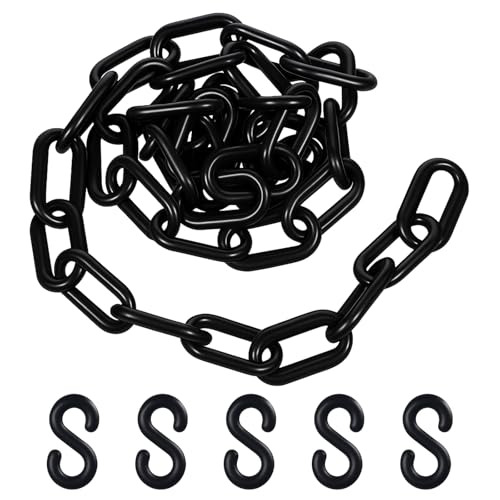
- 【Durable Material】Crafted from high-quality ABS plastic, these chain links and…
- 【Versatile Application】Ideal for crowd control, barriers, and decoration, these…
- 【Easy Installation】The plastic chains and S-hooks are designed for quick…
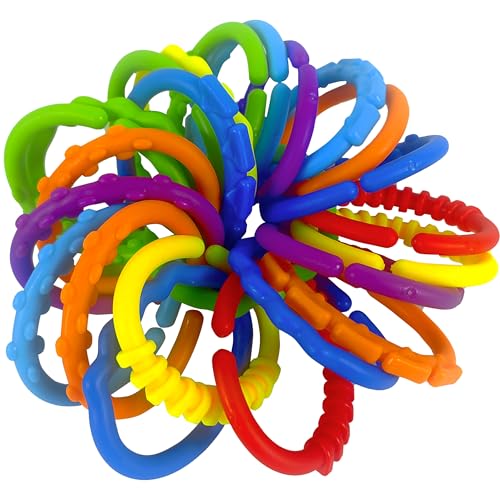
- Versatile Stroller Toys : 24 pcs flexible and bendable plastic rings, designed to…
- Multi Bright Colors : Multiple colors teething ring to stimulate baby’s sense of…
- Bbay Essenticals Must Have: Baby chain specifically designed for small hands to…
What are hands-on counting activities?
Hands-on activities involve using physical objects or materials to teach a concept. Instead of relying solely on worksheets or textbooks, children get to engage with the subject matter in a tangible way.

This approach encourages active participation, sparks curiosity they’re fun! Manipulating, and makes learning more memorable.
Why do kids love hands-on math activities?
Kids naturally gravitate towards hands-on experiences because objects, moving things around, and seeing results firsthand captivate their attention and keep them engaged.
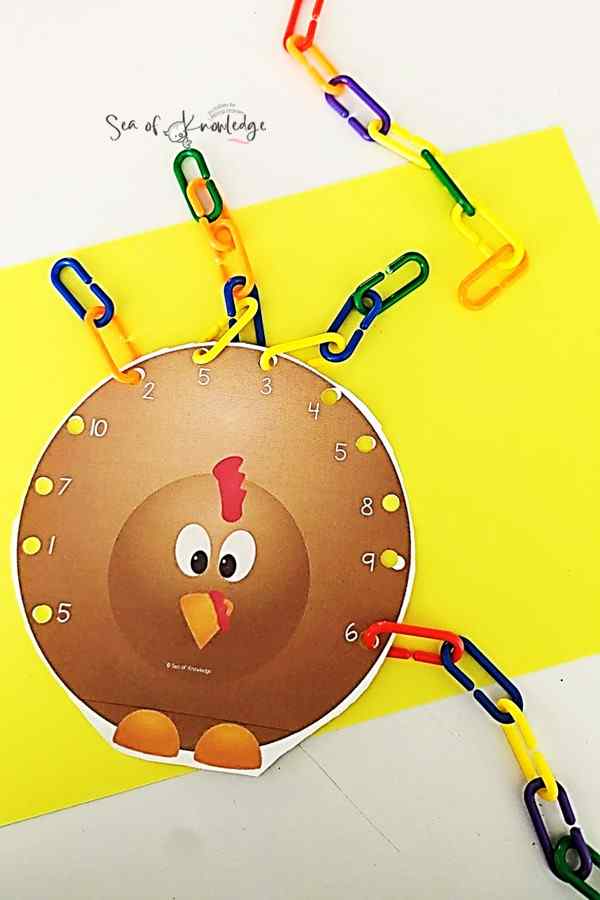
By incorporating play into learning, children develop a deeper understanding of mathematical concepts while enjoying themselves.
Early math activities for young children can include:
1. Counting games using everyday objects like toys or snacks.
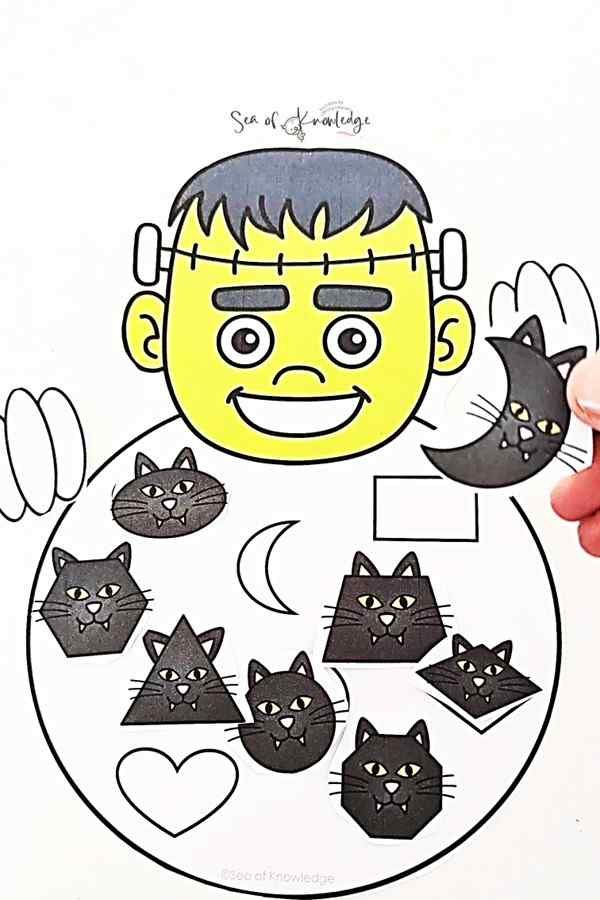
2. Sorting and classifying items based on different attributes such as color, size, or shape.
3. Matching activities to pair objects that are alike.
4. Patterning exercises using objects in a sequence.
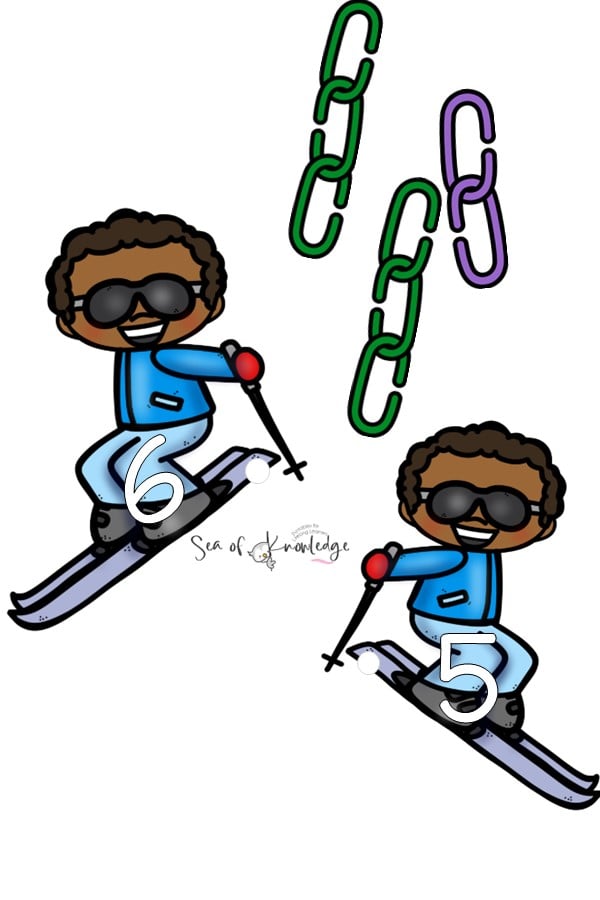
5. Shape recognition games to identify and name different shapes.
6. Simple addition and subtraction practice with visual aids like counters or fingers.
7. Measurement activities involving comparing lengths, weights, or volumes.
8. Spatial awareness activities such as building with blocks or puzzles.
9. Time-telling games to introduce concepts of hours and minutes.
10. Problem-solving tasks that encourage critical thinking and logical reasoning.
These activities help build a strong foundation in math and promote early numeracy skills in young children.
What is an example of a pre math skill?
An example of a pre-math skill is recognizing and understanding patterns. Children develop pattern recognition skills before they start formal math education.
This skill involves identifying and predicting sequences of shapes, colors, or objects that repeat in a specific order.
For example, recognizing a pattern of red-blue-red-blue in a sequence of blocks or identifying a pattern of circles-triangles-circles-triangles in a series of shapes.
Understanding patterns lays the groundwork for more complex mathematical concepts like algebra and problem-solving. By engaging in activities that involve patterns, children can enhance their cognitive abilities and prepare for future math learning.
Open ended math activities for preschoolers
Open-ended math activities for preschoolers are great for fostering creativity, critical thinking, and problem-solving skills. Here are some examples:
1. Building with blocks: Encourage children to create their own structures using blocks of different shapes and sizes. This activity helps develop spatial awareness and basic geometry concepts.

2. Sorting and classifying objects: Provide a variety of objects and ask children to sort them based on different attributes like color, size, or shape. This activity enhances classification skills and lays the foundation for understanding patterns and relationships.
3. Counting collections: Give children a collection of objects like buttons, toys, or beads and ask them to count and group them in different ways. This activity helps reinforce counting skills and introduces basic math concepts like addition and subtraction.
4. Shape scavenger hunt: Go on a shape hunt around the house or outdoors and ask children to find and identify different shapes in their environment. This activity helps develop shape recognition skills and improves observational abilities.
5. Measurement exploration: Provide children with measuring tools like rulers, measuring tapes, or cups and encourage them to explore and compare lengths, heights, weights, or volumes of objects. This hands-on activity introduces basic measurement concepts and promotes critical thinking.
6. Pattern creation: Ask children to create their own patterns using objects like colored blocks, beads, or stickers. Encourage them to come up with different pattern sequences and explain their patterns to others. This activity enhances pattern recognition skills and boosts creativity.
By engaging in open-ended math activities, preschoolers can develop a deeper understanding of mathematical concepts in a fun and interactive way.
How to teach kids math in preschool
Teaching math to preschoolers requires creativity and patience.
Start by introducing basic concepts like numbers, shapes, and patterns through interactive games and activities.
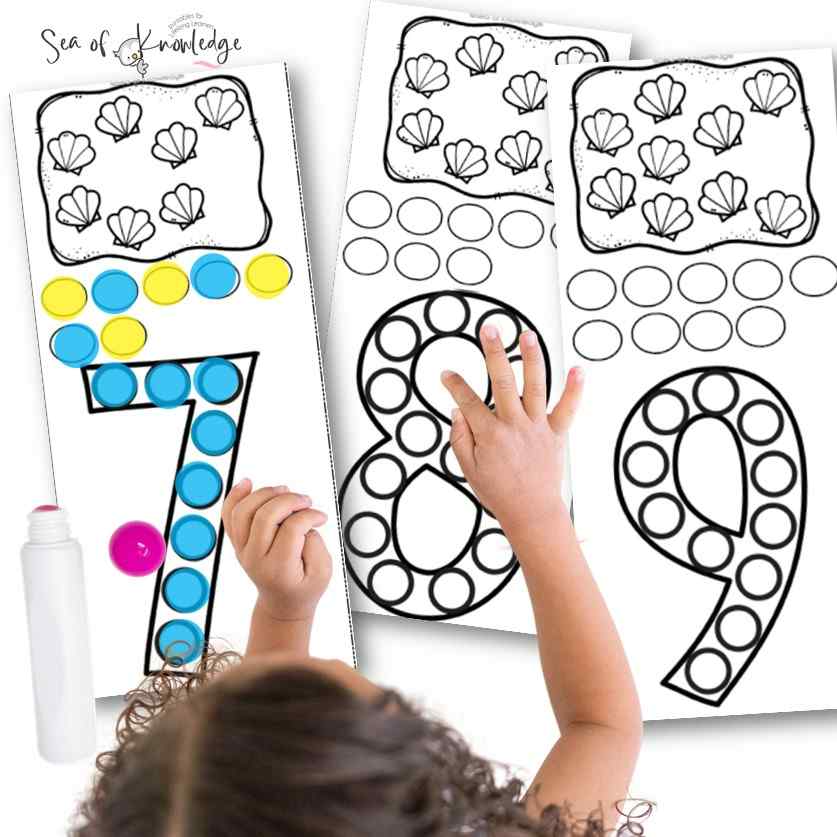
Encourage exploration and experimentation as children learn through trial and error.
Linking chains pattern cards free caterpillar theme
Looking for a hands-on way to teach patterns in preschool and kindergarten? These Link Chain Pattern Cards (featuring adorable caterpillars) make learning fun and interactive!

This free printable includes pattern cards for AB, AAB, ABB, ABC, and AABB patterns, helping kids develop early math skills in an engaging way.
How to Play:
- Print & Cut – Print the pattern cards and cut them apart. Laminate for durability.
- Gather Link Chains – Use plastic linking chains or snap cubes in different colors.
- Match the Pattern – Kids follow the caterpillar’s pattern by linking chains in the correct order.
- Extend the Pattern – Once the given pattern is completed, encourage kids to predict and continue it.
- Create New Patterns – Challenge kids to build their own patterns using the links!
>>>You can grab this super fun activity in the spring surprise freebie folder right here.
This activity builds fine motor skills, critical thinking, and early math fluency while keeping little learners engaged. Download your free Link Chain Pattern Cards and make pattern practice fun!

>>>Don’t forget to grab these caterpillar pattern cards free here.
How to use the bunny counting plastic links activity
The bunny counting plastic links activity is an excellent hands-on math exercise for preschoolers. In this activity, kids will match plastic chain links with numbers displayed on adorable bunnies’ tails.

This not only helps them practice counting but also enhances their one-to-one correspondence skills – crucial foundations for future mathematical success.

To use this printable:1. Download the free printable bunny counting cards here.

2. Provide your child with plastic chain links.
3. Have them count each bunny’s tail number.
4. Match the correct number of chain links to each bunny.
5. Watch as your child’s fine motor skills improve while having fun with numbers!
Why is it good to teach kids math using manipulative
Engaging kids with hands-on math manipulatives is beneficial because it helps make abstract math concepts more concrete and easier to understand.
By using physical objects to represent mathematical ideas, children can visualize and interact with the concepts, leading to better comprehension and retention.
Manipulatives also make learning math more engaging and fun, fostering a positive attitude towards the subject and promoting active learning.
Tracing Numbers Activities
Whether you’re looking for easy tracing numbers sheets or activities where kids are shown the numeral and how it is formed, there are printables, worksheets and games below to suit any need and child’s learning style. Check out tracing numbers pdf downloads and more.
- Rainbow Tracing Numbers PDF task cards
- Line Tracing Worksheets including easy tracing numbers for kids
- Free Tracing Numbers Fall Themed Task Cards
- Kindergarten Readiness Tracing Numbers Printable
- Christmas Busy Book Pages Number Tracing
- Zoo Craft Preschool Tracing Numbers 1 10 Worksheets
- Free Easter Basket 1 to 10 in Words Craft
5 More Free Hands-on Math Activities
1) Shape Sorting: Use different colored shapes (circles, squares, triangles) cut from construction paper or foam sheets for sorting exercises.

2) Counting Beads: String colorful beads onto pipe cleaners while practicing counting skills at the same time.

3) Number Hunt: Hide numbered cards around the room or outdoor space for an exciting scavenger hunt that reinforces numeral recognition.

4) Pattern Play: Create simple patterns using colored blocks or stickers on paper; ask your child to continue each sequence.

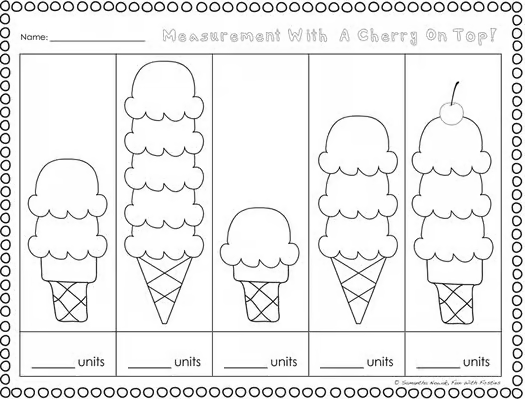
5) Measurement: Measurement is a fun unit because it can easily be so hands on and interactive, and these activities definitely encourage that!
Overall, hands-on math manipulatives enhance the learning experience and support children in developing strong math skills.
Get ready for some hopping good times while mastering early numeracy skills.



Thank you!!