10+ Ideas and How I Use ESL Pronunciation Games to Teach Tricky Sounds
Helping ESL learners in pronunciation and hearing “three” like “tree”? These hilarious ESL pronunciation games actually work—and I’ll show you how I use games to reinforce tricky sounds like /th/ and /r/ without turning into an actress in the middle of class #IYKYK.
Let me tell you something. I love teaching ESL kids. They’re hilarious, sweet, and say things like “banana” with 17 syllables and a level of commitment that deserves a standing ovation. But when it comes to teaching pronunciation to ESL students, especially phonics sounds that don’t even exist in their native language? That’s when I start questioning every career choice I’ve ever made.
If you’ve ever tried to teach the difference between /th/ and /s/ without sounding like a snake with a lisp, you know what I mean.
If you’re curious about the difference between traditional methods and natural communication-based learning, check out my post on language learning versus language acquisition. It’s all about why I finally ditched flashcards in favor of online gamified learning.

This post contains affiliate links*
Why Pronunciation Is So Tricky for ESL Students
For many English language learners, especially younger kids, English pronunciation is like a mystery wrapped in a riddle wrapped in a mouthful of marshmallows. They may be able to decode words (thanks, phonics!), but actually saying those words correctly? That’s a whole other challenge.
The issue is that our ESL kiddos are often learning new sounds, new mouth movements, and even new rhythms of speech—all at once. That’s why I started weaving in ESL pronunciation games into my daily routine (and occasionally bribing myself with chocolate).
If you’re looking for more structured openers to settle your class, I love using ESL bell ringers to kick off our sessions with purpose.
My Favorite (and Slightly Ridiculous) ESL Pronunciation Games
1. Mirror Mirror on the Wall
We practice tricky sounds while facing small mirrors. The kids giggle, I pretend I’m not getting a double chin, and we all learn where our tongues are supposed to go. It’s silly but effective for sounds like /l/, /r/, and /th/.
2. Mystery Word Pass
I whisper a word to one student, they pass it along in a whisper down the line, and we all laugh hysterically when “ship” becomes “chip” or “cheap” becomes… well, something I can’t type here.
3. Phonics Basketball
I tape phonics sounds or tricky pronunciation patterns to the wall. Kids throw a soft ball and have to say a word with the sound they hit. Bonus points if they act it out. You haven’t lived until you see a 6-year-old mime “shark.”

Rosetta Stone for Reinforcement
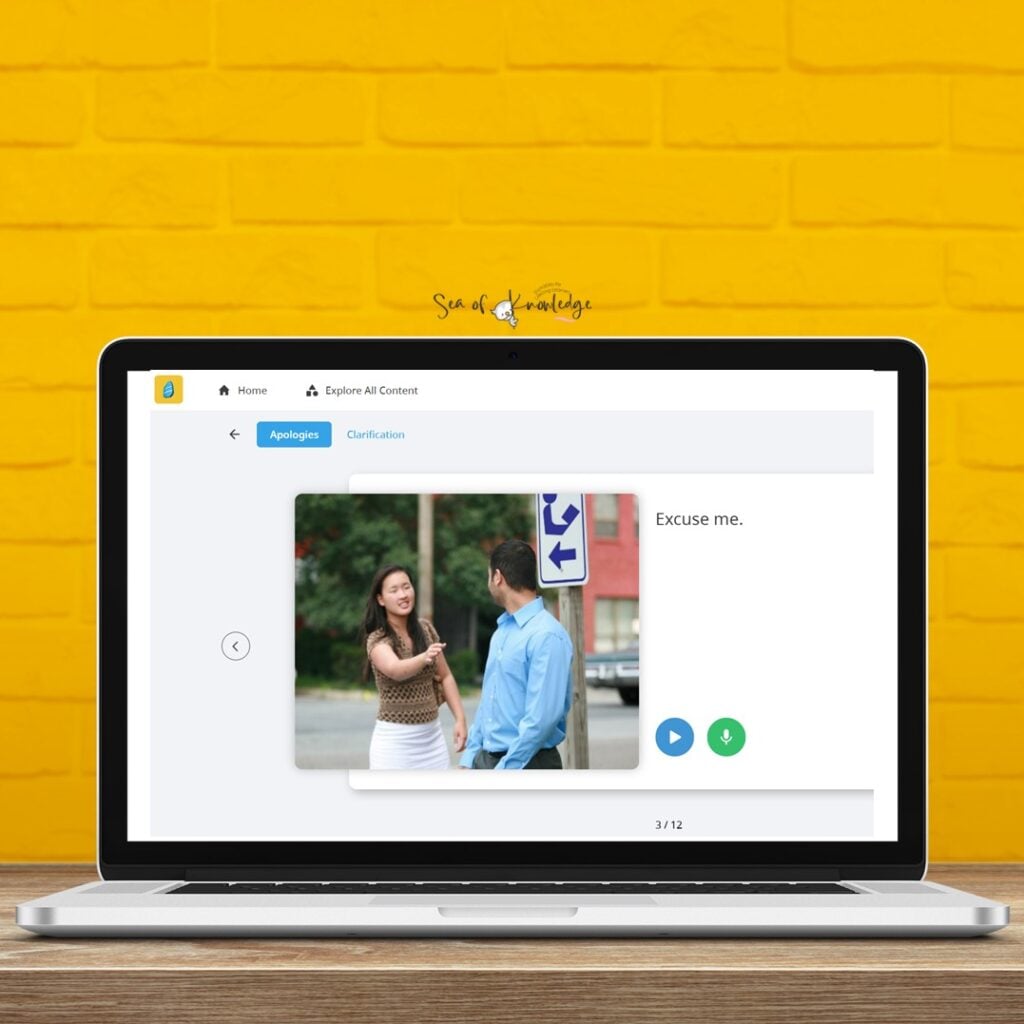
Here’s the thing. I can only do so much with my class time. After doing 40 minutes of phonics games and trying to wrangle six-year-olds high on snack time, I need backup. Enter: Rosetta Stone for English learners.
Now, full disclosure: I never thought I’d use it with kids. I used to think Rosetta Stone was just for adults trying to learn French before a vacation to Paris. But honestly? It’s become one of my favorite technology tools for ESL classrooms.
How I Use It:
- Listening and Speaking Practice: The speech recognition gives immediate feedback, which helps reinforce correct pronunciation. It’s like having a super patient co-teacher who never gets tired.
- Center Time: I set up the app on iPads or computers during literacy rotations. It’s perfect for early finishers.
- Home Practice: Parents love that it feels like a game. And I love that it isn’t another worksheet.
Need even more ideas? Try these engaging ESL listening activities to supplement your oral language practice, or get your students warmed up with these fun ESL warm-up activities.
Is it a game in the traditional sense? Maybe not. But to my students, it’s a game-like experience with instant rewards and engaging visuals—and that’s what counts.
3 ESL Pronunciation Games with Rosetta Stone’s Audio Recognition Tool
Want to take your tech integration up a notch? Rosetta Stone’s audio recognition tool isn’t just helpful—it’s game-worthy. Here are three fun ways I turn Rosetta Stone sessions into ESL pronunciation games that keep my students engaged:
1. Pronunciation Challenge Cards
Before kids start Rosetta, I hand them a mini “challenge card” with a specific sound (like /th/ or /sh/) and 2–3 target words. Their mission? Nail those words during their session. If the app gives them full points, they earn a sticker or a silly dance from me. (The dance is optional. The kids never let it be.)
2. Accuracy Bingo
Each square on their Bingo board has a common ESL sound or tricky word (like “three,” “rabbit,” or “zebra”). As Rosetta prompts them to speak, they cover the word if the app gives them full marks. First one to get 4 in a row wins!
3. Echo It Game
After using Rosetta’s speech recognition, students pair up and become “echoes.” One says the word from their session, and the other must copy it exactly—same tone, pitch, everything. We vote on the best echo duo and give them “Parrot Champion” titles.

And if you’re on the hunt for more free ESL pronunciation games, here are three of my favorite go-tos on TPT:
- Kahoot Past Tense -ED Pronunciation Quiz | ESL Phonics Game
- Phonics and Pronunciation Game for ESL | Minimal Pairs (Editable/Digital)
- FREE Tongue Twisters | ESL English Vocabulary Pronunciation Posters
These app-based pronunciation games for ESL students combine tech and speaking in a way that feels like play but works like targeted practice.
These pronunciation games for ESL classroom settings are fun, yes, but they also build confidence and muscle memory.
Looking for more ways to reinforce language skills? Check out these ESL workbooks for print-and-go support, or try sight word sentences worksheets for fluency and word recognition.
Why Pronunciation Games (and Rosetta Stone) Are a Match Made in ESL Heaven
Let’s face it: helping ESL students with pronunciation isn’t a one-and-done deal. It takes exposure, repetition, and a whole lot of patience. That’s why mixing in phonics games for English language learners and tech like Rosetta Stone gives me the best of both worlds.
My kids get:
- Fun, active speaking practice in class
- Reinforcement and repetition through technology
- A break from my terrible attempts at drawing sound-symbol maps on the whiteboard
And I get:
- More confident speakers
- Less burnout
- Occasional unsolicited hugs (the best part, honestly)
Want to make your classroom even more interactive? Try setting up themed ESL bulletin board ideas or exploring these online games for ESL to reinforce learning through play.
Final Thoughts
If you’re in the trenches trying to teach English pronunciation to ESL kids or even mature age students and adults, know this: you are not alone. You’re doing great. And also, maybe give Rosetta Stone for ESL students a try if you haven’t already.
It won’t replace your phonics instruction, but it can absolutely amplify it. Pair it with your favorite ESL pronunciation games, and you’ll have a classroom full of kids who can say “three” without being prompted.
And really, isn’t that what we all want?
P.S. Got a favorite pronunciation game? Or a kid who once said “focus” a little too enthusiastically? Drop it in the comments – I love a good classroom story.
Oh, and if you’re working on decoding and fluency, don’t miss these sight words for ESL students—they’re a game-changer for early readers!