Bus Etiquette for Students: Teaching Kids to Ride the Bus Like Pros!
Teach kids essential bus etiquette with fun scenarios, simple rules, and helpful sensory tools! Grab a free visual poster to make bus rides smoother for everyone
Riding the bus is a big deal for little kids. It’s basically their first experience in a moving classroom—except there’s no teacher, just a very patient driver and a whole lot of potential chaos. So, how do we teach kids to follow bus etiquette and how to ride the bus without turning it into a never-ending lecture? Scenarios, simple rules, and a little bit of fun!
I love to use social skill stories with kids to help explain more difficult topics.
Plus, I’ve got a free poster to help kids visualize these expectations.

Pick up your free PDF poster at the end of this post!
Disclosure: This post may contain affiliate links. As an Amazon Associate, I earn from qualifying purchases at no extra cost to you. I only recommend products I truly love and believe will benefit my readers.
Social emotional learning activities are so important for kids.
For many kids, riding the bus can feel overwhelming—there’s noise, movement, and lots of new faces. If your child struggles with bus anxiety, having a calming tool on hand can make all the difference. Kinetic Sand (fav non-toxic brand too) is a fantastic sensory tool that helps kids regulate their emotions.

After a stressful bus ride, letting them squeeze, mold, and run their fingers through the sand can be a simple way to calm down.
Social Skill Stories (written in language for kids):
Grab the Free Token Board to Pair With This Social Story
If you are using this keeping clothes on social skills story, I highly recommend pairing it with a simple token board. Kids do so much better when there is something visual and concrete they are working toward, especially when we are teaching a new boundary or replacement behavior.
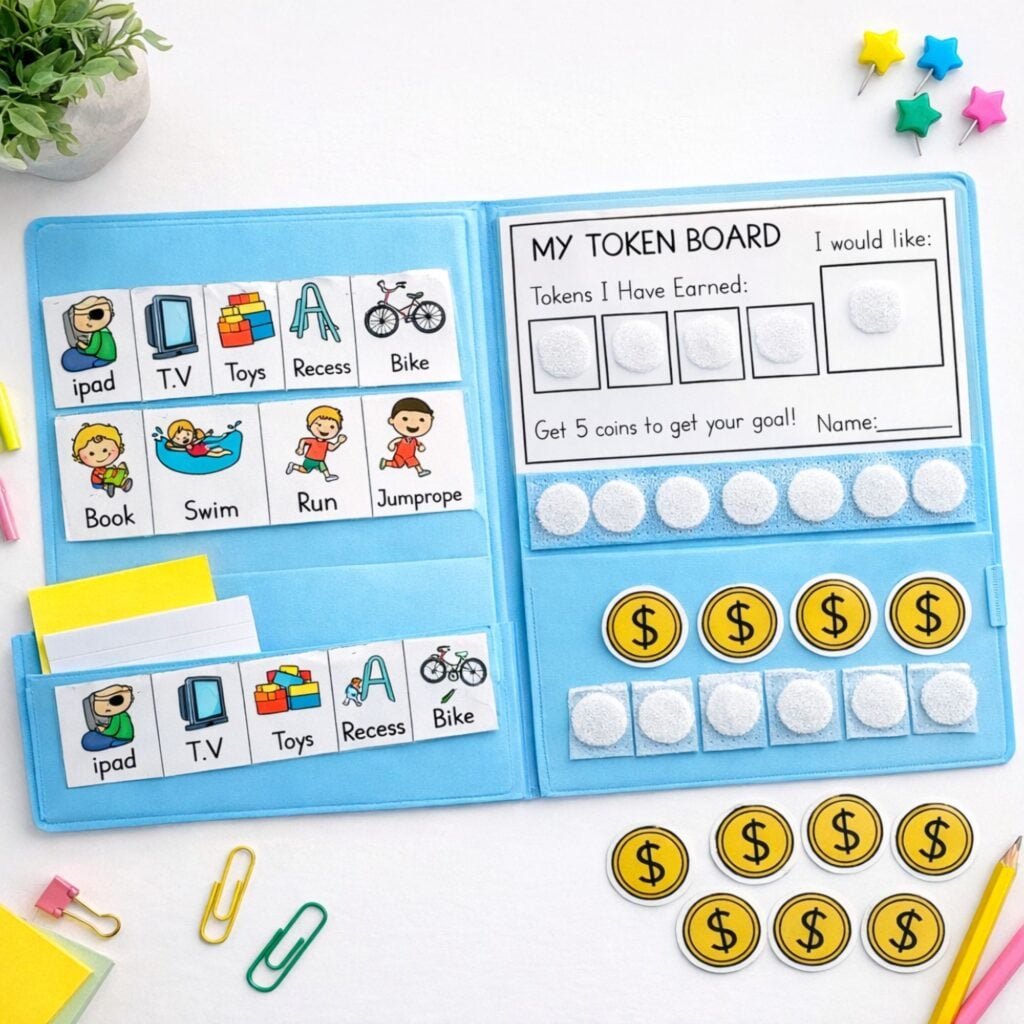
I created a FREE printable token board that you can laminate and use with Velcro coins, real tokens, or even little stars. Your student picks a preferred activity, earns five tokens for demonstrating the expected behavior, and then celebrates reaching their goal in a positive and structured way.
It works beautifully with this story, but honestly, it also works with accepting no, toilet routines, gentle hands, and any other social skill you are teaching. You can grab the free token board below and start using it right away in your classroom or at home.
[Grab the FREE Token Board Here]
Real-Life Scenarios to Teach Bus Etiquette
Sometimes, kids learn best when they can see themselves in a situation (or giggle at one). Here are a few scenarios to act out or discuss with your students:
- The Backpack Bulldozer – Liam rushes down the aisle with his giant backpack, accidentally knocking over two kids and almost taking out the bus driver. What should he have done instead?
- The Seat Hopper – Emma can’t decide where to sit, so she keeps moving from seat to seat, causing delays. Why is it important to pick a seat and stay put?
- The DJ Disaster – Jake blasts his favorite song on his tablet at full volume. The driver can’t concentrate, and his seatmate is not amused. How can we enjoy music without disturbing others?
- The Mystery Mess – Someone left their snack crumbs all over the seat. Who’s responsible for cleaning up our own messes?
- The Volume Volcano – The bus starts off at a nice, calm hum, but suddenly, it erupts into a loud roar of shouting and laughter. Why should we use inside voices on the bus?
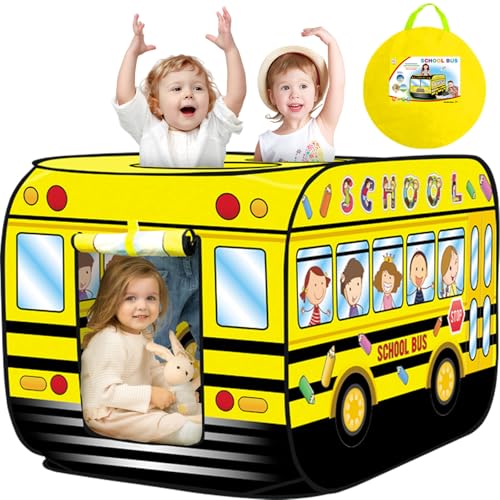
A fun and engaging way to teach bus safety and etiquette is through a ‘riding the bus’ pretend play activity. I came across this adorable inflatable bus that’s perfect for it!
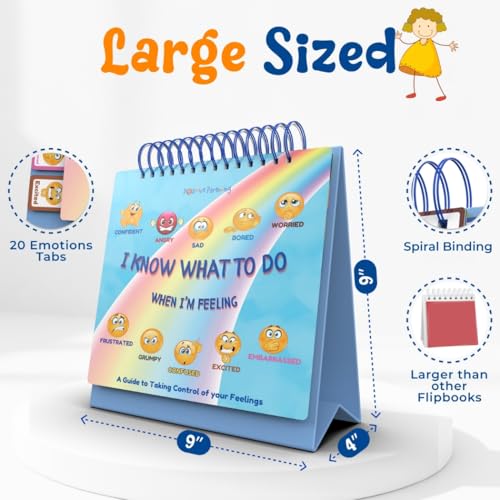
For some kids, the hardest part about riding the bus isn’t just sitting still—it’s understanding and managing their big emotions along the way. Feelings Flashcards can be a great tool to help kids recognize and express how they’re feeling before and after bus rides.
5 Simple Bus Etiquette Rules for 4-6 Year Olds
Now that we’ve set the stage, let’s talk about the must-know rules for bus etiquette (aka: How to NOT drive your bus driver bananas).
1. Sit Like a Statue (Okay, Maybe a Wiggle-Friendly Statue)
Once you pick a seat, stay in it. No musical chairs on the bus! It keeps everyone safe and makes the driver’s job way easier.
2. Inside Voices Only—No Megaphones Allowed!
A bus is not a concert venue (as much as some kids may think it is). Use quiet voices so the driver can focus on the road.
3. Backpacks Stay on Laps, Not on Friends’ Faces
Your backpack is not a wrecking ball—keep it on your lap so it doesn’t smack anyone or block the aisle.
4. No Surprise Snacks (Unless You Like a Sticky Bus)
Crumbs, spills, and mystery gum disasters? No thanks. Save the snacks for home to keep the bus clean.
5. Be Kind to Your Seatmate (Even If They Sing Off-Key)
Whether you sit with a best friend or someone new, respect their space and keep your hands to yourself. Sharing is great, but not when it comes to unwanted pokes or stolen hats!
Sensory Tools to Help Kids with Bus Jitters
Some kids, especially those with autism or sensory sensitivities, may need a little extra support when riding the bus. Here are a few tools that can help:
- Kinetic Sand – A perfect calming tool for after the bus ride. Kids can squeeze and mold it to decompress from the hustle and bustle.
- Feelings Interactive Board – Great for helping kids express their emotions before and after the bus ride, so they feel more in control.
- Worry Stones – A small, discreet fidget that kids can keep in their pockets to ease anxiety while riding.

Want to make bus rides smoother?
Grab this free Bus Etiquette Poster—perfect for helping kids visualize expectations! Sign up for my Special Education Freebie Vault and get instant access to this plus tons more printables to support your students!

FAQs: Helping Kids with Special Needs on the Bus
Q: What if my student gets overwhelmed by the noise on the bus?
A: Noise-canceling headphones or earplugs can help! You can also practice deep breathing exercises before they get on the bus.
Q: My student refuses to sit still. What can I do?
A: Try giving them a fidget tool (like a worry stone) or assigning them a “special job” like holding a small weighted lap pad to help them stay seated.
Q: How can I help my student feel less anxious about the bus ride?
A: Use a social story (like the one in my original post!) and role-play what will happen step by step. Also, let them carry a comfort item like a small toy or picture from home.