Behavior Sheet Think Sheets That Actually Work (Plus the Stop Think Choose Classroom Strategy)
If you’ve ever had one of those classroom moments where a student blurts out, pushes a chair, or melts down over a worksheet, you know the feeling. Instead of turning it into a long lecture, many teachers use behavior sheet think sheets and craft to help students pause, reflect, and figure out what to do next.
When I’m helping students reflect on their choices, I often connect it back to clear behavior expectations. If you’re writing individualized plans for students, my guide to behavior IEP goals explains how to create measurable goals that support social and emotional growth alongside tools like behavior think sheets.
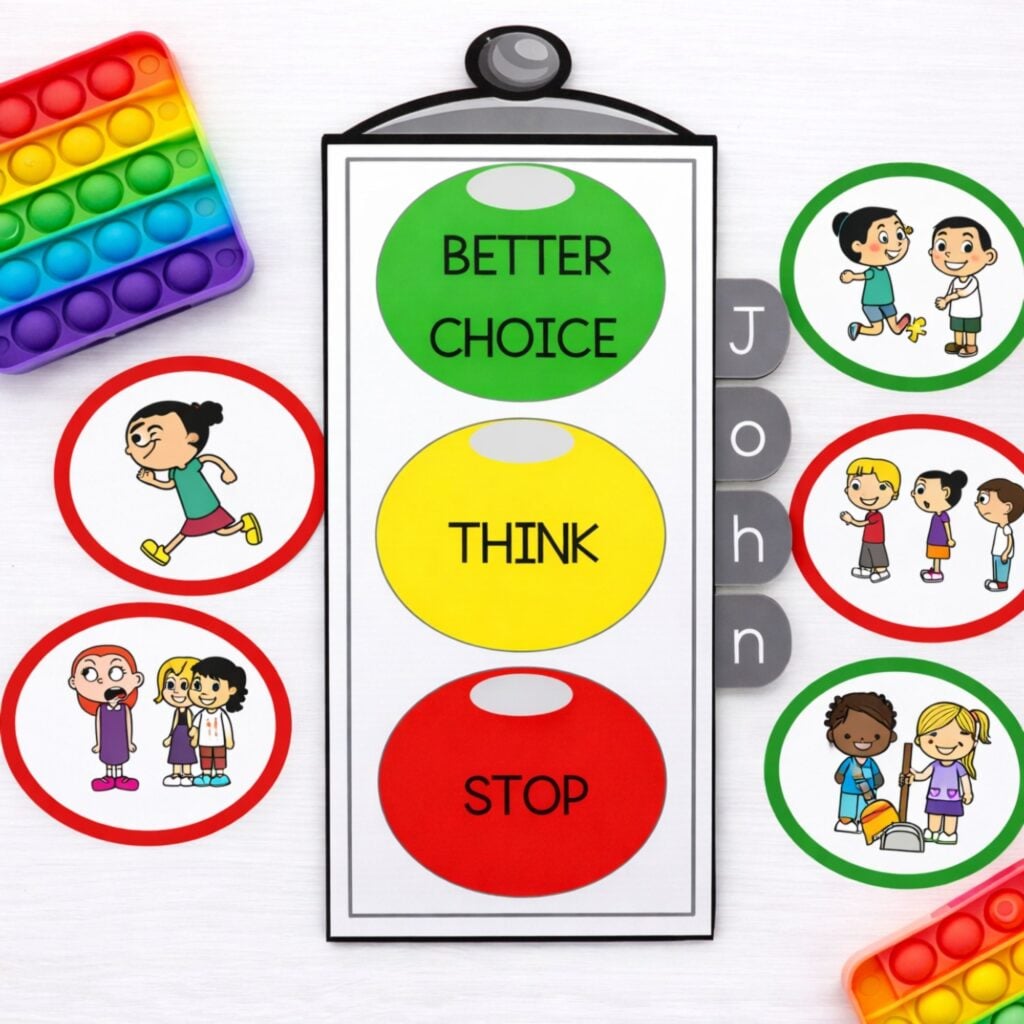
>> Grab the freebie Behavior Think Sheet at the end of this post, I have used to get students to be accountable for their own actions – it works!
These simple reflection tools can transform a tough moment into a learning opportunity.
In this article, we’ll explore how behavior sheet think sheets work, why they are effective for younger learners, and how to combine them with a Stop Think Choose traffic light craft to support social emotional learning in your classroom.
Sometimes behavior struggles happen when students feel uncertain about changes or transitions. In those situations, I pair reflection sheets with social stories about people leaving to help children process emotions and understand what to expect.
What Are Behavior Sheet Think Sheets?
Behavior sheet think sheets are reflection worksheets designed to help students think about their actions and make better choices. Instead of focusing on punishment, these tools guide students through a structured reflection process.
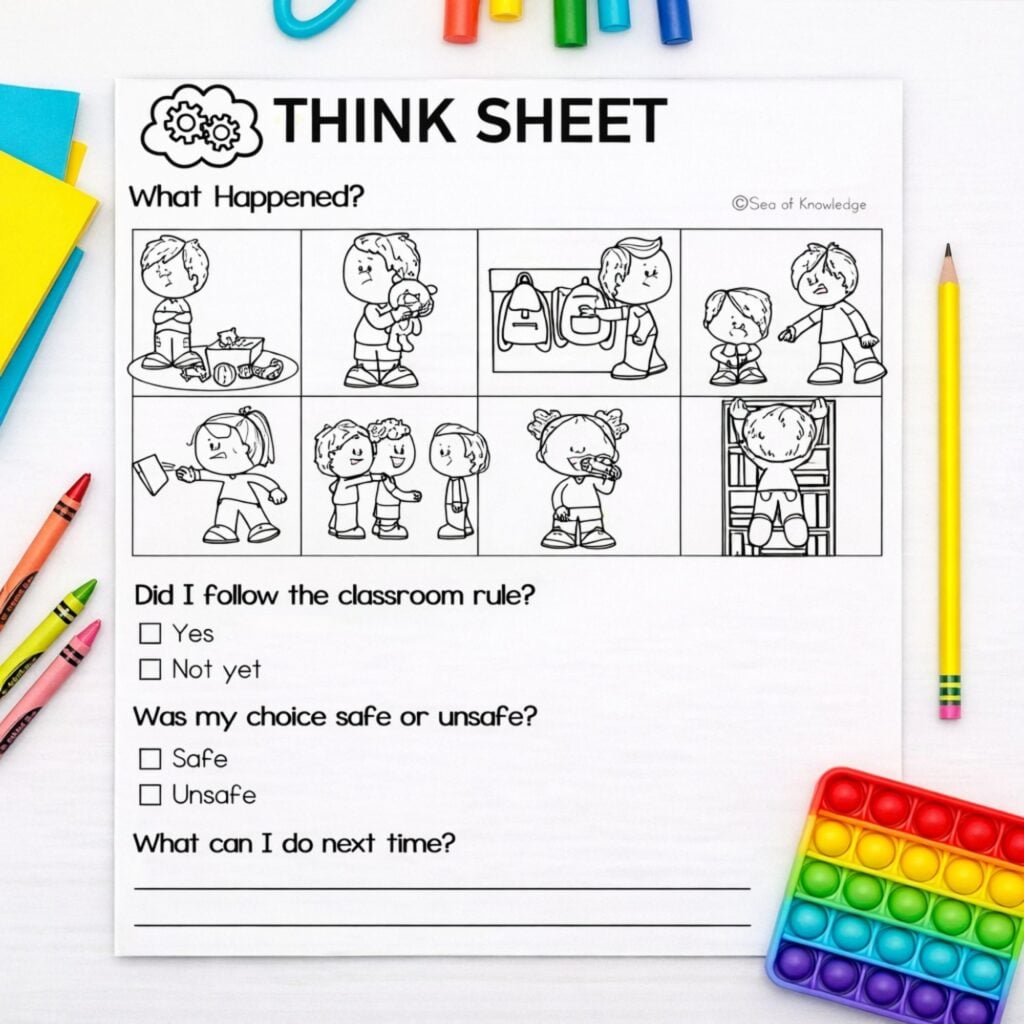
A typical behavior reflection sheet helps students consider questions such as:
- What happened?
- Did I follow the classroom rule?
- Was my choice safe or unsafe?
- What can I do next time?
Because behavior sheet think sheets often include pictures or simple checkboxes, they are especially helpful for younger learners who may not yet be able to write detailed explanations.
Teachers frequently use these tools as part of classroom behavior management strategies and social emotional learning activities.
Many classroom conflicts start with students struggling to share or wait their turn. I often combine reflection tools with lessons on taking turns social skills so students can practice respectful interactions and cooperative play.
Why Behavior Think Sheets Work for Younger Students
One reason behavior sheet think sheets are so popular is that they simplify reflection for children. Instead of asking students to explain their behavior in a paragraph, the worksheet guides them step by step.
Encourages Self Reflection
Students begin to understand that their actions affect others. A behavior reflection worksheet for students allows them to pause and think about what happened.
For younger learners especially, visuals can make a huge difference when teaching boundaries and expectations. That’s why I sometimes introduce a story like keeping my clothes on social skills story before using a think sheet to help students reflect on appropriate behavior.
Builds Social Emotional Learning Skills
Reflection worksheets support important SEL skills such as empathy, self-awareness, and problem solving. Over time, students begin to recognize emotions and think about how their choices impact the classroom.
Works for Early Readers
Many behavior reflection sheets for kids include pictures and simple choices like yes or no. This makes them accessible for kindergarten, first grade, and special education classrooms.
Creates Consistency
When teachers use behavior sheet think sheets consistently, students learn what to expect after a problem occurs. Instead of reacting emotionally, the class learns that reflection is part of solving problems.
When Teachers Use Behavior Sheet Think Sheets
Teachers often introduce a behavior reflection form for kids during moments such as:
- classroom disruptions
- conflicts between students
- unsafe choices during playtime
- refusal to follow directions
- problems during group work
Instead of sending a student immediately to the office or giving a punishment, the teacher can guide the student through a student reflection sheet behavior activity.
This encourages accountability while maintaining a supportive classroom environment.
Teachers often ask how to turn classroom expectations into measurable support plans. In my article on how to write behavior goals, I share practical examples that work well alongside reflection sheets and SEL strategies.
What a Behavior Reflection Worksheet Looks Like
Most behavior sheet think sheets follow a similar structure.
What Happened?
Students first identify what occurred. This step helps them recognize the behavior without blame.
Did I Follow the Classroom Rule?
Students think about whether they followed expectations.
Was My Choice Safe or Unsafe?
This question introduces the idea of safety and responsibility.
What Can I Do Next Time?
Finally, students create a plan for a better choice in the future.
This type of behavior accountability sheet helps students focus on solutions rather than simply dwelling on mistakes.
If you’re looking for more engaging ways to reinforce positive choices, I also love pairing reflection tools with hands-on lessons. These fun behavior activities give students a chance to practice social skills before challenging situations even happen.
Feelings Think Sheets and Emotional Awareness
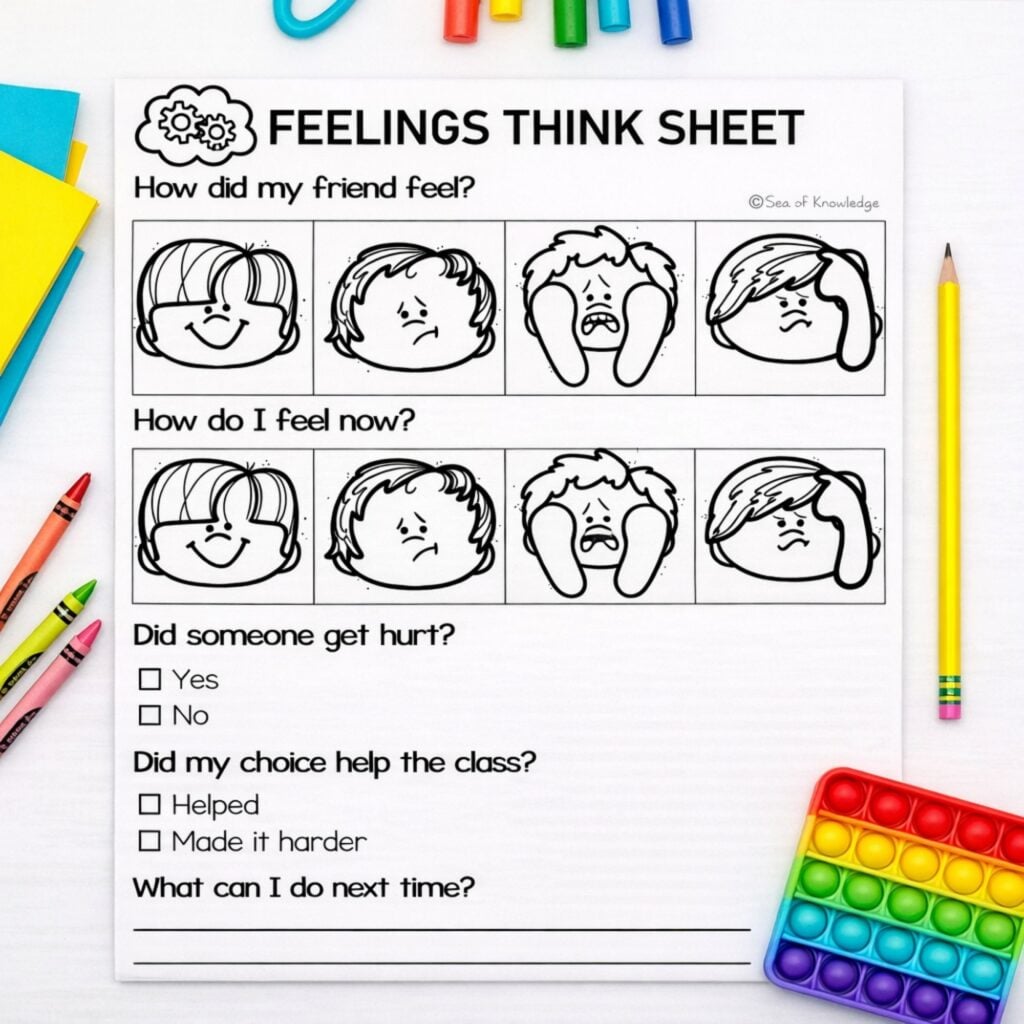
Another helpful tool teachers use is a feelings think sheet. While traditional behavior reflection sheets focus on actions, a feelings sheet encourages students to think about emotions.
A feelings reflection worksheet for students might include questions such as:
- How did my friend feel?
- How do I feel now?
- Did someone get hurt?
- Did my choice help the class?
These questions help children recognize emotions and develop empathy. When students begin to think about how others feel, they are more likely to make positive choices.
Using a social emotional learning worksheet like this can make a big difference in how students handle conflicts.
Another strategy I frequently use with behavior think sheets is combining reflection with motivation. Using a positive behavior incentive system helps students see the connection between their choices and positive outcomes in the classroom.
Teaching the Stop Think Choose Strategy
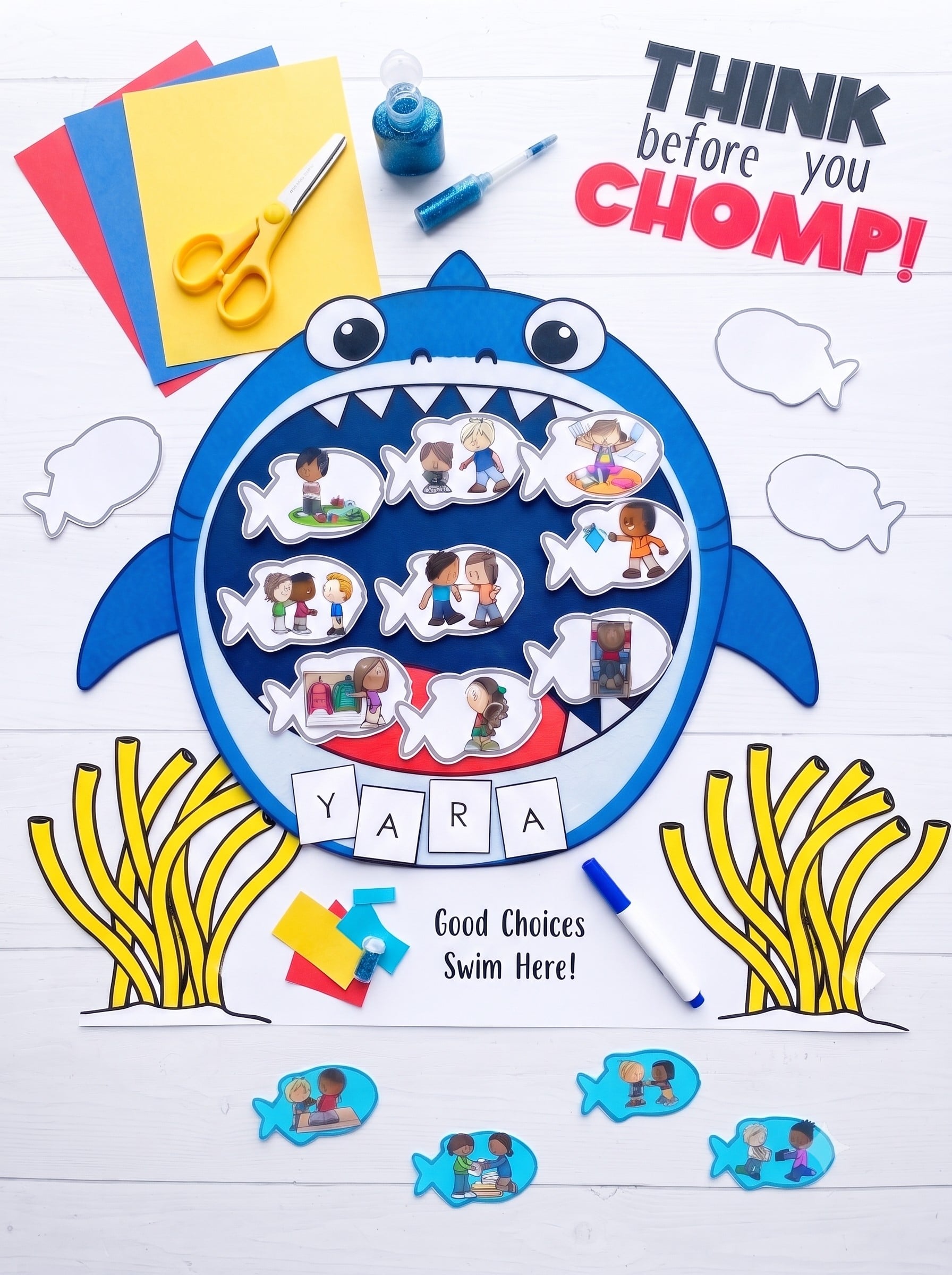
One powerful strategy teachers use alongside behavior sheet think sheets is the Stop Think Choose traffic light system.
This simple visual helps students remember the steps to making better decisions.
Red Light: Stop
The red light reminds students to pause before reacting.
Students can practice:
- taking a deep breath
- calming their body
- stopping their actions
Learning to pause helps children develop self regulation skills.
Yellow Light: Think
The yellow light encourages students to reflect.
Teachers can ask questions such as:
- What rule did I forget?
- Did someone get hurt?
- How does my friend feel?
This step connects directly to behavior reflection sheets for students.
Green Light: Better Choice
The green light represents choosing a positive action.
Students might decide to:
- use kind words
- raise their hand
- ask for help
- help a friend
By practicing this routine, students learn that mistakes are opportunities to make better choices.
Using the Traffic Light Craft in the Classroom
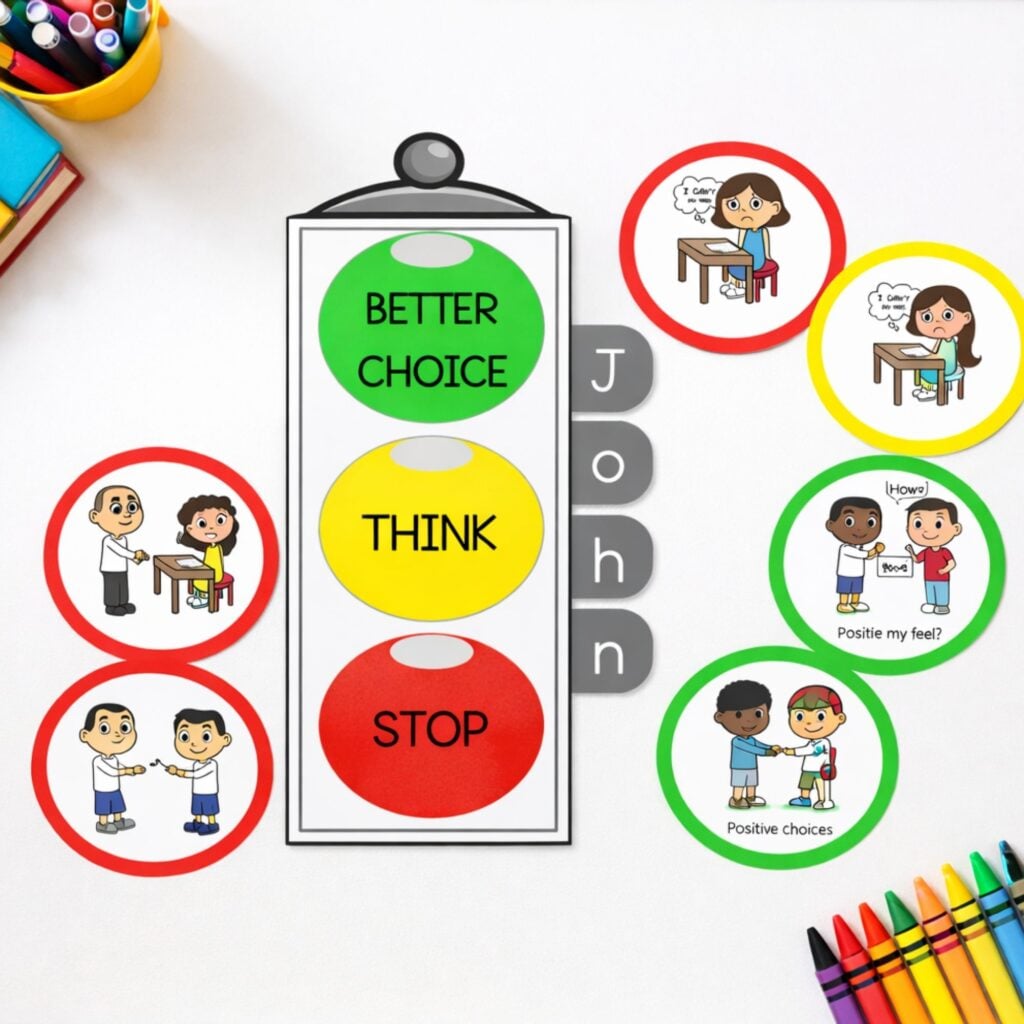
The Stop Think Choose traffic light craft can become a helpful classroom tool.
Desk Reminder
Students can keep the traffic light craft on their desk as a visual reminder of the behavior steps.
Calm Down Corner
Many teachers place the traffic light in a calm down area where students reflect before completing their behavior sheet think sheets.
SEL Mini Lessons
Teachers can introduce the craft during a social emotional learning lesson about problem solving and classroom expectations.
Reflection Discussions
When a problem occurs, teachers can ask:
“Which light are you on right now?”
This simple question helps students connect their actions to the reflection process.
Combining Think Sheets with Other Classroom Behavior Tools
While behavior sheet think sheets are effective on their own, they work even better when paired with other classroom strategies.
Teachers often combine them with:
- calm down strategies for kids
- classroom behavior charts
- conflict resolution worksheets
- problem solving discussions
- SEL reflection activities
These tools support a classroom environment focused on learning and growth.
5 Free Behavior Think Sheets
If you are looking for simple ways to help students pause and reflect, I also like sharing a few free behavior reflection sheets teachers can try.
These tools can be helpful for building a classroom routine where students think about their choices and learn what to do differently next time.
I often keep a small stack of reflection sheets in my calm down area so students can complete one when they need to slow down and think. Here are a few options that teachers can download and try.
#1 My Free Think Sheet (Visual Behavior Reflection)
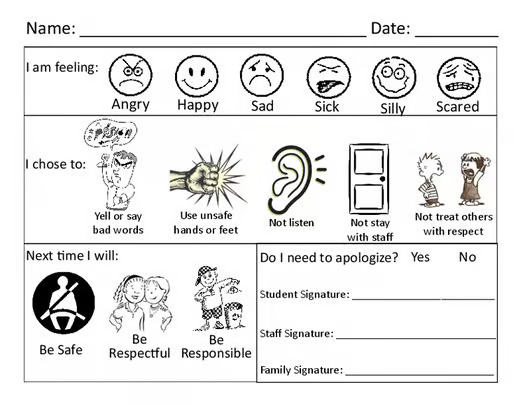
The first behavior reflection think sheet I like to share is the visual reflection sheet shown above. I designed this sheet to be very simple for younger learners, with pictures that help students identify what happened.
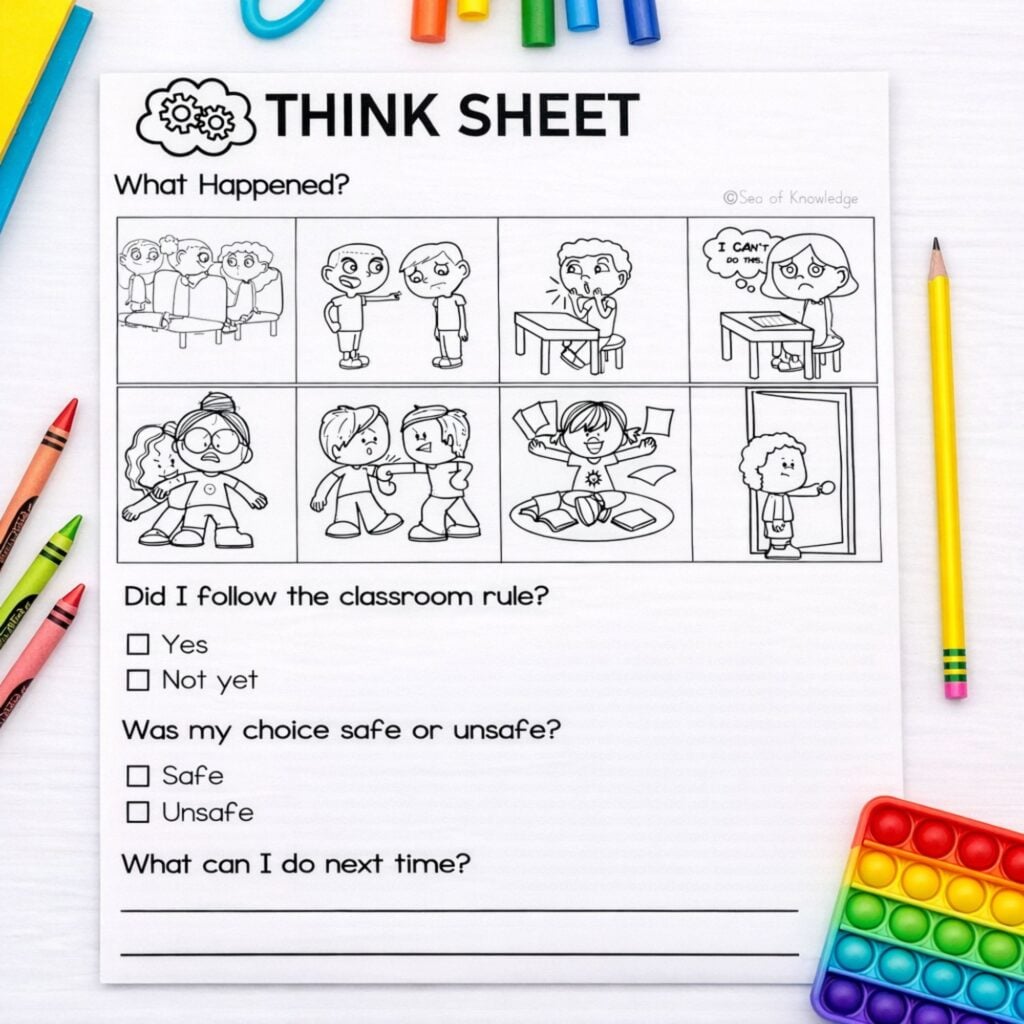
When I use it in the classroom, I usually sit with the student and ask them to point to the picture that matches the situation.

Then we talk about whether the choice was safe or unsafe and what they could do differently next time. This sheet works well for kindergarten, first grade, and special education because students do not need to write long answers. I often use it during calm down time or after a classroom conflict.
#2 Behavior Reflection Sheets Freebie
This behavior reflection sheet freebie is another helpful option when students need to reflect on their actions. I like using sheets like this after a classroom disruption or peer conflict because they guide students through what happened step by step.
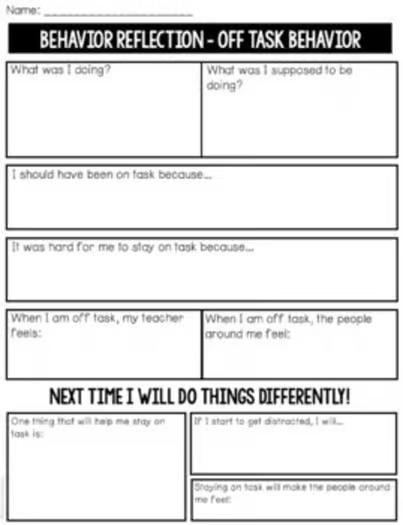
When I introduce it to students, I explain that the goal is not to get in trouble but to think about better choices. Sometimes I ask students to complete the sheet independently and then we discuss it together. It can also be sent home so families understand the situation and the reflection process.
#3 Behavior Reflection Think Sheet Freebie – Promote Positive Growth in Students
This behavior reflection think sheet focuses on helping students grow from their mistakes. I like using sheets like this during social emotional learning lessons so students learn how to reflect before a problem even happens.
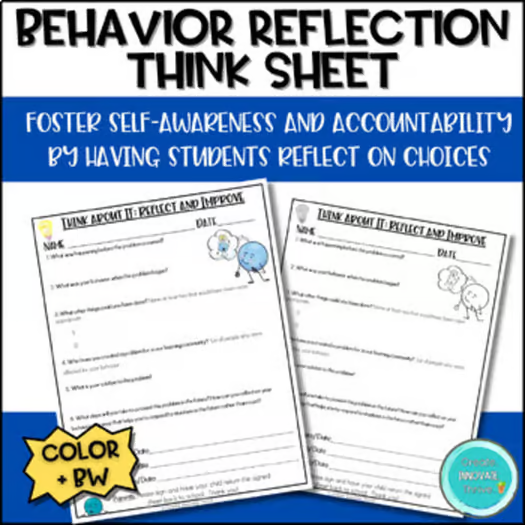
When a student completes the sheet, I encourage them to explain their thinking and talk about what they might do differently next time. This turns the situation into a learning opportunity instead of just a consequence.
Reflection sheets like this can also help students build responsibility for their actions. Over time, students begin to recognize patterns in their behavior and make better choices.
#4 Behavior Frequency Data Collection Sheets
This resource is a little different because it focuses on behavior data collection instead of student reflection. I sometimes use sheets like this when I want to track how often a behavior occurs during the day. This information can be helpful when meeting with support staff or planning behavior interventions.
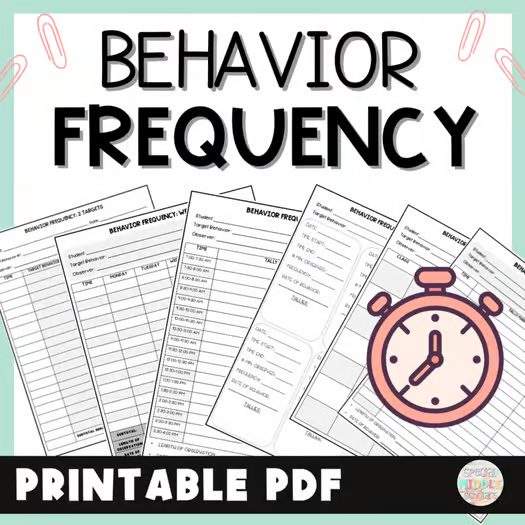
I like using data sheets alongside reflection sheets so I can understand patterns in student behavior. For example, I might notice that a behavior happens more often during transitions or certain subjects. Tracking behavior helps me adjust routines and support students more effectively.
#5 Behavior Think Reflection Sheets
These behavior think reflection sheets are another helpful tool teachers can keep on hand. I like using resources like this when students need a quiet moment to reflect on their choices.
Sometimes I place reflection sheets in a calm down corner so students can complete one before returning to the activity. After the student finishes, we talk together about what happened and how they can repair the situation if needed.
Reflection sheets also help students practice problem solving and responsibility. Over time, students begin to understand that mistakes are opportunities to learn and make better choices.
Tips for Using Behavior Sheet Think Sheets Successfully
Keep Reflection Short
Young students respond best to simple reflection prompts.
Use Visual Supports
Picture choices help early learners understand the reflection process.
Practice the Routine
Teach students how to use the think sheet during calm moments before problems happen.
Focus on Learning
The goal of behavior sheet think sheets is to guide students toward better choices, not to shame them.
Every classroom has challenging moments. When students make mistakes, it can be tempting to react quickly. However, tools like behavior sheet think sheets give teachers a way to turn those moments into learning opportunities.
By guiding students through reflection, encouraging emotional awareness, and using visual strategies like the Stop Think Choose traffic light, teachers can help children develop stronger decision making skills.
Over time, these small reflection moments build responsibility, empathy, and positive classroom behavior.
This simple question helps students connect their actions to the reflection process.