Telling Your Child a Family Member Has a Serious Illness: Let’s Talk About It (Without Freaking Out)
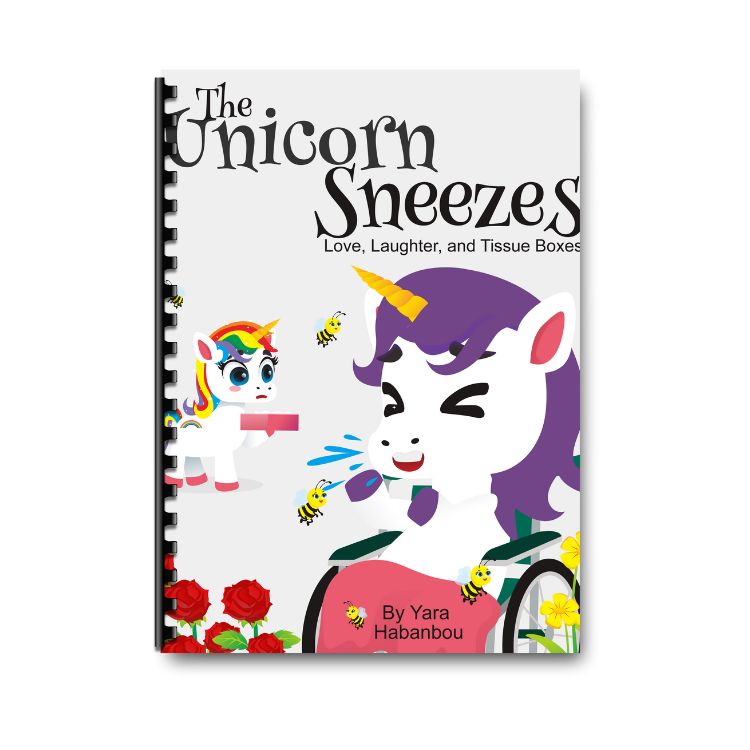
I wrote The Unicorn Sneezes to help kids understand when a parent or family member is seriously ill. Telling Your Child a Family Member Has a Serious Illness should be easier. With heartfelt illustrations and a gentle story, this book makes it easier to talk about tough topics like Huntington’s disease, while teaching empathy, love, and resilience.
Telling your child a family member has a serious illness is, without a doubt, one of the hardest conversations you’ll ever have. Kids books serve as a great way to talk about difficult issues.
It’s like you’re walking a tightrope of honesty and sensitivity, trying to figure out how much info to give without causing a full-blown meltdown. Social stories are also another way I love to discuss difficult topics. It’s not exactly a conversation you planned for at your kid’s next birthday party, right?
When I had to explain this to my niece, and honestly, I felt like a deer in headlights. I didn’t want to lie, but I didn’t want to terrify her either. I mean, how do you explain something so heavy without turning into a blubbering mess yourself?
***This post contains affiliate links.
It’s a real challenge, but with the right approach, it’s definitely manageable.
Telling Your Child a Family Member Has a Serious Illness:
Let’s face it, telling a child that a family member is sick, especially with a serious illness, is one of the toughest conversations you’ll ever have to have.
It’s hard to find the right words, and you may feel like you’re walking on eggshells, not wanting to scare or overwhelm them. But here’s the thing: kids are incredibly resilient, and while it’s a tough conversation, it’s also an opportunity to teach them empathy, love, kindness and resilience.
Be Honest, but Age-Appropriate
First, I’ll admit that this is no easy task. I had to do it myself with the kids in my family when my mom was diagnosed with Huntington’s disease. It felt like my heart was in my stomach every time I thought about explaining it to them.
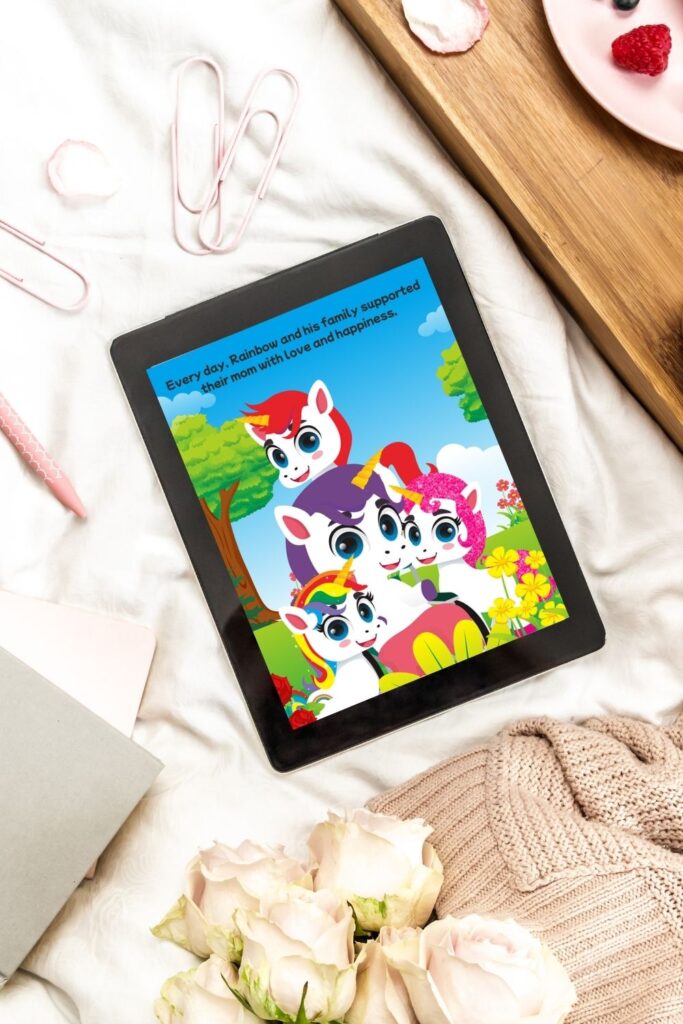
I didn’t want them to be scared or confused, but I also wanted them to understand what was going on with their grandmother, who they adored. So, I kept it simple.
I told them that Grandma was sick, but that we were going to help her through it as a family.
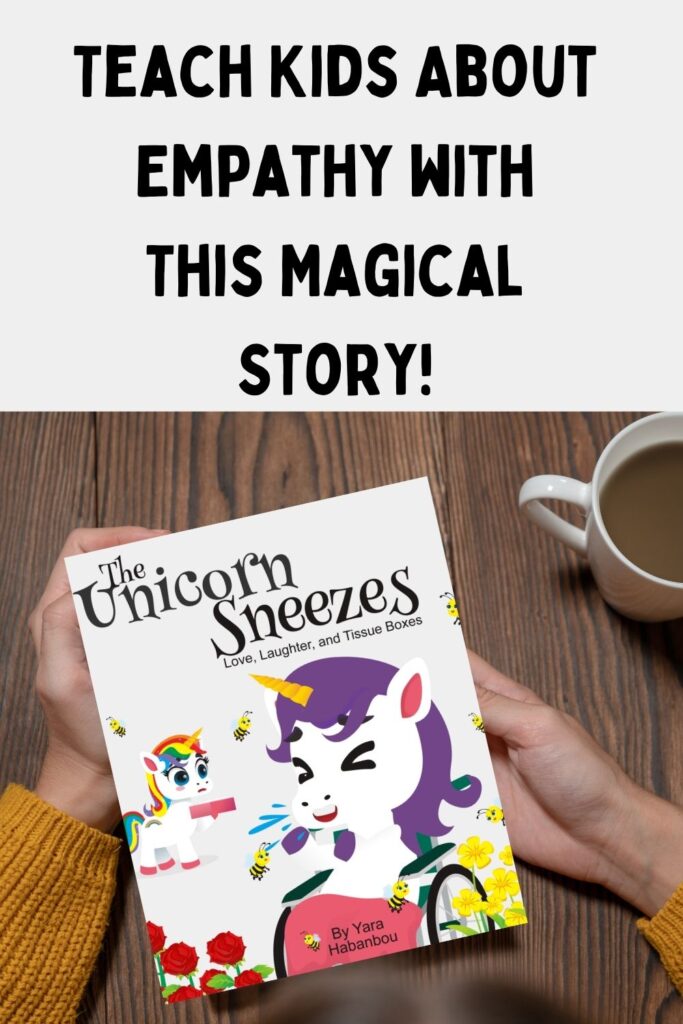
Looking for Books About Sick Parents? The Unicorn Sneezes Is the Perfect Choice! Find The Unicorn Sneezes on Amazon
I explained that her body didn’t always do what she wanted it to, but that didn’t mean she didn’t love them or want to play with them.
I also reassured them that even though things were changing, she was still Grandma, and we would all stick together.
Use Books to Help Process Emotions
This is where storybooks come in. Let me tell you, I don’t know how people get through tough times without books.
Whether it’s reading about a sick character or finding a story that mirrors the struggles in your own life, books have this magical way of helping kids process their emotions and gain a little bit of understanding.
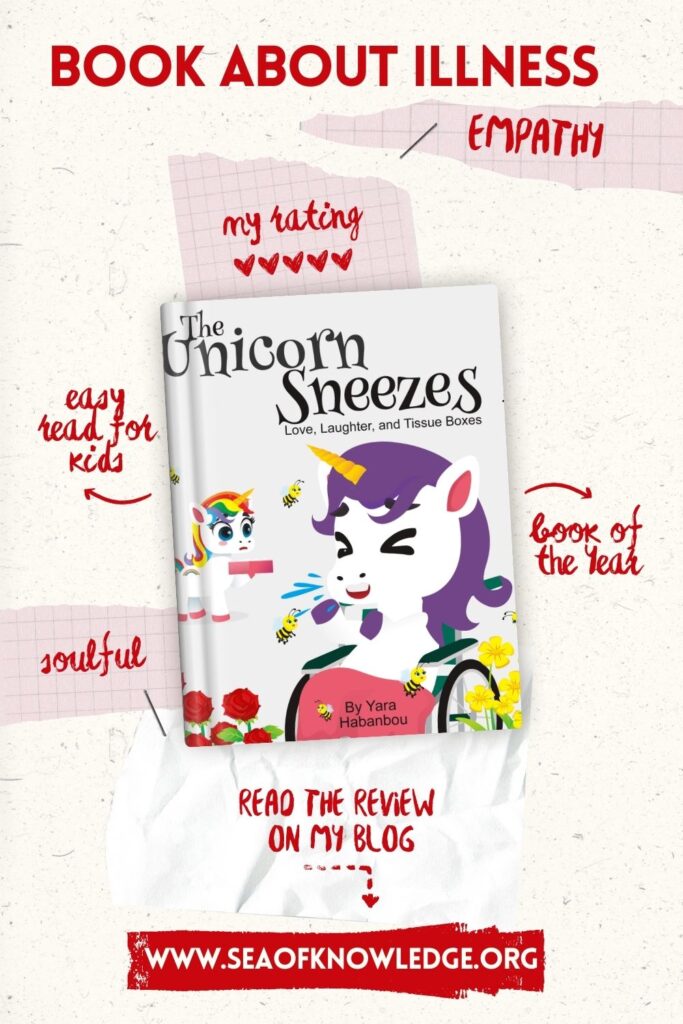
Help Your Child Understand Illness: Grab The Unicorn Sneezes Now! Learn more about The Unicorn Sneezes on Amazon.
One of the main reasons I wrote The Unicorn Sneezes is because of my mom. Huntington’s disease has had such a profound impact on her life, and it changed everything for our family.
I wanted to create something for kids who might be facing the same feelings of confusion and worry.
I didn’t want them to feel alone, and I didn’t want them to have to figure it out by themselves.
My mom is the reason this book exists—because I wanted my kids, and other kids like them, to have a resource that could help them understand what was happening to their family members.
Teach Kids About Empathy with The Unicorn Sneezes – Order Your Copy Today! Explore The Unicorn Sneezes for Kids on Amazon
Introducing Huntington’s Disease to Kids with Compassion
If you’ve never heard of Huntington’s disease, let me fill you in. It’s a rare and genetic illness that affects the brain, leading to a decline in physical, mental, and emotional abilities.
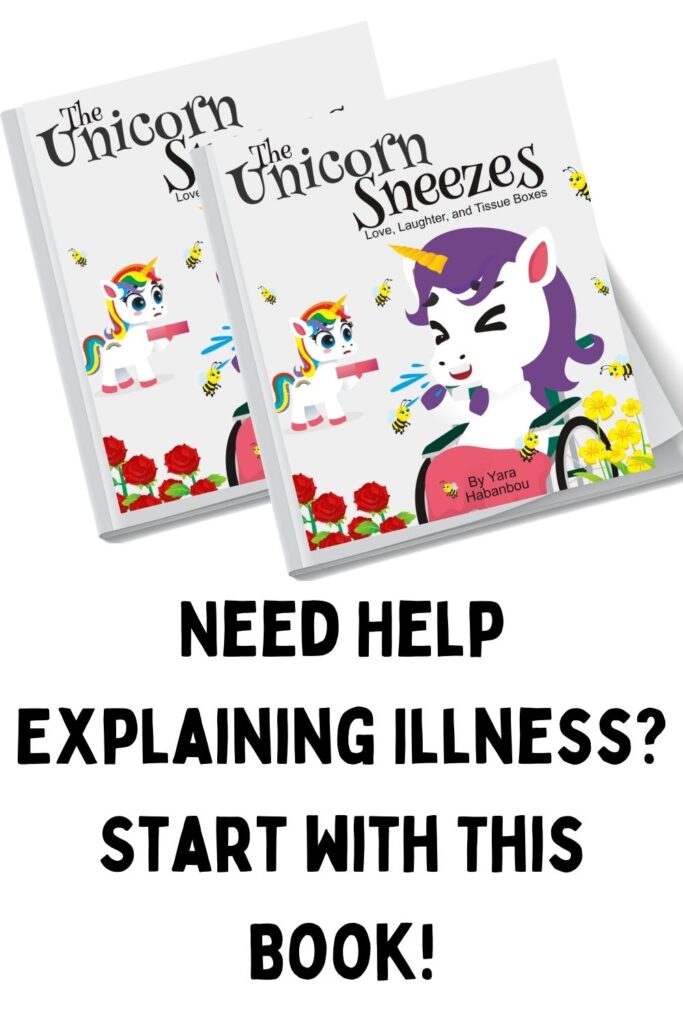
Introduce Your Child to Huntington’s Disease with The Unicorn Sneezes – A Magical Story of Love and Resilience Get The Unicorn Sneezes on Amazon
For my mom, it’s been a heartbreaking journey, and seeing her struggle has been difficult. But it’s also helped me learn the importance of empathy, and the value of creating a safe space for conversations.
When I wrote The Unicorn Sneezes, I wanted to ensure that the book didn’t just explain the illness, but also provided a sense of comfort.
Introduce Your Child to Huntington’s Disease with The Unicorn Sneezes – A Magical Story of Love and Resilience Get The Unicorn Sneezes on Amazon
You can also get the Kindle version of the book!
It’s about teaching kids that it’s okay to feel sad, confused, or even angry when a family member is sick. And while the book introduces some of the tough realities of illness, it also shows how love, teamwork, and empathy can help everyone cope together.
By reading this book, kids can relate to the character’s journey, helping them understand the emotions that come with seeing a family member face a rare disease.
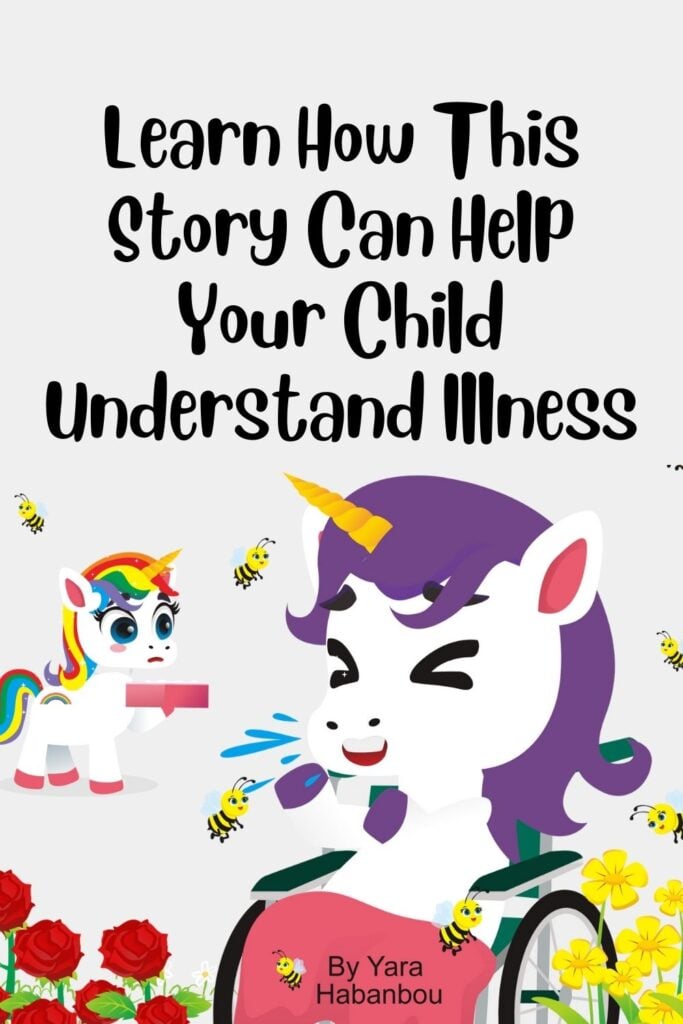
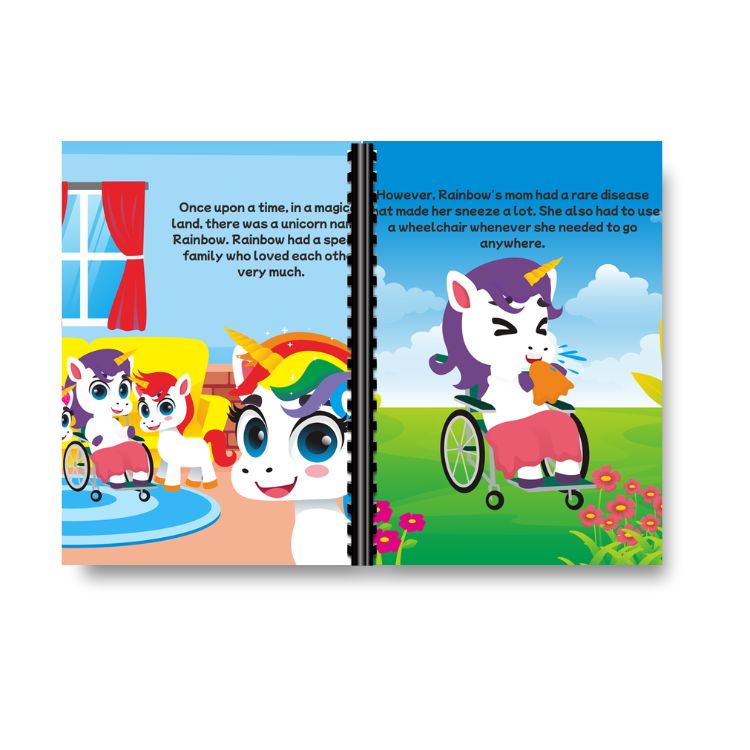
And even though the story focuses on the fictional Mama Unicorn sneezing bees (yep, you read that right!), it’s also a way to start those hard conversations about sickness in a gentle, approachable way.
More Than Just a Book: Teaching Resilience, Empathy, and Love
The Unicorn Sneezes isn’t just a cute story about a unicorn sneezing bees—though, yes, that part is definitely memorable!
It’s a deeply meaningful exploration of the emotions kids feel when they see a loved one struggle with an illness. The book provides a safe space for kids to learn about the changes that happen when a parent or family member is ill, while still keeping the magic and wonder of childhood alive.

The characters in the book, especially the Mama Unicorn, are depicted with such care and love. Even when things seem uncertain, the family works together with patience, kindness, and an endless amount of love.
These are themes that resonate with kids of all ages, and they’re even more important when navigating tough times like illness.
The most powerful part of The Unicorn Sneezes is how it shows kids that they’re not alone in their feelings.
While Huntington’s disease may be a rare and complex illness, the emotions that come with it—fear, confusion, love, and the desire to help—are universal.
Through this book, I hope to make sure that children, whether they’re facing a rare disease or any other challenging situation, feel heard, understood, and supported.
Empathy and Resilience: Teaching Kids Valuable Life Lessons
Talking to your kids about a serious illness, like Huntington’s disease, can be intimidating, but it’s also one of the most important conversations you’ll ever have.
You can teach them empathy, resilience, and the power of love in difficult situations. With the right tools, like The Unicorn Sneezes, you can start those important conversations in a way that’s relatable, comforting, and full of heart.
So, if you’re facing a situation where a family member is dealing with illness, don’t feel like you have to go it alone. Use the resources out there—whether it’s books like The Unicorn Sneezes or just sitting down and talking things through—to help your kids understand what’s happening. You’ll be amazed at how they absorb these lessons and how they’ll grow from them.
This expanded version adds more about the book itself and how it can be a helpful resource for kids going through similar situations.
It highlights how the book aligns with the themes of resilience, empathy, and understanding.