30 Fun Behavior Activities for Kids: Evidence Based Social Skills + Tips
Looking to make learning social skills a blast? Dive into our comprehensive guide packed with 30 entertaining and effective fun behavior activities perfect for the classroom.
From classic games with a social twist to innovative role-playing exercises, these activities are designed to nurture crucial social skills while keeping kids engaged and excited to learn.
Learn from a teacher’s perspective with insightful tips to seamlessly integrate these social skill activities into your lesson plans. Elevate your classroom experience and watch as kids flourish socially through these fun-filled activities!

See a wide range of engaging social skills worksheets for kids to enhance their social emotional learning (SEL) curriculum. These free resources offer hands-on activities and exercises to help children develop essential interpersonal skills.
If you’re on the lookout for engaging ways to teach social skills to kids, you’re in the right place. As a teacher, I totally get the importance of nurturing social behaviors early on, and trust me, it doesn’t have to be boring!
So, let’s dive into 30 activities that are not only a blast but also ace at honing those social superpowers in kids.
If you’re looking for some behavior IEP goals to add to your IEPs, I’ve got a great list here along with a tracking sheet.
Social Skill Stories (written in language for kids):
Grab the Free Token Board to Pair With This Social Story
If you are using this keeping clothes on social skills story, I highly recommend pairing it with a simple token board. Kids do so much better when there is something visual and concrete they are working toward, especially when we are teaching a new boundary or replacement behavior.
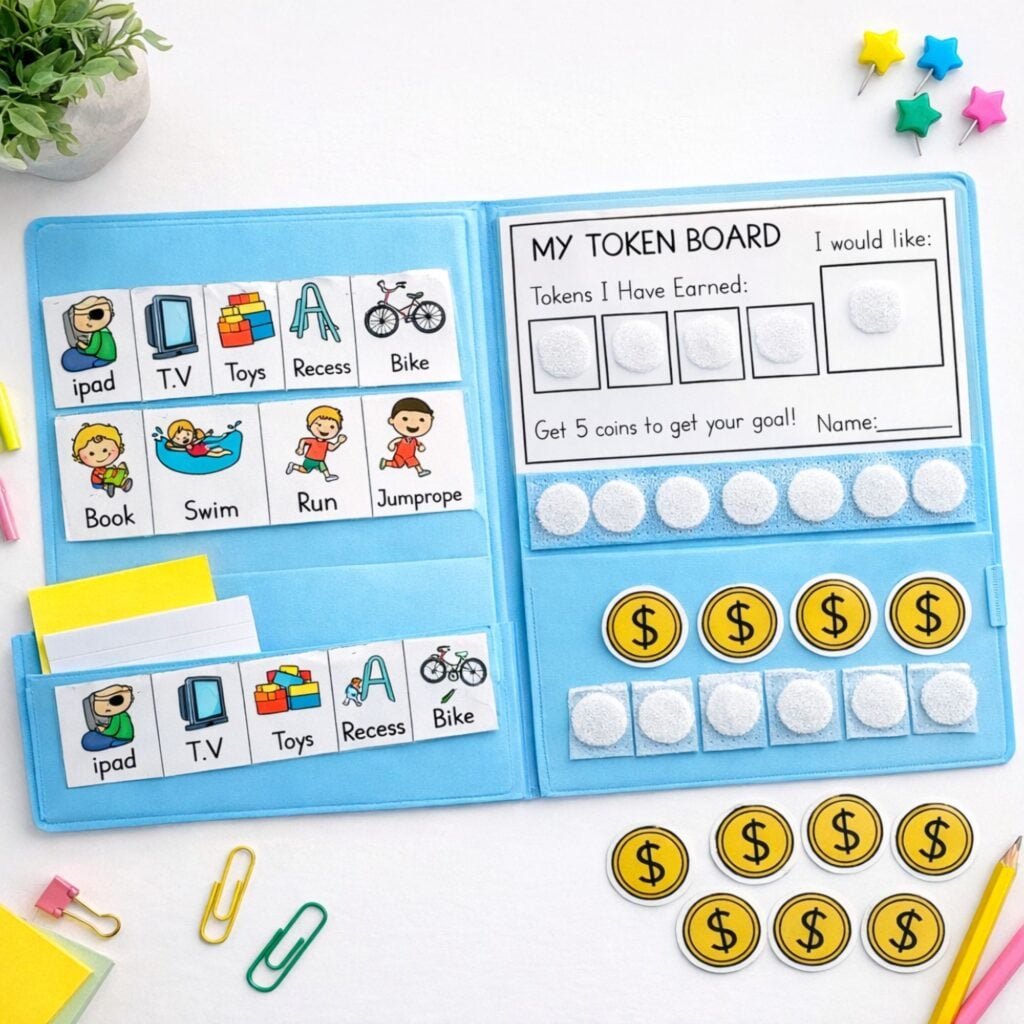
I created a FREE printable token board that you can laminate and use with Velcro coins, real tokens, or even little stars. Your student picks a preferred activity, earns five tokens for demonstrating the expected behavior, and then celebrates reaching their goal in a positive and structured way.
It works beautifully with this story, but honestly, it also works with accepting no, toilet routines, gentle hands, and any other social skill you are teaching. You can grab the free token board below and start using it right away in your classroom or at home.
[Grab the FREE Token Board Here]
Fun Behavior Activities
Importance of Social Skills
Before we jump into the activities, let’s chat about why social skills are crucial. Picture this: a kiddo confidently navigating friendships, communicating their needs, and collaborating effortlessly.
Social skills aren’t just about being polite; they’re the secret sauce for success in life. Kids armed with these skills grow up to be fantastic team players, empathetic leaders, and stellar communicators. I also love using SEL crafts in the classroom and at home.
1. Storytelling Sessions
Storytelling isn’t just about tales and adventures—it’s a goldmine for social learning. Encourage kids to share their favorite stories, take turns narrating, and even create collaborative stories. This activity fosters listening skills, creativity, and the ability to take turns respectfully.
Tip: Add in a “Story Circle” where each kid contributes a sentence to build a collective story. It’s a riot of giggles and learning.
2. Role-Playing Games
I’ve found that kids love stepping into different roles. Create scenarios where they can act out everyday situations—like sharing toys, resolving conflicts, or asking for help. This hands-on approach allows them to understand perspectives, practice problem-solving, and develop empathy.
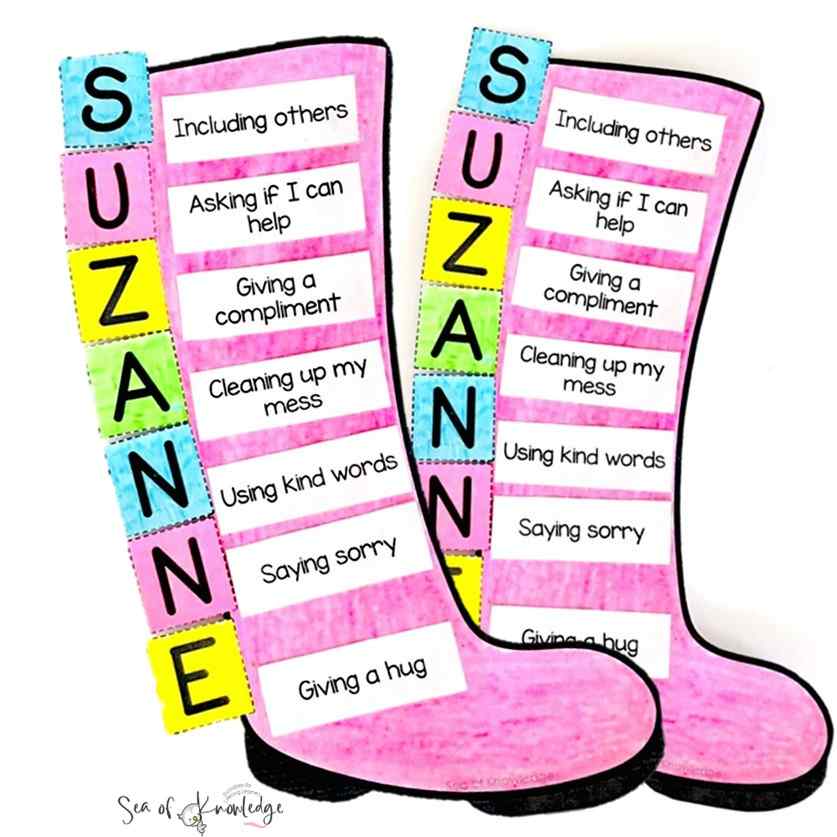
Tip: Keep it light-hearted and encourage laughter. It’s not just about learning; it’s about having a blast while doing so!
3. Team Building Challenges
Ever tried the classic “Egg Drop Challenge”? It’s not just about preventing eggs from cracking; it’s about teamwork, communication, and strategizing. Any collaborative challenge—building a tower with spaghetti and marshmallows or creating a paper airplane—can teach cooperation and teamwork.
Tip: Mix up the groups regularly to help kids learn to work with different personalities.
4. Emotion Charades
Expressing emotions can sometimes be like solving a puzzle. Emotion charades are a fun way to decode and recognize different feelings. It’s a fantastic icebreaker and a subtle way for kids to learn about emotional cues and empathy.
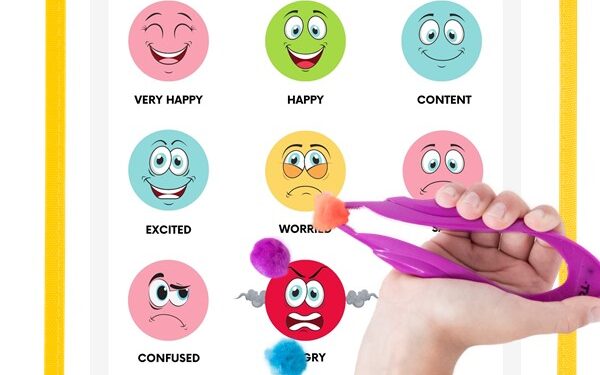
Tip: Start with simple emotions like happiness or sadness before moving to more complex ones like frustration or excitement.
5. Collaborative Art Projects
Art is a powerful medium for expression and collaboration. Create group art projects where kids contribute their unique ideas and skills. This activity nurtures creativity, teaches compromise, and celebrates individuality within a team.
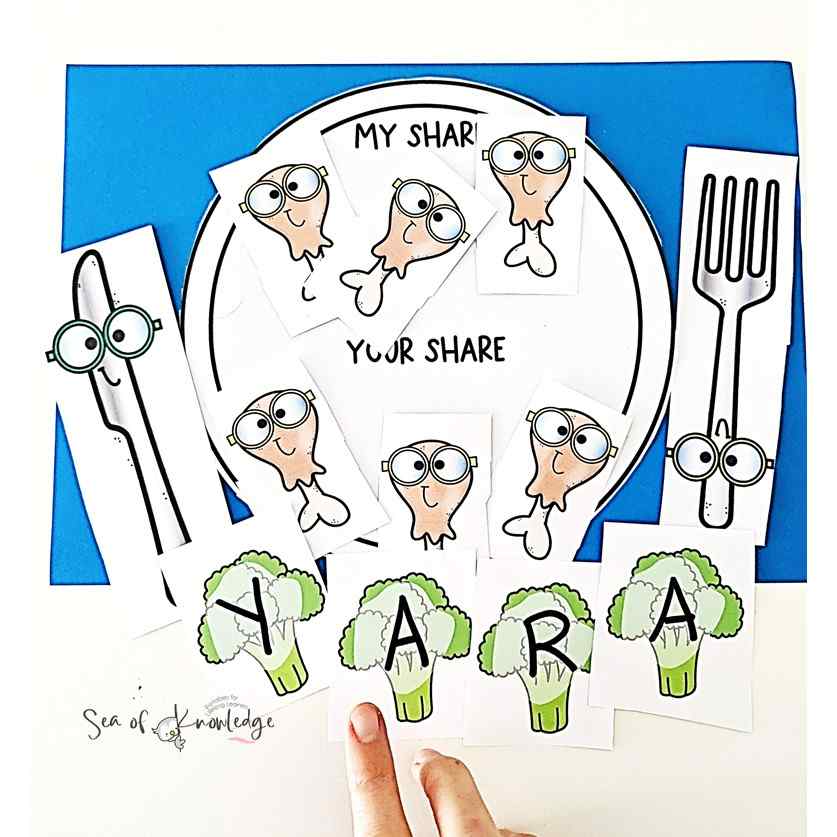
Tip: Display the finished projects proudly—acknowledging every child’s contribution boosts their confidence.
6. Interactive Storytime
Why not jazz up storytime by making it interactive? Pause during the story to ask questions, predict what might happen next, or discuss characters’ feelings. This approach enhances listening skills, comprehension, and encourages respectful discussion.
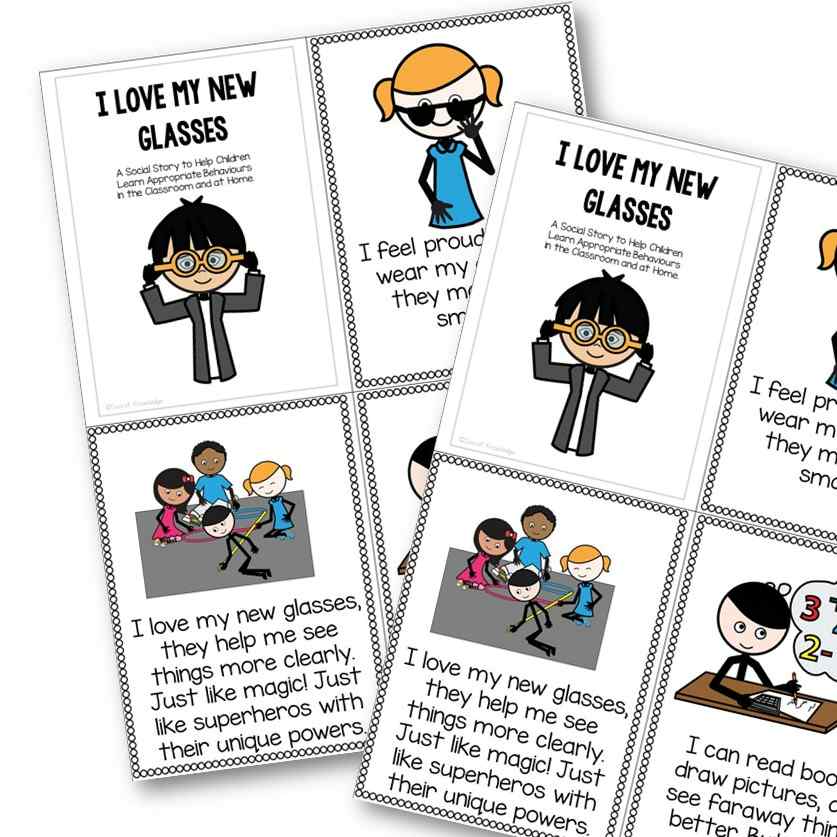
Tip: Let kids take turns being the “story leader” to encourage active participation.
7. Mindfulness and Breathing Exercises
Social skills also involve self-awareness and self-regulation. Introduce simple mindfulness or breathing exercises to help kids calm down, focus, and understand their emotions better. It’s incredible how a few moments of quiet can work wonders!

Tip: Make it a routine—start or end the day with a short mindfulness session.
8. Gratitude Circles
Gratitude is a superpower that fuels positivity and empathy. Gather the kids in a circle and take turns expressing something they’re thankful for. This activity fosters empathy, teaches appreciation, and creates a sense of community.
Tip: Encourage specific gratitude—instead of “I’m thankful for my family,” delve into why they appreciate them.
9. Dramatic Play
The stage is an excellent platform for learning. Encourage dramatic play where kids can take on different roles and act out scenarios. It’s a brilliant way to build confidence, explore emotions, and understand different perspectives.
Tip: Provide props and costumes to spark imagination and creativity.
10. Sharing Circles
Sharing isn’t just about toys; it’s about thoughts, experiences, and feelings too. Create safe spaces where kids can share something special—a favorite book, a cool experience, or even their worries. This activity promotes listening skills, empathy, and inclusivity.
Tip: Establish clear rules of respectful listening and speaking during sharing circles.
More Fun Behavior Activities for the Classroom
See tons more ideas below!
11. Telephone Game Redux
The classic “Telephone Game” isn’t just a laugh riot; it’s a gem for communication skills. Sit the kids in a line or a circle and whisper a phrase or sentence to the first child, who then whispers it to the next, and so on. The last child says the phrase aloud, and compare it to the original.
It’s a fantastic way to highlight the importance of clear communication and active listening.
12. Feelings Bingo
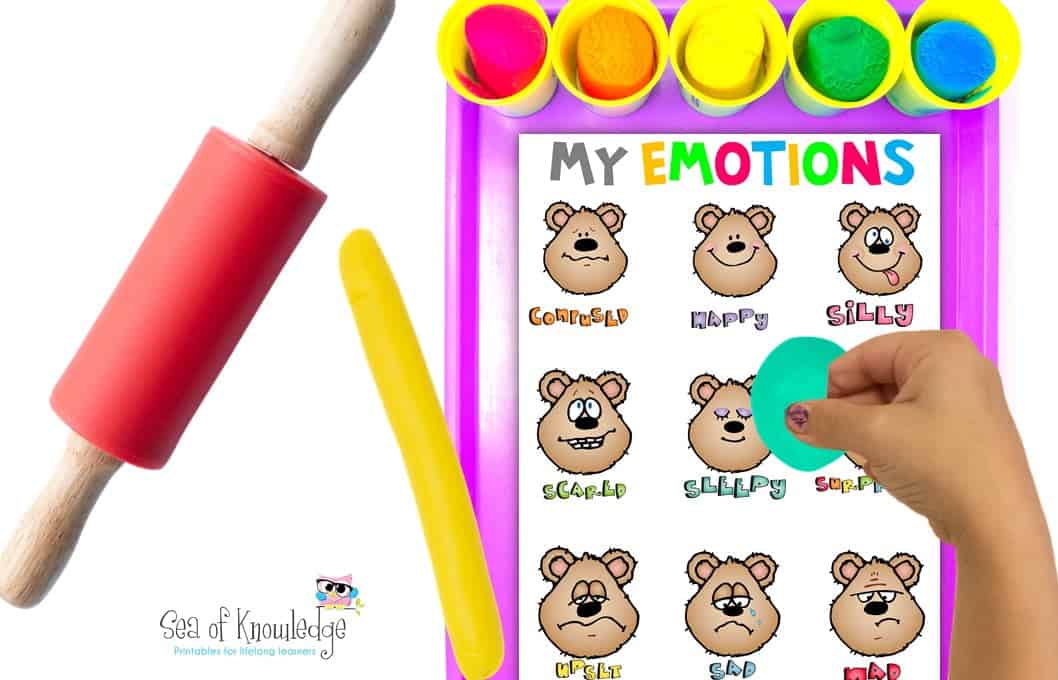
Create bingo cards with different emotions instead of numbers. Kids mark the emotion they feel on their card when prompted by certain scenarios or questions.

This game helps children identify and express emotions while promoting empathy by understanding how others might feel in various situations.
13. Collaborative Puzzle Time
Give each group a puzzle but mix the pieces between the groups. They’ll have to collaborate and communicate with other groups to complete their puzzle. This activity emphasizes teamwork, communication, and problem-solving.
14. Empathy Through Drawing
Pair kids up and have one describe a simple image or scene without showing it to their partner. The partner then tries to recreate the image based solely on the description.
This exercise fosters listening skills, clear communication, and understanding different perspectives.
15. Obstacle Course Collaboration
Create an obstacle course using classroom furniture and materials. Divide kids into teams and challenge them to navigate the course blindfolded, relying on verbal directions from teammates.
This activity hones communication, trust, and teamwork.
16. Compliment Train
Start a “compliment train” where one child gives a genuine compliment to another, who then pays it forward to someone else in the group.

This game cultivates positivity, boosts self-esteem, and encourages kids to look for the good in others.
17. Conflict Resolution Role Play
Set up scenarios where conflicts arise (like sharing toys or disagreeing on an activity). Ask kids to role-play different solutions to these conflicts, emphasizing compromise, active listening, and finding win-win solutions.
18. Classroom Mingle
Have kids walk around the classroom freely while music plays. When the music stops, they partner up and discuss a given topic or question. This activity encourages socialization, conversation, and adaptability in interacting with different peers.
19. Emotion Charades 2.0
Take emotion charades up a notch by incorporating scenarios or short stories that prompt specific emotions. Kids act out these situations without speaking, allowing others to guess the emotion portrayed.

It’s a brilliant way to understand non-verbal cues and emotional responses.
20. Kindness Chain Reaction
Start a “kindness chain reaction” where one act of kindness sparks another. Encourage kids to perform kind gestures and note how it influences others to do the same. This activity spreads positivity, empathy, and shows the ripple effect of kindness.
These activities aren’t just about learning social skills; they’re about making learning fun, interactive, and memorable. So, gather your kiddos, get ready for some giggles, and watch those social skills bloom in action!
21. Kindness Chain Reaction
Keep the Wiggles Away with Winter Movement Cards!
Winter days can bring cabin fever, but my Winter Movement Cards are here to save the day (and your sanity!).
These cards are a fun way to channel all that kid energy into positive behavior activities.

Picture this: your little ones pretending to skate across the room, throwing imaginary snowballs, or waddling like penguins.
Not only do they get their wiggles out, but these activities also help with following directions and improving focus.
Sign in below to grab this engaging and behavior-boosting winter activity—it’s snow much fun, your kids won’t even know they’re learning! ☃️
In conclusion, fostering essential social skills in kids doesn’t have to be dull or tedious. With these 20 dynamic and enjoyable behavior activities, learning becomes an adventure filled with laughter, collaboration, and growth.

From storytelling sessions to teamwork challenges and empathy-building games, these activities are not only fun but also invaluable in shaping confident, empathetic, and socially adept individuals.
Incorporate these engaging activities into your classroom routine to witness the magic of fun behavior activities in nurturing essential social skills in kids. Spark joy, foster connections, and watch your students thrive!